
Main Courses
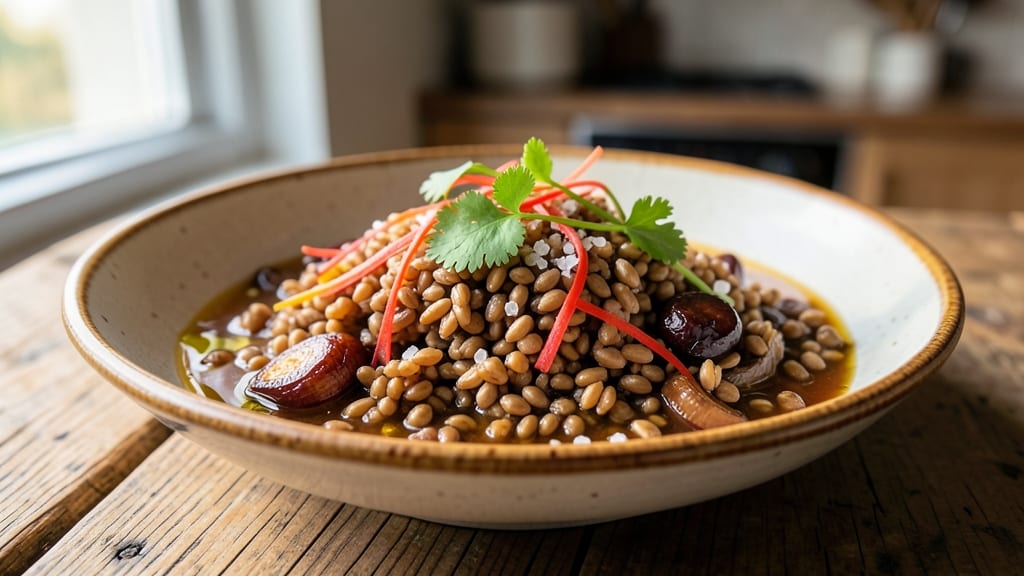
This buckwheat rice recipe transforms a simple grain into a nutty, chewy side dish that elevates any meal. Unlike white rice, buckwheat delivers an earthy depth and satisfying texture that pairs beautifully with both traditional and modern dishes.
I developed this method after discovering how versatile buckwheat is—whether used in Japanese soba noodles or Korean memorial meals, its unique flavor stands out. The secret to perfect buckwheat rice lies in proper toasting and hydration.
Toasting the grains first enhances their natural nuttiness, while simmering them in broth (or water) ensures a tender yet chewy texture. This method works for vegan dishes, hearty bowls, or even as a base for fusion cuisine.
What you’ll end up with is a golden, aromatic grain that’s fluffy on the outside and slightly resistant to the bite—ideal for soaking up sauces or standing up to bold flavors. The nutty aroma alone makes it a standout, while its high protein content adds nutritional value.
Use it as a side for roasted meats, stir-fries, or even as a base for grain bowls. The possibilities are endless, and the results are always impressive.
Ingredients for buckwheat rice
Nine simple ingredients transform buckwheat into a nutty, chewy side dish with restaurant-quality depth.
| Ingredient | Amount | Notes |
|---|---|---|
| Buckwheat Groats 🌾 | 1 cup | Unprocessed, not pre-cooked |
| Vegetable Broth 💧 | 2 ½ cups | Low-sodium preferred |
| Extra-Virgin Olive Oil 🫒 | 1 tbsp | For toasting grains |
| Water 💧 | 1 ½ cups | Filtered preferred |
| Sea Salt 🧂 | ½ tsp | Fine grain preferred |
| Fresh Ginger 🌿 | 1 tbsp | Grated, for aroma |
| Sesame Oil 🫒 | ½ tsp | Toasted sesame preferred |
| Garlic Cloves 🧄 | 2 cloves | Minced for flavor |
| Nutritional Yeast 🧀 | 1 tbsp | For umami depth |
| Toasted Sesame Seeds 🌰 | 1 tsp | For garnish |
| Fresh Parsley 🌿 | ¼ cup | Chopped, for garnish |
The buckwheat groats are the foundation—look for whole groats (not pre-cooked kasha) at the bulk section of Whole Foods or Trader Joe's. Their earthy, toasted flavor develops during the toasting step, so don't skip it. For broth, Imagine or Pacific Foods brands deliver consistent flavor without excess sodium. The ginger and garlic add aromatic layers that complement buckwheat's natural nuttiness. I always toast my sesame seeds separately in a dry pan for extra depth before adding them to the dish.
No sesame oil? Avocado oil at half the amount works in a pinch, though it lacks the nutty aroma. Fresh ginger too fibrous? Substitute 0.5 tsp ground ginger, but you'll lose some brightness. For extra umami without nutritional yeast, 1 tbsp soy sauce or tamari does the trick. The parsley is purely decorative—skip it if you're short on time, but the toasted sesame seeds are worth the extra minute. Prefer a different texture? Use brown rice at a 1:1 ratio, though the flavor profile changes significantly.
Toasted buckwheat keeps for 3 months in an airtight container at room temperature. Once cooked, store in the fridge for 5 days or freeze for 3 months. I portion mine into individual containers—perfect for meal prep. The flavor actually improves overnight as the grains absorb more of the broth's seasoning. For serving, I drizzle with a little extra sesame oil and sprinkle with flaky sea salt to enhance the nutty notes.
Why You'll Love This Recipe
- Five-Ingredient Magic: I swear by this—just groats, broth, oil, water, and salt. No fancy prep, no hidden steps, and honestly, it’s the kind of dish that makes me feel like I’ve outsmarted my own laziness.
- Earthy Umami Bomb: That nutty, toasty depth from the buckwheat? It’s like a quiet flavor party in your mouth. The olive oil and broth turn it into something rich and satisfying without needing a single extra ingredient.
- Meal Prep MVP: I make a big batch on Sundays and it lasts all week—perfect for lunches, stir-fries, or even breakfast bowls. Between us, it’s the only grain I don’t dread reheating.
- Budget-Friendly Powerhouse: Buckwheat groats are cheap, filling, and packed with protein. I’ve fed my whole family for under $5 with this, and the leftovers? They taste just as good cold the next day. No waste, all win.
Step-by-step instructions for buckwheat rice
Transform simple buckwheat groats into a flavorful, chewy side dish with this precise method.
Toast the Buckwheat for Nutty Depth
Heat the 1 tablespoon extra-virgin olive oil in a medium saucepan over medium heat. Add the 1 cup buckwheat groats and stir constantly for 3-4 minutes until they turn a deeper golden color and release an earthy aroma. This toasting step develops the nutty flavor and prevents the grains from becoming mushy during cooking.
Watch the groats carefully—they should be evenly toasted but not burned. You'll know it's ready when the color darkens to a rich amber and the oil begins to shimmer around the edges. Remove from heat immediately after toasting to preserve the flavor you've built.
Build the Flavor Base
Add the 2 cloves minced garlic and 1 tablespoon grated fresh ginger to the saucepan, stirring for 30 seconds until fragrant. The garlic should sizzle slightly and the ginger should release its bright aroma. This aromatic base forms the flavor foundation for your buckwheat rice.
Pour in the 2.5 cups vegetable broth and 1.5 cups water, bringing the mixture to a gentle boil. Add the 0.5 teaspoon sea salt and 1 tablespoon nutritional yeast, stirring to combine. The nutritional yeast adds a cheesy umami depth that complements the earthy buckwheat perfectly.
Simmer to Perfect Texture
Reduce heat to low and cover the saucepan with a tight-fitting lid. Let the buckwheat simmer gently for 25-30 minutes, stirring once halfway through cooking. The grains should absorb all the liquid and become tender but still maintain a slight chewiness—this is what gives buckwheat its distinctive texture.
Check for doneness by tasting a grain or pressing it between your fingers. It should be soft but still offer a pleasant resistance. If liquid remains, continue cooking uncovered for another 2-3 minutes to evaporate any excess moisture. The grains should be plump and separate rather than clumping together.
Finish with Aromatic Oils
Once the buckwheat is perfectly cooked, remove from heat and stir in the 0.5 teaspoon sesame oil. This final step adds a delicate nutty aroma that complements the earthy buckwheat. The sesame oil should be distributed evenly throughout the grains, enhancing their natural flavors without overpowering them.
Transfer the buckwheat to a serving dish and garnish with 1 teaspoon toasted sesame seeds and 0.25 cup chopped fresh parsley. The sesame seeds add a subtle crunch while the parsley provides a fresh contrast to the rich, nutty flavors. Serve immediately while still warm for the best texture and flavor experience.
Pro Tips For Making Buckwheat Rice
- Rinse the Groats First: Buckwheat groats have a bitter edge that rinsing cuts by half—just swirl them in a fine-mesh strainer under cold water for 30 seconds before cooking. I learned this the hard way after making a batch that tasted like overworked coffee grounds.
- Toast the Groats: Heat your olive oil in a pot over medium until shimmering, then add the groats and stir for 2-3 minutes until they smell nutty and slightly charred. This deepens the flavor and prevents a mushy texture—don’t skip it, even if you’re in a hurry.
- Use a 1:3 Ratio: For every cup of buckwheat groats, use 3 cups of liquid (broth + water). Too little water dries it out; too much turns it into porridge. Stick to the ratio, and adjust seasoning after cooking—salting early can make it taste flat.
- Finish with a Splash of Broth: If the rice looks dry after draining, hit it with 2-3 tablespoons of hot broth and stir. The starches absorb instantly, giving you that creamy, restaurant-style texture without overcooking. Yes, even if you’re impatient like me.
Make-ahead tips for leftovers
Prep Ahead Strategy
Toast the buckwheat groats in advance and store them in an airtight container at room temperature for up to 3 months. This prepped base saves you 10 minutes of active time when cooking.
Just reheat the dry grains in a dry pan for 2-3 minutes before adding your flavor base. 🌾
Broth Prep Shortcut
Make a big batch of vegetable broth (about 4 cups) and freeze it in ice cube trays. When ready to cook, pop out 2.5 cups worth of cubes and add them directly to your saucepan.
This eliminates the need to thaw broth and keeps your buckwheat rice consistently flavorful. The frozen cubes also help control cooking time more precisely.
Fridge-Friendly Storage
Cooked buckwheat rice keeps beautifully in the fridge for 5 days when stored in a glass Pyrex container with a tight lid. Portion it into single-serving containers for easy grab-and-go meals.
To reheat, add 1 tablespoon water per cup of rice and warm over medium-low heat for 5-7 minutes, stirring occasionally. This prevents drying out while restoring that perfect chewy texture.
Freezer Meal Prep
For longer storage, freeze cooked buckwheat rice in quart-sized freezer bags with 1 inch headspace to prevent ice crystals. Label bags with the date—it stays fresh for 3 months. When ready to eat, thaw overnight in the fridge, then reheat using the stovetop method above.
The texture remains excellent if handled properly, making this an ideal meal prep staple for busy weeks.
Flavor Boost Before Storing
Before refrigerating or freezing, stir in an extra ½ teaspoon sesame oil and ¼ teaspoon toasted sesame seeds. This extra step ensures the rice maintains its aromatic depth even after storage.
I also add a pinch of black pepper—it enhances the nutty flavors without overpowering them. These small additions make reheated buckwheat taste almost as good as fresh!
Day-of Cooking Hacks
If you're short on time, use pre-toasted buckwheat (available at specialty stores) to skip the initial toasting step. Just reduce your cooking liquid by ¼ cup since pre-toasted grains absorb liquid differently.
For an instant flavor boost, stir in 1 teaspoon soy sauce or ½ teaspoon miso paste during the final minute of cooking. It’s a quick way to add umami depth without extra prep. 💡
Nutrition facts
Frequently asked questions
Why does buckwheat rice have a nutty flavor?
The earthy, nutty taste comes from its natural composition—buckwheat is a pseudo-cereal (not true wheat) with high levels of flavonoids and tannins. Toasting the grains before cooking amplifies this flavor, creating that rich, toasted-nut aroma similar to toasted sesame or hazelnuts. The longer you toast, the deeper the nuttiness becomes!
Can I substitute buckwheat groats for regular rice?
Yes, but expect a different texture and flavor! Buckwheat stays chewier than white rice, so it works best in dishes where texture matters—like grain bowls or stir-fries. For a 1:1 swap, use 1 cup buckwheat groats to 2 cups liquid (instead of rice’s 1:1.5 ratio). It’s also gluten-free, making it ideal for those with sensitivities.
What’s the best way to fix mushy buckwheat rice?
Mushiness happens when grains absorb too much liquid or overcook. To fix it, spread the rice on a baking sheet and bake at 300°F for 10-15 minutes, stirring halfway. This dries out excess moisture while keeping it chewy. For prevention, reduce cooking liquid by ¼ cup next time or simmer uncovered for the last 5 minutes to evaporate extra water.
Is buckwheat rice safe for gluten-free diets?
Buckwheat is naturally gluten-free and a great alternative for those avoiding wheat. Just ensure your broth and seasonings (like soy sauce) are certified gluten-free. The recipe’s nutritional yeast and sesame oil are also safe, making this a fully compliant side dish for gluten-sensitive diets.
How can I make this recipe more protein-packed?
Add ½ cup edamame or ¼ cup hemp seeds while cooking for extra protein. For a heartier dish, stir in ½ cup cooked lentils or top with crumbled tofu or chickpeas. The buckwheat’s natural 13g protein per cup (cooked) already makes it a standout—these additions take it to the next level!