
Main Courses
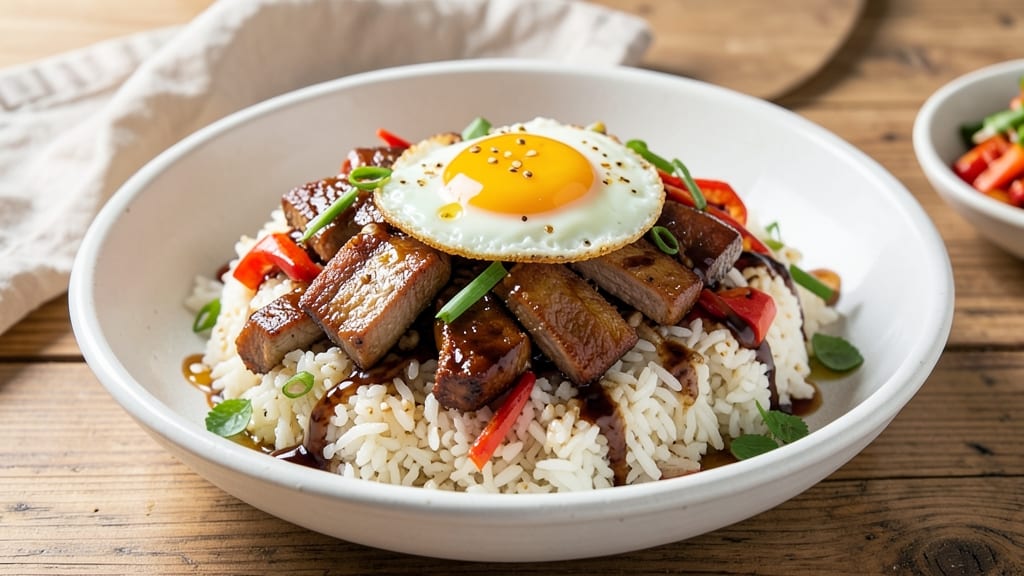
This Buldak fried rice recipe delivers the bold flavors of Korean street food—spicy kimchi, savory pork, and perfectly scrambled eggs all stir-fried into fragrant rice. The secret lies in high-heat wok action and balancing sweet, spicy, and umami notes for every bite.
I’ve perfected this one-pan method after years of testing, ensuring crispy edges and tender textures without missing a step.
What sets Buldak apart is its layered complexity: fermented kimchi adds tangy heat, soy sauce deepens the savory base, and sesame oil brings nutty richness. The eggs scramble into soft ribbons while the pork (or shrimp) cooks through, absorbing all the flavors.
Garnish with sesame seeds and green onions for that final restaurant-quality touch. Ready in under 20 minutes, this dish transforms simple ingredients into a restaurant-worthy meal.
Ingredients for buldak fried rice
Four cups of fragrant rice kickstarts this bold Korean street food staple, blending spicy kimchi and savory pork into one restaurant-worthy pan.
| Ingredient | Amount | Notes |
|---|---|---|
| Day-Old Steamed White Rice 🍚 | 4 cups | Cold rice preferred for texture |
| Ground Pork Shoulder 🐖 | ½ lb | Finely ground for even cooking |
| Kimchi 🥬 | 1 ½ cups | Fermented, chopped for texture |
| Large Eggs 🥚 | 4 whole | Fresh, room temperature |
| Soy Sauce 🍶 | ¼ cup | Korean or Japanese preferred |
| Sesame Oil 🫒 | 1 tbsp | Toasted, for aroma |
| Vegetable Oil 🫒 | 2 tbsp | High smoke point for frying |
| Garlic Cloves 🧄 | 4 cloves | Minced, for depth |
| Fresh Ginger 🌿 | 1 tbsp | Grated, for balance |
| Green Onions 🧅 | ½ cup | Thinly sliced, for garnish |
| Toasted Sesame Seeds 🌾 | 1 tbsp | For crunchy finish |
| White Sugar 🍚 | 1 tbsp | Balances spicy flavors |
| Salt 🧂 | ½ tsp | Kosher or sea salt |
| Black Pepper 🌶️ | ¼ tsp | Freshly ground |
The rice is non-negotiable—day-old, cold rice creates that signature crispy texture when stir-fried. I always use steamed jasmine or short-grain rice for its stickiness, and H Mart or Korean markets carry the best quality in bulk. For the pork, ground shoulder (not lean ground pork) renders fat beautifully, adding richness. If you can't find it, substitute ground chuck—just pat it dry first. The kimchi should be fermented, not fresh—look for H Mart or local Korean grocers for the best fermented varieties, or use a high-quality jarred kimchi like Gochu-Garu if fresh isn't available.
No pork? Shrimp or chicken thigh works beautifully—just marinate shrimp in a pinch of soy sauce and sesame oil for 10 minutes. Swapping eggs? Tofu scramble (firm tofu crumbled and pan-fried) mimics the texture, though it won’t be as rich. Sesame oil is non-negotiable for aroma—don’t use the cheap stuff; Kadoya or La Choy toasted sesame oil from Asian markets is worth the splurge. The sugar balances the kimchi’s heat, but honey or maple syrup work in a pinch. For extra umami, add 1 tsp fish sauce (if not vegetarian) or soy sauce to the rice before frying.
Prep the rice first—spread it on a tray to cool faster if it’s hot. The pork and kimchi can be prepped ahead and stored in the fridge for up to 2 days, but add the sesame oil fresh before cooking. This dish reheats poorly, so make it fresh for the best texture. Garnish with sesame seeds and green onions right before serving—they lose their crunch if added too early. Leftovers keep for 3 days in the fridge, but the texture suffers after day two. For freezer storage, portion into single servings and reheat in a dry skillet to revive crispiness.
Why You'll Love This Recipe
- Pantry Magic: Honestly, I make this when I’ve got nothing but rice, kimchi, and a bag of ground pork—no fancy shopping required. The day-old rice? That’s often just what’s left in my fridge, and the kimchi adds tangy punch without extra effort.
- Umami Bomb: Between the pork’s savory depth, the soy sauce’s caramelized bite, and that funky-sweet kimchi, every bite packs layers I can’t get enough of. (Yes, even on a Tuesday night.)
- Leftover Hero: This is my go-to for turning stale rice into something golden and crispy—no waste, no stress. I’ll batch-cook it for the week and reheat it like a takeout order, minus the delivery fee.
- Budget Flex: Ground pork shoulder stretches further than you’d think, and kimchi’s cheap if you buy it in bulk. I’ve fed four people for under $10 with this—plus, the leftovers taste just as good the next day.
Step-by-step instructions for Buldak fried rice
This method delivers restaurant-quality Buldak fried rice with perfectly balanced spice, rich eggy texture, and crispy pork every time.
Prepare the Pork and Aromatics
Heat 1 tablespoon vegetable oil in a large wok or skillet over medium-high heat until shimmering. Add the 0.5 lb ground pork shoulder and cook, stirring constantly, until the pork loses its raw color and begins to brown—about 3-4 minutes. You're aiming for a crispy, slightly caramelized texture rather than fully cooked through.
Push the pork to one side of the pan and add 1 tablespoon vegetable oil to the empty space. Add the 4 minced garlic cloves and 1 tablespoon grated fresh ginger, cooking for 30 seconds until fragrant. The garlic should sizzle and turn golden—this releases their full flavor. Immediately add 1.5 cups chopped kimchi and stir-fry for 2 minutes until the kimchi softens and its juices begin to release. This step builds the spicy-savory foundation of your dish.
Cook the Eggs and Season the Base
Push the kimchi mixture to one side again and add the remaining 1 tablespoon vegetable oil to the pan. Crack the 4 large eggs into the pan and scramble them quickly over high heat for 30-45 seconds until just set but still slightly runny in the center. The eggs should form soft, creamy curds rather than dry clumps. Remove the eggs and set aside temporarily.
Return the kimchi-pork mixture to the center of the pan and stir in 0.25 cup soy sauce, 1 tablespoon white sugar, 0.5 teaspoon salt, and 0.25 teaspoon black pepper. Cook for 1 minute to allow the flavors to meld. This seasoning blend balances the spicy kimchi with sweet and umami notes—taste now to adjust if needed. The mixture should be glossy and aromatic, with a slight sheen from the soy sauce reduction.
Combine All Ingredients for Perfect Texture
Add the 4 cups day-old steamed white rice to the pan, breaking up any large clumps with your spatula. Stir-fry for 2-3 minutes on high heat, using the flat of your spatula to press the rice against the pan's surface. This creates those signature crispy bits while keeping the rest tender. The rice should begin to sizzle and take on a slightly golden hue in spots.
Return the scrambled eggs to the pan and gently fold everything together. Drizzle with 1 tablespoon sesame oil and toss once more to coat evenly. The sesame oil adds depth and aroma—you'll notice the entire dish smells richer immediately. Cook for another 1-2 minutes until the rice is heated through and the eggs are fully incorporated. The final texture should be a perfect balance: crispy edges, tender rice, and creamy egg streaks throughout.
Finish and Garnish for Presentation
Remove the fried rice from heat and transfer to a serving platter. Immediately sprinkle with 0.5 cup thinly sliced green onions and 1 tablespoon toasted sesame seeds. The green onions add freshness to cut through the richness, while the sesame seeds provide a satisfying crunch. Let the dish rest for 1-2 minutes before serving—this allows the flavors to settle and the rice to absorb any remaining juices.
Serve immediately with additional green onions and sesame seeds on the side. Each bite should deliver a perfect harmony of textures: the crispy pork, spicy kimchi, creamy eggs, and tender rice. The dish should be slightly sticky from the soy sauce but not wet, with a balance of heat, umami, and sweetness that lingers on the palate. For best results, serve while hot and enjoy with a cold beer or spicy kimchi soup.
Pro Tips For Making Buldak Fried Rice
- CRUSH THE KIMCHI FIRST: Drain and squeeze the kimchi dry with a towel—no liquid left, or your rice will turn into soup. I used to skip this, and the texture was always off. A handful of fresh kimchi juice is fine, but not a pool.
- PRE-COOK THE PORK: Brown the ground pork shoulder before adding kimchi or rice—this builds flavor and prevents a bland, mushy mess. I learned this after making a batch where the pork just dissolved into the rice. Two minutes on high heat, then set aside.
- SCRAMBLE EGGS IN STAGES: Push the eggs to one side of the pan and let them set slightly before stirring—this keeps them creamy, not scrambled. I was skeptical until I tried it; now I can’t imagine doing it any other way.
- USE DAY-OLD RICE: Cold, dry day-old rice fries up crisp and separate, while fresh rice turns to glue. Break up clumps with your hands before adding to the pan—no one likes rice gummy text. (And if you’re short on time, microwave leftover rice for 30 seconds to revive it.)
Common mistakes when making perfect results
Overcooking the Pork
One of the biggest mistakes I see is fully cooking the pork before adding the kimchi. The pork should only be partially cooked—about 70-80% done—before setting it aside. Overcooking makes it dry and rubbery, stealing crispy texture from the final stir-fry.
I use a meat thermometer to check for 145°F internal temperature before adding kimchi. This ensures it finishes cooking perfectly when combined with the rice. 🌡️
Using Fresh Rice
Freshly cooked rice is a common culprit for soggy, mushy fried rice. The starches need time to firm up, which is why day-old rice is essential. If you must use fresh rice, spread it on a tray and refrigerate for 30 minutes to speed up the process.
I’ve tried every shortcut, but nothing beats properly cooled rice for that signature crispy texture. 🍚
Skipping the Egg Scramble Timing
The eggs must be scrambled just until set—about 30-45 seconds—before removing them. Overcooking turns them rubbery, while undercooking leaves them too runny. I like to remove them when they still have a slight wobble in the center.
Adding them back at the end ensures they stay creamy and blend perfectly with the rice. 🥚
Low Heat Cooking
Buldak fried rice demands high heat throughout the cooking process. Low heat steams the rice instead of creating crispy edges. I use a wok or cast-iron skillet on high heat, pressing the rice against the pan’s surface to develop those golden, crispy bits.
If your pan isn’t hot enough, the rice will absorb too much oil and become greasy. 🔥
Overmixing the Rice
Once the rice is in the pan, stir just enough to combine—don’t overmix! The goal is to create crispy edges while keeping the interior tender. I use short, quick tosses with the flat of my spatula, pressing down gently.
Overmixing turns the rice mushy and destroys the texture. Think of it as a gentle dance, not a workout. 💫
Neglecting the Sesame Oil Finish
Adding sesame oil at the end is non-negotiable for authentic flavor. Pouring it in too early burns off its delicate aroma. I drizzle it over the hot rice just before the final toss, letting the heat infuse its nutty richness.
For extra depth, I sometimes add ½ teaspoon toasted sesame oil** to the pork mixture earlier, but the final drizzle is crucial. 🫒
Nutrition facts
Frequently asked questions
Why does Buldak fried rice need day-old rice?
Day-old rice has firmer starches that create crispy edges when stir-fried, while fresh rice turns mushy. The cooling process also helps distribute flavors evenly. If you must use fresh rice, chill it for 30 minutes first to mimic the texture.
Can I make Buldak fried rice with chicken instead of pork?
Use 1 lb boneless chicken thigh cut into small pieces for juiciness. Marinate it in 1 tbsp soy sauce and ½ tbsp sesame oil for 10 minutes before cooking. Chicken works well but lacks pork's natural fat, so add ½ tbsp oil when frying.
How spicy should the kimchi be?
Use medium-spicy kimchi for balanced heat—too spicy overpowers the dish. If your kimchi is very hot, reduce the amount to 1 cup and add 1 tsp sugar to balance. For milder flavor, mix in ½ cup regular cabbage with the kimchi.
What's the best pan for Buldak fried rice?
A wok or cast-iron skillet works best for high-heat cooking. Avoid nonstick pans—they don't get hot enough for crispy edges. If using a regular skillet, choose one with sloped sides for easier tossing. Preheat the pan until smoking hot before adding oil.
Can I make this vegetarian?
Yes! Replace pork with ½ lb extra-firm tofu (pressed and cubed) or 1 cup mixed mushrooms. Skip eggs and use ½ cup silken tofu scrambled with ½ tsp turmeric for color. Add 1 tbsp vegetarian fish sauce or extra soy sauce for umami depth.