
Main Courses
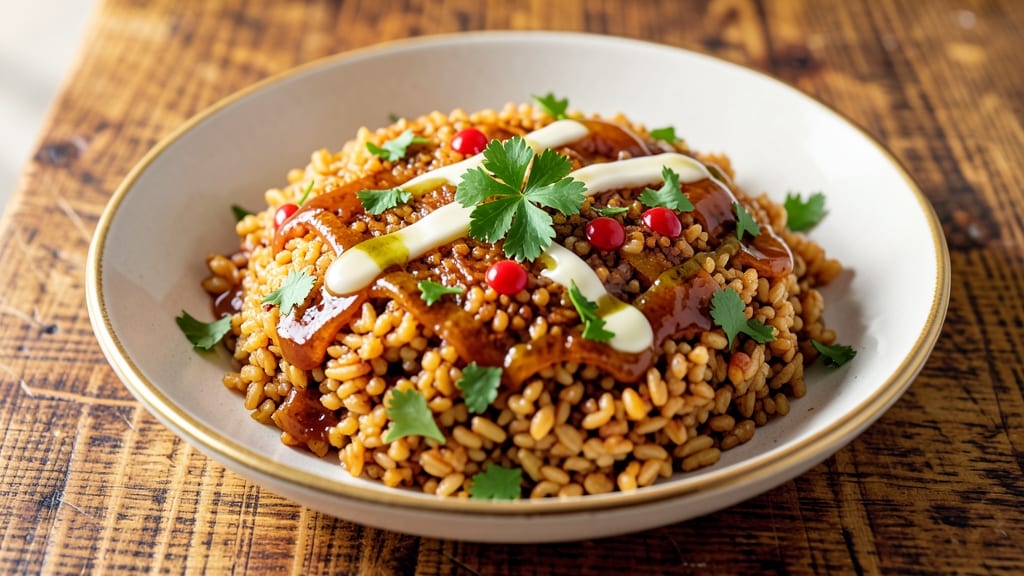
This Turkish bulgur rice recipe delivers the crispy-topped pilaf you crave with every bite—where golden, toasted edges meet tender, lemon-infused grains. The secret lies in a 30-minute soaking that transforms coarse bulgur into fluffy, aromatic rice, then a quick broil for that signature crispy crust.
I first tasted this dish in Istanbul, where it’s served as both a side and a main, and it’s become my go-to for weeknight meals that feel special.
The dish balances bright lemon, fresh parsley, and optional proteins like lamb or chickpeas for a meal that’s restaurant-quality at home. Traditional Turkish bulgur pilaf (Bulgur Pilavı) relies on simple techniques—parboiling the bulgur, layering flavors, and finishing with a crispy top—that make it foolproof.
Ready in under 45 minutes, it’s perfect for family dinners or meal prep. Let’s get cooking.
Ingredients for bulgur rice recipe turkish
Golden bulgur, zesty lemon, and crispy butter topping—this Turkish pilaf delivers restaurant-quality flavor with just 11 ingredients.
| Ingredient | Amount | Notes |
|---|---|---|
| Coarse Bulgur Wheat 🌾 | 1 cup | Toasted for nutty flavor |
| Vegetable Stock 💧 | 1 ½ cups | Low-sodium preferred |
| Fresh Lemon Juice 🍋 | 2 tbsp | Freshly squeezed |
| Fresh Parsley 🌿 | ¼ cup | Chopped finely |
| Extra-Virgin Olive Oil 🫒 | ¼ cup | High-quality for crispiness |
| Unsalted Butter 🧈 | 2 tbsp | Cold for crispy topping |
| Diamond Crystal Kosher Salt 🧂 | 1 ½ tsp | Adjust to taste |
| Fresh Garlic Cloves 🧄 | 2 cloves | Minced finely |
| Ground Black Pepper 🌶️ | ½ tsp | Freshly cracked |
| Optional Lamb Leg 🥩 | 1 lb | Diced for protein |
| Optional Chickpeas 🌱 | 1 cup | Cooked, for vegetarian |
The bulgur is the star here. Coarse bulgur (not fine) gives that satisfying texture—Bulgur Pilavı at its best. Grab a 2-cup bag from Trader Joe's or Middle Eastern markets—it’s worth the extra 50 cents over store brands. For that nutty depth, toast it in olive oil for 2 minutes before soaking. The lemon? Use Meyer lemons if you can—their floral notes elevate everything. Fresh parsley is non-negotiable (dried won’t cut it), but if you’re in a pinch, cilantro works at half the amount—just know it’ll taste different.
No lamb? Chickpeas or diced chicken thighs work perfectly. The vegetable stock can be swapped for homemade chicken stock if you’re not vegetarian, but the flavor difference is minimal. For extra richness, add 1 tbsp tahini to the olive oil before toasting the bulgur. The butter topping is where magic happens—use European-style butter (like Plugrá) for higher fat content, which crisps better. Short on time? Bake the pilaf directly in a cast-iron skillet for a crispier crust without extra effort.
This keeps beautifully for 4 days in the fridge—taste even better as flavors meld. For meal prep, portion into glass containers with a sprinkle of parsley on top to keep it vibrant. Freezes for 3 months, but the texture gets softer after thawing. The crispy topping? Best eaten fresh, but if you must reheat, cover with foil and warm gently—broil for 2 minutes at the end to restore crispiness.
Why You'll Love This Recipe
- No-Soaking Needed: I’ll admit, I used to dread bulgur—until I learned the coarse kind just absorbs stock like a sponge. Toss it in boiling water with a splash of lemon juice, cover it, and 20 minutes later, you’ve got fluffy, nutty grains without any fuss. Honestly, this is the kind of recipe that makes me feel like a lazy genius.
- Bright & Tangy Magic: That lemon juice isn’t just for flavor—it’s the secret weapon. The bright acidity cuts through the earthy bulgur, while the parsley adds a fresh finish that makes every bite feel like a little vacation. Drizzle in good olive oil at the end, and suddenly, simple grains taste like they belong on a Mediterranean table.
- Meal Prep MVP: Between us, this is my go-to for lunches all week. Cook a big batch, store it in the fridge, and it stays fresh for days. Toss it with roasted veggies, grilled chicken, or even a fried egg—it’s the quiet sidekick that makes every meal feel special. (Yes, even on a Tuesday night.)
- Budget-Friendly Staple: Coarse bulgur is dirt cheap, and a single bag lasts forever. Pair it with whatever veggie stock you have (even homemade scraps work), and you’ve got a filling, protein-friendly base for half the cost of rice. I’ll be real: this is how I feed my family without breaking the bank.
Step-by-step instructions for Turkish bulgur pilaf
Here's how to make this fragrant, crispy-topped pilaf that's the heart of Turkish mezze tables.
Toast the Bulgur for Nutty Depth
Heat the 0.25 cup extra-virgin olive oil in a medium saucepan over medium-high heat. Add the 1 cup coarse bulgur wheat and toast for 3-4 minutes, stirring constantly with a wooden spoon. You'll see the bulgur turn a deeper golden color and release a toasty aroma—this is crucial for developing that authentic nutty flavor.
Watch carefully as the bulgur toasts—it should be fragrant but not browned. If you see any pieces darkening too quickly, reduce the heat slightly. Once toasted, remove the pan from heat and let the bulgur cool for 2 minutes. This brief resting period prevents the bulgur from absorbing too much liquid too quickly when we add the stock later.
Cook the Bulgur with Flavorful Stock
Return the pan to medium heat and pour in the 1.5 cups vegetable stock. Bring to a gentle boil, then immediately reduce heat to low. Cover with a tight-fitting lid and simmer for 15 minutes, stirring once gently with a fork to prevent sticking. The bulgur should absorb most of the liquid but still have a slight bite—this is perfect for pilaf texture.
If you're using the 1 lb optional lamb leg, add it now along with the 2 cloves minced fresh garlic cloves, 1.5 tsp diamond crystal kosher salt, and 0.5 tsp ground black pepper. For the vegetarian version with 1 cup cooked chickpeas, add them with the remaining seasonings. Stir gently to combine, then continue cooking for another 5 minutes to let the flavors meld.
Create the Signature Crispy Topping
While the bulgur cooks, prepare the crispy topping in a small skillet. Melt the 2 tbsp unsalted butter over medium heat until it foams, then add the 0.25 cup extra-virgin olive oil. The butter should bubble gently but not brown—this ensures a golden, crispy finish rather than a burnt one.
Remove the bulgur from heat and let it sit covered for 5 minutes to absorb any remaining liquid. Then, using a fork, gently fluff the bulgur mixture, breaking up any large clumps. Spread it evenly in a 9-inch oven-safe skillet or shallow baking dish, creating a flat, even surface for the crispy topping.
Build the Crispy Lemon-Parsley Crust
Pour the butter-oil mixture evenly over the bulgur, then sprinkle with the 0.25 cup finely chopped fresh parsley and 2 tbsp fresh lemon juice. Using a fork, gently press the parsley into the bulgur so it adheres evenly. The lemon juice will brighten the flavors and help create that signature crispy texture.
Transfer the skillet to a 400°F oven and bake for 10-12 minutes until the topping is deep golden brown and crispy. You'll smell that irresistible toasted aroma—this is your cue that the crust is perfect. If you're unsure, check at the 10-minute mark and adjust the time based on your oven's heat.
Rest and Serve for Maximum Flavor
Remove the pilaf from the oven and let it rest for 5 minutes before serving. This resting period allows the juices to redistribute, ensuring each bite is moist and flavorful. The crispy topping will firm up slightly as it cools—this is normal and actually enhances the texture contrast.
Serve immediately with a sprinkle of extra fresh parsley and a wedge of fresh lemon on the side. The pilaf should have a beautiful golden crust on top with tender, fluffy bulgur underneath. Each bite delivers that perfect combination of crispy, creamy, and bright lemony flavors that make this dish so special.
Pro Tips For Making Bulgur Rice Recipe Turkish
- TOAST THE BULGUR FIRST: I learned this the hard way—skipping the quick toast in a dry pan for 1-2 minutes means your bulgur will absorb stock unevenly and stay gummy. Just until it smells nutty and releases its starch, then add the stock. Trust me, the texture changes completely.
- USE BOILING STOCK: Cold stock? Big mistake. Pour the vegetable stock boiling over the bulgur—this guarantees even hydration and cuts cooking time by half. Cover and let it sit off the heat for 10 minutes; the residual heat does the work. (Yes, even if you're impatient like me.)
- PULSE THE PARSLEY: Chop the parsley just before mixing—no prepping it hours ahead. But here’s the upgrade: pulse it in a food processor with a splash of lemon juice and olive oil first. You’ll get a finer, brighter green that clings to every grain instead of settling at the bottom like sad confetti.
- LEMON JUICE LAST: Add the lemon juice after the bulgur has fully absorbed the stock and cooled slightly. Drizzling it too early makes the dish watery and dulls the bright acidity. Save 1 teaspoon for finishing—it’s the thing that matters most when serving. (I know, I know, but trust the process.)
Best sauces and condiments for bulgur rice recipe turkish
Lemon-Herb Yogurt Sauce
This creamy, tangy sauce is a Turkish staple that elevates bulgur pilaf to restaurant-level perfection. Mix ½ cup plain Greek yogurt with 1 tbsp fresh lemon juice, 1 tbsp extra-virgin olive oil, 1 tsp minced fresh dill, and a pinch of Diamond Crystal kosher salt.
For extra depth, add ½ tsp ground sumac—it’s a must in Turkish cuisine. Drizzle over the pilaf just before serving for that signature bright, creamy contrast. 🍋
Garlic-Tahini Dressing
For a nutty, garlicky twist, blend 3 tbsp tahini with 2 tbsp extra-virgin olive oil, 1 minced garlic clove, 2 tbsp warm water, and 1 tsp fresh lemon juice until smooth.
Thin with a splash of water if needed, then drizzle over the pilaf. This sauce adds richness and pairs beautifully with the crispy topping. I love using Almas Tahini for its smooth texture. 🥄
Spicy Red Pepper Paste
Add heat and smoky depth with a simple red pepper paste. Mix 2 tbsp Turkish red pepper paste (like Anadolu paste) with 1 tbsp olive oil and 1 tsp water to create a vibrant, spicy sauce.
Dollop small amounts over the pilaf or use it as a dipping sauce for extra flavor. For a milder version, reduce the paste to 1 tbsp. This is a game-changer for those who love a little kick. 🌶️
Buttery Mint Sauce
For a refreshing finish, melt 1 tbsp unsalted butter with 1 tbsp chopped fresh mint and 1 tsp lemon juice in a small pan. Let it cool slightly, then drizzle over the pilaf.
The cool mint cuts through the richness of the crispy topping, balancing the dish beautifully. Fresh mint is key—dried won’t give the same bright flavor. 🌿
Pickled Vegetable Topping
Brighten the pilaf with a tangy crunch by topping it with ¼ cup finely chopped pickled red onions or pickled turnips.
Turkish markets often sell pre-pickled vegetables, or you can quickly pickle ½ red onion in ½ cup vinegar, 1 tsp sugar, and ½ tsp salt for 15 minutes. The acidity and texture make every bite more dynamic. 🥒
Nutrition facts
Frequently asked questions
What's the difference between coarse bulgur and regular bulgur?
Coarse bulgur is the key to authentic Turkish pilaf texture—it has larger grains that stay distinct and chewy, while fine bulgur turns mushy. For this recipe, always use coarse bulgur (look for "medium" or "coarse" on the package). It takes about 15 minutes to cook properly, giving you that perfect al dente bite.
Can I make this pilaf without an oven for crispy topping?
Skip the oven step and create a stovetop crispy topping instead. After adding the butter-oil mixture and parsley, cover the skillet with a tight lid and cook on medium-low heat for 5-7 minutes, shaking the pan gently every minute. The steam will crisp the topping without browning.
How do I store leftovers to keep the crispy topping?
Store the pilaf in an airtight container with the crispy topping facing up. Reheat in the oven at 350°F for 10 minutes to restore crispiness, or cover with foil and microwave for 1-2 minutes (then broil for 2 minutes at the end). The texture won't be perfect, but it's still delicious!
What other proteins work well with this pilaf?
Beyond lamb, try grilled chicken thighs, shredded beef, or white beans for vegetarian. For extra richness, add 1 cup cooked ground lamb or crumbled feta cheese at the end. The pilaf's bright flavors pair beautifully with hearty proteins that can stand up to its lemony brightness.
Why does my bulgur turn mushy?
Mushy bulgur usually means overcooking or using fine bulgur. Always use coarse bulgur and follow the 15-minute simmer time precisely—don't exceed it! Also, avoid stirring too much while cooking, as this breaks the grains. If it's still too soft, spread it on a baking sheet and dry it in the oven at 200°F for 10 minutes to restore texture.