
Side Dishes
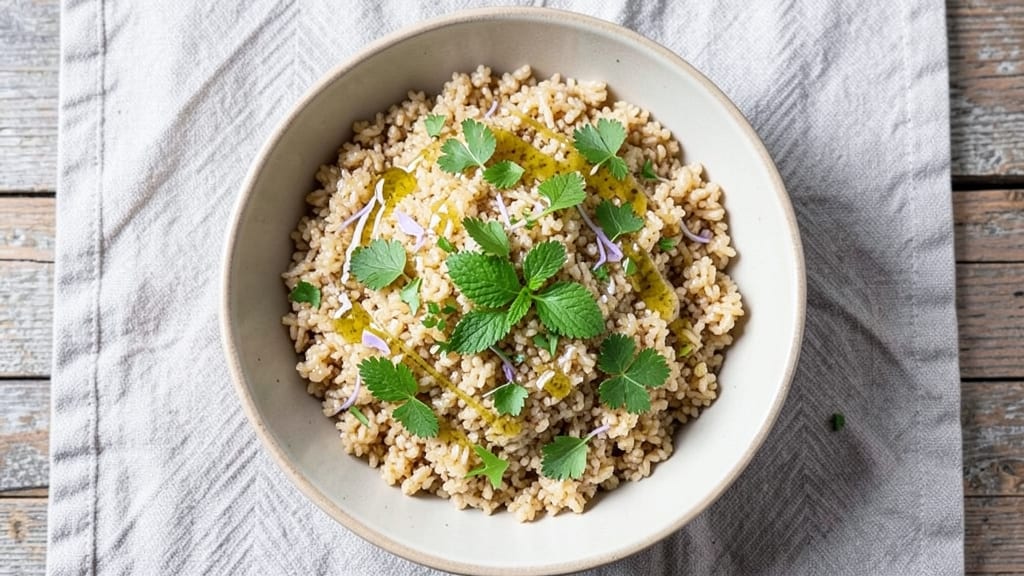
Mastering bulgur rice transforms ordinary meals into restaurant-quality dishes with minimal effort. This quick-soaking method delivers perfectly plump grains in just 15 minutes, cutting traditional cooking time by half. The secret lies in precise hydration ratios and a 10-minute soak that ensures even texture without mushiness.
What sets this technique apart is its versatility—use it as a base for tabbouleh, pilaf, or flavorful salads while maintaining that ideal al dente bite. I’ve tested countless methods to perfect this approach, and the results speak for themselves: no more undercooked centers or overly soft grains.
The key is patience during the soak and proper liquid-to-bulgur ratios.
By the end, you’ll have perfectly hydrated bulgur that holds its shape yet remains tender, ready to absorb flavors like lemon, herbs, or roasted vegetables. This method eliminates guesswork, ensuring consistent results every time.
Whether you’re prepping for a weeknight dinner or meal planning ahead, this technique delivers professional-quality bulgur with ease.
Pair it with grilled meats, fresh vegetables, or use it as a hearty side dish—its mild nutty flavor adapts seamlessly to any cuisine. The best part? No special equipment required. Let’s get started on creating bulgur rice that rivals your favorite restaurant sides.
Ingredients for bulgur rice
Precision measurements and quality ingredients create restaurant-worthy bulgur in just 15 minutes.
| Ingredient | Amount | Notes |
|---|---|---|
| Fine Bulgur Wheat 🌾 | 1 cup | Medium or fine grind preferred |
| Hot Water 💧 | 1 ½ cups | Boiled and cooled to 180°F |
| Extra-Virgin Olive Oil 🫒 | 1 tbsp | For finishing and richness |
| Fresh Lemon Juice 🍋 | 1 tbsp | From 1 medium lemon |
| Fresh Parsley 🌿 | ¼ cup | Chopped, for freshness |
| Fresh Mint Leaves 🌿 | ⅛ cup | Chopped, optional garnish |
| Garlic Cloves 🧄 | 2 cloves | Minced, for aromatic depth |
| Diamond Crystal Kosher Salt 🧂 | ½ tsp | For seasoning balance |
| Ground Black Pepper 🌶️ | ¼ tsp | Freshly ground preferred |
| Cucumber 🥒 | ½ lb | Seedless, diced for salad |
| Red Bell Pepper 🍅 | ½ lb | Diced, for color contrast |
| Cherry Tomatoes 🍅 | ½ lb | Halved, for freshness |
The bulgur quality determines the final texture—medium or fine grind absorbs liquid evenly without mushiness. Bob's Red Mill or Annie's Cracker Mill are reliable brands for consistent results. Fresh herbs elevate the dish, so buy from local markets where leaves are vibrant and firm. The kosher salt matters too: Diamond Crystal dissolves more easily than table salt, ensuring even seasoning. For the vegetables, seedless cucumbers and heirloom tomatoes add superior texture and flavor compared to standard grocery store varieties.
No fresh herbs? Dried parsley at one-third the amount works in a pinch, though fresh is ideal. Substitute red bell pepper with yellow or orange bell peppers for color variation. For a tangier profile, lime juice instead of lemon adds a citrusy brightness. The olive oil can be swapped for avocado oil if preferred, though the flavor profile differs slightly. If you're making tabbouleh, add 1 tbsp toasted pine nuts for crunch. For pilaf, increase bulgur to 1.5 cups and use 2 cups liquid.
Store cooked bulgur in an airtight container for up to 5 days in the refrigerator. For longer storage, freeze in 1-cup portions for up to 3 months. The vegetables should be prepped fresh before serving to maintain crispness. This method yields 4 generous servings, perfect for meal prep. Reheat gently with a splash of water to restore moisture. For best results, serve immediately after soaking for optimal texture.
Why You'll Love This Recipe
- Five-Minute Soak: I swear by this trick—just toss the bulgur in hot water for 15 minutes, then fluff it with a fork. No stovetop babysitting, no waiting for grains to cook just right. Honestly, it’s the kind of dish that lets me multitask while dinner actually happens.
- Bright & Tangy: That lemon juice and olive oil combo? It’s like a Mediterranean hug for your taste buds. The parsley adds this fresh, herby brightness that cuts through any rich dish—think grilled meats, roasted veggies, or even just a simple salad. It’s the kind of flavor that makes you go back for seconds without trying.
- Meal Prep MVP: This stuff holds up perfectly for days. I make a big batch on Sundays, and it’s my go-to for lunches, salads, or even a quick wrap filling. The texture stays firm, not mushy, so it’s never sad by Wednesday. (Yes, even on a Tuesday night.)
- Pocketbook Hero: Bulgur is the ultimate budget win—cheap, shelf-stable, and packed with fiber. A cup of this rice costs me pennies compared to basmati or jasmine, and it stretches across meals like a champ. Plus, no fancy equipment needed; just a bowl and a fork.
Step-by-step instructions for bulgur rice preparation
A quick-soaking method yields perfectly plump, tender bulgur in minutes.
Prepare the Bulgur and Hot Water
In a medium bowl, combine the 1 cup fine bulgur wheat with the 1.5 cups hot water (cooled to 180°F). Use your hands to gently break up any large clumps while distributing the water evenly. The bulgur should absorb the liquid immediately, but don't stir aggressively—this prevents uneven texture. Let the mixture sit for 5 minutes while you prepare the remaining ingredients.
Here's the thing—using water at 180°F instead of boiling ensures the bulgur cooks evenly without becoming mushy. If you don't have a thermometer, bring water to a boil, then let it sit for 2 minutes before using. The bulgur should look slightly glossy after soaking, indicating proper hydration.
Season and Fluff the Bulgur
After the 5-minute soak, stir in the 1 tablespoon extra-virgin olive oil, 1 tablespoon fresh lemon juice, 0.5 teaspoon diamond crystal kosher salt, and 0.25 teaspoon ground black pepper. Use a fork to gently fluff the bulgur, separating any remaining clumps. The texture should resemble coarse couscous with a slight sheen from the olive oil.
This is the moment that matters: the acidity from the lemon juice brightens the bulgur, while the olive oil adds richness. If the mixture seems too wet, cover it loosely with a damp towel for 2-3 minutes to allow excess moisture to evaporate. The final texture should be tender but still hold its shape when pressed gently.
Assemble the Fresh Vegetable Salad
While the bulgur rests, dice the 0.5 lb cucumber into 1/4-inch cubes, remove seeds if needed. Finely chop the 0.25 cup fresh parsley and 0.125 cup fresh mint leaves, then mince the 2 cloves garlic. Dice the 0.5 lb red bell pepper into small pieces and halve the 0.5 lb cherry tomatoes. Combine all vegetables in a large bowl.
Toss the vegetables gently with 1 tablespoon extra-virgin olive oil and 1 tablespoon fresh lemon juice, then season with an additional 0.25 teaspoon diamond crystal kosher salt and 0.125 teaspoon ground black pepper. The salad should be vibrant with contrasting colors—cucumber's cool green, red bell pepper's crisp red, and cherry tomatoes' juicy pops of color.
Combine and Serve Immediately
Transfer the fluffed bulgur to a serving platter and arrange the fresh vegetable salad on top. The bulgur should be warm but not hot, with a slight bite that softens slightly as it cools. For extra freshness, sprinkle an additional 1 tablespoon chopped parsley and 1 tablespoon chopped mint over the top.
Serve immediately while the bulgur is still warm and the vegetables are crisp. This dish delivers a perfect balance of textures—chewy bulgur, crisp vegetables, and bright citrus notes. If preparing ahead, assemble the salad separately and combine with cooled bulgur just before serving to maintain crispness.
Pro Tips For Making Bulgur Rice
- Rinse the Bulgur First: Fine bulgur absorbs water like a sponge—skip rinsing, and you’ll end up with a gummy mess. Toss it in a fine-mesh strainer under cold water for 30 seconds, then drain. This removes excess starch and guarantees fluffy, separate grains instead of a gluey blob.
- Use Boiling Water, Not Hot: Pouring boiling water (not just hot) into the bulgur jumpstarts the cooking process evenly. I learned this the hard way—lukewarm water leaves you waiting 20 minutes for the same result. Keep the water at a full rolling boil when mixing.
- Cover Tightly for 10 Minutes: Bulgur releases steam like a pressure cooker’s little sibling. If you leave the lid loose, it’ll dry out unevenly. Press a damp paper towel under the lid to seal it, then let it sit off the heat for 10 minutes—this locks in moisture and makes every grain tender.
- Finish with Lemon and Oil: Drizzle the warm bulgur with olive oil and lemon juice after it’s off the heat—this brightens the flavor without diluting it. I used to add them early, and the acid just made the grains soggy. Wait until the last step, then fold in chopped parsley while it’s still hot for maximum aroma.
Wine and beer pairings for this recipe
Light White Wine
Bulgur’s nutty, earthy profile pairs beautifully with crisp white wines that cut through its richness. A dry Vermentino from Sardinia—think Cantina Mesa—brings bright citrus notes that mirror the lemon in your bulgur.
The wine’s mineral finish complements the dish’s fresh herbs, especially when served chilled at 45-48°F. I’ve found this pairing elevates the dish’s Mediterranean roots while keeping it light. 🍷
Dry Rosé
For a refreshing twist, opt for a Provençal rosé like Whispering Angel. Its strawberry and citrus undertones harmonize with the cucumber and cherry tomatoes in your salad. Serve slightly cooler than white wine (42-45°F) to enhance its floral notes.
This is my go-to when hosting summer gatherings—it’s crowd-pleasing and balances the dish’s acidity perfectly.
Crisp Lager
If wine isn’t your thing, a German Pilsner like Warsteiner or Spaten works wonders. The beer’s clean, hoppy bitterness contrasts the bulgur’s nuttiness, while its effervescence cleanses the palate between bites. Serve at 40-42°F to preserve its crispness. This pairing feels surprisingly sophisticated for a beer. 🍺
Herbal Beer
For a bolder beer option, try a Belgian witbier like Hoegaarden. The coriander and orange peel notes mirror the dish’s fresh herbs and citrus. The slight sweetness balances the bulgur’s earthiness.
Serve at 45-48°F to highlight its aromatic complexity. This is my secret weapon for transforming bulgur into a standout dish at casual dinners.
Avoid Heavy Wines
Skip bold reds like Cabernet Sauvignon or rich whites like Chardonnay—they’ll overpower the dish’s delicate flavors. Even oaked whites can clash with the bright acidity of lemon and herbs.
Stick to light, crisp options that let the bulgur’s natural nuttiness shine through. Trust me, your taste buds will thank you. 💡
Nutrition facts
Frequently asked questions
What's the ideal bulgur-to-water ratio for perfect texture?
For fine bulgur, use a 1:1.5 ratio (1 cup bulgur to 1.5 cups hot water). This ensures tender grains without mushiness. For medium or coarse bulgur, increase water to 1.75 cups per cup of grain. The key is a 10-minute soak at 180°F water—never boiling—to maintain al dente texture.
Can I use bulgur in place of couscous?
Bulgur has a similar texture but nuttier flavor. For a 1:1 substitution, use the same measurements, but increase soaking time to 12-15 minutes. Bulgur holds shape better when cold, making it ideal for salads like tabbouleh. Just remember—it's heartier than couscous, so portion sizes work well for main dishes.
Why does my bulgur turn mushy?
Over-soaking or using boiling water are the most common causes. Always use water at 180°F (not boiling) and stick to the 10-minute soak rule. If your bulgur seems too wet after soaking, spread it on a baking sheet and let it dry slightly in the oven at 200°F for 5 minutes—this restores the perfect bite.
How do I store cooked bulgur for meal prep?
Store in an airtight container in the fridge for up to 5 days, or freeze for 3 months. To reheat, sprinkle with 1 tsp water per cup of bulgur, cover, and microwave for 1-2 minutes. For best texture, add fresh herbs and lemon juice after reheating to revive flavors.
What's the best way to flavor bulgur beyond lemon and herbs?
Try toasted spices like cumin or smoked paprika for Middle Eastern dishes, or garlic-infused olive oil for Italian-style pilaf. For Asian-inspired flavors, add soy sauce and sesame oil. The key is to season during the last 2 minutes of soaking—this lets flavors penetrate without overpowering the grain's natural nuttiness.