
Main Courses
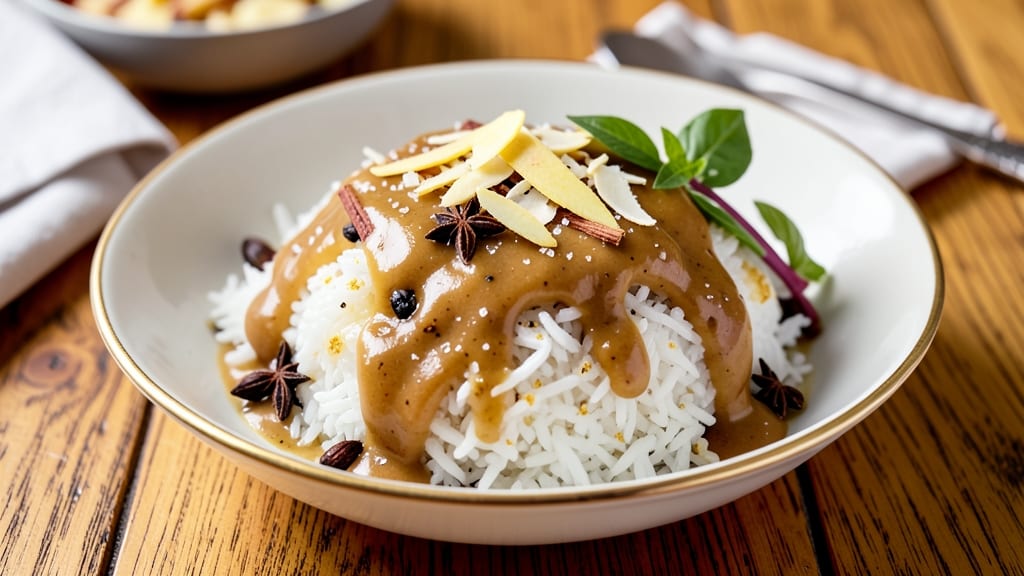
This Burmese coconut rice recipe transforms ordinary jasmine rice into a fragrant, spiced centerpiece that belongs at festive tables. The secret lies in slow-toasting aromatic spices—cardamom, cinnamon, and star anise—before infusing them into rich coconut milk for layers of warmth and depth.
I developed this version after years of studying Burmese home cooking, where this dish isn't just a side but the heart of celebrations.
The process is simpler than it sounds: jasmine rice simmers in coconut milk with toasted spices until each grain absorbs that signature creamy texture and delicate perfume. No special equipment needed—just a heavy pot and patience for the spices to bloom.
The result is rice that's tender yet holds its shape, with every bite releasing those toasty, citrusy notes from the spices.
What makes this dish truly special is its versatility. Serve it alongside grilled fish or chicken for a complete meal, or enjoy it as a standalone centerpiece at gatherings.
The coconut milk adds natural sweetness that balances savory proteins perfectly, while the spices create an aroma that fills your home long before the meal begins.
Perfect for special occasions but easy enough for weeknight dinners, this recipe brings authentic Burmese flavors into your kitchen without requiring exotic ingredients. The key is letting the spices toast properly—this step makes all the difference between ordinary rice and something extraordinary.
Ingredients for burmese coconut rice
Jasmine rice, coconut milk, and toasted spices create this fragrant Burmese centerpiece.
| Ingredient | Amount | Notes |
|---|---|---|
| Jasmine Rice 🍚 | 1 ½ cups | Uncooked, long-grain preferred |
| Coconut Milk 🥥 | 1 can | Full-fat, 13.5 oz can |
| Cardamom Pods 🌿 | 8 whole | Green, lightly crushed |
| Cinnamon Sticks 🌿 | 2 whole | Ceylon preferred |
| Star Anise 🌿 | 2 whole | Lightly crushed |
| Ginger Root 🧅 | 1 tbsp | Fresh, grated |
| Garlic Cloves 🧄 | 4 cloves | Peeled, minced |
| Salt 🧂 | 1 tsp | Kosher or sea salt |
| Turmeric Powder 🌶️ | ½ tsp | Freshly ground preferred |
| Vegetable Oil 🫒 | 1 tbsp | Neutral flavor |
| Lemon Juice 🍋 | 1 tbsp | Freshly squeezed |
| Sugar 🍬 | 1 tbsp | Granulated |
The spices are the soul of this dish. Cardamom and star anise should be whole and vibrant—no dusty old jars here. I source mine from Penzeys Spices for the best quality, but the bulk section at Whole Foods works too. Toast them lightly in the oil first (just until fragrant) to release their oils before adding the coconut milk. This step makes all the difference. For cinnamon, Ceylon sticks have a more delicate flavor than cassia, but either works. Ginger and garlic should be fresh—no powdered shortcuts here.
No cardamom? Allspice berries at half the amount add warmth, though it won't be identical. Star anise missing? 1 tsp anise extract works in a pinch, but toasted fennel seeds are closer. The coconut milk can be light, but full-fat delivers richer flavor. Substituting with evaporated milk won't give that signature creamy texture. For the sugar, palm sugar or coconut sugar adds authentic depth, but regular granulated works fine. The jasmine rice? If you can't find it, bombay basmati is the next best thing—just rinse it well first.
Toasted spices lose potency quickly, so store them in a dark glass jar away from light. Fresh ginger and garlic keep 1 week in the fridge wrapped tightly. The cooked rice reheats beautifully—just add a splash of water or coconut milk to restore creaminess. For make-ahead prep, cook the rice completely, then refrigerate for up to 3 days. Reheat gently on low, covered, to preserve that delicate aroma. The spices will mellow slightly over time, but the coconut milk keeps it luscious.
Why You'll Love This Recipe
- Few-Step Magic: I swear, this takes less effort than ordering takeout. Rinse the jasmine rice, simmer it in coconut milk with those whole spices—cardamom, cinnamon, star anise—then let it sit while you toss a salad or chop veggies. The spices infuse effortlessly, no stirring required.
- Spice-Soaked Creaminess: That first bite? Warm, fragrant coconut milk clinging to perfectly tender rice, with cardamom’s floral punch and cinnamon’s whisper of warmth. It’s like a hug in a bowl—sweet, earthy, and just spicy enough to linger.
- Lunchbox Hero: Between us, this is my go-to for packed lunches. The rice stays fluffy for days, and the coconut aroma keeps it from tasting stale. Add a fried egg or store-bought curry, and you’ve got a meal that’ll make you the office favorite.
- Budget Luxury: Coconut milk is cheap in cans, and whole spices last forever. A single batch feeds four, and leftovers reheat like a dream—no soggy rice here. Honestly, it’s the kind of dish that makes grocery day feel like a victory.
Step-by-step instructions for Burmese coconut rice
This fragrant Burmese coconut rice delivers aromatic depth through careful spice toasting and balanced coconut infusion.
Toast the Whole Spices Until Fragrant
Heat a dry skillet over medium heat and add the 8 whole cardamom pods, 2 whole cinnamon sticks, and 2 whole star anise. Toast for 2-3 minutes until the spices release their essential oils and fill your kitchen with warm, earthy aroma. You'll see the cardamom pods begin to puff slightly and the cinnamon sticks darken at the edges.
This toasting step is critical—it deepens the flavor profile by unlocking the spices' natural oils. Don't walk away; watch closely as they can burn quickly. Once they're fragrant and just beginning to darken, remove them from heat and set aside in a small bowl. You'll use these toasted spices later to infuse the coconut milk.
Infuse the Coconut Milk with Spices and Aromatics
In the same skillet (no need to clean it—the flavor compounds are valuable), add the 1 tablespoon vegetable oil and heat over medium-low heat. Add the 1 tablespoon grated ginger root and 4 minced garlic cloves, cooking for 1-2 minutes until the ginger loses its raw bite and the garlic becomes golden around the edges.
Pour in the 1 can coconut milk, add the toasted spices, 0.5 teaspoon turmeric powder, and 1 teaspoon salt. Bring to a gentle simmer and cook for 8-10 minutes, stirring occasionally. The mixture should reduce slightly and develop a rich, golden hue from the turmeric and caramelized aromatics. Strain through a fine-mesh sieve into a clean bowl, pressing gently on the spices to extract all their flavor.
Prepare and Parboil the Jasmine Rice
Rinse the 1.5 cups jasmine rice in a fine-mesh strainer under cold water until the water runs clear. This removes excess starch that would make the rice gummy. Transfer the rice to a pot with a tight-fitting lid and add 1 cup water (measured separately). Bring to a boil over high heat, then immediately reduce to a simmer.
Cover and cook for 5 minutes on the simmer. This parboiling step is essential—it softens the rice slightly before the coconut milk infusion, ensuring even cooking and preventing dryness. After 5 minutes, drain any excess water through the lid's steam vent, then return the rice to the pot.
Combine Rice with Coconut Infusion
Pour the strained coconut milk mixture over the parboiled rice, stirring gently to combine. Add the 1 tablespoon sugar and 1 tablespoon lemon juice, then return the lid to the pot. Cook over low heat for 15-18 minutes, maintaining a gentle simmer. The rice should absorb the coconut milk and develop a creamy, fragrant texture.
Here's the thing—don't peek or lift the lid during cooking. Each time you do, you release steam and disrupt the cooking process, potentially leaving the rice undercooked or dry. After 15 minutes, check the rice: it should be tender with a slight bite, and the liquid should be mostly absorbed. If there's still liquid, cover and cook for another 2-3 minutes on the lowest heat setting.
Rest and Fluff for Perfect Texture
Once the rice is tender and the liquid is absorbed, remove the pot from heat and let it sit covered for 5 minutes. This resting period allows the steam to redistribute, ensuring each grain is perfectly infused with coconut flavor. After resting, fluff the rice gently with a fork, separating the grains while leaving them slightly sticky.
Serve immediately while still warm. The finished rice should have a delicate golden hue from the turmeric, with subtle flecks of toasted spices visible throughout. Each bite should deliver a harmonious blend of coconut creaminess, floral jasmine aroma, and warm spice notes. For extra brightness, drizzle with a little more lemon juice before serving.
Pro Tips For Making Burmese Coconut Rice
- Bloom the Spices First: Toast the whole cardamom pods and star anise in a dry pot for 30 seconds until fragrant—this unlocks their flavor instead of letting them sit blandly in the coconut milk. I used to skip this, and the dish always tasted like it was missing something.
- Rinse Rice Twice, Then Soak: Jasmine rice absorbs water like a sponge, so rinse it twice until the water runs clear, then soak for 20 minutes before cooking. This prevents gummy rice and ensures each grain stays distinct—no one wants mushy coconut rice.
- Simmer, Don’t Boil: After adding the coconut milk, keep the heat low and let it bubble gently. Boiling too hard breaks down the coconut flavor and makes the rice dry out faster—this is the thing that matters most for creamy texture.
- Use Two Cans of Milk: One can of coconut milk isn’t enough—split the can and use both the thick cream and the watery part. The water thins the richness, balances the spices, and keeps the rice from turning into a gluey mess. (Yes, even if you’re impatient like me.)
Essential equipment for this dish
Heavy-Bottomed Pot
Invest in a 5-6 quart heavy-bottomed pot with a tight-fitting lid—this is non-negotiable for even heat distribution. I use my All-Clad stainless steel pot because it prevents hot spots that can burn the rice or scorch the coconut milk.
A Le Creuset Dutch oven also works beautifully if you want that signature enamel finish. Avoid thin aluminum pots—they heat unevenly and can leave you with dry rice or scorched milk. 🌡️
Fine-Mesh Sieve
A fine-mesh sieve is essential for straining the spiced coconut milk without losing any of those precious flavor oils. I prefer the OXO Good Grips model because it’s durable and has a comfortable handle.
The holes should be small enough to catch even the tiniest spice particles—this ensures your rice gets all the aromatic depth. If you don’t have one, a cheesecloth works in a pinch, but it requires more effort to press out the liquid.
Skillet for Spice Toasting
Use a 10-inch cast iron skillet or a stainless steel sauté pan for toasting the whole spices. Cast iron retains heat beautifully and adds a subtle depth to the spices, while stainless steel heats up faster and is easier to clean.
Avoid non-stick pans—they can’t handle the high heat needed to properly toast the spices. My Lodge cast iron skillet has been my go-to for years, and it’s still going strong. 🔥
Measuring Cups and Spoons
Precision matters with this recipe, so use dry measuring cups for the rice and liquid measuring cups for the coconut milk and water. I recommend OXO stainless steel measuring cups—they’re accurate and easy to read.
For spices, a small spice scoop or 1/8 teaspoon measure ensures you don’t overdo it. A kitchen scale isn’t necessary, but if you have one, it’s great for measuring the sugar and turmeric powder for consistency.
Wooden Spoon or Rice Paddle
A wooden spoon or silicon rice paddle is ideal for stirring the rice and coconut milk without scratching your pot. Wooden spoons distribute heat evenly and won’t react with the acidic lemon juice or coconut milk.
Avoid metal utensils—they can scratch non-stick coatings or, in the case of stainless steel, create hot spots. I keep a bamboo rice paddle handy specifically for this dish because it’s gentle and effective. ✨
Optional: Immersion Blender
If you prefer a smoother texture for your coconut milk infusion, an immersion blender can help break down the spices slightly for a more uniform consistency. I don’t use one myself—I love the subtle texture from whole spices—but it’s a great tool if you’re serving this to picky eaters.
Just blend the strained coconut milk for 10-15 seconds after straining to soften the spice particles. A Ninja immersion blender is affordable and easy to clean.
Nutrition facts
Frequently asked questions
Why does this recipe use whole spices instead of ground ones?
Whole spices toast beautifully and release their essential oils more effectively than pre-ground versions. The toasting step creates deep, aromatic layers that ground spices can't match. Plus, you can remove the spices after infusion, leaving just the perfect amount of flavor without bitterness.
Can I make this coconut rice without a heavy-bottomed pot?
You can try, but your results may vary. Thin pots can cause uneven cooking, leading to dry spots or scorched coconut milk. If you must use what you have, reduce heat to low and stir gently every 2 minutes to distribute heat. A stainless steel saucepan works better than aluminum.
What's the best way to store leftover coconut rice?
Store in an airtight container in the fridge for up to 3 days. Reheat gently with a splash of water or coconut milk to restore creaminess. For longer storage, freeze for up to 1 month—thaw overnight in the fridge before reheating. The spices mellow slightly when reheated, but the coconut flavor remains rich.
How can I adjust this for a vegetarian version?
This dish is already vegetarian! For extra protein, pair it with tofu or chickpeas cooked with turmeric and cumin. Garnish with fresh herbs like cilantro or Thai basil to brighten the coconut flavors. The recipe naturally complements plant-based proteins beautifully.
Can I substitute coconut milk with another dairy product?
Not recommended—coconut milk provides both creaminess and subtle sweetness that's essential to the dish. The closest alternative is evaporated milk, but it won't replicate the authentic texture. For a dairy-free option, use full-fat coconut cream instead of regular coconut milk for even richer flavor.