
Main Courses
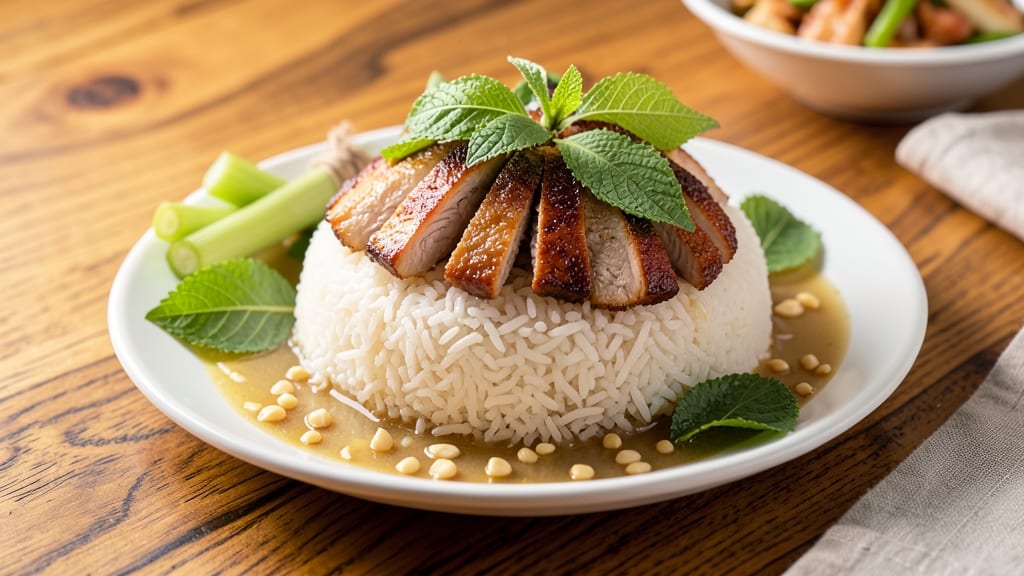
This Burmese rice recipe transforms simple jasmine rice into a fragrant, aromatic centerpiece with tender spiced pork—just like the dishes served in Myanmar's bustling restaurants. 🌟 The secret lies in slow-cooking the pork with traditional spices until it's melt-in-your-mouth tender, then serving it over perfectly fluffy rice infused with lemongrass and kaffir lime leaves.
The result is a harmonious balance of textures and flavors: silky rice with subtle citrus notes, paired with rich, spiced pork that stays moist and flavorful. This dish captures the essence of Burmese home cooking, where rice isn't just a side but the heart of every meal.
Ready in about 45 minutes, it's perfect for weeknight dinners or special gatherings.
Ingredients for burmese rice
Jasmine rice, fragrant spices, and tender pork create this authentic Burmese masterpiece.
| Ingredient | Amount | Notes |
|---|---|---|
| Jasmine Rice 🍚 | 1 ½ cups | Uncooked, long-grain preferred |
| Pork Shoulder 🐷 | 1 ½ lb | Bone-in, cut into 1-inch cubes |
| Fresh Lemongrass 🌿 | 1 whole | Lower stems only, bruised slightly |
| Kaffir Lime Leaves 🍋 | 4 whole | Fresh, stems removed |
| Garlic Cloves 🧄 | 6 cloves | Peeled, smashed |
| Galangal 🍎 | ½ cup | Fresh, peeled, sliced thin |
| Fish Sauce 🍶 | 2 tbsp | Red Boat preferred |
| Coconut Milk 🥥 | 1 can (13.5 oz) | Full-fat, no additives |
| Turmeric Powder 🌶️ | 1 tsp | Freshly ground preferred |
| Coriander Seeds 🌿 | 1 tsp | Toasted lightly |
| Cumin Seeds 🌿 | ½ tsp | Toasted lightly |
| Salt 🧂 | 1 ½ tsp | Diamond Crystal preferred |
| Black Peppercorns 🌶️ | ½ tsp | Freshly cracked |
| Vegetable Oil 🫒 | 3 tbsp | High smoke point |
| Brown Sugar 🍯 | 1 tbsp | Lightly packed |
The pork shoulder is the foundation—bone-in cuts stay juicier during slow cooking. Look for well-marbled pieces at Asian markets or high-quality butchers; pre-cut cubes save time but cost more. Fresh galangal and kaffir lime leaves are essential for authentic flavor—substitute with ginger and lime zest if unavailable, though the dish will differ. For lemongrass, select stalks with vibrant green tops and firm, white lower stems. If you can't find galangal, ginger at half the amount works in a pinch, though it lacks the citrusy depth. Toast your coriander and cumin seeds in a dry pan for 30 seconds—they'll release their aromatic oils immediately.
Fish sauce is non-negotiable here; Red Boat or Tiparos brands deliver the umami depth Burmese cuisine demands. If you must substitute, use soy sauce at half the amount, but the flavor profile will shift noticeably. Coconut milk should be full-fat—light versions lack richness. For the rice, jasmine varieties with a distinct fragrance yield the best results; Thai brands are widely available in most grocery stores. The brown sugar adds subtle sweetness, balancing the dish's complexity—white sugar works equally well. When measuring spices, use a fine-mesh strainer to avoid clumping, which affects flavor distribution.
Lemongrass and kaffir lime leaves can be prepped ahead—wrap in damp paper towels and refrigerate for up to 5 days. The pork marinade keeps for 2 days in the fridge, though flavors meld best when cooked immediately. Store cooked rice in an airtight container with a paper towel pressed on top to prevent sogginess for up to 3 days. For longer storage, freeze portions in single-serving containers for 3 months. Reheat gently with a splash of water to restore moisture—microwaving dries out the rice. The spiced pork reheats beautifully, making this an ideal meal-prep dish for busy weeks.
Why You'll Love This Recipe
- One-Pot Magic: I swear by this—just brown the pork, toss in the lemongrass and lime leaves, then let the rice soak up all that flavor. No extra pots, no fuss, and the garlic? Oh, it caramelizes into pure goodness.
- Herb Bomb Flavor: That combo of crushed garlic, bruised kaffir lime leaves, and lemongrass? It’s like a secret weapon. The pork gets tender, the rice fragrant, and every bite tastes like a little vacation.
- Leftovers That Win: Between us, this dish only gets better the next day. The rice softens just right, the pork stays juicy, and I’ve reheated portions for lunch without anyone complaining—honestly, that’s a rare feat.
- Budget Crowd-Pleaser: Pork shoulder stretches for miles, and jasmine rice fills bowls without breaking the bank. Serve it at a potluck, a family dinner, or even a lazy Sunday—it’s the kind of dish that makes people ask for seconds.
Step-by-step instructions for Burmese jasmine rice with spiced pork
Master this aromatic Burmese dish where fragrant rice meets tender, spiced pork in perfect harmony.
🍳 Step 1: Prepare the Pork and Spice Paste
In a food processor, combine the 1 whole fresh lemongrass (lower stems only), 4 whole kaffir lime leaves, 6 cloves garlic, 0.5 cup galangal, 1 tsp toasted coriander seeds, 0.5 tsp toasted cumin seeds, 1 tsp turmeric powder, 0.5 tsp cracked black peppercorns, and 1.5 tsp salt. Pulse until you achieve a coarse paste texture—this will carry all the complex Burmese flavors.
Heat 3 tbsp vegetable oil in a large pot over medium-high heat. Add the 1.5 lb pork shoulder cubes and sear until they develop a deep golden crust on all sides, about 5-6 minutes. Remove the pork and set aside. In the same pot, add the spice paste and cook for 2 minutes until fragrant and slightly darkened.
🍳 Step 2: Build the Pork-Coconut Milk Base
Return the seared pork to the pot and add 1 can (13.5 oz) full-fat coconut milk and 1 tbsp brown sugar. Stir well to combine, then reduce heat to low. Cover and simmer for 45-50 minutes, stirring occasionally, until the pork is fork-tender and the sauce has thickened to a rich consistency.
Here's the thing—don't rush this step. The pork needs time to absorb all those aromatic spices while the coconut milk reduces into a velvety sauce. You'll know it's ready when the pork pulls apart easily and the sauce coats the back of a spoon. If the sauce reduces too much, add 2-3 tablespoons of water to maintain balance.
👨🍳 Step 3: Cook the Jasmine Rice to Perfection
While the pork simmers, rinse the 1.5 cups jasmine rice under cold water until the water runs clear. This removes excess starch that would make the rice mushy. In a separate pot, combine the rinsed rice with 2 cups water and 2 tbsp fish sauce. Bring to a boil, then reduce heat to low, cover tightly, and simmer for 15 minutes without lifting the lid.
The rice should absorb all the liquid and develop a delicate floral aroma. If you peek too early, steam escapes and you risk uneven cooking. After 15 minutes, turn off the heat and let the rice steam undisturbed for another 10 minutes. This resting period allows the grains to fully plump and develop their signature fragrance.
🥘 Step 4: Combine and Serve with Authentic Balance
Fluff the cooked rice gently with a fork, then transfer it to a large serving platter. Create a well in the center and pour the pork-coconut milk mixture into the depression. The contrast of fragrant rice with the rich, spiced pork creates the perfect Burmese dining experience.
For optimal presentation, garnish with additional kaffir lime leaves and a sprinkle of cracked black pepper. Serve immediately while the pork is still tender and the rice maintains its delicate texture. The aromatic balance of citrusy kaffir lime, earthy galangal, and sweet coconut milk will transport you to Myanmar with every bite.
Pro Tips For Making Burmese Rice
- CHAR THE PORK LOW: After burning three batches of pork shoulder in a rush, I learned this: sear it first over medium heat until deeply browned, then lower to a gentle simmer. The Maillard reaction kicks in early, but you’ll need 45-60 minutes of low-and-slow to render fat and tenderize—no shortcuts here.
- SLICE LEMONGRASS THIN: I used to bash the whole stalk and wonder why the flavor was muted. Instead, slice the lemongrass into 1-inch pieces—this releases the citrusy oils into the broth without turning it bitter. (Yes, even if you’re impatient like me.)
- DON’T SKIP THE KAFFIR INFUSION: Toss the lime leaves into the broth before adding the pork, not after. They’ll steep quietly, infusing that bright, herbal note that separates this dish from generic stir-fry. If you’re out of leaves, freeze the zest of 2 limes as a last resort—but it won’t be the same.
- RICE AT 1:1.5 RATIO: Jasmine rice needs more water than you think—1.5 cups liquid per cup of rice, not the 1:1 ratio you’d use for basmati. Cover it tight, then let it steam off heat for 10 minutes. I learned this the hard way when my rice turned out gummy. (Your future self will thank you.)
Pro cooking tips for great burmese rice
Spice Paste Mastery
Toast your coriander seeds and cumin seeds in a dry skillet for 30 seconds until fragrant—this unlocks their full aromatic potential. Use a mortar and pestle instead of a food processor for the spice paste if you want deeper flavor development.
I like to add 1 tsp brown sugar to the paste to balance the heat and enhance caramelization during cooking. 🌶️
Pork Searing Secrets
Don’t overcrowd the pan when searing the pork—work in 2 batches if needed to ensure a proper Maillard reaction. The goal is a deep golden crust, not charred bits.
After searing, wipe out the pot with a paper towel to remove any fond before adding the spice paste—this prevents bitterness in your sauce. 🔥
Low-and-Slow Pork Cooking
Keep the pork at a gentle simmer (190-200°F) for maximum tenderness. If the sauce reduces too quickly, add 2 tbsp water at a time rather than all at once.
I like to check doneness by inserting a meat thermometer into the thickest piece—it should read 203°F for perfect pull-apart texture. 🌡️
Rice Perfection
Rinse the jasmine rice until the water runs completely clear—this removes excess starch that would make your rice gummy. For extra fragrance, add 1 bruised kaffir lime leaf to the cooking water.
After the initial 15 minutes of simmering, let the rice steam undisturbed for 10 minutes—this resting period is non-negotiable for fluffy, separate grains. ⏳
Fish Sauce Substitutes
If you can’t find Red Boat fish sauce, use soy sauce at half the amount, but expect a saltier, less umami result.
For a vegetarian version, replace the pork with extra-firm tofu (pressed and cubed) and increase the fish sauce to 3 tbsp to compensate for the lack of meaty depth. 🥗
Garnish Like a Pro
Fresh kaffir lime leaves and cracked black pepper aren’t just for looks—they add layers of citrusy brightness and a subtle kick. For a restaurant-worthy touch, drizzle with chili oil (mix 2 tbsp vegetable oil with ½ tsp red chili flakes) before serving.
This adds heat and visual appeal without overpowering the dish. 🌟
Nutrition facts
Frequently asked questions
Can I substitute chicken or tofu for the pork in this Burmese rice dish?
For chicken, use 1.5 lbs boneless thighs (they stay juicier than breasts) and reduce cooking time to 30-35 minutes. For tofu, opt for extra-firm blocks pressed for 30 minutes, cubed, and pan-fried until golden before adding to the coconut milk. Increase fish sauce to 3 tbsp for vegetarian depth.
What makes Burmese jasmine rice different from Thai jasmine rice?
Burmese jasmine rice has a slightly stickier texture and more pronounced floral aroma due to longer grain varieties like Hin Kyar. Thai jasmine is lighter and fluffier. For this recipe, use Burmese-style jasmine if available, or look for Thai premium brands labeled "fragrant rice." The key is rinsing until water runs clear to preserve fragrance.
How do I find galangal and kaffir lime leaves if my store doesn't carry them?
Galangal can be substituted with ginger at half the amount, though it lacks citrusy depth. For kaffir lime leaves, use lime zest + 1 tsp lime juice per leaf, but the aroma won't be identical. Check Asian markets or order online—they're essential for authentic flavor. If unavailable, lemon verbena (dried) can mimic some citrus notes.
Can I make this dish in an Instant Pot or rice cooker?
Yes! For the pork: Sear as directed, then cook on high pressure for 25 minutes with coconut milk. For rice: Use the white rice setting with 2 cups water + 2 tbsp fish sauce. The Instant Pot's steam will develop fragrance faster, but monitor rice doneness—it may finish 5 minutes early. Let rice rest 10 minutes off heat before serving.
What's the best way to reheat leftover Burmese rice and pork?
Gently reheat pork in a skillet with 1 tbsp coconut milk over low heat for 3-4 minutes until warmed through. For rice, spread on a microwave-safe plate with a damp paper towel over it, then heat in 30-second bursts. Avoid reheating in water—it turns rice mushy. Store components separately for best texture.