
Side Dishes
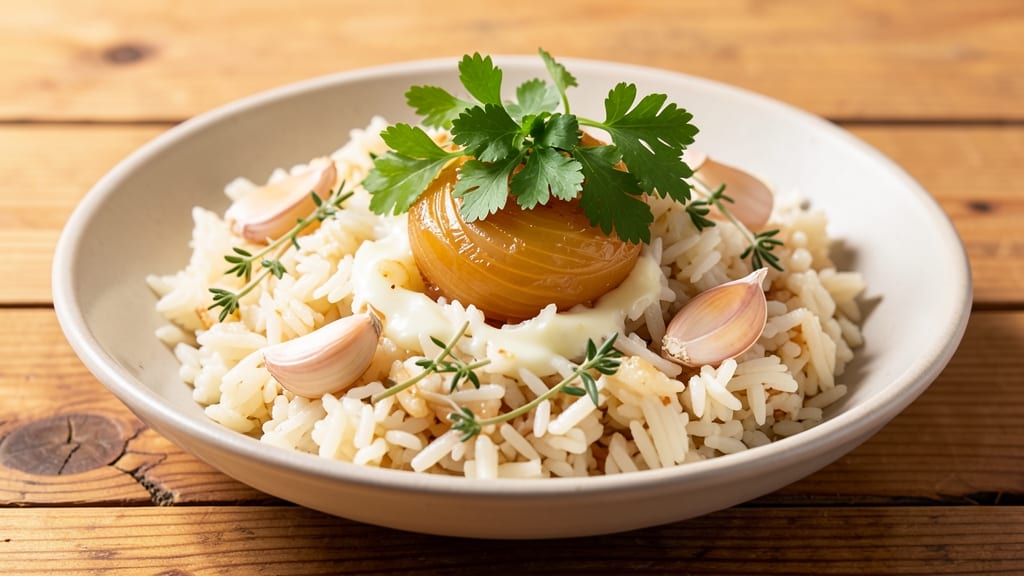
This buttery rice pilaf recipe transforms simple grains into golden, fragrant luxury with just a few key techniques. The secret lies in perfectly toasted aromatics and layers of buttery richness that elevate every bite—ideal for pairing with roasted meats or serving as a standalone centerpiece.
I've perfected the balance between crispy edges and tender centers, ensuring each grain stays distinct and flavorful.
Start with long-grain rice rinsed until the water runs clear, then sauté onions, garlic, and herbs in butter until deeply aromatic. The rice cooks in a rich broth mixture, absorbing flavors as it steams to perfection.
A final rest under a towel ensures even moisture distribution, resulting in a dish that's both visually stunning and irresistibly buttery.
Ingredients for buttery rice pilaf
Golden grains and aromatic butter create this luxurious pilaf—simple yet restaurant-worthy.
| Ingredient | Amount | Notes |
|---|---|---|
| Long-Grain White Rice 🍚 | 1 ½ cups | Uncooked, rinsed until water runs clear |
| Unsalted Butter 🧈 | ½ cup | Cold, cut into small cubes |
| Yellow Onion 🧅 | 1 whole | Medium size, thinly sliced |
| Garlic Cloves 🧄 | 4 cloves | Fresh, minced finely |
| Fresh Parsley 🌿 | ¼ cup | Stems removed, chopped |
| Fresh Thyme 🌿 | 1 tbsp | Leaves only, chopped |
| Chicken Broth 💧 | 2 cups | Low-sodium preferred |
| Dry White Wine 🍷 | ½ cup | Substitute with extra broth |
| Salt 🧂 | 1 ½ tsp | Kosher or sea salt |
| Black Pepper 🌶️ | ½ tsp | Freshly ground |
| Bay Leaves 🌿 | 2 whole | Removed before serving |
| Extra-Virgin Olive Oil 🫒 | 1 tbsp | For finishing drizzle |
The rice is the foundation, so choose long-grain white rice—it stays fluffy and distinct. Rinse it thoroughly until the water runs clear; this removes excess starch and prevents gummy texture. For the butter, Land O’Lakes or Plugrá work perfectly, but any high-quality unsalted butter will do. The key to toasted aromatics lies in the onions and garlic—sauté them slowly in butter until deeply golden, almost caramelized. This step builds the pilaf’s rich, buttery depth. Fresh herbs like parsley and thyme should be vibrant; if they’re wilted, skip them or use dried at one-third the amount.
No white wine? Chicken broth with a splash of apple cider vinegar mimics the acidity and depth. For a vegetarian version, swap the chicken broth for vegetable broth and add a pinch of nutritional yeast for umami. The bay leaves add subtle earthiness, but if you’re missing them, dried oregano at half the amount works in a pinch. Salt and pepper are essential—Diamond Crystal kosher salt is ideal, but any fine sea salt works. The olive oil finishing drizzle should be extra-virgin for that fruity, peppery note that brightens the dish. If you’re short on time, use melted butter instead, but the olive oil adds a sophisticated touch.
This pilaf tastes even better the next day as flavors meld. Store it in an airtight container in the fridge for up to 4 days, or freeze for 3 months in a sealed container. To reheat, sprinkle a few drops of water or broth over the rice and warm gently on the stove or microwave. For serving, a final drizzle of olive oil or melted butter keeps it luscious. Double the recipe—it’s perfect for meal prep and reheats beautifully.
Why You'll Love This Recipe
- The secret’s in the layers: crispy edges from toasted butter, sweet caramelized onions, and bright parsley cutting through. It’s the kind of dish that makes you pause mid-bite—like a fancy restaurant trick, but with ingredients from your pantry.
- One-Pot Magic: I swear by this recipe when I’m too tired to wash dishes. Sauté onions and garlic in butter, add rice, broth, and let it simmer—no straining, no fuss. That golden crust at the bottom? Pure reward for minimal effort.
- Butter So Good: The secret’s in the layers: crispy edges from toasted butter, sweet caramelized onions, and bright parsley cutting through. It’s the kind of dish that makes you pause mid-bite—like a fancy restaurant trick, but with ingredients from your pantry.
- Lunchbox Hero: Between us, this pilaf is my go-to for meal prep. Stays fluffy for days, reheats beautifully, and pairs with everything—grilled chicken, roasted veggies, or even just a fried egg. Pack it cold or warm, and you’ve got lunch sorted.
Step-by-step instructions for buttery rice pilaf
Transform simple ingredients into restaurant-quality pilaf with this precise method.
Toast the Aromatics in Butter
Melt the 0.5 cup unsalted butter in a large skillet over medium heat. Add the 1 whole yellow onion and cook for 5-6 minutes until softened and translucent. The onions should release their sweet aroma and begin to caramelize slightly at the edges.
Add the 4 cloves garlic cloves and cook for 1 minute until fragrant. Don't let the garlic brown—just warm through. Remove the skillet from heat and stir in the 1 tbsp fresh thyme leaves. This step builds the aromatic base that carries through the entire dish, so take your time and don't rush the process.
Sauté the Rice Until Translucent
Return the skillet to medium heat and add the 1.5 cups long-grain white rice. Stir constantly for 3-4 minutes until each grain becomes translucent at the edges. The rice should look dry but slightly glossy from the butter.
This step is crucial—it prevents mushy rice by creating a light crust on each grain. If the rice starts to stick, reduce heat slightly and continue stirring. You'll know it's ready when the grains look opaque and separate easily from each other.
Deglaze with Wine and Add Broth
Pour in the 0.5 cup dry white wine and scrape up any browned bits from the bottom of the pan. Let it simmer for 2-3 minutes until mostly evaporated. This deglazing step adds depth of flavor that plain broth can't provide.
Add the 2 cups chicken broth, 1.5 tsp salt, 0.5 tsp black pepper, and 2 whole bay leaves. Bring to a gentle boil, then reduce heat to low until you see small bubbles forming at the edges. The liquid should just barely cover the rice.
Simmer Covered Until Tender
Cover the skillet tightly with a lid and simmer for 15 minutes over low heat. Don't peek or stir—this allows the rice to steam evenly and develop its signature texture. After 15 minutes, check for doneness by inserting a fork into the center.
The rice should be tender but still have a slight bite. If it's not quite done, cover and cook for another 2-3 minutes. The grains should be separate and fluffy, not sticky or undercooked. This is where patience pays off—rushing leads to mushy results.
Finish with Parsley and Olive Oil
Remove from heat and let sit covered for 5 minutes. Stir in the 0.25 cup fresh parsley and 1 tbsp extra-virgin olive oil. The parsley adds freshness while the olive oil enhances the buttery richness. Fluff the rice gently with a fork to separate the grains.
Serve immediately while still hot. The pilaf should have a golden hue from the toasted aromatics, tender but distinct rice grains, and a luxurious buttery finish. Each bite should deliver perfect texture with layers of savory, herby, and slightly sweet flavors.
Pro Tips For Making Buttery Rice Pilaf
- TOAST THE ONIONS LOW: I learned this the hard way—cranking the heat too high on the onions turns them bitter before they even soften. Keep it at medium-low and stir every 30 seconds until they’re golden and translucent, not brown. That’s when the real flavor starts developing.
- USE COLD RICE: Skip rinsing the rice first—it washes away the starch that makes pilaf creamy. Instead, spread the dry rice in a single layer on a baking sheet and toast it in the oven at 350°F for 5 minutes. This gives you that nutty, buttery base without burning it.
- SALT THE WATER: Add a pinch of salt to the water before bringing it to a boil—it dissolves faster and seasons the rice evenly. Trust me, unsalted butter alone won’t cut it if the rice tastes bland. Half a teaspoon works for 2 cups of water.
- PARSLEY LAST MINUTE: Chop the parsley after the rice is off the heat—it wilts instantly and turns mushy if added too early. A handful of fresh parsley brightens the dish, but if you’re short on time, a teaspoon of dried parsley (added at the end) won’t ruin it. Just don’t skip it entirely.
Wine and beer pairings for buttery rice pilaf
White Wine Pairings
A crisp Sauvignon Blanc from New Zealand or Loire Valley is my go-to pairing—its bright acidity and citrus notes cut through the buttery richness beautifully. Look for wines with 12-13% ABV and flavors of grapefruit and green apple.
I recommend Cloudy Bay Sauvignon Blanc or Oyster Bay for that perfect balance. 🍷
For something slightly richer, try a dry Riesling from Germany or Alsace. The wine's natural sweetness complements the pilaf's buttery depth while its acidity keeps your palate refreshed. Dr. Loosen Blue Slate Riesling is a fantastic choice with its peach and mineral notes.
Light Beer Options
A pilsner-style beer like Heineken or Stella Artois works surprisingly well with this pilaf. The beer's subtle maltiness and crisp finish won't overpower the dish but will enhance the buttery flavors. Serve it chilled to highlight its refreshing qualities.
For craft beer lovers, a Belgian witbier such as Hoegaarden or Blue Moon adds a fun, slightly spicy contrast. The coriander and orange peel notes in these beers complement the pilaf's aromatic herbs and buttery richness. 🍺
Red Wine for Hearty Pairings
If you're serving this pilaf with a red meat main course, a Pinot Noir from Oregon or Burgundy is ideal. Its earthy undertones and soft tannins won't clash with the dish's buttery texture. I love La Crema Pinot Noir for its balance of fruit and earthiness.
For a bolder option, try a light-bodied Syrah from the Rhône Valley. The wine's peppery notes and subtle spice pair wonderfully with the pilaf's thyme and black pepper. Guigal Côtes du Rhône is a reliable choice with its dark fruit flavors.
Non-Alcoholic Options
For a refreshing non-alcoholic pairing, try sparkling apple cider like Martinelli's or Woodchuck Hard Cider. The effervescence cleanses your palate between bites, while the apple flavors complement the pilaf's buttery richness. Serve it well-chilled.
Alternatively, a cucumber-mint infused water with a splash of lemon juice adds a crisp, refreshing contrast. I like to muddle 4 cucumber slices and 3 mint leaves in a pitcher with 1 cup cold water, then top with ½ cup sparkling water and a squeeze of lemon.
This keeps the meal light and refreshing. ✨
Nutrition facts
Frequently asked questions about buttery rice pilaf
Why does my rice pilaf turn out mushy?
Overcooking or stirring too often during simmering are the most common culprits. The rice needs to steam undisturbed for 15 minutes at low heat—peeking too soon releases steam and prevents proper texture. Also, make sure your rice is fully rinsed before cooking to remove excess starch, which causes stickiness.
Can I make this pilaf ahead of time?
This dish actually tastes better the next day as flavors meld. Store it in an airtight container in the fridge for up to 4 days. For reheating, sprinkle a few drops of water or broth over the rice and warm gently on the stove or microwave. The texture will be just as perfect when reheated properly.
What's the best rice for pilaf?
Long-grain white rice is ideal for pilaf because it stays distinct and fluffy. Basmati rice works especially well due to its delicate aroma and separate grains. Avoid short-grain varieties like jasmine—they'll turn out too sticky for this dish. The key is choosing rice that's firm when cooked but still tender.
How can I make this vegetarian?
Swap the chicken broth for vegetable broth and add 1 tsp nutritional yeast for umami depth. You can also boost flavor with ½ tsp smoked paprika or 1 tsp soy sauce instead of salt. The buttery richness remains while making it fully plant-based.
What's the secret to extra buttery flavor?
Use cold butter cubes instead of melted butter for sautéing—this creates better flavor development. For extra richness, finish with an additional 1 tbsp melted butter just before serving. Also, don't skip the wine deglazing step—it adds depth that plain broth can't provide.