
Side Dishes
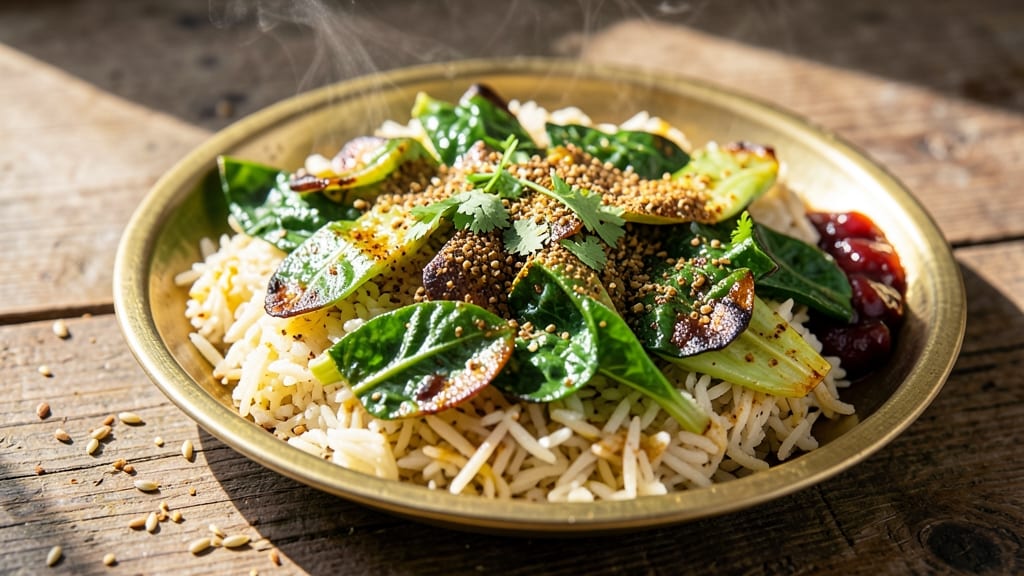
This cabbage rice Indian recipe transforms simple basmati rice into a fragrant, spiced side dish that pairs perfectly with curries or dal. The secret lies in tempering mustard seeds and cumin until they sing, then layering turmeric and garam masala for depth.
Every bite delivers tender cabbage and aromatic rice infused with warm Indian spices.
Start with jeera (cumin) rice cooked in lightly spiced water, then stir-fry cabbage in a mix of turmeric, mustard seeds, and chili until tender-crisp. The result is a balanced dish where the cabbage adds freshness to the richly spiced rice.
Serve with a cooling raita or crisp papad for the full experience.
Ingredients for cabbage rice indian
These aromatic ingredients blend cabbage and basmati rice into a fragrant Indian side dish.
| Ingredient | Amount | Notes |
|---|---|---|
| Basmati Rice 🍚 | 1 cup | Uncooked, long-grain preferred |
| Green Cabbage 🥬 | 4 cups | Shredded, core removed |
| Mustard Seeds 🌶️ | 1 tbsp | Whole, for tempering |
| Cumin Seeds 🌿 | 1 tbsp | Whole, for jeera rice |
| Turmeric Powder 🌿 | ½ tsp | Freshly ground preferred |
| Garam Masala 🌶️ | 1 tsp | Store-bought or homemade |
| Red Chili Powder 🌶️ | ½ tsp | Adjust for heat preference |
| Asafoetida (Hing) 🌿 | ⅛ tsp | Pinch for authentic flavor |
| Ghee 🧈 | 2 tbsp | Clarified butter for cooking |
| Fresh Coriander Leaves 🌿 | ¼ cup | Chopped, for garnish |
| Salt 🧂 | 1 tsp | Adjust to taste |
| Water 💧 | 2 cups | For rice cooking |
The cumin seeds and mustard seeds are the heart of this dish—toast them in ghee until they sizzle for that signature Indian flavor. Whole spices from the bulk section at Indian grocery stores or Penzeys are ideal, but pre-ground works in a pinch. Turmeric should be vibrant yellow—old powder loses potency. Garam masala varies by brand, so MTR or Everest are reliable choices. For cabbage, green or purple varieties both work, but avoid wilted leaves. The ghee adds richness—don't substitute with oil unless it's coconut oil for a dairy-free option.
No mustard seeds? Skip them—the cumin and asafoetida still deliver depth. Short on garam masala? Mix equal parts coriander, cinnamon, and cardamom for a DIY version. Pre-shredded cabbage? Chop it yourself—it cooks faster and stays crisp. The turmeric can be replaced with ½ tsp turmeric powder if fresh isn't available. For heat, red pepper flakes at half the amount work if chili powder isn't on hand. The asafoetida (hing) is non-negotiable for authenticity—substitute with a pinch of garlic powder if unavailable, though the flavor won't be identical.
Rice keeps 3-4 days in the fridge once cooked, but the cabbage should be stir-fried fresh. Portion the cabbage separately if making ahead—it softens faster than the rice. For longer storage, freeze the cooked cabbage in airtight containers for up to 3 months. The ghee can be stored at room temperature, but transfer it to a dark glass jar to preserve its flavor. Garnish with fresh coriander right before serving—it wilts quickly, so add it last.
Why You'll Love This Recipe
- One-Pot Magic: I swear by this recipe when I’m too tired to deal with multiple pans. The cabbage and rice cook together—no extra bowls, no extra stress—just a fragrant, golden dish that smells like home by the time it’s done.
- Golden Crunch Factor: That first bite? The cabbage stays just crisp enough to cut through the fluffy basmati, while the mustard and cumin seeds pop with every chew. Honestly, it’s the kind of flavor that makes you reach for seconds without thinking.
- Lunchbox Hero: Between us, this is my go-to for packed lunches. The rice holds up for days, and the cabbage keeps its texture—no soggy sadness here. My kids actually finish their lunch when this is in there. (Yes, even on a Tuesday.)
- Pocketbook Friendly: A whole head of cabbage and a bag of rice feed my family for weeks—this isn’t just cheap, it’s smart. Plus, turmeric and spices cost pennies but make everything taste like you spent hours in the kitchen. Not the prettiest, but the taste makes up for it.
Step-by-step instructions for cabbage rice Indian recipe
Transform simple ingredients into a fragrant, flavorful dish using these precise techniques.
Temper the Spices in Ghee
Heat 2 tablespoons ghee in a heavy-bottomed pot over medium heat. Add 1 tablespoon mustard seeds and 1 tablespoon cumin seeds simultaneously. Watch closely as they begin to sizzle and pop—this should take about 30 seconds. The seeds will darken slightly and release their nutty aroma.
Once the seeds are lightly browned, add 0.125 teaspoon asafoetida (hing). The pot will fill with a distinct, pungent aroma—this is your signal to proceed. Immediately add 0.5 teaspoon turmeric powder and 0.5 teaspoon red chili powder, stirring constantly for 10 seconds to prevent burning. The spices should blend smoothly into the ghee, creating a fragrant base for your dish.
Add Cabbage and Cook Until Tender
Increase heat to medium-high and add the 4 cups shredded green cabbage to the pot. Stir well to coat the cabbage evenly with the spiced ghee. Cover the pot and let it cook for 8-10 minutes, stirring occasionally. You'll notice the cabbage softening and releasing moisture—this is normal and helps create a tender texture.
After 8 minutes, uncover the pot and reduce heat to medium-low. Continue cooking for another 3-4 minutes until the cabbage is completely tender but not mushy. The cabbage should be bright green with no crisp edges remaining. This step is crucial—overcooking will make the cabbage watery, while undercooking leaves it crunchy.
Prepare the Rice Separately
In a separate pot, rinse the 1 cup basmati rice under cold water until the water runs clear. This removes excess starch and prevents the rice from becoming gummy. Drain well and add the rice to a pot with 2 cups water. Bring to a boil over high heat, then immediately reduce to low heat, cover tightly with a lid, and simmer for 12-15 minutes.
Do not peek or stir during cooking—this disrupts the cooking process and can lead to unevenly cooked rice. When the time is up, turn off the heat and let the rice sit covered for 5 minutes. The steam will finish cooking the rice perfectly, resulting in fluffy, separate grains. Fluff the rice gently with a fork before combining with the cabbage.
Combine Cabbage and Rice
Add the cooked rice to the pot with the cabbage. Stir gently to combine, ensuring the rice absorbs some of the cabbage's flavorful juices. Sprinkle 1 teaspoon garam masala and 1 teaspoon salt over the mixture. Taste and adjust the salt if needed—Indian dishes often rely on well-seasoned flavors.
Gently fold the mixture together, being careful not to mash the rice. The combination should be vibrant green with visible cabbage pieces scattered throughout. If the mixture appears dry, add 1-2 tablespoons water and stir gently. The final texture should be moist but not soupy, with each grain of rice distinct and tender.
Garnish and Serve
Transfer the cabbage rice to a serving dish and garnish with 0.25 cup chopped fresh coriander leaves. The bright green color of the coriander contrasts beautifully with the yellow-green cabbage and rice, adding both visual appeal and freshness. Serve immediately while still warm for the best texture and flavor.
This dish pairs perfectly with yogurt, raita, or a simple cucumber salad. The aromatic spices and tender cabbage create a balanced, satisfying meal that highlights the simplicity of Indian home cooking. Each bite should deliver a harmonious blend of spicy, earthy, and fresh flavors—exactly what makes this cabbage rice so special.
Pro Tips For Making Cabbage Rice Indian
- SOAK RICE 20 MINUTES: DESCRIPTION:
- CHOP CABBAGE SMALL: DESCRIPTION:
- TEMPER SPLUTTER FIRST: DESCRIPTION:
- STIR LATE IN COOKING: DESCRIPTION:
Best sauces and condiments for this dish
Coconut Milk Sauce
Transform your cabbage rice into a creamy delight by adding ½ cup coconut milk to the stir-fried cabbage in the final 2 minutes of cooking. The coconut milk softens the cabbage further while adding a subtle sweetness that balances the spices.
For extra richness, stir in 1 tablespoon ghee with the coconut milk. Garnish with toasted coconut flakes for texture and a tropical twist. 🥥
Mint-Coriander Chutney
Elevate your dish with a fresh mint-coriander chutney—blend ½ cup cilantro, ¼ cup mint leaves, 1 green chili, 1 tablespoon lemon juice, and 1 tablespoon yogurt until smooth.
Drizzle this vibrant green chutney over the cabbage rice just before serving. The cooling yogurt and bright herbs cut through the spice beautifully, adding a refreshing contrast.
Tamarind Glaze
For a tangy-sweet balance, prepare a quick tamarind glaze by simmering 2 tablespoons tamarind paste with 2 tablespoons sugar and 1 tablespoon water for 5 minutes. Stir this glaze into the cabbage rice during the last 2 minutes of cooking.
The tamarind enhances the dish’s depth, making it perfect for serving with roti or naan. Adjust sweetness to taste—this works especially well with milder spice levels.
Spicy Tomato Onion Sauce
Sauté 1 finely chopped onion and 2 minced garlic cloves in 1 tablespoon ghee until golden. Add ½ cup diced tomatoes, ½ teaspoon cumin seeds, and ¼ teaspoon turmeric, cooking until the tomatoes soften.
Blend into a smooth sauce, then stir into the cabbage rice during the final 3 minutes of cooking. This adds a vibrant, tangy kick that pairs wonderfully with the cabbage’s earthy flavor. 🌶️
Yogurt-Based Raita
While not a sauce, a cooling yogurt raita is a must for balancing the spice. Mix 1 cup yogurt with 1 tablespoon chopped mint, 1 tablespoon chopped cilantro, ½ teaspoon roasted cumin powder, and a pinch of salt.
Serve this creamy raita on the side to refresh your palate with every bite. The yogurt’s tanginess complements the cabbage rice’s richness perfectly.
Nutrition facts
Frequently asked questions
Can I use brown rice instead of basmati for this Indian cabbage rice?
Yes, but the texture will differ. Brown rice has a nuttier flavor and chewier bite, which pairs well with cabbage's tender crunch. Cook it for 40-45 minutes in 2.5 cups water (double the rice amount) and use a 1:2 rice-to-water ratio. The dish will be heartier but less fragrant than basmati.
Why does my cabbage turn mushy instead of staying tender-crisp?
Overcooking is the most common cause. Cook cabbage only until 8-10 minutes covered, then 3-4 minutes uncovered on medium-low heat. For extra crispness, stir-fry in batches or use a wok with high heat. Adding 1 tablespoon lemon juice at the end also helps preserve texture.
What's the best way to make this dish gluten-free?
Skip the mustard seeds if they're not certified gluten-free, and use 100% gluten-free ghee or coconut oil. Check garam masala labels—some blends contain wheat flour. For extra flavor, add ½ teaspoon asafoetida (hing) and 1 teaspoon poppy seeds toasted in the ghee instead.
How can I make this cabbage rice spicier?
Increase the red chili powder to 1 teaspoon and add ½ teaspoon cayenne pepper with the mustard seeds. For heat depth, stir in 1 tablespoon finely chopped green chilies during the final 2 minutes of cooking. Garnish with extra chili flakes or serve with a side of mango chutney to balance the heat.
Can I prepare this dish ahead of time?
Cook the rice and cabbage separately, then store them in airtight containers for 2 days in the fridge. Reheat gently with 1 tablespoon water per cup of mixture, covered, until warm. For best texture, combine them fresh—pre-mixed cabbage rice loses crispness when reheated. Freeze cooked components for 3 months.