
Main Courses
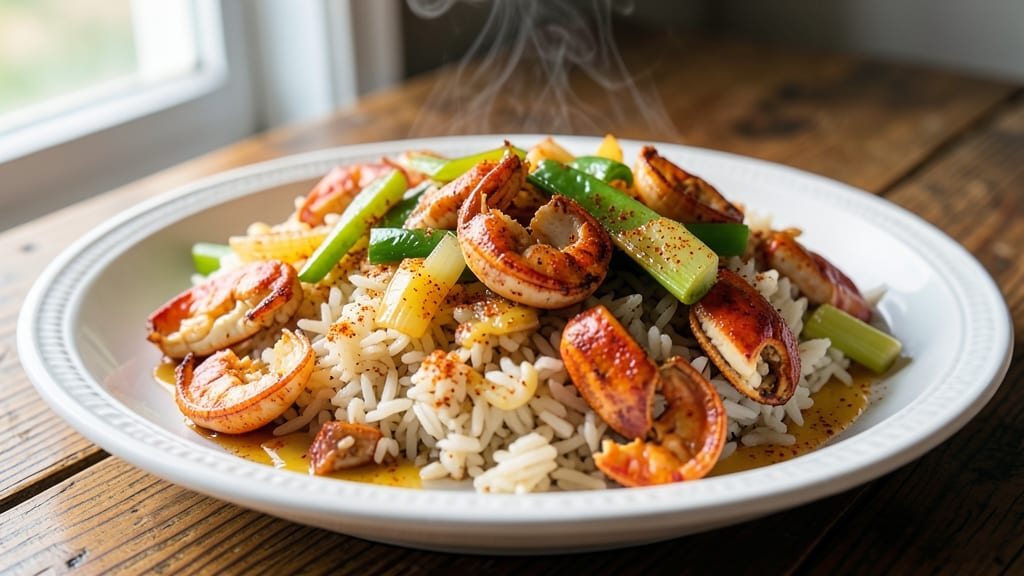
This Cajun crab and rice recipe delivers bold, spicy Louisiana flavor in one pan—where tender crab meets perfectly seasoned rice in a buttery, aromatic embrace. The secret lies in balancing heat and richness: Cajun seasoning transforms the crab into a fiery centerpiece while the rice absorbs its smoky depth without overpowering the delicate seafood. I developed this method after years of perfecting restaurant-style Cajun dishes at home, ensuring every bite delivers that signature Louisiana punch without sacrificing tenderness.
What sets this dish apart is its simplicity: just one pot, minimal cleanup, and a technique that guarantees restaurant-quality results. The crab cooks quickly in the same pan used for the rice, locking in its natural sweetness while developing a crisp, golden crust.
For those who prefer less heat, simply reduce the cayenne or swap it for smoked paprika—authentic flavor remains intact. Whether serving for a seafood lover's feast or a weeknight dinner, this recipe proves Cajun cuisine doesn't require complicated steps, just bold ingredients and confidence in the process.
Ingredients for cajun crab rice
Bold Cajun flavors meet delicate seafood in this one-pan masterpiece—where buttery rice and fiery crab create Louisiana magic.
| Ingredient | Amount | Notes |
|---|---|---|
| Live Blue Crab Clusters 🦀 | 1 ½ lb | Shell-on for flavor, cracked backs preferred |
| Long-Grain White Rice 🍚 | 1 cup | Uncooked, jasmine or basmati preferred |
| Unsalted Butter 🧈 | 4 tbsp | European-style for higher smoke point |
| Cajun Seasoning 🌶️ | 2 tbsp | High-quality blend, like Tony Chachere's |
| Smoked Paprika 🌶️ | 1 tsp | For authentic smoky depth |
| Cayenne Pepper 🔥 | ½ tsp | Adjust for preferred heat level |
| Garlic Cloves 🧄 | 4 cloves | Fresh, finely minced for aromatic base |
| Yellow Onion 🧅 | 1 whole | Medium size, diced into small pieces |
| Celery Stalks 🥬 | 2 whole | Diced, classic holy trinity component |
| Green Bell Pepper 🌶️ | 1 whole | Medium size, diced for fresh crunch |
| Chicken Stock 💧 | 1 ½ cups | Low-sodium preferred for balanced flavor |
| Lemon Juice 🍋 | 1 tbsp | Freshly squeezed for bright acidity |
| Fresh Parsley 🌿 | ¼ cup | Chopped, for vibrant garnish |
| Seafood Stock 💧 | ½ cup | For enhanced crab flavor |
| Hot Sauce 🌶️ | 1 tbsp | Optional, for serving (like Crystal or Tabasco) |
The crab selection is critical—live or freshly killed clusters with cracked backs ensure maximum sweetness and texture. Local seafood markets often carry ideal blue crab clusters, though frozen options work in a pinch (thaw overnight in the fridge). For Cajun seasoning, Tony Chachere's remains the gold standard, but any high-quality blend with paprika, cayenne, and thyme will deliver authentic heat. The butter should be European-style to handle the high heat without burning, and Plugrá or French-style brands excel here. Fresh garlic, onion, celery, and bell pepper form the holy trinity—diced uniformly for even cooking and maximum flavor extraction.
No Cajun seasoning? Create your own blend with 1 tbsp smoked paprika, 1 tsp each of dried thyme, oregano, and garlic powder, plus 1/2 tsp cayenne. Substitute seafood stock with additional chicken stock if unavailable, though the crab flavor will be slightly muted. For less heat, reduce cayenne to 1/4 tsp or swap for smoked paprika only. The lemon juice can be omitted if you prefer a richer dish, but it brightens the final flavor beautifully. Fresh parsley is ideal, but dried parsley at 1/4 the amount works in a bind—just toast it lightly first for deeper flavor.
Prep the crab last—it cooks in minutes. Store uncooked crab in the fridge for up to 2 days in a sealed container with a damp paper towel. The Cajun seasoning blend keeps for 6 months in an airtight container, while fresh herbs should be used within 5 days for peak flavor. This dish reheats beautifully—simmer gently with a splash of water or stock to restore moisture. Leftovers keep for 3 days in the fridge, though the crab becomes more tender with each reheat. For make-ahead convenience, cook the rice portion separately and combine with the crab just before serving.
Why You'll Love This Recipe
- One-Pot Magic: I swear by this trick—just brown the crab clusters in butter first, then dump in the rice and broth. No separate pots, no extra bowls. The Cajun seasoning and smoked paprika cling to everything while it cooks, so you get that deep, smoky flavor without extra effort.
- Flavor Bomb: That first bite of buttery crab against the fluffy rice? It’s like a party in your mouth. The Cajun kick isn’t overpowering—just enough to make you reach for seconds, especially when the crabs are still plump and juicy from the quick sear.
- Weeknight Hero: I’ve served this to friends who think seafood is fancy, and they’ve asked for the recipe. It’s fancy enough for company but simple enough for a Tuesday—just adjust the spice level if your crowd is sensitive. (Honestly, my nephew adds extra paprika and doesn’t complain.)
- Leftovers Win: This dish actually tastes better the next day. The rice soaks up all the crab juices, and the flavors meld into something even richer. I pack it for lunches or reheat it for dinner—no one ever guesses it’s from last night. (Yes, even on a Tuesday.)
Step-by-step instructions for Cajun crab and rice
This one-pan masterpiece delivers bold Cajun flavors with tender crab and perfectly seasoned rice.
Sauté the Holy Trinity for Flavor Foundation
Melt 2 tablespoons of the unsalted butter in a large, heavy skillet over medium heat. Add the diced yellow onion, celery stalks, and green bell pepper. Cook for 5-6 minutes until the vegetables soften and begin to release their juices, stirring occasionally. This is your flavor base - the holy trinity of Cajun cooking.
Here's the thing - don't rush this step. You want those vegetables to break down slightly and develop a deep, sweet flavor. When they're tender and the onion becomes translucent, it's time to move forward. This foundational step ensures your entire dish will be packed with flavor from the very first bite.
Build the Cajun Spice Base
Add the minced garlic cloves to the skillet and cook for 30 seconds until fragrant. Immediately stir in the 2 tablespoons Cajun seasoning, 1 teaspoon smoked paprika, and ½ teaspoon cayenne pepper. Cook for another 1 minute, stirring constantly to prevent burning.
This is where the magic happens - the spices toast slightly, releasing their aromatic oils. You'll notice the kitchen fills with that unmistakable Cajun scent. The cayenne will add a subtle kick, while the smoked paprika contributes a deep, woodsy note. Be careful not to let the spices burn - they'll turn bitter if you walk away for even a moment.
Toast the Rice and Prepare the Crab
Add the 1 cup long-grain white rice to the skillet and stir to coat it evenly with the spice mixture. Cook for 2 minutes, stirring constantly, until the rice grains become translucent at the edges. This toasting step is crucial - it prevents the rice from becoming mushy and adds nutty depth to the final dish.
While the rice toasts, crack the backs of the 1.5 lb live blue crab clusters and remove any remaining shell pieces. Set the crab aside - we'll add it later when the rice has absorbed some of the liquid. The crab should be at room temperature before cooking to ensure even doneness.
Combine and Simmer the Perfect Rice
Pour in the 1.5 cups chicken stock and ½ cup seafood stock, then stir once to distribute the liquid. Bring to a gentle simmer, then reduce heat to low. Cover the skillet and cook for 15 minutes without stirring. This undisturbed cooking allows the rice to absorb liquid evenly and develop its characteristic texture.
After 15 minutes, carefully add the crab clusters to the skillet, nestling them into the rice. Drizzle the 1 tablespoon lemon juice over the top and sprinkle with the ¼ cup chopped fresh parsley. Cover again and cook for another 5-7 minutes, just until the crab turns opaque and the rice is tender but still has a slight bite.
Finish with Butter and Serve Immediately
Remove the skillet from heat and stir in the remaining 2 tablespoons unsalted butter. Let it melt into the rice, creating a luxurious, buttery finish that balances the spicy flavors. The butter should coat each grain, giving the dish that restaurant-quality sheen.
Taste and adjust seasoning if needed - you might want to add a pinch more cayenne for heat or a squeeze of lemon for brightness. Serve immediately with the 1 tablespoon hot sauce on the side for those who prefer extra spice. The crab should be tender with just a hint of resistance, and the rice should be perfectly cooked with individual grains still distinct.
Pro Tips For Making Cajun Crab Rice
- STEAM THE CRAB FIRST: Live crabs release water when cooked—so shock them in boiling water for 30 seconds before adding to the rice. This keeps your dish from turning into a soggy mess. (Yes, it’s weird, but trust me: your rice will stay fluffy.)
- USE TOASTED SPICES: Dry-toast your Cajun seasoning and smoked paprika in a pan for 30 seconds before mixing with butter. The nutty aroma deepens, and you’ll taste the difference. (Skip this, and your dish will still work—but it’ll feel flat.)
- SALTY BUTTER MATTERS: Unsalted butter here? Double the Cajun seasoning—crab and rice need bold flavor. I learned this the hard way after a bland batch. (Your future self will notice.)
- COOK RICE HALF-DONE: Par-cook the rice for 4 minutes in butter before adding crabs and broth. The grains stay separate, and the crab stays juicy. (Rushing this step = mushy rice.)
Perfect pairings for these flavors
Creamy Cornbread
This Southern classic complements the spicy crab perfectly by offering a buttery, slightly sweet contrast. I make a simple batch using 1 cup cornmeal, 1 cup all-purpose flour, 1 tbsp sugar, 1 tbsp baking powder, and 1 egg.
Mix with 1 cup buttermilk and 2 tbsp melted butter, then bake at 375°F for 20 minutes. The warm, moist crumb soaks up any leftover Cajun sauce beautifully. 🍞
Crispy Sides
Add texture with fried green tomatoes—slice 2 medium green tomatoes into ¼-inch rounds, coat in 1 cup flour mixed with 1 tsp salt and ½ tsp black pepper, then fry in 350°F oil for 2-3 minutes per side until golden.
Their tangy crunch cuts through the richness. For a lighter option, try garlic roasted Brussels sprouts tossed with 1 tbsp olive oil, 2 minced garlic cloves, and roasted at 400°F for 20 minutes.
Classic Cocktails
A Hurricane (rum, lime, orange juice, and grenadine) mirrors Cajun flavors with its citrusy sweetness and spicy kick.
For a non-alcoholic option, serve shrimp cocktail—chilled poached shrimp with a spicy tomato cocktail sauce (blend 1 cup tomatoes, 1 tbsp horseradish, 1 tbsp hot sauce, and 1 tsp Worcestershire sauce). The heat aligns perfectly with the dish’s bold profile. 🍹
Garnish Upgrades
Elevate the dish with crispy fried shallots—sauté 4 shallots in ¼ cup butter until golden, then drain on paper towels. Sprinkle over the crab rice just before serving for a luxurious crunch.
For freshness, add micro cilantro or thinly sliced scallions—their bright green color contrasts the dish’s deep Cajun hues. A final drizzle of avocado oil adds a silky finish.
Beverage Pairings
For beer lovers, a crisp lager like Corona or Stella Artois cleanses the palate between spicy bites. For wine, a dry Riesling (like Dr. Loosen Blue Slate) balances the heat with its acidity.
If you prefer spirits, a bourbon cocktail (like Whiskey Sour) enhances the smoky, caramel notes in the dish. Avoid heavy reds—they’ll overpower the delicate crab.
Nutrition facts
Frequently asked questions
Can I use frozen crab instead of live blue crab clusters?
Yes, but thaw it properly for best results. Place frozen crab in a sealed bag and submerge in cold water for 15-20 minutes, changing the water every 5 minutes. Never thaw at room temperature—this can make the crab rubbery. For extra flavor, add 1/2 teaspoon Old Bay seasoning to the thawing water. The texture will be slightly less firm than live crab but still delicious.
How can I make this dish less spicy for kids or sensitive eaters?
Reduce the cayenne to 1/4 teaspoon or omit it entirely, then increase smoked paprika to 1.5 teaspoons for depth without heat. For milder flavor, use 1/2 teaspoon mild paprika instead of cayenne. Always taste the spice mixture before adding rice—you can adjust further with extra butter or lemon juice to balance the flavors.
What's the best way to reheat leftover Cajun crab rice?
Gently reheat in a skillet over low heat with 1 tablespoon butter and 2 tablespoons water per serving, stirring constantly for 3-4 minutes. Avoid microwaving—it makes the rice mushy. For extra flavor, add a splash of seafood stock or a pinch of Cajun seasoning while reheating. The crab will become even more tender, so serve immediately after warming.
Can I substitute shrimp for crab in this recipe?
Use 1.5 pounds peeled and deveined shrimp instead, adding them in the final 5 minutes of cooking. For authentic Cajun flavor, toss the shrimp with 1 teaspoon Cajun seasoning and 1/2 teaspoon smoked paprika before adding. Shrimp cooks faster than crab, so reduce the final cooking time to 3-4 minutes to prevent overcooking. The dish will have a slightly lighter texture but still pack bold flavors.
Why is my rice coming out mushy instead of fluffy?
Mushy rice usually happens from overcooking or insufficient stirring during the toasting step. First, ensure you're toasting the rice for exactly 2 minutes before adding liquid. Second, use a 1:1.5 ratio of rice to liquid (1 cup rice to 1.5 cups stock). If your rice still turns out mushy, try the absorption method: cook uncovered for the first 5 minutes, then cover and reduce heat to low for the remaining time.