
Side Dishes
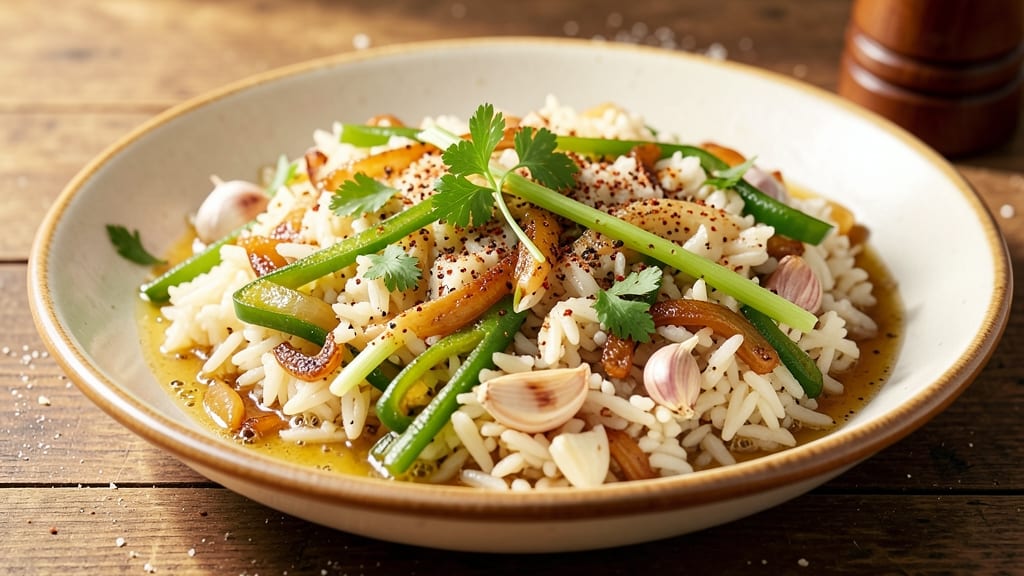
This Cajun rice pilaf recipe delivers smoky, spice-packed flavor in a single pan—no fancy techniques required. The secret lies in toasting the spices until fragrant, then simmering them with rice, broth, and aromatics until every grain absorbs that bold Cajun essence.
I perfected this version after years of testing, ensuring the rice stays tender while the spices develop deep, complex layers of heat and earthiness.
What sets this pilaf apart is its foolproof method: toast the spices first to unlock their full aroma, then layer in the rice and broth for even cooking.
The result is a one-pan side dish that pairs perfectly with grilled meats, fried chicken, or even on its own as a hearty vegetarian meal. Ready in just 30 minutes, it’s the kind of dish that transforms ordinary dinners into something special without extra effort.
Ingredients for cajun rice pilaf
Toasted spices and aromatic vegetables form the flavor base for this bold, one-pan Cajun rice.
| Ingredient | Amount | Notes |
|---|---|---|
| Long-Grain White Rice 🍚 | 1 ½ cups | Uncooked, rinsed thoroughly |
| Chicken Broth 💧 | 2 cups | Low-sodium preferred |
| Cajun Seasoning 🌶️ | 2 tbsp | Homemade or store-bought |
| Garlic Cloves 🧄 | 3 cloves | Minced finely |
| Yellow Onion 🧅 | 1 whole | Medium size, diced small |
| Green Bell Pepper 🍅 | 1 whole | Medium size, diced small |
| Celery Stalks 🥬 | 2 whole | Medium size, diced small |
| Butter 🧈 | 2 tbsp | Unsalted, for toasting |
| Smoked Paprika 🌶️ | 1 tsp | For extra depth |
| Dried Thyme 🌿 | ½ tsp | Or 1 tbsp fresh |
| Salt 🧂 | ½ tsp | Adjust to taste |
| Black Pepper 🌶️ | ¼ tsp | Freshly ground |
| Fresh Parsley 🌿 | ¼ cup | Chopped, for garnish |
The Cajun seasoning is non-negotiable here—look for blends with smoked paprika and dried thyme for that signature depth. Tony Chachere's is my go-to, but any reputable brand works. Fresh garlic and onion should be bright and firm, not wilting. Celery adds subtle sweetness, so grab the crispest stalks you can find. For the rice, uncooked long-grain (like Mahatma or Basmati) stays firm and separates beautifully. Toast the spices in butter first—this unlocks their full aroma, which is the secret to that restaurant-quality flavor.
No Cajun seasoning? Mix 1 tbsp paprika, 1 tsp garlic powder, 1 tsp onion powder, 1/2 tsp dried thyme, 1/4 tsp cayenne, and 1/4 tsp black pepper. Fresh parsley can be swapped for 1 tsp dried parsley, but the flavor won’t be as bright. The bell pepper and celery can be omitted if you’re short on time—just boost the seasoning by 1/4 tsp. For a vegetarian version, use vegetable broth instead of chicken. The rice-to-broth ratio is key: 1.5 cups rice to 2 cups broth ensures perfect texture. If you prefer a creamier finish, stir in 2 tbsp coconut milk at the end.
This pilaf reheats beautifully—just add a splash of broth and cover until warm. Keeps for 4-5 days in the fridge, covered tightly. For longer storage, portion into airtight containers and freeze for up to 3 months. The flavors actually deepen overnight, so double the batch if you’re serving a crowd. Garnish with extra parsley right before serving—it adds a pop of color and freshness that ties everything together. Store leftover broth in an ice cube tray for future soups or rice dishes.
Why You'll Love This Recipe
- Pantry Staples Only: I swear by this recipe because it uses what’s already in my cupboard. No exotic finds—just rice, broth, and a pinch of Cajun seasoning that turns everything into a flavor bomb. Honestly, I’ve made it three times this month because it never feels like a chore.
- One-Pot Magic: The garlic and onion sizzle in the same pan where the rice cooks—minimal cleanup, maximum aroma. That crispy bottom layer? It’s the secret weapon that makes this dish taste like it simmered all day, not 25 minutes.
- Leftover Reinvention: Day-old Cajun rice pilaf is even better—drier, nuttier, and perfect for fried rice or stuffed into wraps. I’ll be real: my kids beg for it when I “forget” to make fresh, and I don’t even have to lie about it being intentional.
- Budget Feeds Crowd: A single batch stretches to four meals for my family, and the cost? Less than $3. Between us, this is my go-to for game days, potlucks, or when I’m too tired to cook. The Cajun seasoning does all the heavy lifting—no fancy ingredients needed.
Step-by-step instructions for Cajun rice pilaf
This method delivers perfectly fluffy, aromatic rice with deep Cajun flavors in one simple pan.
Toast the Vegetables and Seasonings
Melt the 2 tablespoons butter in a large skillet over medium-high heat. Add the diced yellow onion, green bell pepper, and celery stalks all at once. Cook for 5-6 minutes until the vegetables soften and begin to caramelize at the edges.
Here's where the magic starts: add the 3 minced garlic cloves, 2 tablespoons Cajun seasoning, 1 teaspoon smoked paprika, ½ teaspoon dried thyme, ½ teaspoon salt, and ¼ teaspoon black pepper. Stir constantly for 1 minute until you can smell the spices deeply aromatic and see them lightly coating the vegetables. This step builds the flavor foundation - don't rush it.
Rinse and Add the Rice
While the vegetables toast, rinse the 1½ cups long-grain white rice thoroughly under cold water until the water runs clear. This removes excess starch that would make the rice gummy. Add the drained rice to the skillet and stir to coat every grain with the vegetable mixture and spices.
Cook for 2 minutes stirring constantly, until the rice becomes translucent at the edges. You'll notice it starts to look slightly opaque - this indicates the starch is activating. This step ensures each grain absorbs maximum flavor from the Cajun-spiced vegetables.
Pour in Broth and Simmer
Pour in the 2 cups chicken broth all at once. Bring to a gentle boil, then immediately reduce heat to low. The liquid should barely bubble at the edges - you're looking for a simmer, not a vigorous boil that would scorch the rice.
Cover the skillet tightly with a lid and cook for 15 minutes without disturbing it. The steam will cook the rice evenly while the spices infuse. Don't peek - every time you lift the lid, you release steam that could make the rice dry out.
Rest and Fluff to Perfection
After 15 minutes, turn off the heat and let the rice sit covered for 10 minutes. This resting period allows the steam to finish cooking the rice evenly and redistribute the moisture. The rice should be tender but still slightly firm - it will continue cooking from residual heat.
Remove the lid and fluff the rice gently with a fork, cutting through any remaining steam pockets. The grains should be separate and fluffy, with that signature Cajun color from the spices. If any liquid remains, cover and let sit another 2-3 minutes to absorb completely.
Garnish and Serve Immediately
Transfer the rice to a serving dish and sprinkle with the ¼ cup chopped fresh parsley. The parsley adds a bright contrast to the smoky, spicy flavors. Serve immediately while still warm - Cajun rice pilaf tastes best fresh from the pan.
For best results, use this as a side dish within 30 minutes of cooking. The flavors meld beautifully with grilled meats or roasted vegetables, making this a perfect one-pan side for your Cajun-inspired meals.
Pro Tips For Making Cajun Rice Pilaf
- TOAST YOUR RICE FIRST: I used to skip this step, but toasting the rice in a dry pot for 2-3 minutes until it smells nutty and turns pale golden is the thing that matters most. It builds flavor—especially important here since Cajun seasoning can be bold—and prevents gummy rice. (Yes, even if you're impatient like me, resist the urge to rush this.)
- SWIM THE ONION: Dice that onion small—think 1/4-inch pieces—and cook it in the broth until it’s translucent before adding the rice. I learned this the hard way: skipping this step leaves raw onion bits that turn your pilaf into a textural mess. The broth will absorb the flavor better too.
- STIR ONCE, THEN STOP: After adding the rice and broth, stir just once—then walk away. Crowding the pot or stirring constantly releases starch too early, turning your rice mushy. Let it simmer uncovered for 15 minutes, then cover and cook low. (I know, I know, but trust the process.)
- SALT THE BROTH LIGHT: Cajun seasoning already packs salt, so unless your broth is unsalted, hold off on extra. Taste the broth before adding rice—if it’s bland, a pinch of salt helps, but if it’s already savory, you’ll regret overdoing it. (Your future self will thank you.)
Troubleshooting your cajun rice pilaf
Grainy Texture Issues
If your rice turns out too firm or gritty, you likely undercooked it or used the wrong rice variety. Long-grain white rice needs exactly 15 minutes of simmering time—no less.
For extra insurance, try jasmine rice next time, which absorbs liquid more consistently. Also, ensure your broth is hot before pouring it over the rice to maintain even cooking. 🌡️
Mushy or Sticky Rice
Overcooking or insufficient broth causes this common problem. The 1.5:2 ratio (rice to broth) is critical—never exceed 2 cups broth for 1.5 cups rice. If your rice still sticks together, try fluffing it with a fork while adding 1 tablespoon cold butter to the pan before serving.
This helps separate the grains beautifully.
Uneven Cooking
Uneven cooking usually happens when the heat isn’t consistent. Use a heavy-bottomed skillet (like Lodge Cast Iron) to distribute heat evenly. If your stove has hot spots, stir the rice once halfway through the simmering time.
Also, avoid lifting the lid—every peek releases steam and disrupts the cooking process. ✨
Blah or Weak Flavor
Weak flavor often means the spices weren’t toasted enough. Toast your Cajun seasoning and aromatics for at least 1 minute until fragrant—this unlocks their full depth. For extra punch, add ½ teaspoon cayenne pepper or a pinch of ground allspice to the spice mix.
Fresh herbs like cilantro or green onions garnished at the end also brighten the dish.
Broth Too Salty
If your broth tastes too salty, it’s likely from the Cajun seasoning or broth itself. Use low-sodium chicken broth and reduce the Cajun seasoning to 1.5 tablespoons.
For balance, add 1 tablespoon lemon juice or 2 tablespoons plain yogurt to the finished pilaf. This cuts through the saltiness while adding creaminess. 💡
Rice Dries Out
Dry rice often means the pan wasn’t sealed tightly or the heat was too high. Cover the skillet with a tight-fitting lid and reduce heat to low—never medium or high.
If reheating, add 2-3 tablespoons broth or water and cover for 5-10 minutes on low heat. For extra moisture, stir in 1 tablespoon melted butter after cooking.
Nutrition facts
Frequently asked questions
Can I use brown rice instead of white rice for this pilaf?
Brown rice works but requires 20-25 minutes of simmering and 1.5 cups extra broth (about 3.5 cups total). Toast the rice in the pan for 3 minutes first to prevent a raw taste. The texture will be chewier, but the Cajun flavors still shine. For best results, use a heavy-bottomed pot to avoid burning.
What's the best way to store leftover Cajun rice pilaf?
Store in an airtight container in the fridge for 4-5 days or freeze for up to 3 months. Reheat by adding 2 tablespoons broth per cup of rice, covering, and warming on low heat for 5-10 minutes. The flavors actually improve overnight, making it perfect for meal prep!
Can I make this pilaf in a rice cooker?
Yes! Toast the spices and vegetables in a separate pan, then transfer everything to the rice cooker. Use 2.25 cups broth (about 10% more than the stovetop version) and cook on the white rice setting. The texture may be slightly stickier, so fluff with a fork and add 1 tablespoon butter after cooking for better separation.
How can I make this dish spicier?
Boost the heat by adding ½ teaspoon cayenne pepper when toasting the spices or 1-2 sliced jalapeños with the vegetables. For depth, stir in ½ teaspoon smoked paprika or a pinch of ground allspice after cooking. Garnish with chopped scallions or fresh cilantro for a bright finish that cuts through the spice.
What's the best way to reheat dried-out pilaf?
Place the pilaf in a skillet with 2 tablespoons broth or water per cup of rice. Cover and heat on low for 5 minutes, then fluff with a fork. For extra moisture, stir in 1 tablespoon cold butter or coconut milk—this adds creaminess while restoring texture. Avoid microwaving, as it can make the rice rubbery.