
Main Courses
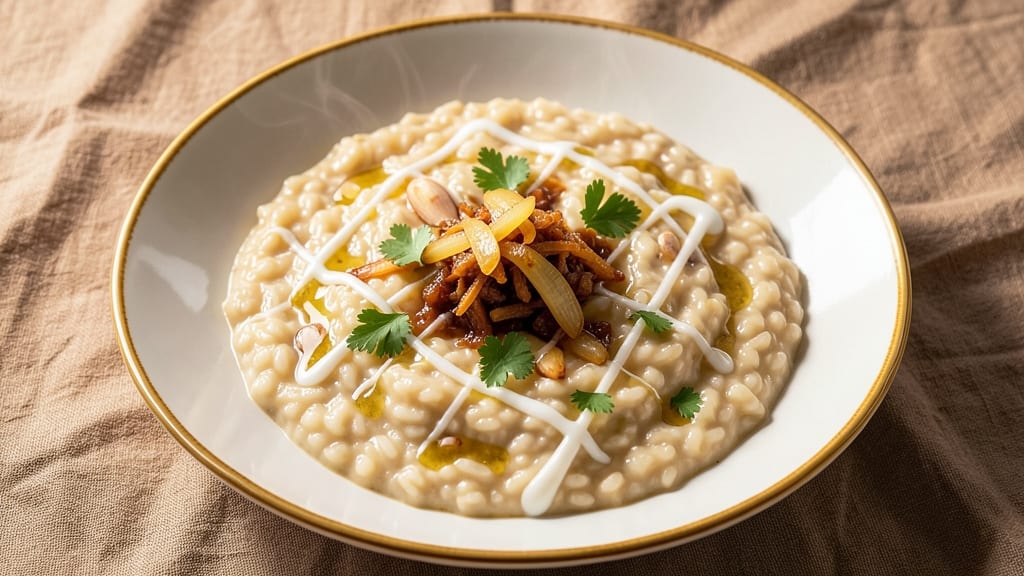
This Calrose rice risotto recipe delivers restaurant-quality creaminess without the constant stirring—perfect for weeknight dinners or special occasions. The secret lies in using Calrose rice, which absorbs liquid beautifully while maintaining its delicate texture. Unlike traditional Arborio, this method simplifies the process without sacrificing that signature velvety finish.
The technique focuses on gradual broth additions and proper timing, ensuring each grain transforms into tender, creamy perfection. We’ll start with sautéed aromatics, toast the rice just enough to develop nutty flavors, then deglaze with white wine for brightness.
The key? Adding warm broth in stages, letting each portion absorb completely before adding more.
By the end, you’ll have a creamy, golden risotto with a subtle crunch from the final touch of butter and parmesan. The texture is rich yet light, with each bite offering a balance of savory, umami depth.
This version works beautifully with mushrooms, shrimp, or even vegan substitutions—adapting to your favorite flavors while keeping the method foolproof.
Ready in about 30 minutes, this risotto proves you don’t need constant attention to achieve professional results. Whether serving as a main course or side dish, it’s a versatile, crowd-pleasing recipe that elevates any meal. Let’s get started!
Ingredients for calrose rice risotto
Restaurant-quality Calrose rice risotto starts with these precise ingredients for velvety texture and rich flavor.
| Ingredient | Amount | Notes |
|---|---|---|
| Calrose Rice 🍚 | 1 ½ cups | Uncooked, medium-grain preferred |
| Dry White Wine 🍷 | ½ cup | Bold, dry variety preferred |
| Vegetable Broth 💧 | 6 cups | Homemade or high-quality store-bought |
| Yellow Onion 🧅 | 1 whole | Finely diced, about 1 cup |
| Garlic Cloves 🧄 | 4 cloves | Minced, for aromatic base |
| Unsalted Butter 🧈 | ½ cup | Cold, cut into small cubes |
| Parmesan Cheese 🧀 | ¾ cup | Freshly grated, aged preferred |
| Extra-Virgin Olive Oil 🫒 | ¼ cup | For sautéing aromatics |
| Fresh Thyme 🌿 | 1 tbsp | Leaves only, chopped fine |
| Salt 🧂 | 1 ½ tsp | Diamond Crystal kosher preferred |
| Ground Black Pepper 🌶️ | ½ tsp | Freshly ground for best flavor |
| Shallots 🧅 | 2 whole | Minced, optional for extra depth |
| Fresh Mushrooms 🍄 | 8 oz | Cremini or baby bella, sliced |
Calrose rice is the star here—its delicate texture absorbs liquid beautifully without becoming gummy. Grab a 16-ounce bag from a specialty store or Asian market for optimal quality. The Parmesan should be aged at least 24 months for maximum umami depth; pre-grated versions lack the same intensity. For the broth, homemade is ideal, but even high-quality store-bought works. The mushrooms add earthy complexity, so cremini or baby bella are perfect choices—their meaty texture holds up well during cooking. Fresh thyme and shallots elevate the dish with subtle aromatic notes that complement the wine's brightness.
No white wine? Substitute with additional vegetable broth, but reduce the amount by 2 tablespoons to maintain balance. The butter can be swapped for vegan butter if needed, though the flavor profile will differ slightly. For a vegetarian version, skip the mushrooms or use sautéed asparagus or zucchini instead. If you're short on time, pre-minced garlic and shallots from the store work fine, though fresh is always better. The Calrose rice can be substituted with jasmine rice in a pinch, though it may require slightly more liquid. For extra richness, add 1 tablespoon of heavy cream at the end, though it's not necessary for the classic texture.
The vegetable broth should be kept warm in a separate pot—adding cold liquid halts the cooking process. Store any leftovers in an airtight container for up to 3 days, though the texture may become slightly firmer. To reheat, add a splash of broth and warm gently over low heat. For best results, serve immediately after cooking, as the risotto continues to develop its creamy texture while resting. The Parmesan and butter should be added just before serving to maintain their freshness and prevent the dish from becoming greasy. This risotto also freezes beautifully for up to 3 months, making it perfect for meal prep.
Why You'll Love This Recipe
- One-Pot Magic: I swear by this recipe—just a pot, a spoon, and 20 minutes. No fancy equipment, no stressing over multiple pans. The Calrose rice soaks up that wine and broth like a dream, turning into a silky texture without the usual risotto fuss.
- Garlic-Wine Kiss: That first sip of white wine deglazing the pan? Pure flavor payoff. The onions caramelize just enough to sweetness the bite, while the garlic—oh, the garlic—adds this deep, toasty warmth that makes every forkful feel like a little celebration.
- Weeknight or Date Night: Make it for yourself when you’re exhausted (it’s ready before your favorite show’s second act) or impress someone special with minimal effort. Swap the broth for mushroom or chicken, and suddenly it’s restaurant-worthy without the pretension.
- Budget-Friendly Luxury: Calrose rice is cheap, broth is cheap, wine? You already have a bottle. Leftovers reheat beautifully—just add a splash of water and stir. Honestly, it’s the kind of dish that makes you question why you ever spent $20 on takeout.
Step-by-step instructions for creamy Calrose rice risotto
A perfectly creamy risotto doesn't require constant stirring—just precise technique and patience.
Develop the Flavor Base with Aromatics
Heat the 0.25 cup extra-virgin olive oil in a heavy-bottomed pot over medium heat. Add the 1 whole yellow onion and 2 whole shallots (if using), cooking for 5-6 minutes until softened and translucent. The onions should release their sweetness without browning—this builds the foundation for your risotto's depth.
Add the 4 cloves garlic and 1 tbsp fresh thyme, stirring for 30 seconds until fragrant. Here's the thing—don't let the garlic burn. Immediately add the 0.5 cup unsalted butter, letting it melt into the aromatics. This butter will later create the signature creamy texture without needing constant stirring.
Toast the Calrose Rice for Nutty Depth
Add the 1.5 cups Calrose rice to the pot, stirring to coat it evenly in the butter and oil mixture. Toast the rice for 2-3 minutes until it becomes translucent at the edges. This step develops the rice's natural starches and nutty flavor—critical for achieving that creamy, al dente texture. You'll know it's ready when the rice releases its raw aroma and begins to look slightly opaque.
I press the rice gently against the bottom of the pot during this step to ensure even toasting. This prevents any rice from sticking and guarantees consistent cooking throughout. If you notice any rice sticking, add a splash of vegetable broth to deglaze immediately.
Deglaze with Wine and Add Broth Gradually
Pour in the 0.5 cup dry white wine and stir vigorously until completely absorbed. The wine should cook off completely, leaving a glossy sheen on the rice. This deglazing step removes any residual starch from the pot's bottom, ensuring a clean flavor base for your risotto.
Now add 1 cup of the 6 cups vegetable broth at a time, stirring just enough to incorporate. The key here is to let the rice absorb each addition completely before adding more. You'll notice the rice will begin to release starches—this is what creates the creamy texture without needing constant attention. Maintain a gentle simmer throughout this process, never letting the rice dry out.
Cook the Mushrooms and Incorporate Cheese
In a separate pan, sauté the 8 oz fresh mushrooms in 1 tablespoon of olive oil over medium-high heat for 4-5 minutes until golden brown. Season with 0.5 tsp salt and 0.5 tsp ground black pepper. Remove from heat and set aside.
When the rice is about 15 minutes into cooking (when it's nearly al dente), stir in the 0.75 cup Parmesan cheese and the sautéed mushrooms. The cheese will begin to melt, creating an immediate creamy texture. At this point, you can add the remaining vegetable broth in smaller increments if needed to reach your desired consistency.
Finish with Perfect Texture and Rest
Continue cooking for another 5-7 minutes, stirring occasionally, until the rice reaches your preferred creaminess. The risotto should be al dente with a slight bite in the center. If it becomes too thick, add another ½ cup of vegetable broth to loosen it.
Remove from heat and let the risotto rest for 2-3 minutes. This resting period allows the starches to fully set, resulting in a perfectly creamy yet still al dente texture. Taste and adjust seasoning—you might need a touch more salt or black pepper to balance the flavors. Serve immediately while still warm, garnished with additional Parmesan cheese if desired.
Pro Tips For Making Calrose Rice Risotto
- SOAK THE RICE FIRST: Calrose rice has a waxy coating that fights absorption—toss it in warm broth (or water) for 10 minutes before cooking. I learned this the hard way when my risotto turned mushy; pre-soaking gives you that creamy texture without gummy grains.
- SWEAT THE ONIONS LOW: Don’t rush the onion—cook it in butter or oil over medium-low heat for 8–10 minutes until it’s golden and translucent. I used to crank the heat, and the flavor stayed flat; patience here makes the whole dish sing.
- STIR LIKE YOU MEAN IT: Risotto isn’t just stirring—it’s constant stirring, especially in the first 10 minutes. Use a wooden spoon and scrape the bottom aggressively to toast the rice and prevent sticking. Skimp here, and you’ll end up with uneven grains.
- USE COLD BROTH: Keep your vegetable broth cold until the very end—add it in ice cubes or chill it first. This slows down the cooking process and lets you control the creamy finish without overcooking. Trust me, your risotto will thank you.
Wine and beer pairings for these flavors
Crisp White Wine
A dry, crisp white wine like Sauvignon Blanc or Pinot Grigio complements this risotto beautifully. The bright acidity cuts through the richness, cleansing your palate with each bite.
I love using a California Sauvignon Blanc with its citrus and herbal notes, or an Italian Pinot Grigio from Alto Adige for a more delicate profile. Avoid oaky Chardonnays—they’ll overpower the dish’s delicate flavors. 🍷
Earthy Red Options
For a bold twist, try a light-bodied red wine like Chianti or Beaujolais. The earthy undertones pair wonderfully with the mushrooms and Parmesan. A Chianti Classico with its cherry and herbaceous notes adds a rustic charm, while a Gamay-based Beaujolais brings a juicy, fruity contrast.
Serve slightly chilled to enhance the wine’s freshness against the warm risotto.
Craft Beer Pairings
If wine isn’t your thing, a witbier or pilsner works brilliantly. A Belgian witbier like Hoegaarden offers citrusy coriander notes that refresh the palate, while a crisp German pilsner like Warsteiner balances the dish’s creaminess with its hoppy bite.
For a local option, try a California-style lager—its clean, light profile won’t compete with the risotto’s depth. 🍺
Avoid Heavy Options
Skip bold reds like Cabernet Sauvignon or heavy whites like Chardonnay—they’ll make the risotto taste flat by comparison. Even a full-bodied rosé can overpower the delicate flavors, so opt for drier, lighter options. The key is harmony: your wine should enhance, not dominate, the dish’s natural umami and creamy texture.
Non-Alcoholic Alternatives
For a mocktail, mix sparkling apple cider with a splash of lemon juice and a pinch of salt for a refreshing sipper. Alternatively, try a ginger beer with lime—its spicy kick complements the risotto’s richness. Both options keep the acidity that balances the dish’s creaminess without alcohol’s intensity. ✨
Nutrition facts
Frequently asked questions
Can I substitute Calrose rice with another type?
While Calrose rice is ideal for its delicate texture, you can use jasmine rice or short-grain white rice in a pinch. Just reduce the broth by ¼ cup since these varieties absorb liquid more quickly. Avoid long-grain rice like basmati—it won't achieve the creamy consistency. The key is using a rice with high starch content to create that signature velvety finish.
Why does my risotto turn out gummy?
Gummy risotto usually means the rice absorbed too much liquid or wasn't toasted enough. Always stir in 1 cup broth at a time and wait until each addition is completely absorbed before adding more. Toast the rice for 2-3 minutes until translucent—this prevents excess starch release. If it's already gummy, stir in 1 tablespoon cold butter to help set the texture.
Can I make this risotto ahead of time?
Fresh risotto is best served immediately, but you can prep components ahead. Cook the mushrooms and aromatics in advance, then store separately in the fridge. Assemble the risotto just before serving—it reheats best with a splash of warm broth. For leftovers, store in an airtight container for up to 3 days, though texture may firm up slightly. Freezing isn't recommended as it alters the creamy consistency.
What's the secret to creamy risotto without constant stirring?
The magic happens in three steps:
- Toast the rice properly to release starches,
- Use warm broth (never cold) to maintain even cooking, and
- Add butter and cheese at the end to emulsify naturally. Stir just enough to incorporate—let the rice's natural starches do the work. The resting period after cooking also helps set that perfect creamy texture.
How can I make this vegetarian?
Skip the mushrooms or swap them for sautéed asparagus, zucchini, or roasted bell peppers. For extra richness, stir in ¼ cup nutritional yeast with the Parmesan or add 1 tablespoon vegan butter at the end. The wine and broth still provide the necessary umami depth—just omit any animal-based proteins. This version works beautifully with roasted vegetables or a sprinkle of vegan parmesan for a cheesy finish.