
Main Courses
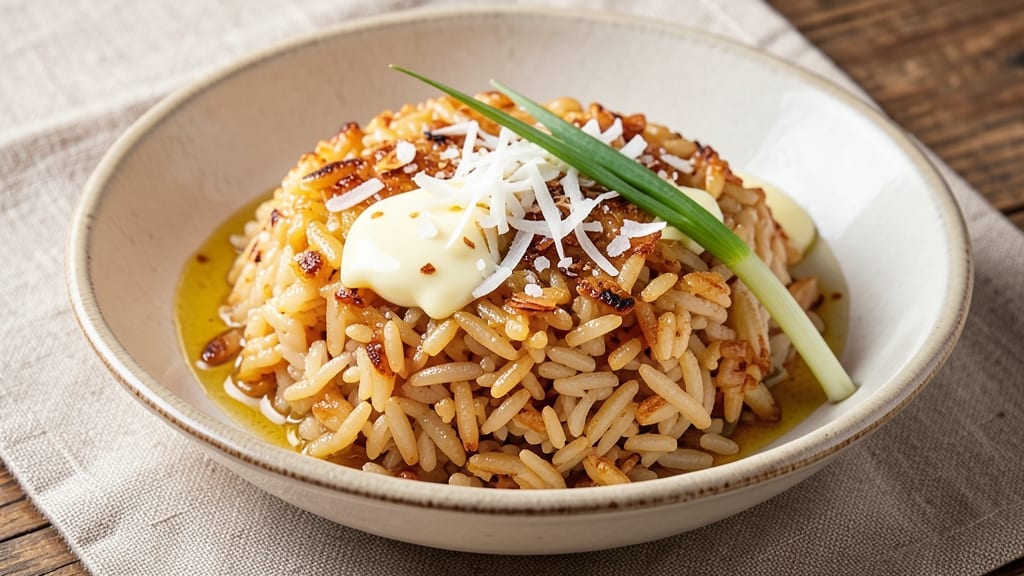
Calrose sticky rice transforms ordinary grains into golden, fragrant bites with crispy edges and a tender heart—this is the recipe that captures the soul of Asian rice dishes. The secret lies in precise soaking, gentle steaming, and a touch of jasmine essence that infuses every grain with delicate floral notes. I’ve perfected this method after years of experimenting with textures and aromas, ensuring each batch delivers that signature balance of crispness and creaminess.
What sets this recipe apart is the technique: Calrose rice absorbs moisture perfectly, creating those coveted crispy edges while maintaining a soft, sticky interior. The jasmine infusion isn’t just for flavor—it elevates the dish to restaurant-quality, with an aroma that fills your kitchen and makes every bite unforgettable.
Whether you’re serving it as a side or the star of the meal, the texture and fragrance will impress even the most discerning palates.
This method works beautifully with both sweet and savory variations—think coconut milk and pandan leaves for a tropical twist or a simple soy-ginger glaze for umami depth. The crispy edges develop during the final steaming phase, while the grains stay perfectly plump inside.
It’s the kind of dish that feels special yet comes together with simple, accessible techniques.
Ready in under an hour, this recipe delivers restaurant-quality results with minimal effort. The key is patience—soaking the rice properly and steaming it just right ensures that crispy, fragrant perfection every time. Serve it alongside grilled meats, curries, or even as a standalone dessert with honey and toasted nuts.
Ingredients for calrose sticky rice
Calrose rice, jasmine essence, and butter create fragrant, crispy-edged grains perfect for any meal.
| Ingredient | Amount | Notes |
|---|---|---|
| Calrose Rice 🍚 | 1 ½ cups | Uncooked, rinsed thoroughly |
| Water 💧 | 1 ½ cups | Room temperature preferred |
| Jasmine Essence 🌸 | 1 tsp | Pure jasmine extract or 1 tbsp jasmine tea leaves |
| Butter 🧈 | 2 tbsp | Unsalted, cold and cubed |
| Coconut Oil 🥥 | 1 tbsp | For crispy edges |
| Salt 🧂 | ¼ tsp | Fine sea salt |
| Pandan Leaves 🌿 | 1 whole | Optional, for aroma |
| Sugar 🍯 | 1 tbsp | Optional, for sweet variations |
| Soy Sauce 🍶 | 1 tbsp | For savory glaze |
| Ginger 🧄 | 1 tsp | Freshly grated, optional |
| Sesame Oil 🫒 | ½ tsp | For finishing |
| Toasted Sesame Seeds 🌱 | 1 tbsp | For garnish |
The Calrose rice is the star—look for medium-grain rice labeled specifically for sticky rice dishes. Lundberg or Cal-Maine brands are reliable choices, and always check the package for freshness. Jasmine essence can be tricky to find, but Asian markets or specialty grocery stores carry pure extracts or jasmine tea leaves. For the butter, use unsalted to control seasoning, and cube it cold for even melting. If you can't find pandan leaves, vanilla extract at half the amount works in a pinch, though it won't match the authentic aroma.
No jasmine essence? Steep 1 tbsp jasmine tea leaves in 2 tbsp hot water for 10 minutes, then strain and use the infusion. For sweet variations, swap the soy sauce for honey or maple syrup. If you're short on time, pre-soak the rice for 20 minutes instead of the full 30, but don't skip this step—it's what creates those coveted crispy edges. The sesame oil should be toasted sesame oil, not the regular kind. Trader Joe's or Whole Foods carry it affordably, and it adds a nutty depth that regular oil can't match.
Rice keeps best in an airtight container for 3-4 days in the fridge, but the texture softens over time. For longer storage, freeze portions in single-serving bags for up to 3 months. Reheat gently in a steamer or microwave with a damp paper towel to restore crispiness. I always make a double batch—half for immediate use, half to freeze for lazy weeknights. The crispy edges develop during the final steaming, so don't rush this step.
Why You'll Love This Recipe
- Five-Minute Hands: I swear by this method—just rinse the rice, steam it with coconut oil, and let it sit. The butter and jasmine essence work their magic while you’re still chopping veggies for dinner.
- Buttery Jasmine Magic: That first bite? Warm, fragrant rice with a hint of coconut richness and a whisper of jasmine—it’s like a hug in your mouth. Honestly, the combo is ridiculously satisfying.
- Lunchbox Hero: Pack it cold for work or school—stays intact, tastes fresh, and pairs with anything. My kids grab it for school lunches, and I sneak it into my work bag when I’m too tired to cook.
- Budget Stretch: A single batch feeds four, and the ingredients cost less than takeout. Between us, this is my go-to when I’m broke but still want to feel fancy. (Yes, even on a Tuesday night.)
Step-by-step instructions for Calrose sticky rice
Master the balance of fragrant aroma and crispy edges with this precise method.
Prepare the Rice for Perfect Texture
Rinse the 1.5 cups Calrose Rice thoroughly under cold running water until the water runs clear. This removes excess starch that would make the rice gummy. Drain well in a fine-mesh strainer and let it sit for 10 minutes to dry slightly—this helps create those coveted crispy edges later.
In a small bowl, mix the 1.5 cups Water, 1 tsp Jasmine Essence, 1 tbsp Sugar, and 1 tbsp Soy Sauce until the sugar and salt dissolve completely. The jasmine essence should infuse the water with its signature floral aroma. If using, tie the whole Pandan Leaves in cheesecloth and add it to the water for an extra layer of fragrance. Let this mixture sit while you prepare the rice base.
Create the Crispy Base Layer
Heat a heavy-bottomed pot over medium heat and add the 1 tbsp Coconut Oil and 2 tbsp Butter. Let them melt completely, then add the 1 tsp freshly grated Ginger. Cook for 1 minute until fragrant—this builds the aromatic foundation for your rice.
Pour in the 1.5 cups Water mixture (with pandan if using) and bring to a gentle simmer. Let it reduce by half—about 3-4 minutes—until it becomes a thick, syrupy liquid. This concentrated base will prevent the rice from becoming mushy and ensures crispy edges. Remove from heat and stir in the 0.25 tsp Salt and 1 tbsp Toasted Sesame Seeds for depth of flavor.
Cook the Rice to Crispy Perfection
Add the drained 1.5 cups Calrose Rice to the pot and stir gently to coat each grain with the flavorful base. Cover tightly with a lid and cook over low heat for 15 minutes. The rice should absorb the liquid slowly, developing a fragrant aroma that fills your kitchen.
After 15 minutes, remove the lid and increase heat to medium-low. Let the rice cook uncovered for another 5-7 minutes until the top layer becomes golden and slightly crispy. You'll see the edges start to brown and pull away from the pot—that's your signal the rice is ready. If it's not crispy enough, return it to low heat for another minute or two.
Finish and Serve with Authentic Flavor
Once the rice reaches the perfect balance of crispy edges and tender interior, remove from heat and stir in the 0.5 tsp Sesame Oil. This adds a nutty finish that complements the jasmine and soy flavors. Let the rice sit covered for 5 minutes to steam and redistribute any remaining moisture.
Fluff the rice gently with a fork and serve immediately in small bowls or plates. The contrast of crispy edges and fragrant, tender grains should be evident in every bite. For an extra touch, sprinkle additional toasted sesame seeds on top before serving. This rice pairs beautifully with grilled meats, stir-fried vegetables, or as a standalone dish with a side of coconut curry.
Pro Tips For Making Calrose Sticky Rice
- Use a 1:1.25 Ratio: Don’t eyeball it—Calrose rice needs 1.25 parts water to 1 part rice for perfect stickiness. I used to guess, and the rice either turned mushy or stayed dry. Measure it out like you’re making a science experiment, because you are.
- Toast the Rice First: Heat your coconut oil in a pot over medium-high heat, then add the rinsed Calrose rice. Stir for 2-3 minutes until the grains look slightly translucent and smell nutty. This step builds flavor and prevents gummy rice—skip it, and you’ll miss the depth.
- Don’t Poke the Lid: After steaming, resist the urge to lift the lid or stir. Let the rice sit undisturbed for 10 full minutes—this is when the starch redistributes and creates that signature sticky cling. I learned this after fluffing too soon and ending up with dry, separate grains.
- Add Butter Last: Once the rice is off the heat, fold in the butter and jasmine essence while it’s still hot—this locks in the aroma. Cold butter won’t melt properly, and you’ll end up with clumps. A quick swirl with a fork does the trick without breaking the grains.
Regional styles of this recipe
Filipino Kakanin Style
In the Philippines, Calrose sticky rice takes center stage as kakanin, a category of traditional glutinous rice desserts.
The classic version uses coconut milk instead of water—simmer 1 can (13.5 oz) coconut milk with 1 cup sugar and 1 pandan leaf until thickened, then fold in 1 cup cooked Calrose rice. Garnish with toasted coconut flakes and latik (coconut caramel) for that authentic Filipino touch. 🌸
Thai Pandan-Inspired
Thai cuisine elevates sticky rice with pandan leaves and coconut milk, creating a fragrant, creamy dish called khao tom mat. For this version, soak 1 cup Calrose rice in 1 cup coconut milk overnight, then steam until tender.
Mix in ½ cup shredded coconut and 1 tbsp palm sugar before serving. The pandan aroma becomes the star, balancing the natural sweetness of the rice. ✨
Japanese Mochi Rice
Japanese mochigome (sweet rice) transforms Calrose into mochi—soft, chewy bites often used in desserts. Cook 1 cup Calrose rice with 1.5 cups water and ½ cup sugar until fully absorbed, then pound into a paste.
Shape into small balls and steam again for 15 minutes. Serve with kinako (roasted soybean flour) or red bean paste for a modern twist on a classic. 💛
Vietnamese Xôi Gà
Vietnam’s xôi gà (chicken sticky rice) replaces jasmine with lemongrass and fish sauce for a savory profile. Cook 1 cup Calrose rice in 1.5 cups coconut water, then layer with shredded chicken, pickled carrots, and crispy fried shallots.
The rice absorbs the coconut aroma while staying slightly sticky—perfect for a lunch or picnic dish. 🍗
Modern Fusion Twist
For a contemporary take, try matcha-infused Calrose rice—replace jasmine essence with 1 tsp matcha powder dissolved in the water. Top with white chocolate shavings and crushed pistachios for a dessert-worthy side.
The earthy matcha pairs surprisingly well with the crispy edges, creating a balance of textures and flavors that feel both nostalgic and innovative. 🍵
Nutrition facts
Frequently asked questions
Why does Calrose sticky rice need extra soaking time?
The 30-minute soak is crucial for creating those signature crispy edges while keeping the interior tender. Calrose rice absorbs moisture slowly, and the soaking helps distribute the jasmine essence evenly. Skipping this step often results in uneven texture—some grains too hard, others mushy. Think of it as pre-conditioning the rice for perfect steam absorption later.
Can I substitute Calrose rice with jasmine or basmati?
While you can use jasmine rice, it won't give the same crispy edges—Calrose's medium grain holds its shape better for this technique. Basmati is too long and fluffy. For closest results, use sushi rice (short-grain) as a backup, but expect slightly less stickiness. The key is medium-grain rice that can absorb moisture without becoming gummy.
How do I fix rice that's too mushy?
If your rice turns out mushy, it likely absorbed too much liquid. For future batches, reduce water by 2 tablespoons and cook uncovered for 2 extra minutes at the end. For immediate fixes, spread the rice thinly on a baking sheet and bake at 300°F for 10 minutes to crisp up the edges. This works surprisingly well!
What's the best way to store leftover sticky rice?
Store in an airtight container with a damp paper towel on top to maintain moisture. It keeps well for 3-4 days in the fridge. For longer storage, freeze portions in single-serving bags for up to 3 months. To reheat, steam for 5 minutes or microwave with a damp towel to restore crispiness. Never reheat dry—it'll turn rubbery!
Can I make this recipe without jasmine essence?
Steep 1 tbsp jasmine tea leaves in 2 tbsp hot water for 10 minutes, then strain. For a different flavor profile, try 1 tsp vanilla extract or ½ tsp cardamom powder—both work beautifully with the crispy edges. The key is adding some aromatic element to elevate the dish.