
Main Courses
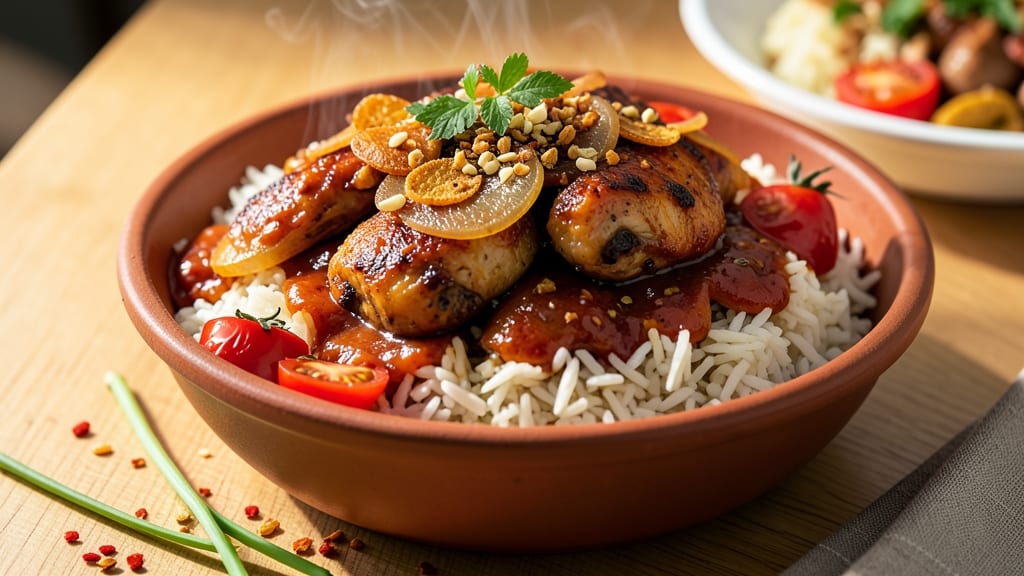
This Cameroonian jollof rice recipe delivers the bold, smoky tomato-basil heat that makes it a West African favorite. The secret lies in slow-cooked tomato sauce infused with thyme, curry, and bay leaves—creating layers of flavor that transform simple rice into a showstopper dish.
I've perfected this version to balance rich tomato depth with aromatic spices, ensuring every bite delivers restaurant-quality satisfaction.
The dish features tender protein (chicken, beef, or fish) simmered in the fragrant sauce until fork-tender, while the rice absorbs all that complex flavor. What sets this apart is the careful balance of heat and acidity, with a touch of basil that elevates it beyond traditional versions.
Ready in about 1 hour, it's perfect for gatherings or weeknight meals that feel special.
Ingredients for cameroonian jollof rice
Sixteen ingredients, one unforgettable dish. The secret? Slow-cooked tomato sauce with smoky thyme and fresh basil.
| Ingredient | Amount | Notes |
|---|---|---|
| Long-Grain White Rice 🍚 | 2 cups | Uncooked, rinsed thoroughly |
| Tomato Paste 🍅 | 6 oz | High-quality, no additives |
| Fresh Tomatoes 🍅 | 2 lbs | Roma or beefsteak, chopped |
| Yellow Onion 🧅 | 1 whole | Medium size, diced finely |
| Garlic Cloves 🧄 | 8 cloves | Fresh, minced |
| Fresh Ginger Root 🌿 | 2 tbsp | Grated finely |
| Chicken Thighs 🍗 | 1 ½ lb | Bone-in, skin-on preferred |
| Bay Leaves 🍃 | 2 whole | Dried, crushed slightly |
| Fresh Thyme 🌿 | 1 tbsp | Leaves only, chopped |
| Ground Curry Powder 🌶️ | 1 tbsp | Madras or West African blend |
| Fresh Basil Leaves 🌿 | ½ cup | Packed, chopped |
| Vegetable Oil 🫒 | ½ cup | High smoke point |
| Salt 🧂 | 1 ½ tsp | Adjust to taste |
| Black Pepper 🌶️ | ½ tsp | Freshly ground |
| Lemon Juice 🍋 | 2 tbsp | Freshly squeezed |
The tomatoes are non-negotiable—Roma or beefsteak give that meaty texture. Local farmers markets often have the best quality, but grocery store beefsteak works too. If you can't find fresh, San Marzano canned tomatoes are the next best thing. The ginger and garlic need to be freshly grated/minced—pre-minced garlic loses flavor fast. For the chicken, bone-in thighs stay juicier than breasts, but use what you've got. The curry powder? Madras or West African blends have that authentic depth—regular curry powder won't cut it.
No fresh basil? Dried at half the amount works in a pinch, but the flavor won't be the same. Short on tomatoes? Tomato paste plus a splash of water gets you close. The bay leaves are crucial—they add that earthy aroma that makes this dish sing. Crush them slightly before adding to release the oils. For the rice, jasmine or basmati are ideal, but long-grain white works fine. If you're making this ahead, cook the sauce first and store separately—it tastes even better the next day.
This reheats beautifully—just add a splash of water or broth to keep it moist. Keeps in the fridge for 4-5 days or freezes for 3 months. I always make a double batch because it's that good. The sauce portion alone makes great sandwiches or wraps—pack it in small containers for easy grab-and-go meals. For extra smokiness, char the tomato paste in the oil first—that's where the restaurant-quality flavor comes from.
Why You'll Love This Recipe
- I’ll be real: this recipe won’t break the bank. A few onions, some tomatoes, a block of tomato paste, and garlic—that’s it. It stretches easily for a crowd, so whether you’re feeding the family or hosting friends, you’re getting serious flavor without overspending. Plus, the rice stretches further than you’d think.
- One-Pot Magic: Honestly, I swear by this—just rice, onions, tomatoes, and a little garlic simmering together in one pot. No fancy gadgets, no extra bowls to scrub. The tomato paste thickens everything beautifully, so you’re left with a rich, saucy rice that practically cooks itself.
- Tomato-Garlic Bomb: Between us, that blend of fresh tomatoes and garlic cloves? It’s where the real magic happens. The onions caramelize just enough to sweeten the dish, while the garlic adds this deep, savory punch that makes every bite feel like a hug. (Yes, even on a Tuesday night.)
- Leftovers That Shine: Here’s what sold me—this rice improves the next day. The flavors meld even more, and it reheats like a dream. I’ve packed it for lunches, served it at potlucks, and even frozen portions for lazy Sundays. No sad, dry rice here.
Step-by-step instructions for Cameroon-style jollof rice
Here's how to build that signature smoky tomato-basil depth that sets Cameroon's version apart.
Sear the Chicken for Deep Flavor
Pat the 1.5 lb chicken thighs completely dry with paper towels—this ensures a crispy skin. Heat 0.5 cup vegetable oil in a heavy-bottomed pot over medium-high heat until shimmering. Working in batches if needed, add the chicken thighs skin-side down and let them sear undisturbed for 5-6 minutes until the skin turns deep golden brown and crispy.
Flip the thighs and cook for another 4-5 minutes until the internal temperature reaches 165°F. Remove the chicken and set aside on a plate. The rendered fat in the pot will become the foundation of your sauce, so don't wipe it out. Here's the thing—this initial searing creates the rich, caramelized base that defines Cameroon-style jollof.
Build the Smoky Tomato-Basil Base
In the same pot, reduce heat to medium and add the finely diced 1 whole yellow onion. Cook for 5 minutes until softened and translucent. Add the minced 8 cloves garlic, grated 2 tbsp fresh ginger root, and crushed 2 whole bay leaves, cooking for another 2 minutes until fragrant.
Stir in the 6 oz tomato paste and cook for 3-4 minutes, stirring constantly to prevent burning. Add the chopped 2 lbs fresh tomatoes, 1 tbsp ground curry powder, 1 tbsp chopped fresh thyme, and 1.5 tsp salt. Bring to a gentle simmer and cook uncovered for 15 minutes, stirring occasionally, until the tomatoes break down into a thick, rich sauce. This is where the magic happens—the tomatoes release their natural sweetness while the spices meld together.
Incorporate the Rice and Simmer
Add the 2 cups long-grain white rice (previously rinsed) and stir gently to coat each grain with the sauce. Pour in 2 cups water (or enough to cover the rice by about ½ inch) and add 0.5 tsp black pepper. Bring to a boil, then reduce heat to low, cover the pot with a tight-fitting lid, and let it simmer for 20 minutes without lifting the lid. This initial cooking allows the rice to absorb some of the liquid and begin steaming.
After 20 minutes, uncover the pot and stir gently. Add the seared chicken thighs back into the pot, nestling them among the rice. Sprinkle the 0.5 cup chopped fresh basil leaves over the top and drizzle with 2 tbsp lemon juice. Return to low heat, cover, and cook for another 20-25 minutes, or until the rice is tender and the liquid has been absorbed. The lemon juice brightens the dish and cuts through the richness of the tomatoes and chicken.
Rest and Fluff for Perfect Texture
Once the rice is fully cooked and tender, remove the pot from heat and let it rest covered for 10 minutes. This resting period allows the rice to finish steaming and the flavors to meld even more deeply. After resting, fluff the rice gently with a fork, being careful not to break the grains. The rice should be tender but still hold its shape, with a beautiful golden hue from the tomato sauce.
Taste and adjust the seasoning if needed—Cameroonian jollof should be rich, slightly tangy, and packed with layers of spice. Serve immediately with a side of fresh greens or a crisp salad to balance the hearty flavors. The smoky, tomato-forward depth comes from the long, slow cooking of the tomatoes and the careful balance of spices, making this version truly special.
Pro Tips For Making Cameroonian Jollof Rice
- Sauté Onions Until Golden: Skip the pale, sad onions—cook them low and slow until they’re deep amber, almost caramelized. This builds the base flavor for that rich, smoky depth in Cameroonian jollof. (Yes, it takes 10 minutes, but rushing here makes the whole dish taste flat.)
- Blend Tomatoes Roughly: Don’t puree them smooth—leave some texture. After roasting or boiling, blend fresh tomatoes with skin and seeds for a chunkier, more authentic sauce. (I learned this the hard way when my first batch turned into a glossy, unrecognizable paste.)
- Layer Tomato Paste Slowly: Whisk it into the oil gradually, a spoon at a time, while stirring constantly. Dumping it all at once burns it faster than you can say "disaster." Let it cook until it darkens but doesn’t scorch—that’s when the magic happens.
- Rinse Rice Twice, Then Soak: Cold water only, no soaking in vinegar or lemon. Give the rice a 20-minute soak before cooking to even out absorption, but don’t overdo it—Cameroonian jollof needs a slight bite, not mush. (Drain well, or your pot will turn to soup.)
Essential equipment for this recipe
Heavy-Bottomed Pot
This is your secret weapon for even cooking and flavor development. I swear by a 5-6 quart Dutch oven like the Le Creuset Stoneware—it distributes heat perfectly and handles the long simmer without hot spots.
The deep sides prevent spills when stirring, and the heavy material maintains consistent temperatures. If you're on a budget, a Calphalon stainless steel pot works just as well. 🔥
Wooden Spoon
Metal utensils can scratch your pot and react with the acidic tomato sauce, altering flavors. A long-handled wooden spoon (like OXO Good Grips) is ideal for stirring the sauce without damaging your cookware.
It also helps scrape up those delicious browned bits from the bottom of the pot—those are packed with flavor! I keep mine handy for all my tomato-based dishes.
Fine-Mesh Strainer
For rinsing your 2 cups long-grain white rice, a fine-mesh strainer (I use OXO Good Grips) is essential. It removes excess starch that can make your rice gummy. Rinse until the water runs clear—this step is non-negotiable for perfect texture.
If you don't have one, a clean kitchen towel works in a pinch, but it's messier and less effective. 💫
Measuring Cups & Spoons
Precision matters in Cameroonian jollof—especially with spices like ground curry powder and fresh ginger. Invest in a stainless steel set (like Farberware) for accurate measurements.
The ¼ tsp difference in salt can make or break the balance of flavors. I also recommend a small ladle for adding liquids gradually during cooking.
Tongs for Serving
Once your jollof is ready, locking tongs (like OXO Good Grips) make serving effortless. They help transfer the rice and chicken without breaking the grains. I like to serve family-style from the pot, and tongs make that easy.
For extra presentation, transfer to a serving platter and garnish with fresh basil leaves right before serving. 🍽️
Optional: Instant-Read Thermometer
While not essential, an instant-read thermometer (like ThermoWorks Thermapen) ensures your chicken reaches 165°F safely. It's especially helpful if you're new to cooking with meat. I use mine to check both the chicken and the sauce temperature—aim for 190°F for the sauce to ensure all flavors meld perfectly.
This small investment adds confidence to your cooking. 🌡️
Nutrition facts
Frequently asked questions
What makes Cameroonian jollof different from Nigerian or Senegalese versions?
Cameroonian jollof stands out for its smoky depth from slow-cooked tomatoes and the addition of fresh basil, which gives it a unique herbal note. Unlike Nigerian versions that often use more curry powder, Cameroon's version balances heat with subtle sweetness from charred tomato paste. The sauce is also typically less oily, creating a lighter but equally flavorful dish.
Can I substitute chicken with another protein?
This recipe works beautifully with beef short ribs (add 45 minutes extra cooking time), smoked turkey (great for a festive twist), or firm white fish like cod or tilapia. For fish, reduce cooking time to 10-12 minutes after adding back to the pot. The key is using protein that stays tender during the long simmer.
Why does my jollof rice turn out dry or mushy?
Dry jollof usually means too much heat or insufficient liquid. Use low heat after adding rice and ensure you have enough liquid (about ½ inch above rice level). Mushy rice happens from overcooking or using the wrong rice type—stick to long-grain white rice and never lift the lid during the first 20 minutes of cooking.
How do I make this recipe vegetarian?
Replace chicken with chickpeas (add with rice) or mushrooms (sautéed with onions). Boost umami with 1 tbsp soy sauce or 1 tsp smoked paprika. For protein, add 1 cup cooked lentils or tofu cubes (pan-fried first). The tomato-basil sauce will still shine as the star—just reduce salt by ½ tsp since plant proteins often contain sodium.
Can I make this in an Instant Pot or rice cooker?
Yes! For Instant Pot: Sauté chicken, onions, and spices as directed, then add rice and 1.5 cups liquid. Cook on high pressure for 10 minutes, then natural release. For rice cookers, follow the same steps but use 2 cups liquid and cook until rice absorbs all moisture. The key is adjusting liquid ratios—these methods cook faster but require close monitoring to prevent dryness.