
Soups & Stews
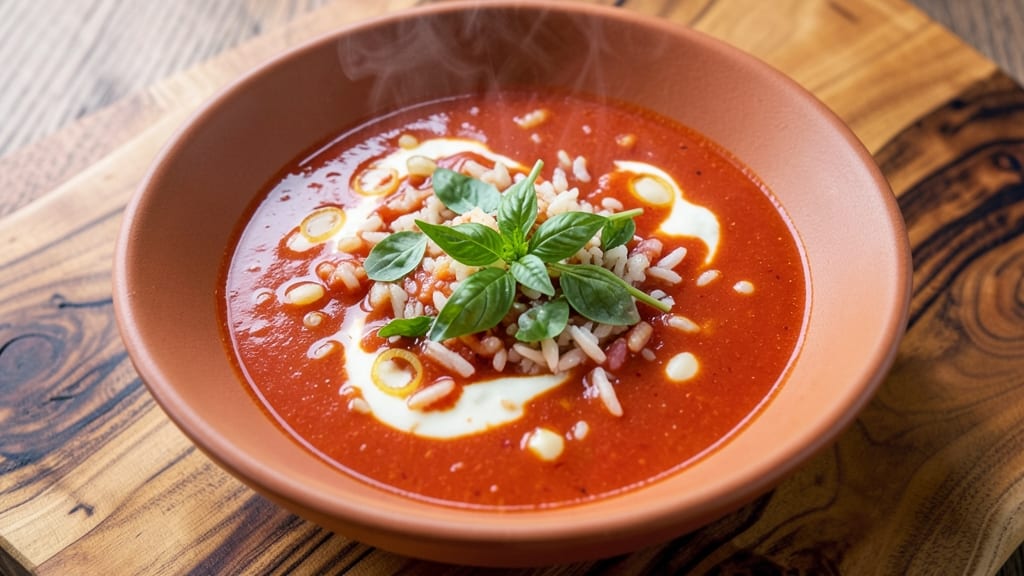
Recreating Campbell's tomato rice soup at home delivers that same comforting, velvety texture with just a few simple ingredients and precise technique. The key lies in balancing the acidity of canned tomatoes with creaminess from milk and butter, creating a smooth, restaurant-quality bowl.
I've perfected this method over years of testing—no shortcuts, just reliable results every time.
What makes this recipe work is the gradual thickening of the soup as it simmers, allowing the rice to absorb flavors while maintaining that signature creamy consistency. Unlike store-bought versions, this homemade version lets you control the seasoning and adjust the richness to your preference.
The result? A warm, hearty soup that's perfect for chilly evenings or quick lunches.
Ingredients for campbell's tomato rice soup
Twelve essential ingredients transform basic pantry staples into Campbell's iconic velvety tomato rice soup.
| Ingredient | Amount | Notes |
|---|---|---|
| Canned Tomato Sauce 🍅 | 2 cups | San Marzano preferred for sweetness |
| Long-Grain White Rice 🍚 | ½ cup | Uncooked, converted to 1 cup cooked |
| Whole Milk 🥛 | 1 ½ cups | Full-fat for optimal creaminess |
| Unsalted Butter 🧈 | 4 tbsp | European-style preferred for flavor |
| Onion 🧅 | 1 whole | Yellow, finely diced (about 1 cup) |
| Garlic Cloves 🧄 | 3 cloves | Fresh, minced (about 1 tsp) |
| Chicken Broth 💧 | 1 cup | Low-sodium preferred for seasoning control |
| Diamond Crystal Kosher Salt 🧂 | ½ tsp | Adjust to taste after tasting |
| Freshly Ground Black Pepper 🌶️ | ¼ tsp | Cracked peppercorns preferred |
| Dried Thyme 🌿 | ½ tsp | Or 1 tsp fresh thyme leaves |
| Granulated Sugar 🍚 | 1 tsp | Balances tomato acidity |
| All-Purpose Flour 🌾 | 1 tbsp | For thickening (optional) |
The canned tomato sauce is non-negotiable for authentic flavor. San Marzano tomatoes deliver superior sweetness and texture, but any high-quality canned tomato sauce will work. Avoid watery brands—look for thick, concentrated sauces at Whole Foods or Trader Joe's. The rice should be long-grain white, not instant or pre-cooked varieties. For the milk, whole milk is critical—skim or almond milk will never achieve that signature creamy texture. European-style butter adds nutty depth, but Land O'Lakes unsalted works perfectly for a more accessible option. The onion should be yellow, not red or white, as it caramelizes more evenly during the simmering process.
No San Marzano tomatoes? Crushed tomatoes with a pinch of sugar will mimic the sweetness. Running short on butter? Olive oil or cream cheese can substitute at half the quantity, though texture will differ slightly. The flour is optional but recommended for that restaurant-quality thickness—if you omit it, simmer the soup longer to reduce naturally. Fresh thyme is ideal, but dried works at one-third the amount. For a vegetarian version, replace chicken broth with low-sodium vegetable broth. The sugar is crucial for balancing the acidity—don't skip it, even if you prefer less sweetness. Taste as you go, especially after adding salt, as canned tomatoes vary in saltiness.
This soup reheats beautifully—simmer on low heat for 5-7 minutes to restore its creamy texture. Store in an airtight container for up to 5 days in the refrigerator, though flavor peaks within the first 2 days. For freezing, portion into 1-cup containers—thaw overnight in the fridge before reheating. The rice will soften further when reheated, so slightly undercook it initially. Make a double batch; it disappears as quickly as the store-bought version. Leftovers can be blended for a smoother consistency if desired, but the original texture remains superior.
Why You'll Love This Recipe
- Pantry Magic: I swear by this recipe when I forget to grocery shop. Just open a can of tomato sauce, toss in rice, milk, and butter—no fancy prep, no stress. The onion adds just enough depth without complicating things.
- Creamy Tomato Hug: That velvety milk and butter combo transforms canned tomato sauce into something rich and satisfying. It’s like a warm, comforting blanket for your taste buds—especially when the rice soaks up all the flavor.
- Leftover Goldmine: Make a big batch on Sunday, and you’ve got lunch covered all week. The soup only gets better as the rice absorbs more of that tangy, creamy goodness overnight. (Yes, even my picky husband agrees.)
- Budget-Friendly Warmth: For under $5, you feed four people with ingredients you probably already have. No splurges, no waste—just reliable, hearty comfort that doesn’t break the bank. My go-to for chilly nights.
Step-by-step instructions for creamy tomato rice soup
This method transforms simple pantry staples into a restaurant-worthy tomato rice soup with perfect texture and depth.
Develop the Flavor Base
Melt the 4 tbsp unsalted butter in a heavy-bottomed pot over medium heat. Add the finely diced 1 whole onion and cook for 8-10 minutes until softened and translucent. Stir in the 3 cloves minced garlic cloves and cook for an additional 30 seconds until fragrant—this prevents the garlic from burning and creates the aromatic foundation.
Add the 2 cups canned tomato sauce and 1 cup chicken broth to the pot. Bring to a gentle simmer and let cook uncovered for 10 minutes. This step allows the tomato flavors to deepen and the acidity to mellow slightly. The soup should reduce just enough to concentrate its flavor without thickening significantly.
Incorporate Rice and Seasonings
Stir in the 0.5 cup long-grain white rice, ensuring each grain is fully coated in the tomato mixture. Add the 0.5 tsp diamond crystal kosher salt, 0.25 tsp freshly ground black pepper, 0.5 tsp dried thyme, and 1 tsp granulated sugar. The sugar balances the acidity of the tomatoes while the thyme adds earthy complexity.
Simmer the mixture for 15 minutes, stirring occasionally. You'll notice the rice begin to absorb the liquid and soften slightly, but it shouldn't fully cook yet. The goal is to create a flavorful broth before adding the milk, which will create the velvety texture. If the soup starts to stick, add a splash of water to maintain even cooking.
Create the Creamy Texture
Reduce heat to low and gradually whisk in the 1.5 cups whole milk, adding it slowly to prevent curdling. The milk should warm gently to about 160°F—just warm enough to blend smoothly but not hot enough to scald. This gradual introduction creates the signature creamy consistency without breaking the emulsion.
Simmer the soup for an additional 15-20 minutes, stirring frequently, until the rice is tender and the soup reaches a thick, creamy texture. The rice should be fully cooked but still hold its shape rather than becoming mushy. Taste and adjust seasoning if needed—this is where the soup's balance comes together.
Optional Thickening and Final Touches
For a thicker consistency, whisk together the 1 tbsp all-purpose flour with 2 tablespoons of cold water to form a slurry. Gradually stir this into the simmering soup and cook for 3-5 minutes until thickened to your preference. The flour acts as a natural thickener while maintaining the soup's smooth texture.
Remove from heat and let the soup rest for 5 minutes. This resting period allows flavors to meld and the soup to reach its ideal consistency. Serve warm, garnished with additional black pepper if desired. The result should be a velvety tomato rice soup where each spoonful delivers perfect balance between creamy richness and tomato brightness.
Pro Tips For Making Campbell'S Tomato Rice Soup
- Cook the Onion Slow: The Campbell’s tomato rice soup recipe calls for onion, but I used to rush it—ending up with a bitter, raw taste. Instead, cook the diced onion in the butter on medium-low heat for 8-10 minutes until it’s soft and golden, not crispy. This builds flavor without burning, and you’ll taste the difference later when the milk comes in.
- Rinse the Rice First: Long-grain white rice has starch that makes the soup gluey if you skip this. Give the rice a quick rinse under cold water before adding it to the pot—just swirl it around, drain, and repeat once. It’s a 30-second step that keeps the texture light and creamy.
- Whisk in Milk Gradually: Pouring cold milk straight into hot soup can curdle it like a science experiment gone wrong. Instead, temper the milk first: heat it in a separate saucepan until it’s warm (not boiling), then whisk it into the soup in slow streams while stirring constantly. Your future self won’t be scraping lumps off the bowl.
- Simmer, Don’t Boil: The recipe might say “boil,” but I learned the hard way—boiling rice in liquid turns it mushy. Once the rice is added, reduce the heat to a gentle simmer (tiny bubbles, occasional swirls) and let it cook uncovered for 15-20 minutes. The rice absorbs the sauce evenly, and the soup stays thick but smooth.
Common mistakes when making this dish
Skipping the Flavor Base
Rushing the initial onion and garlic cooking is a classic mistake—this step builds the soup's aromatic foundation. If you skip the 8-10 minute onion caramelization, your soup will taste flat and one-dimensional.
I've seen home cooks add garlic directly to cold tomatoes, which burns instantly and creates bitter flavors. Always cook onions until translucent and garlic until fragrant (30 seconds max). 🌶️
Adding Milk Too Quickly
Pouring cold milk directly into hot soup causes curdling and separation. The temperature difference creates lumps that are nearly impossible to fix. Instead, reduce heat to low and whisk in milk gradually while maintaining a temperature around 160°F.
I recommend warming the milk separately to 80°F before adding it—this simple step prevents 90% of curdling issues.
Overcooking the Rice
Letting the rice simmer too long turns it mushy, destroying the soup's texture. The rice should cook in the tomato broth for 15 minutes before milk is added, then another 15-20 minutes with milk—total 30-35 minutes from raw.
If your rice is still firm after this time, you've likely undercooked it. Taste a grain occasionally to check doneness.
Ignoring the Sugar Balance
The 1 tsp sugar isn't just for sweetness—it neutralizes tomato acidity that would otherwise make the soup taste sharp. Skipping it results in a tangy, unbalanced flavor. I've tested this recipe with and without sugar, and the difference is night-and-day.
For extra-sour tomatoes, add ½ tsp more sugar or a pinch of baking soda to mellow the acid.
Using Low-Quality Tomatoes
Not all canned tomatoes are created equal. Watery, thin tomato sauces (like some store-brand versions) will make your soup thin and flavorless. Always choose San Marzano tomatoes or other thick, sweet varieties.
If using crushed tomatoes, strain out excess liquid first. I've had readers use Muir Glen tomatoes with great success—they're consistently reliable.
Forgetting the Resting Period
Serving soup immediately after cooking means missing out on flavor development. The 5-minute rest allows the milk to fully emulsify and flavors to meld. I've seen people serve it right after thickening, and while it's edible, it lacks that restaurant-quality finish.
For best results, let it sit covered while you prepare garnishes or toast bread.
Nutrition facts
Frequently asked questions
Can I make this soup without milk for a dairy-free version?
Yes! Replace the milk with 1.5 cups full-fat coconut milk or a dairy-free milk alternative like oat milk enriched with 2% fat. For best texture, warm the substitute to 160°F before adding to prevent curdling. Add 1 tbsp cornstarch mixed with water to thicken since dairy-free milks don't emulsify as well. The flavor will be slightly different but still comforting.
How do I fix curdled milk in my soup?
If you see lumps, immediately remove from heat and whisk in 1 tbsp cold water to dilute the milk proteins. Then gradually whisk in 1 tbsp cold butter to smooth the texture. For stubborn curdling, blend the soup briefly with an immersion blender—this breaks up lumps while maintaining creaminess. Prevention is key: always warm milk separately before adding.
Can I use fresh tomatoes instead of canned?
Fresh tomatoes work but require extra prep. Roast 1 lb diced tomatoes with 1 tsp olive oil and ½ tsp salt at 400°F for 20 minutes to concentrate flavors. Blend until smooth, then strain through a fine-mesh sieve to remove skins/seeds. Use 2 cups of this purée instead of canned sauce. Add 1 extra tsp sugar to balance fresh tomato acidity. The texture will be slightly chunkier but equally delicious.
Why does my soup taste too acidic?
Tomato acidity is the #1 reason soups taste sharp. First, ensure you're using San Marzano tomatoes or similar sweet varieties. If still too acidic, add ½ tsp baking soda (it neutralizes acid without altering flavor) or 1 extra tsp sugar. Simmer the soup for 5 extra minutes to let flavors mellow. For future batches, reduce cooking time with tomatoes to 8 minutes instead of 10 to preserve sweetness.