
Main Courses
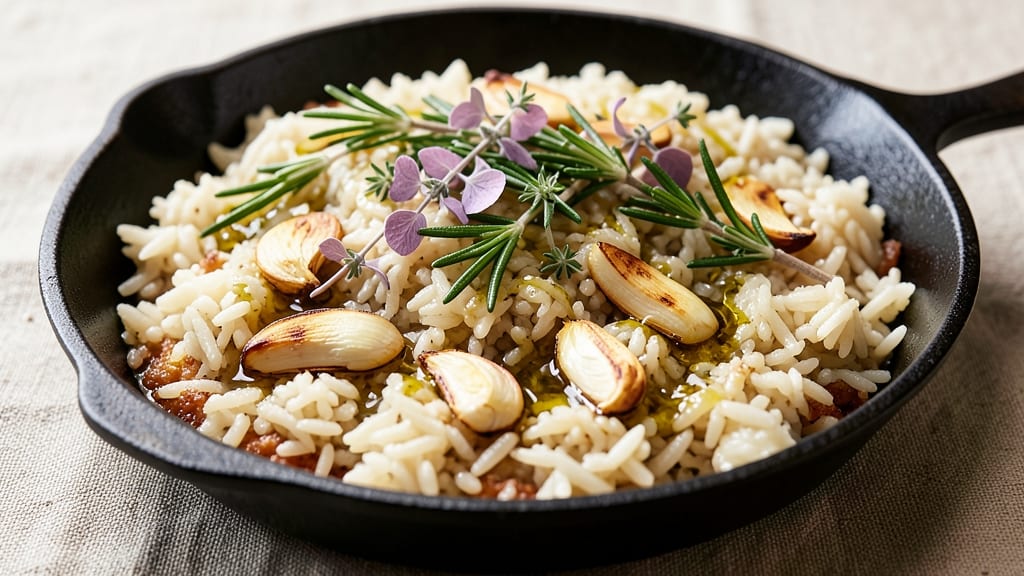
This Canadian rice recipe transforms simple grains into a fragrant, herb-infused pilaf with a toasted garlic crunch—perfect for elevating weeknight dinners. Inspired by traditional Canadian comfort food, this dish balances earthy spices with bright aromatics, creating a texture that’s both tender and satisfying.
The secret lies in slow-toasting the garlic and herbs until golden, which infuses the rice with deep, nutty flavor without overpowering its natural taste.
The result is a restaurant-quality pilaf that pairs beautifully with roasted meats, grilled fish, or even as a standalone dish. Each bite delivers a harmonious blend of garlic, herbs, and perfectly cooked grains, making it a versatile addition to any meal.
Whether you're serving a family dinner or hosting a gathering, this recipe delivers bold flavor with minimal effort—a true Canadian culinary gem.
Ingredients for canadian rice
Twelve ingredients transform into a restaurant-quality Canadian herb-infused pilaf with nutty garlic depth.
| Ingredient | Amount | Notes |
|---|---|---|
| Long-Grain White Rice 🍚 | 1 ½ cups | Uncooked, rinsed thoroughly |
| Garlic Cloves 🧄 | 8 whole | Fresh, peeled, for toasting |
| Fresh Thyme Leaves 🌿 | ½ cup | Stems removed, finely chopped |
| Fresh Rosemary 🌿 | ¼ cup | Stems removed, finely chopped |
| Extra-Virgin Olive Oil 🫒 | ½ cup | High-quality, fruity variety |
| Vegetable Broth 💧 | 2 cups | Low-sodium, homemade preferred |
| Dried Bay Leaves 🌿 | 2 whole | Crushed lightly for aroma |
| Ground Cumin 🌿 | ½ tsp | Toasted for enhanced flavor |
| Ground Black Pepper 🌶️ | ½ tsp | Freshly ground preferred |
| Kosher Salt 🧂 | 1 ½ tsp | Diamond Crystal preferred |
| Fresh Parsley 🌿 | ¼ cup | Chopped, for garnish |
| Unsalted Butter 🧈 | 2 tbsp | Cold, cubed for finishing |
The garlic and herbs are the heart of this dish—freshness is non-negotiable. For the garlic, local farmers' markets often carry the sweetest varieties, but any plump, firm cloves will work. Thyme and rosemary should be vibrant green with no wilting. If using dried herbs, reduce to one-third the amount—fresh delivers that authentic Canadian comfort flavor. Whole Foods or Costco bulk sections offer excellent quality for these aromatics. Toasting the garlic and herbs until golden is critical; this step develops their natural oils, creating that signature nutty crunch without overpowering the rice.
Vegetable broth can be homemade or high-quality store-bought—avoid the salty canned versions. Low-sodium is key here, as you'll be adding salt later. For the rice, long-grain white ensures a perfect texture, but jasmine or basmati work equally well. Swap extra-virgin olive oil for avocado oil if you prefer a milder flavor profile. The butter at the end isn't just for richness—it adds a luxurious finish. European-style butter like Plugrá or Kerrygold elevates the dish further. If you're short on time, pre-toasted garlic powder can substitute, though it lacks the depth of fresh.
Store any unused fresh herbs in a damp paper towel-lined container for up to 5 days. The toasted garlic and herbs can be made ahead and stored in an airtight container for 3 days—freeze for up to 3 months if needed. Cooked rice reheats beautifully; add a splash of broth to prevent drying. This pilaf keeps well in the fridge for 4 days or freezes for 2 months. For large gatherings, double the recipe—just ensure even toasting of the garlic and herbs to maintain balance.
Why You'll Love This Recipe
- No-Measure-Guessing Needed: I swear by this recipe because it’s the only rice dish where I don’t have to stress ratios. Toss in 1 part rice to 2 parts water, add the garlic and herbs, and let it simmer—no math, no second-guessing. The rosemary and thyme infuse the oil so well that even if I double the batch, it still tastes like it’s been kissed by a campfire.
- Herb-Infused Magic: That first whiff of garlic sizzling in olive oil? It’s the moment this rice transforms from basic to ridiculously good. The fresh rosemary and thyme don’t just add flavor—they make the rice smell like a cozy Canadian lodge, and honestly? That aroma alone is half the win.
- Leftover Hero: Between us, this rice tastes better the next day. The flavors meld into this deep, savory harmony, and it’s perfect for packing lunches or reheating with a protein. I’ve turned it into a grain bowl, stuffed it in wraps, and even used it to stretch a budget-friendly stew—it’s my secret weapon for making leftovers exciting.
- Weeknight Workhorse: I make this when I’m too tired to think, too hungry to wait, and too lazy to chop anything but garlic (which takes two minutes). One pot, 20 minutes, and zero cleanup—just the sizzle of herbs in oil and the quiet satisfaction of a meal that feels special without the fuss. (Yes, even on a Tuesday night.)
Step-by-step instructions for herb-infused pilaf with toasted garlic crunch
Master this Canadian-inspired technique for aromatic, perfectly textured rice with deep herbal notes.
Toast the Garlic and Prepare the Herb Base
Heat a heavy skillet over medium-low heat and add the 8 whole garlic cloves whole with skins on. Toast them for 8-10 minutes, stirring occasionally, until they're golden brown and fragrant. This creates the signature crunch while building flavor. Remove and set aside, keeping the golden garlic oil in the pan.
In the same pan, add 0.5 cup extra-virgin olive oil and warm over low heat. Add the 0.5 cup fresh thyme leaves and 0.25 cup fresh rosemary, stirring for 1-2 minutes until the herbs release their aromatic oils. Remove from heat and set aside - this infused oil will carry the pilaf's signature herbal depth.
Sauté the Rice and Build Flavor Layers
Return the pan to medium heat and add the 1.5 cups long-grain white rice. Toast the rice for 2-3 minutes, stirring constantly, until it becomes translucent at the edges and slightly golden. This step develops the rice's nutty flavor and prevents mushiness.
Add the 0.5 tsp ground cumin, 0.5 tsp ground black pepper, and 1.5 tsp kosher salt, stirring to coat the rice evenly. The spices will infuse into the rice during cooking, creating complex flavor layers. Add the 2 whole dried bay leaves and 2 cups vegetable broth, bringing to a gentle simmer.
Simmer and Develop the Texture
Reduce heat to low and cover the pan with a tight-fitting lid. Let the rice simmer for 15 minutes without stirring. This undisturbed cooking allows the rice to absorb liquid evenly and develop its characteristic fluffy texture.
After 15 minutes, check the rice - it should be tender but still slightly firm to the tooth. If it's not quite done, continue cooking for another 5 minutes. The rice should be al dente with a slight bite, as it will continue cooking slightly off the heat.
Finish with Toasted Garlic and Butter
Remove the pan from heat and carefully remove the 2 bay leaves. Using a fork, gently fluff the rice to separate the grains. Add the 2 tbsp cold unsalted butter and the 8 toasted garlic cloves, tossing gently to distribute evenly.
Let the pilaf rest covered for 5 minutes to allow the residual heat to finish cooking the rice and meld all the flavors. The butter will coat each grain, adding richness while the toasted garlic provides that signature crunch. Garnish with 0.25 cup fresh parsley before serving.
Pro Tips For Making Canadian Rice
- Toast the Garlic Low: DESCRIPTION: Heat your olive oil on medium-low until it shimmers, then add the whole garlic cloves—no chopping yet. I learned this the hard way after burning garlic into bitter bits; patience here means nutty, golden flavor without charring. Let them sit until they’re just fragrant, then crush them with the side of your knife (no need to remove the skins).
- Rinse Rice Twice: DESCRIPTION: Dump the rice in a fine-mesh strainer and run cold water over it two times, swirling to break up clumps. Skipping this step leaves you with gummy, gluey rice—especially with long-grain varieties. The second rinse removes the last of the starch that makes rice sticky.
- Simmer, Don’t Boil: DESCRIPTION: Once the rice is added, reduce heat to the lowest setting that keeps a gentle simmer—barely any bubbles, just a faint ripple. I used to crank the heat and ended up with dry, crunchy grains. The herbs need time to infuse, not burn.
- Add Herbs Late: DESCRIPTION: Tuck the thyme and rosemary sprigs into the rice after it’s absorbed most of the liquid, then let it steam uncovered for 3–5 minutes. This keeps the leaves from turning bitter and lets their oils bloom right into the rice. (Yes, even if you’re impatient like me.)
Regional styles of this dish
Quebecois Tourtière Pilaf
In Quebec, rice often stars in hearty dishes like Tourtière, Canada's iconic meat pie. This version transforms the classic by replacing the meat with herb-infused rice—keeping the dish's comforting essence while adding a lighter, vegetarian-friendly twist.
The secret lies in blending ground pork or beef (if using meat) with the pilaf's aromatic herbs and spices, then layering it in a pie crust. For authenticity, use Quebec maple syrup in the filling and a buttery puff pastry for the crust. 🇨🇦
Maritime Smoked Salmon Pilaf
Canada's Atlantic coast brings a briny twist to rice with smoked salmon pilaf, a staple in Maritime cuisine. Cook the rice as directed, then fold in flaked smoked salmon, dill, and a splash of lemon juice for brightness.
Top with crumbled feta and toasted walnuts for crunch. This dish pairs perfectly with chilled white wine or a crisp Atlantic Canadian beer like Unibroue. The salmon's smoky depth complements the garlic and herbs beautifully.
Prairie-Style Wild Rice Blend
Canada's prairies celebrate wild rice—actually a grass seed—with earthy, nutty flavors. For a Prairie-inspired twist, replace half the white rice with wild rice (soak it first for 2 hours). Toast the wild rice with the garlic and herbs, then proceed with the recipe.
The result is a chewy, hearty pilaf that's rich in protein and fiber. Serve with roasted bison or venison for a true Canadian wilderness-inspired meal. 🏞️
Indigenous Three Sisters Pilaf
Inspired by Indigenous Three Sisters (corn, beans, squash), this version blends rice with dried corn, black beans, and roasted squash. Cook the rice as directed, then stir in 1 cup cooked black beans, ½ cup dried corn, and ½ cup roasted butternut squash.
Add dried sage and cinnamon for an Indigenous-inspired flavor profile. This dish honors traditional Canadian ingredients while keeping the pilaf's comforting texture.
East Coast Seafood Pilaf
Canada's East Coast shines with seafood pilaf, where the rice becomes a canvas for lobster, scallops, or halibut. Cook the rice as usual, then fold in chopped seafood and a splash of white wine.
Finish with chives and lemon zest. This luxurious version pairs perfectly with chilled oysters or crispy haddock. The garlic and herbs add depth, while the seafood brings a refreshing coastal touch. 🦞
Winter Maple-Glazed Pilaf
Celebrate Canada's winter with a maple-glazed pilaf—drizzle the finished rice with 2 tbsp Quebec maple syrup and 1 tbsp butter, then toss gently. The syrup caramelizes slightly, adding a sweet-savory contrast to the garlic and herbs.
Top with pecans for crunch and serve with roasted duck or maple-glazed sausages. This dish is a cozy, Canadian-inspired centerpiece for cold-weather gatherings. 🍁
Nutrition facts
Frequently asked questions
Can I use this herb-infused rice as a side dish for smoked meat?
This Canadian-style pilaf pairs beautifully with smoked meat like brisket or pulled pork. The toasted garlic and herbs complement the smoky flavors while adding brightness. For extra authenticity, try the Maritime smoked salmon version from the regional styles section.
What's the secret to getting perfectly fluffy rice every time?
The key is toasting the rice first (until translucent) and using the right liquid-to-rice ratio. For this recipe, the 2 cups broth to 1.5 cups rice ratio ensures even cooking. Always use a tight-fitting lid and cook at low heat without stirring during the simmering phase.
Can I make this ahead of time for a potluck?
Yes! This pilaf actually tastes better the next day as flavors meld. Cook it as directed, then store in an airtight container in the fridge for up to 4 days. Reheat gently with a splash of broth to restore moisture. For potlucks, consider making the herb-garlic base ahead and toasting the garlic fresh before serving.
What if I don't have fresh herbs?
Use dried herbs but reduce amounts by one-third. For example, use 1 tbsp dried thyme instead of 0.5 cup fresh. Toast the dried herbs with the garlic for 1 minute to release their oils. The flavor will be different but still delicious—just less vibrant. For maximum flavor, consider growing your own herbs!
How can I make this vegetarian-friendly?
Skip the meat entirely and focus on the rich flavors from the herbs, garlic, and butter. For extra protein, stir in chickpeas or toasted nuts at the end. The Prairie-style wild rice blend or Indigenous Three Sisters version from the regional styles section work perfectly as vegetarian mains.