
Side Dishes
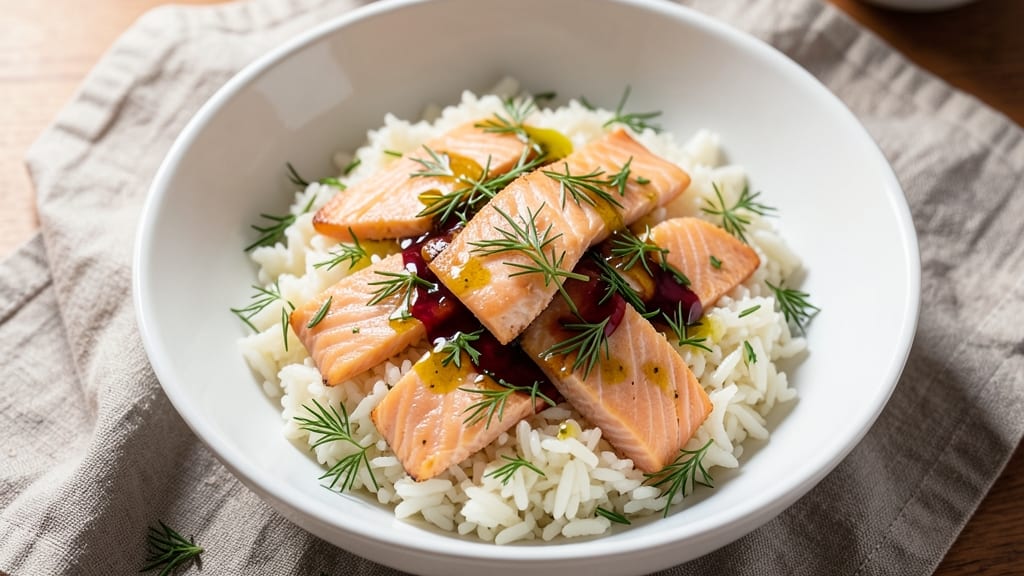
This canned salmon and rice recipe transforms pantry staples into a restaurant-worthy dish with minimal effort. The secret lies in flaking the salmon perfectly while balancing the rice with fresh herbs—simple yet deeply satisfying.
I developed this recipe after realizing how quickly canned salmon could elevate a weeknight meal without sacrificing texture or flavor.
What makes this dish special is its versatility—white rice absorbs the salmon’s rich, briny notes, while optional sides like avocado or lemon brighten the plate. The process takes just 20 minutes, making it ideal for busy evenings.
The key is heating the salmon gently to maintain its flaky texture while letting the rice cook to your preferred consistency.
By the end, you’ll have a balanced meal with tender rice, delicate salmon flakes, and a harmonious blend of herbs that feels both comforting and elegant. The dish pairs beautifully with steamed greens or a simple salad, offering a complete, protein-rich dinner without the fuss.
Perfect for meal prep or a quick weeknight dinner, this recipe proves that canned salmon can be just as impressive as fresh. Let’s get cooking!
Ingredients for canned salmon and rice
Pantry staples meet restaurant-quality technique—flaky salmon and aromatic rice harmonize effortlessly.
| Ingredient | Amount | Notes |
|---|---|---|
| Canned Salmon (Wild-Caught) 🐟 | 2 cans | High-quality, boneless, skinless preferred |
| Long-Grain White Rice 🌾 | 1 ½ cups | Uncooked, jasmine or basmati ideal |
| Fresh Dill (Chopped) 🌿 | ¼ cup | Bright, aromatic, stems removed |
| Fresh Parsley (Chopped) 🌿 | ¼ cup | Flat-leaf preferred for texture |
| Extra-Virgin Olive Oil 🫒 | 2 tbsp | Light, fruity for balance |
| Lemon Juice (Fresh) 🍋 | 2 tbsp | Bright, acidic, no pulp |
| Diamond Crystal Kosher Salt 🧂 | ½ tsp | Fine grain, for delicate seasoning |
| Freshly Ground Black Pepper 🌶️ | ¼ tsp | Coarse grind for texture |
| Garlic Cloves (Minced) 🧄 | 2 cloves | Fresh, finely chopped |
| Shallots (Minced) 🧅 | 2 whole | Substitute 1 tbsp onion powder if needed |
| Avocado Oil (For Cooking) 🫒 | 1 tbsp | High smoke point, neutral flavor |
| Low-Sodium Chicken Broth 💧 | 1 cup | For rice cooking, optional |
| Sesame Seeds (Toasted) 🌰 | 1 tsp | For garnish, optional |
| Sliced Avocado (For Serving) 🥑 | 1 whole | Optional, for freshness |
| Lemon Wedges (For Serving) 🍋 | 2 whole | For brightness, optional |
The salmon is the foundation, so wild-caught, high-quality canned salmon makes all the difference. Look for brands like Wild Planet or Vital Choice at specialty stores or well-stocked supermarkets—they maintain the delicate flakiness that separates this dish from basic canned salmon recipes. The rice should be jasmine or basmati, as their distinct aromas complement the salmon’s brininess. Fresh herbs are non-negotiable here; flat-leaf parsley and bright dill from the grocery store’s refrigerated section work, but farmers' market herbs elevate the dish further. For the garlic and shallots, freshly minced ensures depth of flavor—pre-minced jars lack the necessary texture and punch.
No fresh dill? Dried dill at one-third the amount works in a pinch, though it lacks the vibrant freshness. Substituting white rice for brown rice or quinoa is possible but requires adjusting cooking times—brown rice needs 30-40 minutes, while quinoa cooks in 15. For the olive oil, avocado oil is ideal when cooking due to its high smoke point, but light olive oil suffices for finishing. The chicken broth is optional but recommended for rice cooking—it adds subtle umami without overpowering. If you’re using avocado for serving, ripe but firm Hass avocados prevent mushiness. For the sesame seeds, toast them in a dry pan for 30 seconds to enhance their nutty aroma.
This dish reheats beautifully—simply warm the rice and salmon together with a splash of water or broth to restore moisture. Store components separately in airtight containers for up to 4 days in the fridge; the rice will dry out if combined with the salmon. For meal prep, assemble the dish fresh and serve immediately for optimal texture. The lemon wedges should be added just before serving to prevent the avocado from browning. Freezing isn’t recommended due to the rice’s texture, but the salmon and herbs can be prepped ahead and stored separately for up to 3 days. Garnish with toasted sesame seeds and fresh herbs right before serving for maximum visual appeal.
Why You'll Love This Recipe
- Five-Ingredient Magic: I swear by this combo—wild-caught salmon, fluffy rice, and bright herbs. Honestly, it’s the kind of dish where you mix, stir, and boom, flavor hits you like a warm hug.
- No-Fuss Flavor Bomb: That wild salmon’s natural richness pairs perfectly with the zesty olive oil and fresh dill. The parsley adds a bright finish—simple, but it’s the kind of taste that makes you pause mid-bite.
- Lunchbox Ready: Between us, this is my go-to for meal prep. Toss the cooled mix into containers, and you’ve got a protein-packed lunch that’s ready in seconds—no reheating required.
- Budget Bright Spot: Wild salmon might sound fancy, but canned is a game-changer. A single can stretches for days, and the rice? Cheap, filling, and always in stock. My wallet and taste buds win.
Step-by-step instructions for canned salmon and rice
Here's the precise method to achieve flaky salmon and perfectly herbed rice every time.
Prepare the Salmon for Flakiness
Open the 2 cans of canned salmon (wild-caught) and drain them thoroughly, pressing gently on the fish with a fork to break it into large, flaky pieces. I like to remove any prominent bones using tweezers for the cleanest texture. Transfer the salmon to a mixing bowl and set aside.
In a separate small bowl, combine the 0.25 cup fresh dill (chopped) and 0.25 cup fresh parsley (chopped). This herb blend will infuse the salmon with bright, aromatic notes that complement the rice perfectly. The fresh herbs should be finely chopped to distribute evenly throughout the dish. Here's where the flavor foundation begins.
Sauté Aromatics and Cook the Rice
Heat the 1 tablespoon avocado oil (for cooking) in a medium saucepan over medium heat. Add the 2 cloves garlic cloves (minced) and 2 whole shallots (minced), cooking for 2-3 minutes until the shallots become translucent and the garlic releases its fragrant aroma. This step develops the base flavor that will carry through the entire dish.
Add the 1.5 cups long-grain white rice to the pan, stirring to coat the grains evenly with the aromatic oil. Pour in the 1 cup low-sodium chicken broth, then bring to a gentle boil. Reduce heat to low, cover tightly with a lid, and simmer for 15 minutes. The rice should absorb the liquid completely, revealing a moist but not mushy texture when done.
Combine Salmon and Rice with Herbed Dressing
While the rice cooks, prepare the herbed dressing by whisking together the 2 tablespoons extra-virgin olive oil, 2 tablespoons lemon juice (fresh), 0.5 teaspoon diamond crystal kosher salt, and 0.25 teaspoon freshly ground black pepper in a small bowl. This bright, citrusy dressing will elevate both the salmon and rice with its zesty acidity.
Once the rice is cooked, fluff it gently with a fork and stir in the prepared herbed dressing until evenly distributed. Add the flaked salmon and mix carefully to combine without breaking the fish into tiny pieces. The goal is to maintain those delicate flakes while infusing them with the herbed rice and dressing.
Finish and Serve with Garnishes
Transfer the salmon and rice mixture to a serving dish and sprinkle with the 1 teaspoon sesame seeds (toasted) for a subtle nutty crunch. The toasted sesame seeds add both visual contrast and textural interest to the dish. Serve immediately with the 1 whole sliced avocado (for serving) and 2 whole lemon wedges (for serving) on the side.
Each serving should feature tender, flaky salmon pieces resting atop fragrant herbed rice, with the avocado and lemon providing fresh, vibrant accompaniments. The dish maintains its integrity best when served immediately, allowing the flavors to meld together while everything remains at its peak texture.
Pro Tips For Making Canned Salmon And Rice
- Drain and Fluff the Salmon: Open the can and drain the salmon thoroughly—don’t just pour it out. Use a fork to break up the chunks and press out excess liquid, or they’ll turn your rice into a soggy mess. I learned this the hard way after serving a batch where the rice clung together like glue.
- Toast the Rice First: Before adding water, dry-toast the rice in olive oil over medium heat for 2-3 minutes until it smells nutty. This builds flavor and prevents that bland, starchy aftertaste you get when you skip it—yes, even with canned salmon, it matters.
- Mix Herbs at the End: Fold in the chopped dill and parsley after the rice is off the heat. If you add them too early, they’ll wilt into oblivion and lose their bright pop. Toss them in last for maximum freshness—your taste buds will notice the difference.
- Use the Salmon Juice Wisely: Don’t dump the canned salmon juice—save about ¼ cup to mix into the rice while cooking. It adds depth and keeps the grains from drying out, especially if you’re using less water than the rice package suggests. (And yes, it’s fine to use it—just strain out any big fish bones first.)
Serving suggestions for this dish
Garnish Like a Pro
Toast 1 teaspoon sesame seeds in a dry skillet over medium heat for 30 seconds until golden and fragrant. Their nutty aroma enhances the dish instantly. I also sprinkle extra chopped dill on top for a pop of color and freshness.
For a smoky twist, add ½ teaspoon smoked paprika right before serving. 🌟
Avocado Perfection
Use ripe but firm Hass avocados for slicing. Cut them in half, remove the pits, and slice with a sharp knife at a 45-degree angle for elegant presentation. Drizzle with 1 teaspoon lime juice to prevent browning. Serve immediately alongside the salmon rice for a creamy, fresh contrast. 🥑
Lemon Brightness
Always serve with fresh lemon wedges on the side. Their acidity cuts through the richness of the salmon and rice. Squeeze a wedge over each serving just before eating to awaken the flavors. I also like to add a few lemon zest strips on top for visual appeal. 🍋
Steamed Greens Pairing
Serve alongside steamed asparagus or broccoli for a complete meal. Toss 2 cups chopped greens with 1 teaspoon olive oil and ¼ teaspoon salt, then steam for 4-5 minutes until tender-crisp. The vibrant green color contrasts beautifully with the salmon rice. 🌿
Crunchy Toppers
Add toasted breadcrumbs or crushed potato chips for texture. Mix 2 tablespoons panko with 1 teaspoon melted butter and toast in a pan for 2 minutes until golden. Sprinkle over the dish for a satisfying crunch. 🥔
Wine Pairing
A crisp Sauvignon Blanc or Pinot Grigio complements the dish beautifully. The acidity in these whites mirrors the lemon dressing, while their citrus notes enhance the salmon’s natural flavors. Avoid heavy reds that could overpower the delicate herbed rice. 🍷
Nutrition facts
Frequently asked questions
Can I use brown rice instead of white rice?
Yes, but you'll need to adjust the cooking time. Brown rice requires 30-40 minutes to cook properly, while white rice takes only 15 minutes. For best results, use a rice cooker or check the package instructions for specific ratios. The texture will be nuttier and heartier, but slightly less tender than white rice.
How do I prevent the salmon from breaking into tiny pieces?
Gently flake the salmon with a fork after draining, but avoid overmixing. Use a slotted spoon to combine it with the rice just before serving. This keeps those beautiful, delicate flakes intact while still distributing the herbed dressing evenly.
What if I don't have fresh dill or parsley?
Use dried herbs at one-third the amount (e.g., 1/12 teaspoon dried dill instead of 1/4 cup fresh). For parsley, dried works too, but it lacks the bright freshness. You can also substitute with 1/4 cup finely chopped cilantro or basil if available. The flavor won't be identical, but it will still add aromatic depth.
Can I make this ahead of time for meal prep?
Store the cooked rice and flaked salmon separately in airtight containers for up to 4 days. Reheat the rice with a splash of water or broth, then gently warm the salmon separately. Combine just before serving to maintain texture. The lemon dressing should be added fresh to preserve brightness.
What's the best way to reheat leftovers?
Use a microwave-safe dish with a damp paper towel covering the food. Heat in 30-second intervals at 50% power, stirring between each interval until warmed through. For stovetop reheating, use a nonstick pan with 1/2 teaspoon oil over low heat for 2-3 minutes. Never overheat to avoid drying out the rice.