
Side Dishes
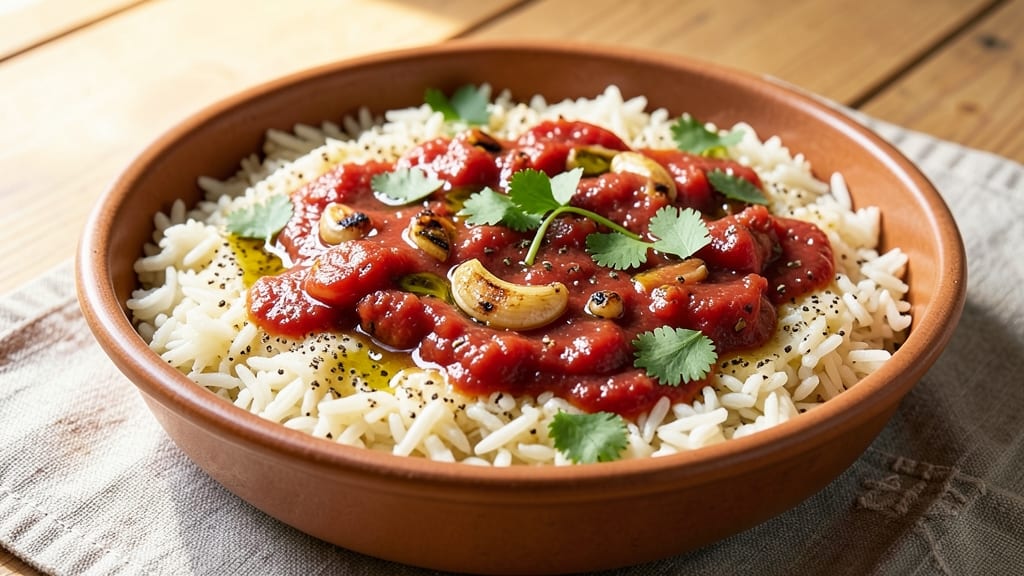
Transforming humble canned tomatoes and rice into a West African-inspired one-pot spice bomb is the kind of recipe that turns pantry staples into something extraordinary. This dish delivers bold, aromatic flavors with minimal effort—just 20 minutes of active work and a simmer that builds layers of complexity.
The key lies in balancing smoky spices, fresh herbs, and the natural acidity of canned tomatoes to create a dish that’s both comforting and exciting.
What makes this recipe special is its versatility—serve it as a side dish alongside grilled meats or transform it into a light main with the addition of protein like chicken or shrimp.
The rice absorbs the rich, tomato-based sauce, resulting in grains that are tender yet distinct, while the spices—think ginger, garlic, and a touch of cayenne—infuse every bite with warmth. It’s the kind of meal that feels indulgent without requiring hours in the kitchen.
The result is a fragrant, deeply flavorful dish with a golden-brown crust on top and perfectly cooked rice underneath, all infused with the vibrant taste of West African spices. The sauce is thick enough to coat each grain but light enough to let the natural flavors shine through.
This is the recipe I turn to when I want something hearty yet simple, something that tastes like a restaurant dish but comes together in one pot.
Whether you're meal prepping for the week or craving a quick yet satisfying dinner, this one-pot wonder adapts effortlessly. Pair it with crusty bread, a simple salad, or even as a base for tacos—its bold flavors make it a crowd-pleaser every time. Let’s get cooking!
Ingredients for canned tomatoes and rice
Pantry staples meet West African warmth in this aromatic one-pot masterpiece.
| Ingredient | Amount | Notes |
|---|---|---|
| Long-Grain White Rice 🍚 | 1 cup | Uncooked, jasmine or basmati preferred |
| Canned Diced Tomatoes 🍅 | 2 cups | San Marzano preferred, no salt added |
| Chicken or Vegetable Stock 💧 | 2 cups | Homemade or high-quality low-sodium |
| Fresh Ginger Root 🌿 | 1 tbsp | Finely grated, aromatic and fresh |
| Garlic Cloves 🧄 | 4 cloves | Minced, for aromatic depth |
| Ground Cumin 🌶️ | 1 ½ tsp | Toasted for enhanced aroma |
| Smoked Paprika 🌶️ | 1 tsp | For smoky complexity |
| Ground Cayenne Pepper 🔥 | ¼ tsp | Adjust for desired heat |
| Fresh Cilantro Leaves 🌿 | ¼ cup | Chopped, for vibrant freshness |
| Fresh Green Onion 🧅 | 2 whole | Thinly sliced, for brightness |
| Extra-Virgin Olive Oil 🫒 | 2 tbsp | For sautéing and richness |
| Diamond Crystal Kosher Salt 🧂 | 1 ½ tsp | For balanced seasoning |
| Black Peppercorns 🌶️ | ½ tsp | Freshly cracked for texture |
| Lemon Juice 🍋 | 1 tbsp | Freshly squeezed for acidity |
The foundation starts with San Marzano canned tomatoes—their natural sweetness and acidity are non-negotiable for this dish. Their vibrant color and rich flavor elevate the entire recipe, making them worth seeking out at specialty stores like Whole Foods or Trader Joe's, where they're often stocked. For the rice, jasmine or basmati varieties hold up best to the sauce's moisture, offering a delicate texture that contrasts beautifully with the bold spices. Fresh ginger and garlic are essential: look for plump, firm ginger root with no soft spots, and garlic cloves that are firm and free of sprouts. The extra-virgin olive oil should be peppery and robust—California or Italian varieties work best for sautéing the spices.
No San Marzano tomatoes? Crushed tomatoes with no added salt are a solid substitute, though they'll be slightly more acidic. Running short on fresh ginger? Ground ginger at half the amount works in a pinch, though it lacks the same depth. For the kosher salt, Diamond Crystal is ideal, but Morton's is fine if that's what you have. The cilantro and green onions can be swapped for fresh parsley if you prefer a milder flavor, though they won't carry the same bright, fresh character. If you're avoiding gluten, ensure your smoked paprika is certified gluten-free—some brands process in shared facilities.
This dish tastes even better the next day as the flavors meld, so double the batch if you're meal prepping. Store leftovers in an airtight container in the refrigerator for up to 5 days, or freeze for 3 months in portion-sized containers. For a restaurant-quality crust, sprinkle a pinch of kosher salt and smoked paprika on top before baking. The rice-to-sauce ratio can be adjusted: more rice for a lighter dish, more sauce for a heartier bowl. Serve with crusty bread or alongside grilled proteins to round out the meal.
Why You'll Love This Recipe
- Pantry Powerhouse: I swear by this recipe when my fridge is bare—just open a can of tomatoes, grab rice, and boom. No last-minute grocery runs, no stress. The stock and ginger add depth without extra shopping.
- Ginger-Garlic Magic: That fresh ginger and garlic? They turn simple rice into something ridiculously good. The tomatoes soak up the flavors like a sponge, giving you a bright, savory bite every time. My kids don’t even notice it’s canned—honestly, they fight over seconds.
- Leftovers That Shine: This dish actually improves the next day. The rice softens perfectly, the tomatoes meld into a richer sauce, and reheating takes two minutes. I make a big batch on Sundays and eat it all week—no sad, dry rice here.
- Budget Meal, Big Payoff: For under $5, you feed four people with real flavor. No fancy ingredients, no waste—just rice, tomatoes, and a few pantry staples. It’s my go-to when I need to stretch a meal without sacrificing taste. (Yes, even on a Tuesday night.)
Step-by-step instructions for West African-inspired one-pot spice bomb
Here's the method for a deeply flavorful, aromatic dish that builds complexity through layering spices and fresh herbs.
Sauté Aromatics Until Fragrant
Heat the 2 tablespoons extra-virgin olive oil in a heavy-bottomed pot over medium heat. Add the 4 cloves minced garlic and 1 tablespoon finely grated fresh ginger root, stirring constantly for 1-2 minutes until the garlic becomes golden and the ginger releases its bright aroma. This step is critical—don't rush it. The aromatics should sizzle gently without burning, which would create bitterness rather than depth of flavor.
Real talk: If your kitchen smells like a West African market at this point, you're doing it right. The combination of garlic and ginger forms the aromatic foundation for everything that follows. Keep the heat at medium—too high and you'll scorch the spices before they develop their full potential.
Toast Spices for Enhanced Depth
Immediately add the 1.5 teaspoons ground cumin and 1 teaspoon smoked paprika, stirring vigorously for 30 seconds until the spices begin to darken slightly and release their oils. This dry-toasting step amplifies their natural flavors—you'll notice the cumin's earthiness and the paprika's smoky character become more pronounced. Be careful not to let them burn; they should just barely begin to color.
After 30 seconds, add the 0.25 teaspoon ground cayenne pepper and continue stirring for another 15 seconds. The cayenne introduces subtle heat that will mellow as the dish simmers. Here's where it gets fun: The spices should now coat the bottom of the pot in a thin, fragrant layer. If they stick, reduce the heat to medium-low temporarily while stirring to release them from the pan.
Build the Flavor Base with Tomatoes and Stock
Pour in the 2 cups canned diced tomatoes and stir to combine with the spices. Let the mixture simmer uncovered over medium heat for 5 minutes, allowing the tomatoes to break down and release their juices. This reduction step concentrates their natural sweetness and acidity, which balances the earthy spices.
After 5 minutes, add the 2 cups chicken or vegetable stock and the 1.5 teaspoons diamond crystal kosher salt. Stir well to dissolve the salt completely. The mixture should now be a rich, thick tomato-spice blend with visible depth of color. This is your flavor base—everything else will build upon it. If the mixture appears too thick, add 2-3 tablespoons water to loosen it slightly while maintaining the intended consistency.
Incorporate Rice and Simmer to Perfection
Add the 1 cup uncooked long-grain white rice, stirring gently to distribute it evenly throughout the liquid. The rice should be fully submerged, but don't worry if it's not perfect—it will cook as the liquid absorbs. Bring the mixture to a gentle boil over medium-high heat, then immediately reduce the heat to low to maintain a slow, steady simmer.
Cover the pot with a tight-fitting lid and cook for 20 minutes without disturbing it. This undisturbed simmer allows the rice to absorb the flavorful liquid evenly and develop a tender, fluffy texture. Here's the thing—your oven might run hot, so start checking at the 18-minute mark for doneness. The rice should be tender but still have a slight bite, as it will continue cooking with residual heat after removing from the stove.
Finish with Fresh Herbs and Brightness
Once the rice is tender, remove the pot from heat and let it sit covered for 5 minutes. This resting period allows the rice to finish absorbing any remaining liquid and develop a more cohesive texture. After resting, stir in the 0.25 cup chopped fresh cilantro leaves and 2 whole thinly sliced fresh green onions, along with the 1 tablespoon freshly squeezed lemon juice. The cilantro adds vibrant freshness, while the lemon juice cuts through the richness of the spices and brightens the entire dish.
Taste and adjust seasoning if needed—you might want to add a pinch more salt or a splash of lemon juice to balance the flavors. The dish should be aromatic, slightly spicy, and deeply savory with a bright finish. Serve immediately in a deep bowl, garnished with an extra sprinkle of cilantro and green onion for visual appeal. The flavors will continue to meld as it sits, but this dish is best enjoyed fresh from the pot.
Pro Tips For Making Canned Tomatoes And Rice
- Toast the Aromatics First: Sauté minced garlic and grated ginger in 1 tablespoon of oil over medium-high heat until the garlic just turns golden—about 60 seconds. I learned this the hard way: skipping this step leaves your dish tasting flat, like someone forgot to season it. The tomatoes and stock will absorb that nutty, aromatic punch, making the whole dish sing.
- Drain and Rinse Tomatoes: Open the can of diced tomatoes, drain and rinse them under cold water to wash away excess salt and that weird metallic can taste. Sounds weird, but it works: the rice won’t turn briny, and the sauce stays bright. I used to skip this, and the flavor always felt off—like eating a dish that forgot to introduce itself properly.
- Use a 1:1.5 Rice-to-Liquid Ratio: For every cup of long-grain white rice, use 1.5 cups of stock (not water)—this prevents gummy rice. I was skeptical until I tried it: the rice stays separate, the stock gets absorbed just right, and you’re not left with a sad, gluey mess. (Yes, even if you’re impatient like me.)
- Simmer, Don’t Boil: Once the rice is added, reduce the heat to low and let it simmer uncovered for 15 minutes, stirring occasionally. Boiling it turns the rice mushy and scatters it everywhere—like a toddler with a spoon. Low and slow keeps the grains intact and lets the tomatoes caramelize slightly, adding depth. Your future self will thank you.
Flavor customization for this dish
Spicy Heat Level
Adjust the cayenne pepper to control heat—start with ¼ teaspoon for mild warmth, then increase to ½ teaspoon for a noticeable kick. For extra spice, add ½ teaspoon of Penzeys hot honey at the end or a pinch of red pepper flakes while serving.
If you love heat, toast ½ teaspoon of crushed chili flakes with the spices in Step 2 for a smoky, fiery depth. 🌶️
Smoky Depth Boost
Swap the smoked paprika for ½ teaspoon of chipotle powder or ½ teaspoon of liquid smoke for a deeper, campfire-like flavor. For authenticity, add ½ teaspoon of West African berbere spice blend (available at specialty stores or online) to the sautéed aromatics.
This blend combines cayenne, coriander, fenugreek, and cardamom for a complex, earthy-sweet profile.
Citrus Brightness
Enhance the dish with 1 tablespoon of lime juice instead of lemon for a tangier, tropical twist. For a sweeter contrast, add 1 tablespoon of honey or agave nectar to the simmering sauce in Step 3.
A pinch of zest from 1 lime or lemon (about ½ teaspoon) brightens the flavors without overpowering the spices.
Herb Variations
Swap cilantro for fresh parsley if you prefer a milder herb, or add 2 tablespoons of chopped fresh basil for a Mediterranean twist. For a West African-inspired herb blend, mix 1 tablespoon each of chopped cilantro, basil, and scallions at the end.
The herbs should be added fresh after cooking to preserve their vibrant flavors. 🌿
Protein Additions
Transform this into a hearty main by adding 1 cup of cooked chicken, shrimp, or chickpeas in Step 4. For chicken, use ½ pound of diced, pre-cooked rotisserie chicken for convenience.
For shrimp, add ½ pound of peeled, deveined shrimp in the last 5 minutes of cooking so they don’t overcook. The protein absorbs the rich tomato-spice sauce beautifully.
Texture Contrast
Add ½ cup of toasted peanuts or crushed cashews for crunch, especially if serving as a side dish. For a creamy texture, stir in ¼ cup of coconut milk in the final 5 minutes of cooking.
To elevate the dish like a restaurant meal, top with crispy fried shallots or toasted panko breadcrumbs before serving. These additions balance the dish’s richness with contrasting textures. ✨
Nutrition facts
Frequently asked questions
Can I use brown rice instead of white rice in this recipe?
Yes, but you'll need to adjust the cooking time. Brown rice requires 30-40 minutes of simmering (instead of 20 minutes) to fully cook. Start checking for doneness at 25 minutes—the grains should be tender with a slight bite. Brown rice absorbs more liquid, so you may need to add ½ cup extra stock if the mixture seems dry. The nuttier flavor pairs beautifully with the tomato-spice blend!
What if I don’t have fresh ginger or garlic?
No problem! Use ½ teaspoon ground ginger (half the fresh amount) or 1 teaspoon garlic powder as substitutes. For best results, toast the powdered spices in the oil for 30 seconds to enhance their flavor. Skip the cayenne if you're avoiding garlic/ginger entirely—the dish will still be delicious but less aromatic. Fresh is ideal, but these work in a pinch.
How do I prevent the rice from getting mushy?
Stick to the 1:2 rice-to-liquid ratio (1 cup rice to 2 cups liquid) and avoid stirring the rice after it starts cooking. The 20-minute simmer at low heat is key—too high heat or peeking under the lid too often releases steam and makes the rice gummy. If you're worried, use jasmine rice, which holds up better to saucy dishes. Let it rest covered for 5 minutes after cooking to firm up.
Can I make this recipe in an Instant Pot or rice cooker?
For an Instant Pot, sauté the aromatics and spices as directed, then add all ingredients (including rice) and cook on High Pressure for 8 minutes. Let it naturally release pressure for 10 minutes, then stir in fresh herbs and lemon juice. In a rice cooker, follow the same steps but cook on High for 25 minutes (or until rice is tender). Both methods work—just monitor the liquid level closely.
Why does my tomato-rice dish taste bland?
Most likely, the spices weren’t toasted long enough or the salt wasn’t dissolved properly. Always toast spices for 30 seconds to release their oils, and stir the salt into the hot liquid until fully dissolved. Taste as you go—add ½ teaspoon more salt or a splash of lemon juice to brighten flavors. For depth, simmer the tomatoes 5 minutes longer to concentrate their natural sweetness.