
Main Courses
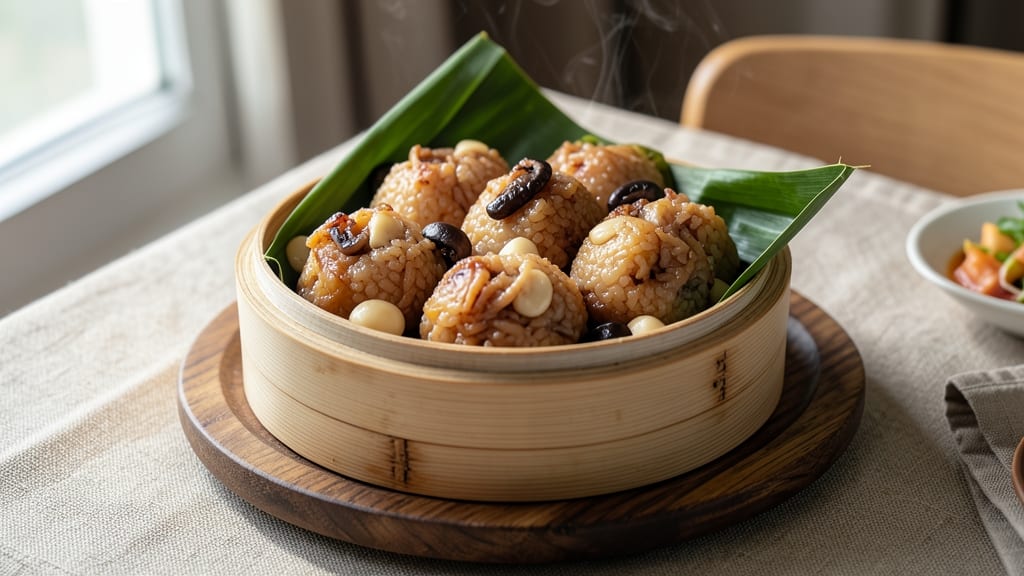
Cantonese rice dumplings bring the essence of Lunar New Year celebrations to your kitchen with their fragrant five-spice filling wrapped in chewy glutinous rice. The traditional technique requires patience—each dumpling must be carefully wrapped by hand in bamboo leaves, creating a harmonious balance of textures and flavors.
This recipe delivers the authentic experience, from the aromatic spices to the tender rice that transforms with steaming.
The key to perfect rice dumplings lies in the preparation: soaking the bamboo leaves to prevent tearing, cooking the glutinous rice until just tender, and seasoning the filling with five-spice powder for that signature warmth.
While the process demands attention to detail, the result—a delicate yet satisfying bite—makes every step worthwhile. The dumplings can be steamed or boiled, offering flexibility for different cooking methods.
What you'll achieve is a plate of dumplings with a glossy exterior from the bamboo leaves, a fragrant filling infused with five-spice, and a satisfying chew from the perfectly cooked rice.
The aroma alone will transport you to bustling Chinese markets, while the taste delivers restaurant-quality results at home. This is a dish that honors tradition while being accessible to home cooks.
Whether you're celebrating a festival or simply craving a taste of Cantonese cuisine, these rice dumplings make an impressive centerpiece. The recipe scales beautifully for gatherings, and leftovers reheat well. Let's begin the process of creating these iconic treats.
Ingredients for cantonese rice dumpling
Authentic Cantonese flavors start with these twelve essential ingredients for fragrant rice dumplings.
| Ingredient | Amount | Notes |
|---|---|---|
| Glutinous Rice (Sweet Rice) 🍚 | 1 ½ cups | Uncooked, short-grain preferred |
| Bamboo Leaves (Fresh) 🌿 | 12 whole | Soaked for 10 minutes |
| Five-Spice Powder 🌶️ | 1 ½ tsp | Authentic Chinese blend |
| Shredded Pork (Lean) 🥓 | 1 lb | Finely minced, fat removed |
| Water Chestnuts 🌰 | 14 oz | Drained, finely chopped |
| Dried Shiitake Mushrooms 🍄 | 4 whole | Rehydrated, finely chopped |
| Green Onions 🧅 | 4 whole | White and green parts separated |
| Salt 🧂 | ½ tsp | Diamond Crystal kosher |
| Light Soy Sauce 🍶 | 2 tbsp | Kikkoman preferred |
| Sesame Oil 🫒 | 1 tsp | Toasted, for aroma |
| Lard (or Vegetable Shortening) 🧈 | 2 tbsp | For sealing dumplings |
| Char Siu (Chinese BBQ Pork) 🥩 | ½ cup | Finely chopped, optional |
The bamboo leaves are non-negotiable for authentic texture—Asian markets carry them fresh or frozen. If unavailable, dried leaves work but require longer soaking. For the glutinous rice, short-grain varieties from H Mart or local Asian grocers yield the best chewy texture. The five-spice powder should be a balanced blend of star anise, cinnamon, fennel, clove, and peppercorn—Penzeys Spices offers an excellent pre-mixed version. When selecting pork, lean cuts prevent greasiness in the filling, and mincing by hand ensures even distribution of flavors.
No bamboo leaves? Wax paper works as a last resort, though texture will differ. Substitute char siu with extra pork or ham, but reduce salt accordingly. For water chestnuts, canned in water is ideal—drain and chop thoroughly. The shiitake mushrooms should be rehydrated in hot water for 20 minutes, then finely minced. If using dried shiitake, double the quantity and soak longer. The green onions add freshness; freeze the white parts for later use in other dishes. For a vegetarian option, replace pork with finely chopped mushrooms and tofu, adjusting seasoning to taste.
Store unassembled ingredients in airtight containers—glutinous rice lasts 6 months at room temperature, while bamboo leaves keep 2 weeks refrigerated after soaking. Prep the filling ahead and refrigerate for up to 3 days before wrapping. Assembled dumplings can be steamed immediately or frozen for 2 months. When reheating, steam for 15-20 minutes for optimal texture. The aroma alone makes this worth the effort—plan to cook when others are nearby to fully appreciate the sensory experience.
Why You'll Love This Recipe
- Steamed in Minutes: I swear, the prep takes less time than boiling pasta. Soak the bamboo leaves for 10 minutes, mix the glutinous rice with pork and water chestnuts—no fancy techniques, just hands-on stuffing. Honestly, the hardest part is tying the knots, and even that’s satisfying once you get the rhythm.
- Five-Spice Magic: That powder transforms everything. The star anise and cinnamon in the five-spice blend cut through the pork’s richness while the bamboo leaves add this earthy aroma that lingers like a hug. Between us, the first bite makes you question why you’ve never made dumplings before.
- Party in a Bite: These are my go-to for potlucks or family dinners—no one leaves hungry. Serve them warm with a soy-vinegar dip, and suddenly you’re the hero. (Yes, even on a Tuesday night.) Kids love picking out the water chestnuts, and adults? They’ll ask for seconds without batting an eye.
- Budget-Friendly Feast: Glutinous rice and bamboo leaves stretch farther than you’d think. A single bag of pork and water chestnuts feeds four, and leftovers steam up just as well the next day. I’ll be real: my grocery bill dropped after I started making these regularly—no takeout needed.
Step-by-step instructions for Cantonese rice dumplings
Master the art of traditional Cantonese rice dumplings with this precise method.
Prepare the Glutinous Rice Filling
Soak the 12 whole bamboo leaves in warm water for 10 minutes to soften and make them pliable. While they soak, spread the 1.5 cups glutinous rice evenly on a microwave-safe plate and cover with a damp paper towel. Microwave for 3 minutes on high to partially cook the rice—it should be tender but still slightly firm when pressed.
In a large bowl, combine the partially cooked rice with 1 lb shredded pork, 14 oz finely chopped water chestnuts, 4 whole rehydrated and chopped dried shiitake mushrooms, and the white parts of 4 whole green onions (finely chopped). Sprinkle the 1.5 tsp five-spice powder and 0.5 tsp salt over the mixture. Stir in 2 tbsp light soy sauce and 1 tsp toasted sesame oil until everything is evenly coated. If using, fold in the 0.5 cup finely chopped char siu for added depth of flavor.
Assemble the Dumplings
Drain the bamboo leaves and lay each one flat on a clean surface. Place 1 heaping tablespoon of the rice mixture near the bottom of each leaf, about 1 inch from the sealed edge. Fold the bottom of the leaf up over the filling, then fold in the sides tightly to create a neat, rectangular package. Seal the top edge by rolling it inward and pressing firmly to create a tight, airtight seal.
I press down gently on the sealed edge with my thumb to ensure no filling escapes during cooking. The dumplings should be snug but not overly tight—this prevents bursting while allowing steam to escape gradually. Arrange the sealed dumplings seam-side down on a plate, ready for cooking.
Steam to Perfectly Chewy Texture
Fill a large pot or steamer with 2 inches of water and bring to a rolling boil. Place a steamer basket or colander inside the pot, ensuring it doesn't touch the water. Arrange the dumplings in a single layer on the steamer, leaving ½ inch of space between each one for even steam circulation. Cover the pot with a tight-fitting lid.
Steam over medium-high heat for 40 minutes. The dumplings are done when the bamboo leaves turn translucent and the rice filling is tender but still slightly chewy with a slight resistance when pressed. Avoid lifting the lid during steaming—this disrupts the temperature and can lead to uneven cooking.
Rest and Serve
Remove the dumplings from the steamer and let them rest for 5 minutes before serving. This resting period allows the filling to set slightly, making it easier to handle and preventing the rice from becoming mushy. To serve, carefully slice each dumpling open lengthwise with a sharp knife, revealing the fragrant, five-spice-infused filling.
Garnish with the green parts of the 4 whole green onions (finely chopped) for a pop of freshness. Serve warm with a side of light soy sauce for dipping, or enjoy as part of a larger Cantonese feast. The dumplings should have a delicate, aromatic flavor with a satisfying chew from the glutinous rice.
Pro Tips For Making Cantonese Rice Dumpling
- Soften the Bamboo Leaves First: I learned this the hard way—dry, stiff leaves tear like paper when wrapping. Soak them in hot water for 30 seconds, then stretch them on a flat surface to soften. Works even with pre-cut leaves; just a quick dip and press.
- Steam in Layers, Not Piles: Stacking dumplings high in the steamer means the bottom ones turn to glue. Pack them single-layer tight, then add a second layer—like bricks—so steam circulates. My first batch of soggy centers fixed this.
- Blanch the Pork, Not Just Sear: Five-spice powder needs something to cling to. After searing the pork, hit it with a quick 30-second blanch in boiling water, then drain. The shock sets the spices deep—no more flavor floating away when you wrap.
- Use Cold Water Chestnuts: Sounds weird, but it works: slice the water chestnuts right before mixing. Cold ones hold their shape better in the filling, so they don’t turn mushy when steamed. (Yes, even if you’re impatient like me.)
Regional styles of this cantonese rice dumpling
Southern Chinese Style
In Cantonese cuisine, rice dumplings are often filled with pork and mung bean paste for a sweeter, slightly sticky texture. I prefer using red bean paste here—it adds natural sweetness that balances the savory five-spice. For extra richness, add ½ cup of chopped salted duck to the filling.
The dumplings are traditionally served during Lunar New Year as a symbol of prosperity, with each bite representing wealth and good fortune. 💛
Fujian Regional Twist
Fujian-style dumplings often incorporate seafood elements like shrimp or squid into the filling. Replace half the pork with finely chopped shrimp and add 1 tsp grated ginger for brightness. Fujian cooks also use lotus paste instead of water chestnuts, creating a floral aroma.
The wrapping technique remains similar, but Fujian versions are often slightly smaller—about 2 inches long—to fit more in a steamer. 🌊
Modern Fusion Approach
For a contemporary take, try a vegetarian version with shitake mushrooms, bamboo shoots, and tofu as the base. I like adding 1 tbsp of miso paste to the filling for umami depth.
Another fun twist is stuffing with spicy chili oil—just mix 1 tsp of chili crisp into the rice before wrapping. These modern versions keep the traditional wrapping technique but offer bold, unexpected flavors that appeal to younger palates. 🌶️
Taiwanese Variations
Taiwanese rice dumplings often include peanut butter in the filling for a nutty crunch. Add 2 tbsp of smooth peanut butter to the rice mixture before wrapping. Another Taiwanese staple is adding a whole salted egg yolk inside each dumpling—simply crack the yolk into the center before sealing.
The contrast of creamy yolk with the chewy rice is unforgettable. Taiwanese versions also use smaller, triangular-shaped wrappings for a distinct look. 🥜
Hainan Island Style
Hainan's tropical flavors shine in their rice dumplings, which often feature coconut milk in the filling. Replace some of the water chestnuts with ½ cup of shredded coconut and add 1 tsp of pandan extract for a fragrant aroma.
Hainan cooks also use palm leaves instead of bamboo, giving the dumplings a slightly different texture. These versions are lighter and often served with a sweet coconut sauce for dipping. 🥥
Hong Kong Street Food
In Hong Kong, rice dumplings are a street food staple, often sold steamed and served with chili sauce. For a street-food version, add 1 tbsp of hoisin sauce to the filling and serve with spicy chili oil on the side.
Hong Kong vendors also use smaller, bite-sized dumplings—about 1.5 inches long—making them perfect for grabbing on the go. The key is keeping the filling extra flavorful with extra five-spice powder and toasted sesame seeds sprinkled on top. 🍢
Nutrition facts
Frequently asked questions
Why do traditional Cantonese rice dumplings use bamboo leaves instead of wax paper?
The bamboo leaves are essential for authentic texture and aroma. When steamed, they create a delicate, slightly chewy exterior that contrasts beautifully with the tender filling. Plus, the leaves infuse a subtle earthy flavor that's impossible to replicate with wax paper. For best results, always use fresh or properly soaked dried bamboo leaves.
Can I make these dumplings without a steamer? What's the alternative method?
If you don't have a steamer, use a large pot with a tight-fitting lid and 2 inches of water at the bottom. Place a heatproof plate or rack above the water, then arrange dumplings on it. Cover and simmer for 40 minutes on medium-low heat. The key is maintaining gentle steam circulation—never let the water boil vigorously.
How do I prevent the filling from leaking during cooking?
Proper sealing is crucial. After folding the sides, press the top edge firmly with your thumb to create a tight seal. Use just 1 heaping tablespoon of filling per dumpling—overfilling causes pressure buildup. For extra security, brush the sealed edge with a tiny bit of melted lard before steaming. This creates an additional barrier against leaks.
What's the best way to reheat leftover rice dumplings?
Steaming is always best for texture. Place dumplings in a single layer on a steamer basket with ½ inch between each, then steam for 15-20 minutes over medium heat. For microwave reheating, wrap each dumpling in a damp paper towel and microwave for 1-2 minutes—this prevents drying. Never reheat in water as it makes the rice mushy.
Can I make these dumplings ahead of time for a celebration?
Yes! Assemble the dumplings up to 3 days in advance and refrigerate unwrapped. For longer storage, freeze them for up to 2 months. Thaw overnight in the fridge before cooking. The flavors actually improve when made ahead, as the filling has time to meld. Perfect for Lunar New Year prep!