
Main Courses
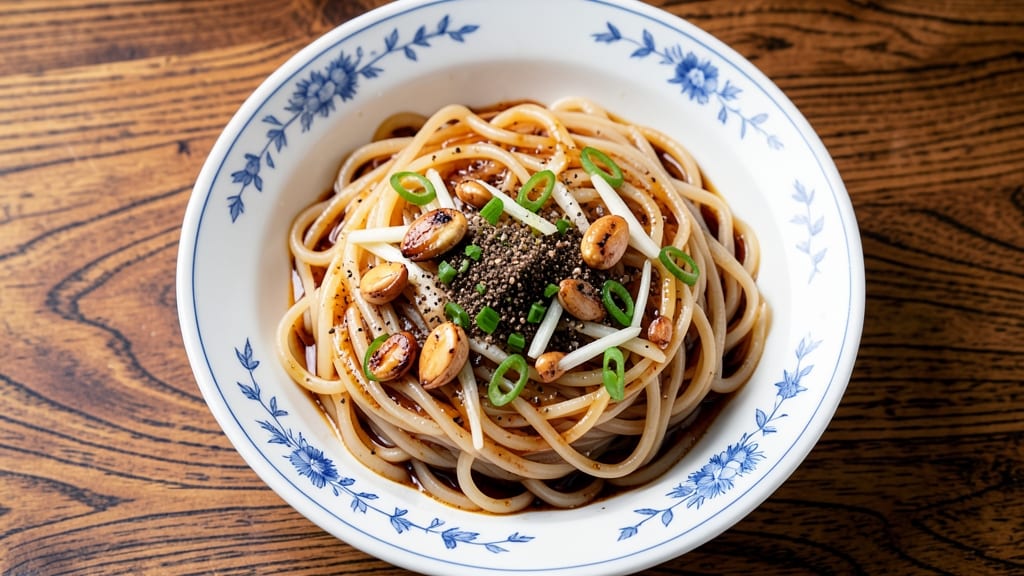
Cantonese rice noodle recipe delivers the perfect balance of chewy texture and bold flavors—just like your favorite dim sum dish. This wok-fried version transforms simple ingredients into a restaurant-quality meal with minimal effort, using fresh rice noodles and an umami-packed sauce that comes together in under 20 minutes.
The secret lies in high-heat stir-frying to maintain the noodles' signature bite, while a savory sauce made with soy sauce, oyster sauce, and a touch of sesame oil elevates every bite.
Garnished with crisp scallions and chili oil, this dish brings the vibrant essence of Cantonese cuisine to your kitchen—foolproof and packed with authentic flavor.
Ingredients for cantonese rice noodle
Fresh rice noodles, aromatic oils, and umami-packed sauces—this Cantonese classic comes together faster than takeout.
| Ingredient | Amount | Notes |
|---|---|---|
| Fresh Rice Noodles (Stir-Fry Noodles) 🍜 | 12 oz | Flat, chewy variety preferred |
| Vegetable Oil 🫒 | ½ cup | High smoke point for wok-frying |
| Scallions 🧅 | ½ cup | Thinly sliced, white and green parts |
| Garlic Cloves 🧄 | 6 cloves | Minced, aromatic base |
| Light Soy Sauce 🥫 | ¼ cup | Kikkoman preferred for balance |
| Oyster Sauce 🦪 | 2 tbsp | Lee Kum Kee brand recommended |
| Sesame Oil 🌿 | 1 tbsp | Toasted, for nutty aroma |
| Chili Oil 🌶️ | 1 tbsp | Store-bought or homemade |
| Ground White Pepper 🌶️ | ½ tsp | Freshly ground for subtle heat |
| Sesame Seeds 🌰 | 1 tsp | Toasted for garnish |
| Lime Wedges 🍋 | 2 whole | Freshly squeezed for brightness |
| Optional Protein 🍤 | ½ lb | Shrimp or chicken, sliced thin |
The noodles are non-negotiable—fresh, flat rice noodles give that signature chewy bite. Asian markets carry them in bulk, but Trader Joe's has a solid pre-packaged option. Soak them in hot water for 10-15 seconds until pliable, then rinse with cold water to stop cooking. For the sauces, Lee Kum Kee oyster sauce is the gold standard—it's sweeter and richer than store brands. If you're feeling fancy, toast your sesame oil in the wok for 30 seconds before adding other aromatics—that nutty aroma is what makes this dish sing.
No oyster sauce? Hoisin sauce plus a splash of soy sauce gets you close, but you'll lose some depth. Swap shrimp for thinly sliced chicken breast or mushrooms if you're vegetarian. The chili oil can be homemade (chili flakes + neutral oil) or store-bought—Lao Gan Ma is my go-to. For extra umami, add a dash of fish sauce (if you eat it) or soy sauce. The lime wedges are optional but worth the squeeze—they cut through the richness and wake up every bite. Pro tip: Double the sauce if you're serving with rice—it's that good.
Noodles keep for 3 days in the fridge, sealed in a damp towel. The sauce components stay fresh for weeks in the pantry, so mix it fresh each time. This dish reheats beautifully—just toss with a splash of water and stir-fry again. For meal prep, keep the sauce and garnishes separate until serving to maintain crispness. The leftovers? Even better the next day—the flavors meld like magic.
Why You'll Love This Recipe
- No-Fuss Fresh Noodles: I swear by these stir-fry noodles—they’re pre-sliced, just need a quick soak. No chopping mountains of noodles or waiting for them to cook; they’re ready in minutes.
- Garlic-Soy Magic: That light soy sauce and minced garlic? It’s the secret weapon. The umami hits instantly, and the scallions add this fresh, bright punch that makes every bite feel like a little flavor celebration.
- Lunchbox Hero: Between us, this is my go-to for packed lunches. Toss them with a little extra oil and soy for reheating, and they’re still tender and delicious—no sad, mushy leftovers here.
- Budget Pantry Staple: Honestly, the ingredients cost next to nothing, but the taste? Ridiculously good. Fresh noodles, a few cloves of garlic, and scallions stretch into multiple meals without breaking the bank.
Step-by-step instructions for Cantonese rice noodle recipe
Here's how to create restaurant-quality wok-fried noodles with a perfectly balanced umami sauce.
Prepare the Fresh Rice Noodles
Fill a large bowl with warm water and add the 12 oz fresh rice noodles. Let them soak for exactly 10-15 minutes until pliable but still slightly firm to the touch. The noodles should separate easily when you gently pull them apart—this indicates they're ready. Avoid over-soaking, which makes them mushy.
Drain the noodles immediately and rinse briefly under cold water to stop the cooking process. Toss them with 1 teaspoon sesame oil to prevent sticking. This prepping ensures your noodles have that signature chewy texture without becoming gummy. Keep them covered while you prepare the rest of the components.
Build the Umami-Packed Sauce Base
In a small bowl, whisk together the 0.25 cup light soy sauce, 2 tablespoons oyster sauce, 1 tablespoon chili oil, and 0.5 teaspoon ground white pepper. This combination creates the perfect balance of salty, sweet, spicy, and aromatic flavors that define Cantonese cuisine. Taste the mixture—it should be rich and complex, with just a hint of heat from the chili oil.
Set the sauce aside while you prepare the aromatics. The oyster sauce adds that signature umami depth, while the chili oil provides subtle heat without overpowering the dish. This sauce will be the foundation of your noodles' incredible flavor profile.
Wok-Fry the Aromatics and Protein
Heat a wok or large skillet over high heat until it's smoking hot. Add the 0.5 cup vegetable oil and swirl to coat the surface evenly. When the oil shimmers, add the 0.5 lb optional protein (if using) and stir-fry for 2-3 minutes until just cooked through. Remove the protein and set aside.
In the same wok, add the 6 cloves minced garlic and 0.5 cup sliced scallions. Stir-fry for 30-45 seconds until the garlic turns golden and fragrant—this should happen quickly at high heat. The aromatics should release their intense flavors without burning, creating the perfect aromatic base for your noodles.
Combine Noodles with Sauce and Aromatics
Return the cooked protein to the wok and add the drained noodles. Pour the prepared sauce over the noodles and toss everything together vigorously for 1-2 minutes until the noodles are evenly coated and heated through. The high heat ensures the noodles develop that characteristic wok-fried texture while absorbing all the flavorful sauce.
Here's the thing—don't be shy with the tossing. You want every strand of noodle to get that perfect crispy texture from the wok-frying while soaking up all that umami-packed sauce. The noodles should look glossy and vibrant, with the sauce clinging beautifully to each piece.
Finish and Serve with Fresh Garnishes
Remove the wok from heat and stir in the 1 tablespoon sesame oil and 1 teaspoon toasted sesame seeds. Squeeze the juice from the 2 whole lime wedges over the noodles and toss gently to incorporate. The lime adds a bright, refreshing contrast to the rich, savory flavors.
Serve immediately while the noodles are hot and the aromatics are still fragrant. Garnish each serving with additional scallions and sesame seeds for extra texture and visual appeal. The dish should be vibrant, with perfectly chewy noodles, tender protein, and a sauce that coats every bite with balanced umami and subtle heat.
Pro Tips For Making Cantonese Rice Noodle
- SEPARATE THE NOODLES: Fresh rice noodles stick like glue when cooked together—trust me, I’ve pulled apart a whole bowl trying to salvage it. Soak them in room-temperature water for 15–20 seconds max, then drain and toss immediately with a splash of oil. This keeps them distinct and prevents a mushy, clumped mess.
- GARLIC FIRST, THEN GREENS: I used to add scallions and garlic at the same time, and the garlic always burned before the greens got crisp. Slice the garlic extra thin (almost like rice noodles) and stir-fry it in oil until just golden—about 10 seconds—before tossing in the scallions. The greens will wilt perfectly without turning bitter.
- DON’T OVERSTIR-FRY: These noodles turn rubbery fast if you keep tossing them like you’re flipping pancakes. Work in batches: Cook half the noodles for 30 seconds max, then remove them to a plate while you finish the rest. Recombine just before adding sauce—hot noodles and cold sauce is a flavor disaster.
- USE COLD SOY SAUCE: Light soy sauce loses its punch when heated too long. Mix it with a teaspoon of cold water, then pour it over the hot noodles at the very end. The temperature shock stops the sauce from cooking out, and the noodles soak up the flavor instead of turning salty and flat. (Yes, it sounds counterintuitive—just do it.)
Serving suggestions for this dish
Classic Cantonese Sides
Pair your noodles with steamed bok choy—its crisp, slightly bitter greens balance the dish's richness. I like to steam 4 cups with a splash of soy sauce for 5 minutes until tender-crisp.
Alternatively, serve with pickled vegetables like daikon and carrot—store-bought La Choy works perfectly for that tangy crunch. 🥬
Protein Upgrades
For extra protein, add shrimp or char siu pork—both complement the noodles beautifully. If using shrimp, toss ½ lb with 1 tbsp cornstarch and 1 tsp soy sauce before stir-frying. Char siu pork adds a sweet, smoky depth that pairs wonderfully with the umami sauce. 🍤
Broth-Based Variations
Transform this into a Cantonese noodle soup by simmering 4 cups chicken broth> with 1 tbsp ginger, 2 star anise pods, and 1 cinnamon stick> for 15 minutes.
Strain, then use it to cook the noodles until tender. Top with a soft-boiled egg and scallions for a comforting twist. 🍜
Garnish Like a Pro
Elevate your dish with crispy fried shallots—just toss ¼ cup thinly sliced shallots> with 1 tbsp oil> and fry until golden. Sprinkle over the noodles for a textural contrast. A drizzle of chili crisp adds heat and visual appeal, while cilantro leaves bring freshness. 🌿
Beverage Pairings
Serve with jasmine tea to cleanse the palate between bites—its floral notes complement the dish's savory depth. For something stronger, a light lager like Tsingtao> cuts through the richness. Avoid heavy wines; their tannins can clash with the umami flavors. 🍺
Make-Ahead Tips
Prep the sauce and aromatics ahead, but keep them separate until serving. Store the noodles in a sealed container with a damp towel for up to 2 days**. Reheat gently with a splash of water to restore chewiness. Garnishes should always be added fresh for maximum impact. ✨
Nutrition facts
Frequently asked questions
Can I use dried rice noodles instead of fresh?
Fresh rice noodles are ideal for that signature chewy texture, but you can use dried if needed. Soak them in hot water for 8-10 minutes until pliable, then rinse with cold water to stop cooking. For best results, use rice vermicelli or flat rice noodles—avoid egg noodles, which won't give the same texture. The cooking time will be slightly longer, so adjust accordingly.
How do I adjust the spice level?
The chili oil adds subtle heat, but you can easily customize it. For milder flavor, reduce the chili oil to ½ tablespoon or swap it for ½ tablespoon extra sesame oil. For spicier noodles, add ½ teaspoon chili flakes or a dash of sriracha to the sauce. Taste as you go—Cantonese dishes often balance heat with fresh lime or scallions.
Why did my noodles turn mushy?
Over-soaking or low heat are the most common culprits. Fresh rice noodles cook quickly—soak for only 10-15 minutes in warm water, then rinse with cold water immediately. When stir-frying, use high heat and toss constantly to prevent steaming. If they're already mushy, try reheating them in a dry wok for 1-2 minutes to restore some chewiness.
What’s the best way to store leftovers?
Store cooked noodles in an airtight container with a damp paper towel to retain moisture. They’ll keep for 3-4 days in the fridge. Reheat gently in a wok or skillet with a splash of water—stir-frying again revives the texture. For longer storage, freeze for up to 1 month, but note the texture may soften slightly upon thawing.
Can I make this vegetarian?
Skip the protein or use mushrooms, tofu, or bean sprouts for texture. For extra umami, add 1 tablespoon soy sauce or ½ teaspoon MSG to the sauce. Tofu works best when pressed and pan-fried until crispy—toss it with 1 teaspoon cornstarch before cooking to prevent sogginess. Garnish with extra scallions and sesame seeds for freshness.