
Main Courses
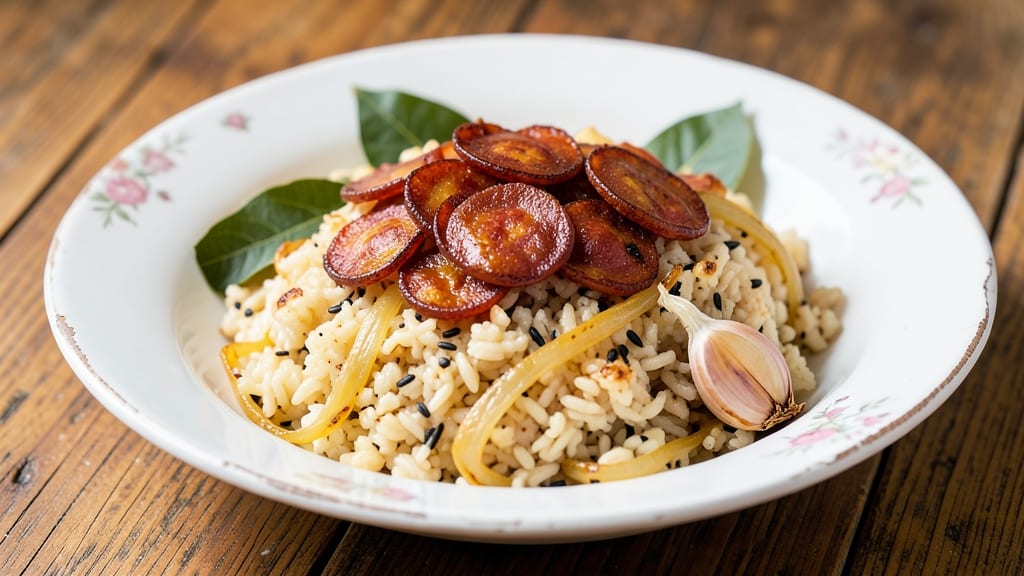
This Cape Verdean rice recipe brings the bold flavors of Cabo Verde to your table with smoky chorizo, creamy coconut milk, and tender vegetables.
The dish—often called Cachupa or Arroz de Peixe—is a hearty, one-pot meal that tells a story of island culture, where every bite carries warmth and tradition.
What makes it special is the balance of textures: crispy chorizo, fluffy rice, and tender pumpkin or beans, all infused with garlic, onion, and bay leaf.
The foundation of this dish is the rice itself, cooked in a rich broth that absorbs the smoky, savory notes from the chorizo and the subtle sweetness of coconut milk.
Unlike traditional versions that require hours, this method delivers restaurant-quality results in under an hour, making it perfect for weeknight dinners or weekend gatherings. The key is layering flavors—starting with a deep, aromatic base of onions, garlic, and spices before adding the rice and liquid.
By the end, you’ll have a fragrant, flavorful dish that’s as satisfying as it is visually appealing. The rice is tender yet holds its shape, the chorizo adds a smoky depth, and the coconut milk lends a creamy richness that ties everything together.
Serve it with fresh bread or pastéis for the full Cape Verdean experience—every bite is a taste of the islands. This recipe is more than just a meal; it’s a celebration of heritage and comfort.
Whether you’re cooking for family or friends, it’s sure to become a staple in your rotation. Let’s get started!
Ingredients for cape verdean rice
Just 14 ingredients for a dish packed with smoky, creamy, island-inspired flavor.
| Ingredient | Amount | Notes |
|---|---|---|
| Long-Grain White Rice 🍚 | 1 ½ cups | Uncooked, rinsed before cooking |
| Smoked Spanish Chorizo 🥓 | 8 oz | Sliced into half-moons, casing removed |
| Coconut Milk 🥥 | 1 can | Full-fat, 13.5 oz can (not carton) |
| Yellow Onion 🧅 | 1 whole | Diced small, about 1 cup |
| Garlic Cloves 🧄 | 4 cloves | Minced, about 1 tbsp |
| Fresh Bay Leaves 🍃 | 2 whole | Crushed lightly between fingers |
| Dried Thyme 🌿 | 1 tsp | Or 1 tbsp fresh, chopped |
| Ground Cumin 🌿 | ½ tsp | Toasted for deeper flavor |
| Smoked Paprika 🌶️ | 1 tsp | For authentic smoky depth |
| Salt 🧂 | 1 ½ tsp | Kosher or sea salt |
| Black Pepper 🌶️ | ½ tsp | Freshly ground preferred |
| Chicken Broth 💧 | 2 cups | Low-sodium preferred |
| Butter 🧈 | 2 tbsp | Unsalted, for toasting rice |
| Fresh Cilantro 🌿 | ¼ cup | Chopped, for garnish |
The chorizo is non-negotiable here—Spanish smoked chorizo has that perfect balance of smokiness and fat. Trader Joe's and Latin markets usually carry it, but if you can't find it, Mexican chorizo works in a pinch (just remove the casing). Look for chorizo with visible specks of smoke—it's what gives this dish its signature depth. The coconut milk? Full-fat canned milk is essential—carton versions won't give you that rich, creamy texture. I always grab the Aroy-D brand when I can, but any full-fat canned coconut milk will work. Fresh bay leaves are worth hunting down too—they add a subtle piney note that dried leaves can't match.
No chorizo? Andouille sausage or smoked ham can stand in, but expect a slightly different flavor profile. Running low on thyme? Dried oregano at half the amount works, though it's not quite the same. The rice? Jasmine or basmati can replace long-grain, but they'll have a slightly different texture. For the broth, low-sodium is key—you don't want to over-salt the whole dish. The butter is for toasting the rice—don't skip this step, it builds flavor. And that smoked paprika? Regular paprika won't cut it—it's what gives this dish its authentic Cape Verdean soul.
This dish tastes even better the next day—3-4 days in the fridge, covered. For longer storage, freeze portions for up to 3 months. The chorizo keeps well in the fridge for 2 weeks, so you can prep ahead. I like to make a double batch and freeze half—perfect for lazy weeknights. The cilantro wilts fast, so add it fresh when serving. Leftovers reheat beautifully—just add a splash of water or broth to keep it moist. And trust me, the rice will be even more fragrant after sitting overnight.
Why You'll Love This Recipe
- One-Pot Magic: I swear by this recipe when I’m too tired to wash pots—just toss everything in one skillet, stir, and walk away. The chorizo renders its own fat, the rice soaks up the coconut milk, and you’re left with a fragrant, golden dish that feels fancy but isn’t.
- Smoky-Creamy Obsession: That first bite? The crispy chorizo crumbles into fluffy rice, while the coconut milk adds a velvety richness that balances the garlic’s punch. It’s the kind of flavor combo that makes you close your eyes mid-chew—no exaggeration.
- Lunchbox Hero: Pack this rice cold the next day, and it’s still delicious. The grains stay separate, the chorizo holds its shape, and the coconut milk gives it a subtle sweetness that kids (and picky eaters) actually finish. Honestly, it’s my go-to for school lunches or office meals.
- Budget Feast: A single chorizo sausage and a can of coconut milk stretch into four servings, and the rice? Cheap as it gets. Between us, this is how I feed my family for under $10 while still feeling like I’m serving something special—not sad leftovers.
Step-by-step instructions for smoky coconut chorizo rice
Here's how to build this flavor-packed Cape Verdean rice dish layer by layer.
Toast the Chorizo and Build the Flavor Base
Heat a large skillet over medium heat and add the 8 oz smoked Spanish chorizo sliced into half-moons. Cook for 5-6 minutes until the chorizo releases its oils and becomes fragrant. You'll hear it sizzling—this is when all those smoky flavors start to develop. Remove the chorizo with a slotted spoon and set it aside, leaving the rendered fat in the pan.
In the same pan, add the 2 tbsp butter and melt it over medium heat. Toss in the diced yellow onion and cook for 5 minutes until softened and translucent. Add the minced garlic cloves and cook for another 30 seconds until fragrant—you should smell that garlic releasing its sweet aroma. This aromatic base is the foundation of your dish.
Toast the Rice and Add Spices
Add the 1.5 cups long-grain white rice to the pan and stir to coat it in the butter and onion mixture. Toast the rice for 2-3 minutes until it turns slightly translucent at the edges—this step prevents mushy rice. Sprinkle the rice with the 1 tsp smoked paprika, 0.5 tsp ground cumin, 1 tsp dried thyme, 1.5 tsp salt, and 0.5 tsp black pepper, stirring to evenly distribute the spices.
Here's the thing—this toasting step is crucial. It develops the nutty flavor of the rice and helps it absorb the smoky spices better. If you skip it, your rice will taste bland and underseasoned. Stir constantly during this process so the rice doesn't burn.
Deglaze and Add Liquids
Pour in the 2 cups chicken broth and stir once to combine with the rice. Don't stir again—this helps prevent the rice from sticking together. Add the 1 can coconut milk, 2 crushed bay leaves, and the reserved chorizo back to the pan. Bring the mixture to a gentle boil over medium-high heat.
Once boiling, reduce the heat to low and cover the pan with a tight-fitting lid. The goal is to maintain a gentle simmer—you should see just a few small bubbles at the edges. This low-and-slow cooking method ensures the rice absorbs all the liquid evenly without becoming mushy. Let it cook for 15 minutes undisturbed.
Finish with Perfect Texture
After 15 minutes, remove the lid and check the rice. If it's still slightly undercooked with a bit of liquid remaining, cover and cook for another 5 minutes. The rice should be tender but still have a slight bite—this is called "al dente" and gives you that perfect texture. If you see all the liquid has been absorbed, add 2-3 tablespoons of water to steam the rice through.
Once the rice is perfectly cooked, remove the 2 bay leaves and discard them. Stir in the 0.25 cup chopped fresh cilantro and let the rice sit covered for 5 minutes off the heat. This resting period allows the flavors to meld together and the rice to finish absorbing any remaining liquid. The result should be fragrant, tender rice with a perfect balance of smoky, coconutty, and savory flavors.
Pro Tips For Making Cape Verdean Rice
- Sear the Chorizo First: Don’t just toss raw chorizo into the pot—cut it into ½-inch slices and fry them in a dry pan over medium-high heat until the edges crisp and the fat renders. This deepens the smoky flavor and prevents the rice from turning mushy later. (Yes, it’ll smell amazing while you work.)
- Toast the Rice Dry: After cooking the onions and garlic, drain all the liquid from the pot and spread the raw rice in a single layer. Stir constantly over medium heat for 2-3 minutes until the grains turn opaque and smell nutty. This step locks in texture and prevents gummy rice—trust me, it’s worth the extra minute.
- Use Full-Fat Coconut Milk: Light coconut milk won’t cut it here. The fat in full-fat (40% or higher) creates a creamy, almost velvety texture that balances the smokiness of the chorizo. If you’re out, blend canned coconut cream with water to mimic it—but don’t skip the fat entirely.
- Stir Once, Then Stop: After adding the rice and liquid, stir just once to distribute everything evenly. Then walk away. Cape Verdean rice relies on steam cooking, not constant attention—peeking or stirring too much releases too much moisture and ruins the grain. (I learned this after three soggy batches.)
Essential equipment for this dish
Skillet Essentials
Start with a heavy-bottomed 12-inch cast iron skillet or stainless steel Dutch oven—both distribute heat evenly and prevent scorching. I swear by my Lodge 12-inch cast iron for this recipe; it retains heat perfectly and adds a subtle iron flavor over time.
If you don’t have cast iron, a Calphalon stainless steel pan works just as well. Avoid nonstick—those thin pans can’t handle the low-and-slow cooking without burning the bottom. 🔥
Precision Tools
A digital instant-read thermometer (like the Thermoworks Thermapen) helps monitor the broth temperature—aim for 195-205°F during cooking. A fine-mesh strainer comes in handy for rinsing the rice before cooking, and a wooden spoon prevents scratching your pan while stirring.
For mincing garlic, a garlic press or sharp chef’s knife works best—no need for fancy gadgets.
Spice Must-Haves
Invest in smoked Spanish chorizo from a specialty store or Latin market—Trader Joe’s carries a great brand. For spices, Penzeys Spices smoked paprika and McCormick’s ground cumin are my go-tos. Fresh bay leaves make a difference, so grab a small bunch from the grocery store’s produce section.
A mortar and pestle isn’t required, but it’s fun to lightly crush the bay leaves for extra aroma. 🌶️
Liquid Control
Use a 13.5-ounce can of full-fat coconut milk (like Aroy-D)—carton versions won’t give you the same richness. A liquid measuring cup ensures accuracy with the broth, and a small ladle helps deglaze the pan without overfilling it.
For the rice, a fine-mesh strainer removes excess starch before cooking, and a spoon or fork works for fluffing it at the end. Precision here keeps the texture perfect.
Optional Upgrades
If you love coconut flavor, a blender lets you make your own coconut milk from scratch (simmer 1 cup shredded coconut with 1 cup water, then blend and strain). A steam basket (for your Dutch oven) speeds up cooking if you’re short on time.
For serving, cast iron skillets with lid handles make plating easy—just transfer the rice directly to the table. The right tools turn this dish from good to chef’s kiss. ✨
Nutrition facts
Frequently asked questions
What makes this Cape Verdean rice recipe different from other coconut rice dishes?
This recipe stands out because of its smoky chorizo and authentic Cape Verdean spices like smoked paprika and thyme. Unlike basic coconut rice, it combines rich coconut milk with savory chorizo for a perfect balance of sweet, smoky, and umami flavors. The slow-cooked method also ensures tender rice that absorbs all the flavors beautifully.
Can I make this recipe vegetarian?
Yes! Swap the chorizo for smoked tofu or mushrooms (like shiitake) for depth. Add 1 cup cooked black beans or chickpeas for protein. The coconut milk and spices will still shine, creating a hearty vegetarian version. Just increase the broth slightly to compensate for the extra moisture from beans.
How do I know when the rice is perfectly cooked?
The rice is done when it's tender but still has a slight bite (al dente) with just a bit of liquid remaining. After 15 minutes of cooking, check by tasting a grain—it should be soft but not mushy. If it's still firm, cover and cook 2-3 more minutes. Never stir after adding liquid, as this releases starch and makes the rice gummy.
Can I prepare this ahead of time?
This dish tastes even better the next day. Let it cool completely, then store in an airtight container in the fridge for up to 4 days. Reheat gently with a splash of water or broth to restore moisture. For longer storage, freeze portions for up to 3 months. The flavors deepen overnight, making it perfect for meal prep.
What's the best way to serve this Cape Verdean rice?
Pair it with grilled fish (like mahi-mahi), roasted vegetables, or Cape Verdean pastéis (fried dough balls). The smoky rice also works well with a simple green salad or tropical fruit to balance the richness. For a complete meal, serve with warm crusty bread to soak up the flavorful broth.