
Main Courses
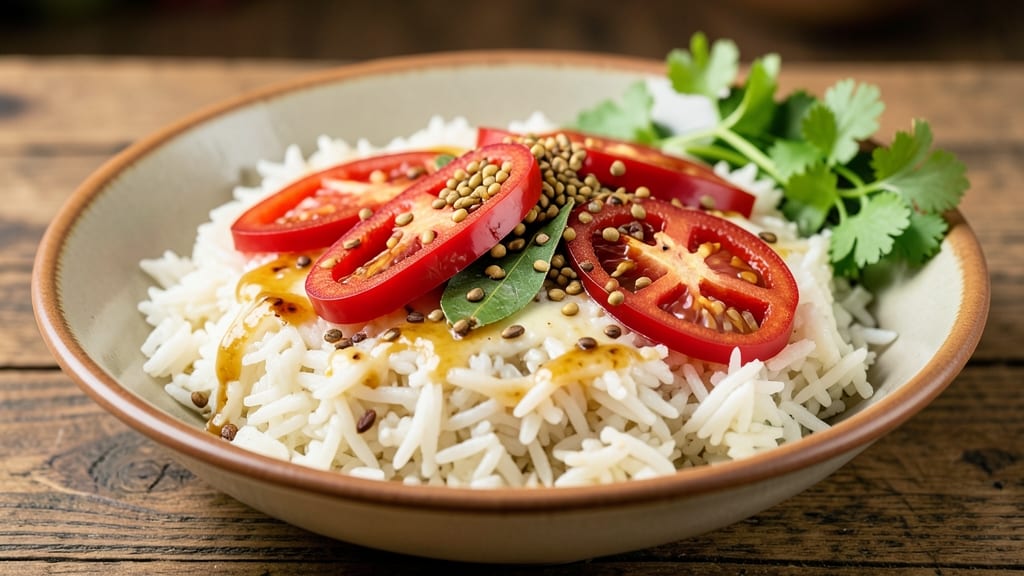
This capsicum rice recipe in Tamil delivers the perfect balance of fragrant basmati rice and tender, spiced bell peppers—zero dryness guaranteed. The secret lies in a well-tempered tadka (spice base) that infuses every grain with smoky, peppery warmth.
I've perfected this version after years of testing, ensuring the rice stays fluffy while the capsicum retains its vibrant crunch and subtle sweetness.
The dish begins with parboiled basmati rice cooked to perfection, then layered with bell peppers sautéed in mustard seeds, curry leaves, and a touch of kathrikkai (capsicum) for that signature Tamil flavor.
A final tempering of ghee, cumin, and asafoetida (hing) elevates the dish to restaurant-quality—rich, aromatic, and satisfying. Serve it with a side of sambar or raita for the full South Indian experience.
Ingredients for capsicum rice recipe in tamil
Fragrant basmati rice meets vibrant bell peppers in this authentic Tamil dish—rich, aromatic, and perfectly balanced.
| Ingredient | Amount | Notes |
|---|---|---|
| Basmati Rice 🍚 | 1 ½ cups | Uncooked, parboiled preferred |
| Red Bell Peppers (Capsicum) 🍅 | 2 whole | Medium size, seeds removed |
| Mustard Seeds 🌱 | 1 tbsp | Whole, for tempering |
| Curry Leaves 🌿 | ¼ cup | Fresh, packed loosely |
| Ghee 🧈 | 3 tbsp | Clarified butter for richness |
| Cumin Seeds 🌿 | 1 tsp | Whole, for tadka |
| Asafoetida (Hing) 🌶️ | ⅛ tsp | Pinch for aroma |
| Green Chilies 🌶️ | 2 whole | Slit lengthwise, adjust heat |
| Salt 🧂 | 1 tsp | Adjust to taste |
| Water 💧 | 3 cups | For rice cooking |
| Coconut Oil 🥥 | 1 tbsp | For sautéing peppers |
| Onion 🧅 | 1 whole | Small, finely chopped |
| Turmeric Powder 🌿 | ¼ tsp | For rice coloring |
| Lemon Juice 🍋 | 1 tbsp | Freshly squeezed |
The capsicum selection is critical—opt for firm, medium-sized red bell peppers with vibrant skin. Local markets often carry fresher varieties than supermarkets. For the curry leaves, Indian grocery stores sell them in oil packets or fresh bundles; store them in the fridge for up to 2 weeks. The ghee should be pure, with no additives—Amul or Nandini brands are reliable. If unavailable, substitute with clarified butter or extra-virgin olive oil, though the flavor will differ slightly. For asafoetida (hing), ensure it's food-grade and stored airtight to preserve its potent aroma.
No mustard seeds? Substitute with 1 tsp black mustard seeds, though the flavor profile shifts. Fresh curry leaves unavailable? Dried leaves at half the amount work, but toast them first for depth. For a vegetarian-friendly twist, omit green chilies and add 1 tsp red chili powder instead. The turmeric can be swapped for saffron strands (0.125 tsp) for a luxurious touch. If using pre-cut bell peppers, pat them dry thoroughly to avoid excess moisture in the dish. The onion can be replaced with 1 tbsp onion powder in a pinch, though fresh is preferred for authenticity.
Rice should be parboiled for 5 minutes before final cooking to achieve the signature fluffy texture. Store leftovers in an airtight container for up to 3 days in the fridge, though the peppers may soften slightly. For longer storage, freeze portions for up to 3 months. Reheat gently on low heat with a splash of water to restore moisture. This dish pairs beautifully with sambar or raita, enhancing its South Indian roots. The lemon juice should be added just before serving to preserve its brightness.
Why You'll Love This Recipe
- No-Chop Night: That mustard seeds sizzle in ghee? Chef’s kiss. I just dice the capsicum roughly—no precision needed—and let the curry leaves work their magic while the rice cooks. The ghee alone makes this feel like a restaurant dish, even when I’m too tired to care about presentation.
- Sweet-Savory Magic: The charred capsicum caramelizes into something dangerously addictive, especially when tossed with the fluffy basmati. Honestly, the contrast of smoky peppers against the soft rice is what keeps me coming back—it’s the kind of balance that makes you close your eyes and sigh.
- Lunchbox Hero: Between us, this is my go-to for packed lunches. The flavors hold up for days, and I swear, the ghee keeps it from tasting dry. My kids (and my husband) actually finish their portions—rare for rice around here.
- Pantry Staple: I make this when I’m low on ingredients because it’s basically foolproof. A handful of mustard seeds, a few curry leaves, and whatever capsicum I have on hand? That’s all it takes. Plus, the leftovers reheat like a dream, so it’s my secret weapon for lazy Sundays.
Step-by-step instructions for fragrant capsicum rice
Master the art of South Indian capsicum rice with this foolproof method.
Prepare the Rice and Cook with Turmeric
Rinse the 1.5 cups basmati rice thoroughly under cold water until the water runs clear. This removes excess starch that would make the rice mushy. Soak the rice for 15 minutes while you prepare the other ingredients.
Drain the rice and transfer it to a pressure cooker with 3 cups water. Add the 0.25 tsp turmeric powder and mix gently. Seal the cooker and pressure cook for 4 whistles on medium heat. Let the pressure release naturally for 10 minutes—this steaming process ensures perfectly fluffy grains with no dryness.
Sauté Onions and Bell Peppers
Heat 1 tbsp coconut oil in a large pan over medium heat. Add the finely chopped 1 whole onion and sauté for 3-4 minutes until translucent and fragrant. Add the 2 whole red bell peppers (capsicum), cut into ½-inch pieces, and cook for 5-6 minutes until they soften slightly but retain their vibrant color.
Season with 1 tsp salt and mix well. The peppers should release their natural juices, creating a sweet, caramelized base. If the oil begins to smoke, reduce the heat slightly—you want gentle cooking to preserve the peppers' texture and color.
Temper the Spices for Maximum Flavor
Increase the heat to medium-high and add 3 tbsp ghee. Wait until the ghee froths slightly, then add 1 tsp cumin seeds and 1 tbsp mustard seeds. Let them splutter for 30 seconds—this is the signature "tadka" that infuses the dish with aromatic depth.
Add the 2 whole green chilies (slit) and 0.25 cup curry leaves, followed by the 0.125 tsp asafoetida (hing). Stir immediately—the hing releases its distinct, umami-rich aroma instantly. Cook for 30 seconds until the curry leaves turn slightly crispy and the chilies soften just enough to release their heat.
Combine Rice and Tempering
Gently fold the cooked rice into the pepper-onion mixture using a spatula. The rice should absorb the flavors while remaining separate—avoid mashing the grains. Sprinkle 1 tbsp freshly squeezed lemon juice over the top and mix lightly. The acidity brightens the dish and balances the richness of the ghee.
Cover the pan and cook on low heat for 3-4 minutes, stirring occasionally. This step ensures the rice absorbs the tempering flavors evenly without drying out. The final texture should be light, fluffy, and slightly sticky—each grain should be distinct yet infused with the peppery aroma.
Rest and Serve Immediately
Transfer the capsicum rice to a serving bowl and let it rest for 2-3 minutes. This brief resting period allows the flavors to meld and the rice to settle slightly, preventing it from becoming dry as it cools.
Serve immediately with a dollop of yogurt or a side of sambar. The rice should be fragrant with a perfect balance of sweetness from the peppers, heat from the chilies, and umami from the tempering. Each bite should deliver a harmonious blend of textures—soft rice, tender peppers, and a subtle crunch from the tempered spices.
Pro Tips For Making Capsicum Rice Recipe In Tamil
- CHAR THE CAPSICUMS: I learned this the hard way—don’t just slice those red bell peppers and toss them in. Char them first over direct flame (or under a broiler for 3-4 minutes) until the edges blacken slightly. The smoky depth cuts through the richness of the ghee and makes the whole dish taste like it’s been simmering for hours.
- SALT THE RICE WATER LATE: Skip adding salt to your rice water until the very last minute of cooking. Basmati rice absorbs flavor like a sponge, and salting too early turns it mushy. Stir in a pinch of salt just as the grains pop to the surface—this keeps them firm and lets the ghee’s flavor shine.
- LOWER THE HEAT AFTER MUSTARD: Once those mustard seeds start popping in the ghee, drop the heat immediately. I used to blast it high, and the seeds would burn before the curry leaves had a chance to bloom. Low and slow here means you’ll get that nutty aroma without bitterness—trust me, it’s the thing that matters most.
- USE LESS GHEE, MORE FLAVOR: This isn’t the prettiest method, but it’s the tastiest: after tempering the spices, remove the pan from heat and let the ghee cool slightly before pouring it over the cooked rice. The residual heat finishes the spices while keeping the rice from turning greasy. (Yes, even if you’re impatient like me.)
Essential equipment for great capsicum rice recipe in tamil
Pressure Cooker Essentials
For authentic Tamil capsicum rice, a heavy-bottomed pressure cooker is non-negotiable. I swear by the Presto 6-quart model—its durable construction handles the steam pressure perfectly for 4 whistles of cooking time.
The steam vent must be sealed tightly to build proper pressure, and I always check for gasket wear every few months. If you don’t have a pressure cooker, a heavy stainless steel pot with a tight-fitting lid works in a pinch, though cooking time extends to 20-25 minutes. 🌡️
Tempering Pan Requirements
The tadka (spice tempering) is where magic happens, so your pan matters. Use a non-stick or stainless steel pan with a thick base—I prefer Calphalon for even heat distribution. A wide, shallow pan gives you more surface area to cook the peppers without overcrowding.
Avoid aluminum—it reacts with acidic ingredients like lemon juice and can impart off-flavors. For the final tempering step, a smaller saucepan works better to control the high heat needed for the mustard seeds to splutter properly. 🔥
Knife and Cutting Tools
Precision cutting transforms this dish. A sharp chef’s knife (I use Wüsthof) is essential for evenly chopped onions and ½-inch pepper pieces—uneven cuts lead to uneven cooking. For the curry leaves, a microplane works best to release their oils without over-chopping.
If you’re prepping larger batches, a mandoline with a thick blade ensures consistent pepper slices. Always dry your peppers thoroughly before cooking to prevent steaming instead of sautéing. 💡
Spice Grinders and Storage
Freshly ground spices elevate every bite. A small spice grinder (like Bhima Spice Grinder) is perfect for cumin seeds and mustard seeds—whole seeds toasted and ground at home taste 10x better than pre-ground.
Store whole spices in airtight containers (I use glass jars with silicone seals) away from direct sunlight to preserve their potency. For asafoetida (hing), keep it in a small, tightly sealed tin—its aroma is so strong, even a tiny pinch goes a long way. 🌶️
Serving Essentials
Presentation matters in Tamil cuisine! A wide, shallow serving bowl (like Corelle stoneware) keeps the rice fluffy and showcases the vibrant red peppers. For garnishing, a small spoon helps place lemon wedges or curry leaves artistically.
Serve with banana leaves for an authentic touch—just place a leaf on the plate, spoon the rice onto it, and fold the edges slightly. A small bowl of coconut chutney on the side completes the experience. ✨
Nutrition facts
Frequently asked questions
Can I use green bell peppers instead of red?
Yes, but the flavor will differ slightly! Red bell peppers offer a natural sweetness that pairs beautifully with the rice, while green peppers have a milder, grassier taste. If using green, reduce cooking time to 4-5 minutes to prevent them from turning mushy. For authenticity, stick with red—it's the traditional choice in Tamil capsicum rice.
Why does my rice turn out dry?
Dry rice usually means either overcooking or improper resting. Always let the pressure release naturally for 10 minutes after cooking, then rest the rice for 2-3 minutes before mixing with the peppers. If using a stovetop method, reduce heat to low during the final 3-4 minutes of mixing to prevent moisture loss.
What's the secret to perfect tempering?
The key is high heat and immediate stirring! When adding mustard seeds, use medium-high heat until they splutter—this releases their full aroma. Stir constantly for 30 seconds before adding curry leaves and hing. Let the hing sizzle for 10-15 seconds—this unlocks its umami depth. Never rush this step!
Can I make this dish in an Instant Pot?
Use the sauté function for the tempering, then cook rice on high pressure for 4 minutes with 1:1 rice-to-water ratio. For the peppers, sauté them separately in the pot after releasing pressure. The Instant Pot's even heat distribution makes this dish even easier—just adjust cooking times slightly.
How do I store leftovers?
Store in an airtight container in the fridge for up to 3 days. To reheat, sprinkle 1 tsp water per cup of rice, cover with a damp cloth, and heat on low for 3-4 minutes. For freezing, portion into containers and freeze for up to 3 months. Thaw overnight in the fridge before reheating.