
Main Courses
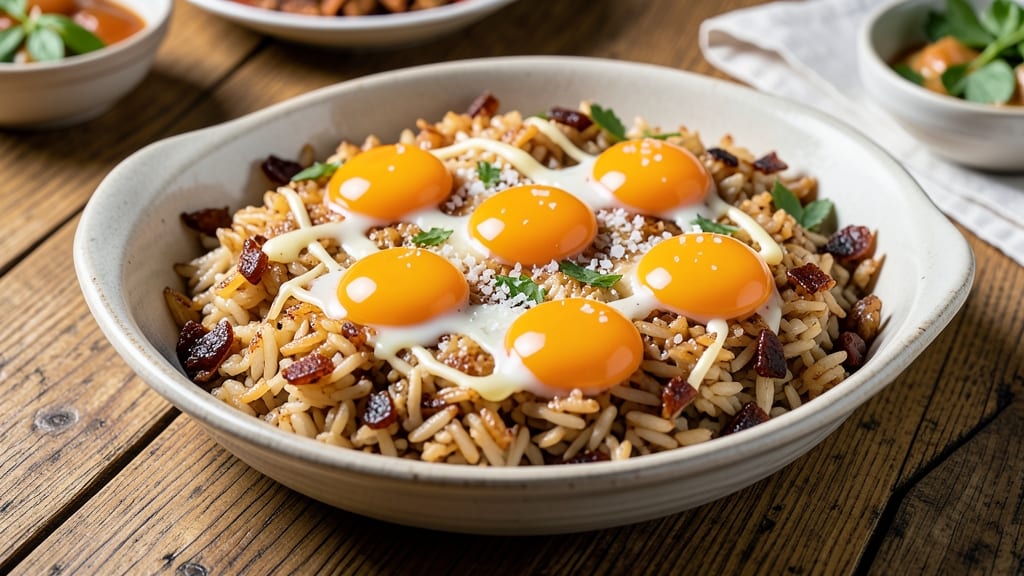
This caramel rice recipe transforms ordinary grains into sticky golden clusters with a buttery-sweet crunch that rivals dessert. The secret lies in toasting the rice until nutty, then simmering it with sugar and butter until it develops that signature caramelized texture.
It's the kind of dish that elevates simple weeknight meals into something special—imagine tender rice with crispy edges, perfectly balanced between sweet and savory.
What makes this recipe work is the patience in cooking—low heat ensures even caramelization without burning, while constant stirring prevents sticking. The result is restaurant-quality rice that pairs beautifully with grilled proteins, roasted vegetables, or even as a standalone sweet side.
Once you try this method, you'll never go back to plain white rice again. Let's get started with the foolproof technique that delivers perfect caramel rice every time.
Ingredients for caramel rice
Transform ordinary rice into golden, buttery-sweet clusters with these precise ingredients.
| Ingredient | Amount | Notes |
|---|---|---|
| Long-Grain White Rice 🍚 | 1 ½ cups | Uncooked, jasmine or basmati preferred |
| Unsalted Butter 🧈 | ¾ cup | Cold, cut into small cubes |
| Granulated Sugar 🍬 | ½ cup | White or light brown preferred |
| Large Egg Yolks 🍳 | 2 whole | Room temperature for blending |
| Whole Milk 🥛 | ½ cup | Full-fat for creaminess |
| Salt 🧂 | 1 tsp | Diamond Crystal preferred |
| Vanilla Extract 🌿 | ½ tsp | Pure, high-quality preferred |
| Ground Cinnamon 🌶️ | ¼ tsp | Freshly ground preferred |
| Heavy Cream 🥛 | ¼ cup | Full-fat for texture |
| Toasted Slivered Almonds 🥜 | ¼ cup | For garnish and crunch |
| Unsalted Butter 🧈 | 2 tbsp | Additional for finishing |
The rice quality matters most here—jasmine or basmati grains hold their shape better during toasting, creating those coveted crispy edges. Lundberg Family Farms or Tilda are excellent choices for consistent results. For the butter, Plugrá or Land O'Lakes work perfectly, but avoid salted varieties to control the seasoning. The sugar should be fine granulated—Domino or C&H are reliable brands. Egg yolks add richness, so use fresh, high-quality yolks for maximum flavor development. Toast the rice in a heavy-bottomed pan—Le Creuset or All-Clad distribute heat evenly to prevent burning.
No jasmine rice? Basmati works equally well, though it may require slightly less stirring. Substituting milk for half-and-half adds creaminess but reduces sweetness slightly. If you're avoiding dairy, full-fat coconut milk provides a neutral alternative, though the texture will differ. For a deeper caramel flavor, replace half the sugar with light brown sugar. The cinnamon can be omitted entirely if you prefer a purely buttery profile, but it enhances the dessert-like quality. When toasting the rice, stir constantly for 5-7 minutes until fragrant and nutty—this step cannot be rushed without burning the rice.
Store finished caramel rice in an airtight container with parchment paper between layers to maintain crispness. Keeps for 3-4 days in the fridge, though it's best enjoyed within 2 days for optimal texture. For longer storage, freeze portions in single layers before transferring to a sealed bag—up to 3 months. Reheat gently in a skillet with a splash of milk to restore moisture. The almond garnish should be toasted fresh before serving—store nuts in the freezer to prevent rancidity, and toast only what you'll use immediately for maximum crunch.
Why You'll Love This Recipe
- One-Pot Magic: I swear by this—just rice, butter, sugar, yolks, and milk in one pot. No fancy gadgets, no last-minute grocery runs. The butter melts into the rice while you stir, the sugar caramelizes right in the pan, and suddenly, you’ve got restaurant-level texture without the fuss.
- Rich Without Effort: That golden caramel glaze? It’s all from the sugar and butter breaking down into the rice, but the real star is the egg yolks. They turn the whole thing velvety, like a creamy custard hiding in plain sight. Honestly, I’ve made rice a thousand times, but this is the only version that feels indulgent—no extra work, just pure flavor.
- Weeknight Hero: Make a big batch on Sunday, and you’ve got breakfast, lunch, or dinner covered all week. It reheats beautifully (just add a splash of milk if it gets dry), and my kids actually ask for it over cereal. Between us, it’s my go-to when I’m too tired to think past “something that doesn’t require a recipe.”
- Budget Luxury: Five ingredients, one of which is rice—this is the kind of dish that makes you feel fancy without breaking the bank. The yolks add richness, but you’re not using a whole carton of cream or specialty cheese. Leftovers? Even better. They taste just as good cold the next day, packed in a container for lunch or a quick snack.
Step-by-step instructions for caramel rice
Transform simple rice into a luxurious dessert with this buttery-sweet technique.
Toast the Rice for Depth of Flavor
In a large, heavy-bottomed saucepan, melt the 0.75 cup unsalted butter over medium heat. Add the 1.5 cups long-grain white rice and stir constantly for 3-4 minutes until the grains become translucent at the edges and release a nutty aroma. This toasting step develops flavor that carries through the entire dish.
The rice should look slightly glossy but not browned—you're looking for an even toast that coats each grain. If you see any spots turning golden, reduce the heat slightly to prevent burning. This is where the magic begins; skipping this step results in bland rice. Keep the heat steady and stir frequently to ensure even browning.
Combine Wet Ingredients for Creamy Texture
Remove the saucepan from heat and let it cool for 1 minute. Then carefully whisk in the 0.5 cup granulated sugar, 2 whole large egg yolks, 0.5 cup whole milk, 1 tsp salt, 0.5 tsp vanilla extract, and 0.25 tsp ground cinnamon. The mixture will look thick and pasty—this is normal. Return the pan to low heat and stir constantly for 5-7 minutes until the mixture thickens slightly and becomes smooth.
Here's the thing—you want to cook the egg yolks gently to create a creamy base without scrambling them. If the mixture starts to bubble vigorously, immediately reduce the heat to the lowest setting. The goal is to create a velvety texture that will later coat each grain of rice. Taste the mixture now—it should be sweet, aromatic, and properly seasoned with cinnamon and vanilla.
Cook the Rice to Perfect Tenderness
Increase the heat to medium-low and bring the mixture to a gentle simmer. Cover the saucepan with a tight-fitting lid and cook for 20-25 minutes, stirring gently every 5 minutes to prevent sticking. The rice should absorb all the liquid and become tender with a slight resistance when pressed between fingers. If it looks dry before reaching this texture, add 1-2 tablespoons of water and continue cooking.
This is where patience pays off. The rice needs to cook through completely without turning mushy. You'll know it's done when each grain is tender but still holds its shape, and the mixture has a thick, pudding-like consistency. If you lift the lid and see steam rising evenly, you're on the right track. Don't peek too often—the escaping steam will dry out the rice.
Finish with Cream and Butter for Luxurious Texture
Once the rice is tender, remove the pan from heat and stir in the 0.25 cup heavy cream and the remaining 2 tbsp unsalted butter. The mixture should become glossy and slightly lighter in color. Return the pan to low heat for 1-2 minutes just to warm through and allow the flavors to meld. The final texture should be rich, creamy, and just thick enough to coat the back of a spoon.
This final step is crucial for achieving that signature caramel rice texture. The heavy cream adds luxurious mouthfeel while the butter contributes richness. If the mixture seems too thick, add 1 tablespoon of whole milk to loosen it. Taste and adjust the sweetness or spice level if needed—this is your chance to perfect the balance before serving.
Garnish and Serve Immediately
Transfer the caramel rice to a serving dish and immediately sprinkle with the 0.25 cup toasted slivered almonds. The contrast between the warm, sticky rice and the cool, crunchy almonds creates the perfect textural experience. Serve while warm—this dish is best enjoyed immediately when the rice is at its most tender and the caramelized flavors are at their peak.
For an extra touch of elegance, you can drizzle a thin layer of melted butter over the top just before serving. The almonds should be evenly distributed throughout, adding both visual appeal and a satisfying crunch with each bite. This dessert-style rice pairs beautifully with vanilla ice cream or a dusting of powdered sugar for a truly indulgent presentation.
Pro Tips For Making Caramel Rice
- Cook Rice Separately: The creamy custard base needs tender, dry rice—not mushy. Toast the grains in butter first, then simmer in milk (or stock) until just done. Undercooked rice turns to paste; overcooked rice loses texture. Aim for firm but fork-tender—like al dente pasta.
- Whisk Yolks Like Crazy: Temper those yolks properly or you’ll end up with scrambled eggs in your rice. Warm the milk-butter mixture to body temperature (dip a spoon in—should feel lukewarm), then drizzle into yolks while whisking like your life depends on it. Stop when it’s silky, not thick.
- Sugar, Then Butter: I learned this the hard way—melting butter first makes the sugar burn before it dissolves. Instead, sprinkle sugar over cold butter and toast it low and slow until it turns amber. This builds real caramel flavor without bitter edges. Patience here makes all the difference.
- Strain Before Mixing: That custard-yolk mix will clump if you stir it straight into the rice. After cooking, force it through a fine-mesh sieve into a bowl—yes, even if it’s messy. The smooth texture is worth the extra 30 seconds. (Your future self will curse you if you skip this.)
Creative variations of this caramel rice
Sweet & Savory Fusion
Transform this dessert-style rice into a savory side dish by swapping the vanilla and cinnamon for 1 tsp soy sauce and ½ tsp smoked paprika. Add 1 tbsp toasted sesame oil at the end for depth.
This version pairs perfectly with grilled teriyaki chicken or miso-glazed salmon. The caramelized texture remains, but the umami kick makes it a star at dinner. 🍗
Spiced Chai Version
For a warm, aromatic twist, replace the vanilla with ½ tsp chai spice blend (cinnamon, cardamom, ginger, cloves) and add 1 tsp orange zest to the wet ingredients. Finish with toasted coconut flakes instead of almonds.
This version tastes like holiday dessert and works as a breakfast bowl with yogurt or a dessert with ice cream. The spices mellow beautifully during cooking. 🌶️
Coconut Curry Rice
Swap the milk for ½ cup coconut milk and add 1 tsp curry powder to the wet ingredients. Garnish with toasted coconut flakes and cilantro. This tropical-inspired version has bright, citrusy notes from the coconut and pairs wonderfully with curried shrimp or chickpea stew.
The caramelized rice adds a luxurious texture to curry dishes. 🥥
Brown Butter Crunch
For a nutty, caramelized depth, brown the butter before toasting the rice. Add 1 tbsp browned butter to the final step along with the heavy cream. The extra flavor complexity makes this version richer and more complex.
Serve with dried cranberries for a festive touch or dark chocolate shavings for a dessert twist. 🧈
Protein-Packed Breakfast
Boost this dish for breakfast by stirring in 2 fried eggs at the end or topping with crumbled bacon and crispy hash browns. The sweet caramel rice balances the savory elements beautifully.
Add a drizzle of maple syrup for extra sweetness. This brunch-worthy version keeps everyone satisfied all morning. 🍳
Dessert Rice Pudding
For a true dessert, increase the sugar to ¾ cup and add 1 tsp orange blossom water (or extra vanilla). Serve warm with vanilla bean ice cream and a dusting of powdered sugar.
The sticky, caramelized texture makes it feel like a gourmet rice pudding without the extra effort. 🍮
Nutrition facts
Frequently asked questions
Why does my caramel rice turn out dry or crumbly?
The most common cause is cooking the rice too long or at too high heat. This recipe requires patient, low-heat cooking—the rice should absorb all liquid and become tender with slight resistance when pressed. If it looks dry before reaching this texture, add 1-2 tablespoons of milk and continue cooking. Stirring too frequently also releases steam, which can dry out the rice. Cover the pan tightly and resist peeking!
Can I make caramel rice ahead of time?
Yes, but with a few key adjustments. Store finished caramel rice in an airtight container with parchment paper between layers to maintain crispness. It keeps for 3-4 days in the fridge, though texture is best within 2 days. For longer storage, freeze portions in single layers—up to 3 months. To reheat, warm gently in a skillet with a splash of milk to restore moisture. The almond garnish should be toasted fresh before serving for maximum crunch.
What's the secret to getting crispy edges on the rice?
Crispy edges come from proper toasting and stirring technique. First, toast the rice in butter over medium heat for 3-4 minutes until nutty and translucent at the edges. Then, stir constantly during the entire cooking process—this creates friction between grains that promotes caramelization. For extra crunch, spread the finished rice on a baking sheet and broil for 1-2 minutes before serving. The key is patience and consistent stirring!
Can I substitute jasmine rice with another type?
Basmati rice works equally well as it holds its shape during toasting, but avoid short-grain varieties like sushi rice—they'll turn mushy. For extra flavor, try arborio rice (common in risotto), though it may require slightly less stirring. The rice should be uncooked when you start—pre-cooked rice won't develop the proper texture. If using a different type, adjust cooking time by 2-3 minutes and check for doneness.
How can I make this savory instead of sweet?
Swap the vanilla and cinnamon for 1 tsp soy sauce and ½ tsp smoked paprika, then add 1 tbsp toasted sesame oil at the end. Reduce sugar to ¼ cup and add ½ tsp garlic powder for depth. This version pairs perfectly with grilled meats or stir-fry dishes. The caramelized texture remains, but the umami flavors transform it into a savory side dish that's equally delicious.