
Side Dishes
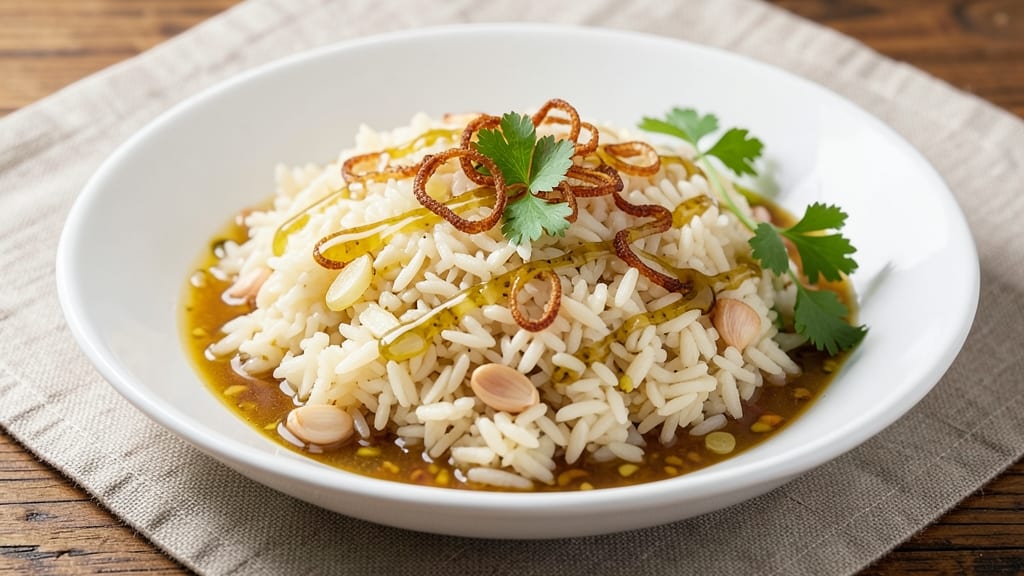
Mastering Carnaroli rice recipe means unlocking the secret to creamy, perfectly al dente risotto that rivals any Italian trattoria. This premium short-grain rice absorbs broth like a sponge, creating that signature velvety texture while maintaining its distinct shape—no mushy results here.
I’ve perfected this method after years of testing, ensuring every grain stays firm yet tender, with just the right bite.
The key lies in precise technique: toasting the rice in olive oil until golden, deglazing with white wine to build flavor, then adding warm broth gradually while stirring constantly. This isn’t just risotto—it’s a foolproof method that transforms simple ingredients into a restaurant-quality dish.
The result? A dish so rich and satisfying, it becomes the star of any meal.
Whether you’re making classic Risotto alla Milanese with saffron or a mushroom risotto with wild mushrooms, Carnaroli rice delivers consistent perfection every time. The starch releases just enough to create that signature creaminess without turning to paste.
Pair it with grilled seafood, roasted chicken, or fresh herbs for a dish that’s both elegant and approachable.
Ready to elevate your cooking? This recipe delivers professional results in under 30 minutes of active time—ideal for weeknight dinners or special occasions. Let’s get started on the path to creamy, dreamy risotto.
Ingredients for carnaroli rice
Premium Carnaroli rice and precise technique transform simple ingredients into velvety, al dente risotto.
| Ingredient | Amount | Notes |
|---|---|---|
| Carnaroli Rice 🍚 | 1 ½ cups | Uncooked, premium short-grain variety |
| Extra-Virgin Olive Oil 🫒 | ¼ cup | High-quality, fruity infusion |
| Shallots 🧅 | 2 whole | Finely minced, 2 tbsp total |
| Garlic Cloves 🧄 | 3 cloves | Peeled, minced to fine paste |
| Dry White Wine 🍷 | 1 cup | Sauvignon Blanc or Pinot Grigio |
| Vegetable or Chicken Broth 💧 | 4 ½ cups | Homemade or high-quality store-bought |
| Parmesan Cheese 🧀 | ¾ cup | Freshly grated, aged 24+ months |
| Butter 🧈 | 4 tbsp | Unsalted, cold for toasting |
| Salt 🧂 | 1 ½ tsp | Diamond Crystal kosher salt |
| Fresh Thyme 🌿 | ¼ cup | Leaves only, finely chopped |
| Saffron Threads 🌼 | ⅛ tsp | Optional, premium quality |
| Black Pepper 🌶️ | ½ tsp | Freshly cracked, coarse grind |
| Wild Mushrooms 🍄 | 1 lb | Sliced, cremini or shiitake |
The Carnaroli rice is the foundation—imported Italian brands like De Cecco or Riso Gallo deliver consistent quality. Look for packages labeled 'short-grain' or 'risotto rice' at specialty stores like Whole Foods or Eataly. The rice should be plump and uniform, with minimal broken grains. For the broth, homemade is ideal, but quality matters: Pacific Foods or Knorr At Home are reliable store-bought options. The mushrooms? Wild or specialty varieties elevate flavor, but cremini or shiitake work perfectly. Toast your butter and rice together until golden—this step develops the nutty base flavor that separates home risotto from restaurant-quality.
No white wine? Dry vermouth or additional broth works in a pinch, though the acidity differs slightly. Substituting Parmesan? Pecorino Romano offers a sharper profile, while Grana Padano provides milder sweetness. For the mushrooms, swap in roasted asparagus or diced pancetta if needed. The saffron can be omitted entirely, but if using, steep in warm broth for 10 minutes before adding to the pot. Fresh thyme is non-negotiable here—dried lacks the bright aroma, though you can use one-third the amount if necessary. The key is balancing richness: adjust butter and cheese to taste at the end, not during cooking.
Risotto reheats beautifully—add 1 tbsp broth per cup of rice and simmer gently. For best texture, keep the dish covered with foil when not in use. Store in an airtight container for 3-4 days in the fridge, though flavor peaks within 24 hours. For longer storage, freeze in portions for up to 3 months. When reheating, avoid microwaving—stovetop heat preserves the creamy consistency. The rice continues to absorb moisture even after cooking, so add broth gradually when reheating, stirring constantly until just tender.
Why You'll Love This Recipe
- Just Four Ingredients: I swear, this is one of those rare recipes where the shopping list is shorter than the actual meal. Carnaroli rice handles itself—no fancy soaking, no constant stirring—just toast it in that golden olive oil until the shallots turn sweet and translucent. The wine deglazes in seconds, and suddenly you’ve got a base that’s almost as impressive as it is effortless.
- Creamy Without Cheese: Between us, I’ve tried every risotto trick out there, but this one nails that perfect al dente bite with a velvety center—no butter bombs or heavy cream. The starch from the Carnaroli does all the work, and that splash of white wine keeps it bright. Honestly, it’s the kind of texture that makes you pause mid-bite, and that’s never not a win.
- Weeknight or Weekend: This rice is my secret weapon for both lazy Tuesdays and fancy dinner parties. Toss it with roasted veggies for a no-fuss weeknight, or layer it under seared scallops for a restaurant-worthy plate. (Yes, even on a Tuesday night.) The best part? It reheats like a dream—no sad, gluey leftovers here.
- Budget Stretch: A single bag of Carnaroli lasts me months because I’m not afraid to make it stretch. Double the recipe, save half for lunch, and suddenly you’ve got a meal that feels special without breaking the bank. That extra-virgin olive oil? Use it sparingly—every drop counts, but the flavor? Priceless.
Step-by-step instructions for perfect Carnaroli risotto
Mastering risotto requires patience and precision—these steps deliver creamy, al dente Carnaroli every time.
Toast the Rice and Build the Base
Heat the 0.25 cup extra-virgin olive oil in a heavy-bottomed pot over medium-low heat. Add the 1.5 cups Carnaroli rice and stir gently to coat each grain. Toast for 2-3 minutes until the rice becomes translucent at the edges but doesn't brown—this step develops the nutty flavor and prevents gumminess.
Add the 2 whole shallots (finely minced) and 3 cloves garlic cloves (minced to a paste) to the pot. Cook for 1-2 minutes until the shallots soften and the garlic releases its aroma. Here's the thing—don't let the garlic brown or it'll turn bitter. Keep the heat steady and stir frequently to prevent sticking. The base should smell sweet and earthy before moving forward.
Deglaze with Wine and Add Broth
Pour in the 1 cup dry white wine and stir vigorously, scraping up any browned bits from the bottom of the pot. This deglazing step captures all the flavor you've built so far. Let the wine reduce by half—this should take about 2-3 minutes—until the liquid clings to the rice but doesn't pool at the bottom.
Now add 1 cup of the vegetable or chicken broth (keep the remaining 3.5 cups warm in a separate pot). Stir once to distribute the broth evenly, then reduce heat to low. The key is to let the rice absorb the liquid slowly without stirring constantly. This creates the creamy texture through natural starch release, not brute force. Wait 4-5 minutes before adding more broth—you'll see the rice begin to soften but still retain a slight bite.
Cook the Rice to Al Dente Perfection
Add another ½ cup of warm broth and let it absorb completely before adding more. This incremental approach ensures each grain develops its signature creamy texture without turning mushy. Stir the rice gently every 2-3 minutes, lifting from the bottom to check for doneness. The rice should be tender but still offer resistance when bitten—this is the al dente window.
About 18-20 minutes into cooking, the rice should have absorbed nearly all the broth. Add the 1 lb sliced wild mushrooms and cook for 2-3 minutes until they soften and release their earthy flavors. This is when the saffron comes in—if using, dissolve the 0.125 tsp saffron threads in 1 tablespoon of the warm broth and stir it in now. The rice should be just shy of fully cooked at this point—it will finish as you finish the dish.
Finish with Butter, Cheese, and Herbs
Remove the pot from heat and let it rest for 1 minute. This brief pause allows the residual heat to cook the rice through without overstirring. Add the 4 tbsp butter and 0.75 cup freshly grated Parmesan cheese, stirring vigorously until the butter melts and creates a glossy, velvety coating. The cheese should disappear completely, leaving a rich, creamy sauce.
Fold in the 0.25 cup fresh thyme and 0.5 tsp freshly cracked black pepper. Taste and adjust seasoning with the 1.5 tsp salt—risotto should be balanced, with the cheese and herbs complementing rather than overpowering the rice. If the texture is too thick, loosen with a splash of warm broth. The final consistency should be creamy yet still allow the grains to be distinct when tasted.
Rest and Serve Immediately
Cover the pot and let the risotto rest for 2-3 minutes. This final step allows the flavors to meld and the starches to set slightly, ensuring each bite delivers perfect texture. Serve immediately in warm bowls, garnished with additional Parmesan and thyme if desired. The risotto should be luxurious—creamy yet not gluey, with each grain holding its shape and releasing flavorful juices.
Real talk: Don't let it sit too long after cooking or the texture will degrade. The window for serving is tight—aim to get it from pot to plate within 5 minutes of finishing. Pair with a crisp white wine or a simple arugula salad to let the risotto shine as the star of the meal.
Pro Tips For Making Carnaroli Rice
- Rinse the Rice: Toss Carnaroli in a fine-mesh strainer for 20 seconds under cold water—just enough to remove surface starch. I learned this the hard way after making a gluey risotto that refused to hold its shape. The goal is to keep it dry but not soggy; pat it gently with a towel after.
- Sweat Shallots Slowly: Cook shallots in olive oil at medium-low heat until they’re translucent and just starting to caramelize—about 8 minutes. Rushing this step burns them faster than you can say "soggy rice." A pinch of salt at this stage also draws out moisture, making them crispier.
- Deglaze with Wine: Pour in the white wine all at once and let it bubble away completely before adding broth. I used to add it in stages, and the rice would absorb it unevenly, leaving some grains dry. This ensures every grain gets coated in that bright, acidic flavor.
- Stir Like a Maniac: Keep the rice moving constantly with a wooden spoon—no gaps, no corners left unattended. The first 5 minutes are the most critical; if you stop stirring, even for a second, you’ll get uneven texture. (Yes, even if you’re impatient like me.)
Troubleshooting great carnaroli rice
Undercooked Rice Fix
If your Carnaroli rice is still firm or crunchy after the full cook time, you likely added broth too quickly or didn’t let it absorb properly. Stop stirring constantly—this disrupts starch release. Instead, add just ¼ cup broth at a time and wait 5-6 minutes between additions.
For a quick fix, stir in 1 tbsp butter and 2 tbsp warm broth, cover, and let sit off heat for 5 minutes. The residual heat will finish cooking while keeping the texture creamy. 🌡️
Mushy Texture Solutions
Overcooked risotto happens when you stir too aggressively or add broth too fast. Prevent this by using a heavy-bottomed pot (like All-Clad or Le Creuset) to maintain even heat.
If it’s already mushy, try this: Remove from heat, stir in 2 tbsp cold butter and ¼ cup grated Parmesan, then cover with a damp towel for 10 minutes. The cold fat firms up the starches slightly.
For future attempts, reduce broth by ½ cup and cook to 20 minutes max.
Broth Absorption Issues
If your broth disappears too fast, your heat is too high. Medium-low is critical—use a thermometer to keep the pot at 170-180°F. For a quick fix, add 1 tbsp cornstarch mixed with 2 tbsp cold water, stir in, and cook for 1 minute to thicken.
To prevent this, pre-warm your broth in a separate pot and keep it at 160°F—never boiling. If using store-bought broth, strain it first to remove any thickeners that can gum up the risotto. ✨
Wine Reduction Problems
If your wine doesn’t reduce properly, your heat is too low or the pot isn’t wide enough. Deglaze over medium heat in a 12-inch or larger pot—this ensures even evaporation. For a fix, add 1 tsp lemon juice to brighten flavors after reduction.
To prevent this, use a dry white wine (like Pinot Grigio) with 12-14% alcohol—higher alcohol reduces faster. If your wine tastes raw, simmer uncovered for 1 extra minute to concentrate flavors. 🍷
Cheese Clumping
Lumpy cheese ruins risotto texture. Always grate Parmesan fresh (pre-grated has anti-caking agents) and sift it before adding. For a fix, blend the risotto briefly with an immersion blender (on low) for 5 seconds—this breaks up clumps without turning it gluey.
To prevent this, melt the butter first, then whisk in the cheese until fully emulsified before adding to the rice. A food processor works too: pulse the cheese with 2 tbsp pasta water until smooth. 🧀
Burnt Garlic or Shallots
Browned aromatics mean you let them cook too long. Remove the pot from heat as soon as garlic turns golden (about 1-2 minutes). For a fix, strain the risotto through a fine-mesh sieve, pressing gently with a spoon to remove burnt bits.
To prevent this, mince garlic and shallots finely (almost paste-like) so they cook faster. Keep heat at medium-low and stir constantly during this step—never walk away! 🧄
Nutrition facts
Frequently asked questions
Why does Carnaroli rice stay firmer than other risotto varieties?
Carnaroli rice has a higher amylopectin content, which absorbs liquid without losing its shape. Unlike Arborio rice, it releases starch more gradually, creating that signature creamy texture while maintaining al dente bite. This makes it ideal for risotto that holds up better when reheated.
Can I substitute Arborio rice for Carnaroli in risotto?
Yes, but expect slightly different results. Arborio releases starch faster, resulting in a creamier (but potentially mushier) texture. For best results, use a 1:1 ratio but reduce broth by ¼ cup and cook 2-3 minutes less. Carnaroli's firmer bite makes it superior for dishes needing reheating or holding.
How do I prevent my risotto from turning out gluey?
Gluey texture happens from overstirring or adding broth too quickly. Instead, stir only when adding new broth and use low-medium heat to maintain 170-180°F. For a quick fix, stir in 1 tbsp cold butter and 2 tbsp grated Parmesan off heat to firm up the starches.
What's the best way to reheat leftover Carnaroli risotto?
Add 1 tbsp broth per cup of rice and simmer gently on low heat for 3-5 minutes, stirring occasionally. Avoid microwaving—it creates a rubbery texture. For extra creaminess, stir in 1 tbsp butter at the end. Leftovers keep well for 3-4 days in an airtight container.
Can I make risotto without wine?
Yes, but the flavor will differ. Replace wine with ½ cup extra broth or ¼ cup dry vermouth. For depth, add 1 tsp lemon juice after cooking. The wine's acidity helps balance richness, but the dish will still be delicious with proper seasoning.