
Main Courses
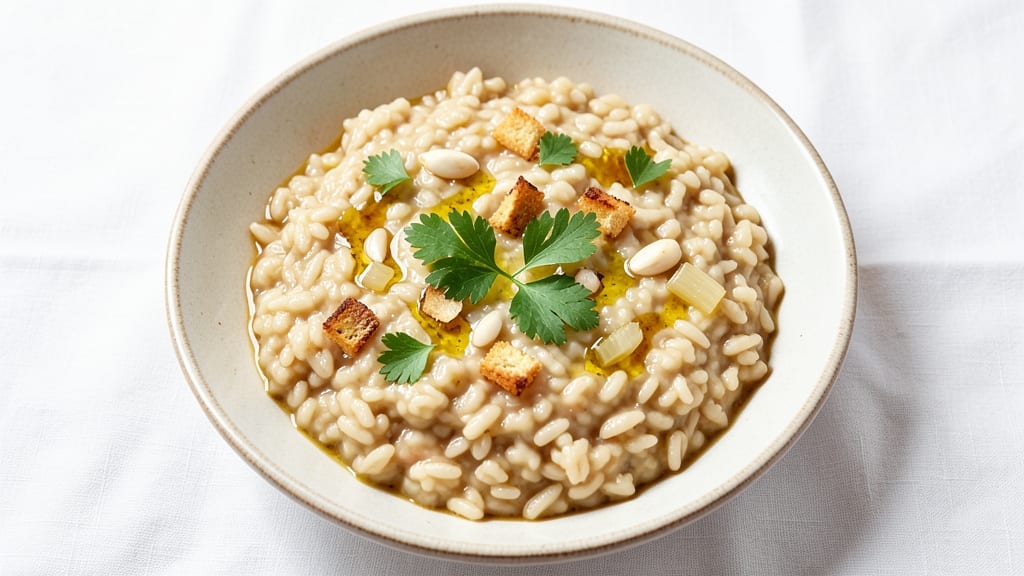
Carnaroli rice risotto delivers the creamy, velvety texture that makes this Italian classic unforgettable. The secret lies in its high starch content and proper cooking technique—slowly releasing flavor with each spoonful of hot stock while toasting the grains for that signature nutty depth.
This recipe builds layers of richness through a classic soffritto base and finishes with aged parmesan for authentic depth.
What sets Carnaroli apart is its ability to maintain structure while absorbing liquid perfectly, creating that luxurious, almost buttery consistency without turning gluey. The process requires patience—constant stirring, precise stock ratios, and timing—but the result is a risotto that's restaurant-quality at home.
Pair it with mushrooms, seafood, or sausage for a complete meal that feels indulgent yet balanced.
Ingredients for carnaroli rice risotto
Toasted grains, rich stock, and aged parmesan create this velvety Italian masterpiece.
| Ingredient | Amount | Notes |
|---|---|---|
| Carnaroli Rice 🍚 | 1 ½ cups | High-quality, unbroken grains preferred |
| Vegetable Stock 💧 | 6 cups | Homemade or high-quality store-bought |
| Yellow Onion 🧅 | 1 whole | Finely diced, about 1 cup |
| Garlic Cloves 🧄 | 4 cloves | Minced, about 1 tbsp |
| Celery Stalks 🥬 | 2 whole | Finely diced, about 1/2 cup |
| Extra-Virgin Olive Oil 🫒 | ½ cup | High-quality, fruity variety |
| Dry White Wine 🍷 | ½ cup | Bold, dry variety like Pinot Grigio |
| Parmesan Cheese 🧀 | 1 cup | Freshly grated, aged 24+ months |
| Unsalted Butter 🧈 | 4 tbsp | European-style preferred |
| Salt 🧂 | 1 ½ tsp | Diamond Crystal kosher salt |
| Black Pepper 🌶️ | ½ tsp | Freshly ground preferred |
| Shallot 🧅 | 1 whole | Minced, about 2 tbsp |
| Fresh Thyme Leaves 🌿 | 2 tbsp | Chopped, or 1 tsp dried |
Carnaroli rice is non-negotiable for this dish—its high starch content absorbs liquid perfectly without losing structure. Look for unbroken grains at specialty stores like Whole Foods or Eataly, where they often carry Italian imports. The vegetable stock should be homemade if possible, but Pacific Foods or Imagine brands are reliable shortcuts. For the soffritto base, freshly minced shallots and celery build depth that dried powders can't replicate. Toast the grains in olive oil until translucent—the nutty aroma is essential for authentic flavor development.
No white wine? Dry vermouth or additional vegetable stock works in a pinch, though the acidity will differ slightly. Substituting Parmesan? Pecorino Romano offers a sharper profile, but use it at a 1:1 ratio. Fresh thyme is ideal, but dried at one-third the amount suffices. The butter should be European-style—Plugrá or President brands melt beautifully. For extra richness, add a splash of heavy cream at the end, though traditionalists will argue it's unnecessary. The key is maintaining the al dente texture—Carnaroli should resist slightly when bitten.
Risotto reheats poorly, so make only what you'll serve. Store any leftovers in an airtight container with a thin layer of stock on top to prevent drying. Keeps for 3-4 days in the fridge, though texture degrades after day two. For freezing, portion into containers and add a splash of stock before sealing—thaw in the fridge overnight. The Parmesan should be grated fresh before serving; pre-grated clumps and lacks depth. Always taste as you go—seasoning builds throughout the cooking process, so adjust gradually.
Why You'll Love This Recipe
- Foolproof First Timer: I swear by this method—no clumping, no guesswork. The Carnaroli rice handles stock like a pro, so even if you’re not a risotto veteran, the grains stay distinct and creamy without effort.
- Savory Soul Food: That slow-simmered onion and celery base? It’s the secret weapon. The garlic cloves caramelize just enough to add depth, while the stock transforms into a rich, umami-packed elixir that makes every bite feel like a hug.
- Weeknight to Dinner Party: Same recipe, totally different vibes. Toss in mushrooms for a cozy Tuesday, or add a splash of white wine and Parmesan for a fancier Friday. The base is so adaptable, it’s my go-to for any occasion without extra stress.
- Stockpile Savior: Make a big batch—it reheats like a dream. The rice actually improves the next day (yes, really), and since you’re using pantry staples, it’s a budget win that still tastes like you slaved over it.
Step-by-step instructions for perfect Carnaroli risotto
Mastering risotto requires patience and precision—these steps deliver creamy, al dente grains every time.
Sauté the Aromatic Base
Heat the 0.5 cup extra-virgin olive oil in a heavy-bottomed pot over medium-low heat. Add the 1 whole yellow onion, 2 whole celery stalks, and 1 whole shallot, all finely diced. Cook for 8-10 minutes until the vegetables soften and the onion becomes translucent, releasing its sweet aroma.
Here's the thing—don't rush this step. The vegetables should melt into the oil without browning, creating a flavorful foundation. Stir occasionally to prevent sticking. Once the mixture is tender, add the 4 cloves minced garlic and 2 tbsp chopped fresh thyme leaves, cooking for another 1 minute until fragrant. This aromatic base ensures depth in every bite.
Toast the Carnaroli Rice
Increase heat to medium-high and add the 1.5 cups Carnaroli rice, stirring constantly for 2-3 minutes until the grains turn opaque and develop a slight golden hue. This toasting step, known as "soffritto," is critical—it releases the rice's natural starches, which will later create that signature creamy texture.
You'll know it's ready when the rice stops sticking to the pot and begins to look dry around the edges. At this point, add the 0.5 cup dry white wine and stir until fully absorbed. The wine should evaporate completely before proceeding—this prevents a watery risotto. If the wine doesn't fully absorb, reduce heat slightly and wait a moment longer.
Cook with Gradual Stock Additions
Begin adding the 6 cups vegetable stock one ladle at a time, stirring frequently. Each addition should be made only after the previous one has been mostly absorbed by the rice. This method, called "risottatura," ensures the grains cook evenly while maintaining their structure.
After each addition, let the rice simmer for 3-4 minutes before adding more stock. The rice should remain slightly firm to the bite—Carnaroli's high starch content means it releases creaminess without becoming mushy. You'll know you're on track when the rice is al dente (about 18-20 minutes total cooking time).
Finish with Butter and Parmesan
Once the rice is tender but still holds its shape, remove the pot from heat. Stir in the 4 tbsp unsalted butter and 1 cup freshly grated Parmesan cheese until fully incorporated. The butter adds richness, while the Parmesan contributes umami depth and a velvety texture. Season with 1.5 tsp salt and 0.5 tsp black pepper to taste.
Real talk: This is where risotto transforms from good to exceptional. The butter and cheese should melt into the rice, creating a luxurious mouthfeel. If the mixture seems too thick, add a splash of warm stock to loosen it. Let it rest for 2-3 minutes before serving to allow flavors to meld.
Plate and Serve Immediately
Transfer the risotto to serving plates using a ladle, ensuring each portion maintains its creamy consistency. Garnish with additional freshly grated Parmesan and a sprinkle of chopped thyme leaves for freshness. Serve immediately—risotto loses its ideal texture as it cools.
Each bite should deliver a perfect balance: tender, toasted rice grains with a creamy sauce clinging to them, brightened by the wine's acidity and deepened by the Parmesan's saltiness. The aroma should be rich and inviting, with notes of garlic, thyme, and caramelized onion.
Pro Tips For Making Carnaroli Rice Risotto
- Toast the Rice First: I learned this the hard way—skipping the quick toast in olive oil before adding liquid makes your Carnaroli turn mushy instead of creamy. Heat the rice in a dry pan for 30 seconds until it smells nutty, then add your onion and celery. The starch seals, and the texture stays firm.
- Mince Onion, Don’t Dice: Sounds weird, but it works—finely mincing the yellow onion (almost paste-like) means it dissolves into the stock instead of sitting as chunks. Your risotto will have a smoother, more velvety base, and you’ll save 5 minutes of chewing later.
- Stir Like a Maniac: After burning three batches, I finally figured out: constant stirring (or at least every 30 seconds) is non-negotiable with Carnaroli. The second you let it sit, the rice starts to clump. Use a wooden spoon and keep it moving—your future self will thank you.
- Stock Should Simmer, Not Boil: I was skeptical until I tried it—heating your vegetable stock to a gentle simmer (just small bubbles, not rolling) keeps the flavors bright and prevents the rice from absorbing too much water at once. A thermometer helps, but even eyeballing it makes a real difference.
Health benefits of carnaroli rice risotto
Complex Carbs Power
Carnaroli rice is a complex carbohydrate powerhouse, providing sustained energy thanks to its low glycemic index. A 1.5-cup serving delivers about 150 calories and 35 grams of carbohydrates, including 5 grams of fiber that supports digestive health.
The slow-release energy helps keep you full longer, making this risotto a satisfying main course rather than a quick carb spike. 💪
Protein and Umami
The Parmesan cheese and unsalted butter in this recipe add significant protein—about 12 grams per serving—while the aged cheese contributes umami-rich glutamates that enhance flavor without extra sodium. The butter also provides 12 grams of fat per serving, which aids in nutrient absorption and adds mouthfeel.
For extra protein, consider adding grilled shrimp or mushrooms to your risotto. 🧀
Rich in B Vitamins
Carnaroli rice contains B vitamins like niacin, thiamine, and folate, which are essential for energy metabolism and nervous system function. The yellow onion, celery, and garlic in the soffritto base add vitamin C and antioxidants, while the thyme contributes vitamin A for immune support.
Together, these ingredients create a nutrient-dense dish that goes beyond just empty carbs. 🌿
Low-Fat Option
For a lighter version, reduce the butter to 2 tablespoons and use low-fat Parmesan (though flavor will suffer slightly). The rice itself is naturally low in fat, and the vegetable stock keeps the dish heart-healthy.
This makes the risotto a great option for those monitoring cholesterol or saturated fat intake while still enjoying a rich, satisfying meal. ❤️
Gluten-Free Naturally
Since Carnaroli rice is naturally gluten-free, this risotto is safe for those with celiac disease or gluten sensitivity. Just ensure your stock, wine, and any added proteins (like shrimp) are also gluten-free.
The dish’s creamy texture comes from the rice’s starch, not wheat-based ingredients, making it a versatile option for dietary restrictions. 🌾
Antioxidant Boost
The fresh thyme, garlic, and olive oil in this recipe provide antioxidants that combat oxidative stress. Olive oil, in particular, contains polyphenols that reduce inflammation, while garlic adds allicin, a compound linked to heart health.
Even the simple act of sautéing these ingredients enhances their antioxidant properties through the Maillard reaction. 💛
Nutrition facts
Frequently asked questions
Why does Carnaroli rice work better than Arborio for risotto?
Carnaroli rice has a higher starch content and larger grain size than Arborio, which means it absorbs liquid more evenly while maintaining its shape. This creates that signature creamy texture without turning gluey. The grains also release starch more gradually, giving you better control over the final consistency.
Can I substitute Arborio rice in this recipe?
You can, but the texture will be slightly different. Arborio releases starch faster, which may make the risotto creamier but slightly softer. For best results, use Carnaroli—but if you must substitute, reduce the stock by ½ cup and stir more frequently to prevent mushiness.
What if my risotto turns out too dry?
Don't panic! Simply add ¼ cup warm stock at a time, stirring gently until absorbed. Over-stirring can break the grains, so use a wooden spoon and let the rice sit for 1-2 minutes between additions. The key is patience—rushing leads to dryness, while slow absorption creates the perfect creamy texture.
How do I make this risotto ahead of time?
Risotto is best served fresh, but you can prep components ahead: Sauté the soffritto base and refrigerate it for up to 2 days. For leftovers, store cooked risotto in an airtight container with a splash of stock on top to keep it moist. Reheat gently with 1-2 tbsp stock per serving over low heat, stirring constantly. Texture won't be perfect, but it's still delicious!
What are the best proteins to pair with this risotto?
Classic pairings include seared scallops, grilled shrimp, or crispy pancetta. For heartier options, try braised short ribs or sautéed wild mushrooms. The key is balancing richness—lean proteins like shrimp work beautifully, while fatty meats (like duck) should be trimmed to avoid overwhelming the dish.