
Side Dishes
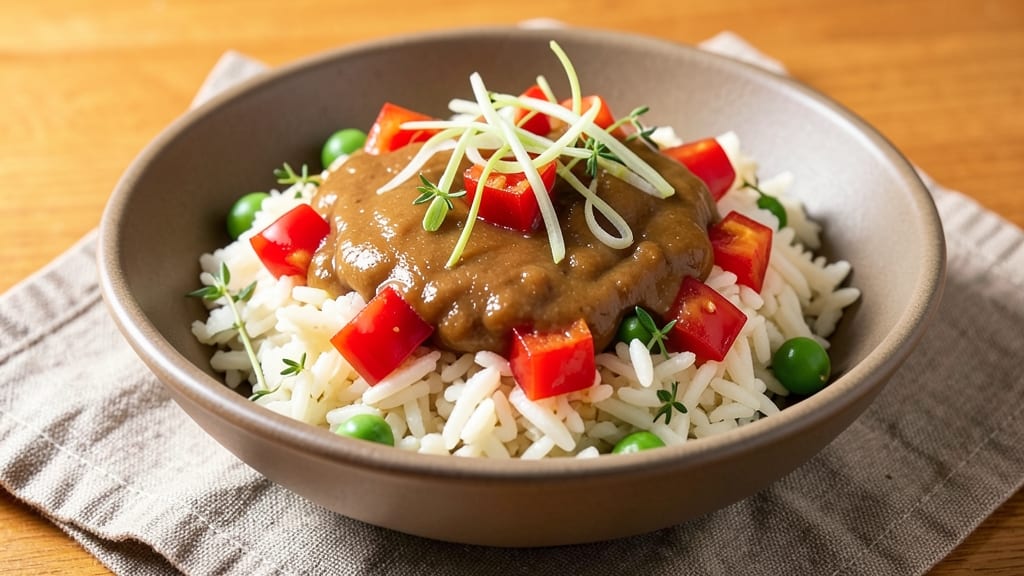
This Caribbean rice recipe transforms simple long-grain rice into a vibrant, one-pot masterpiece where tomato paste, bell peppers, and aromatic spices create a flavor harmony that stands up to any main dish.
The secret lies in the slow cooking process, where the rice absorbs the rich, slightly sweet tomato base and develops a fragrant crust at the bottom—just like my grandmother used to make.
Every bite delivers a balance of smoky thyme, bright scallions, and tender peas, making this more than just a side dish.
The beauty of this recipe is its versatility and simplicity—just one pot means minimal cleanup, while the 30-minute cooking time makes it perfect for weeknight meals.
Whether you're serving it alongside grilled chicken, fish, or even as a vegetarian main, this rice absorbs flavors beautifully and stays tender without turning mushy.
The key technique is toasting the spices first to unlock their full aroma before adding the rice, a step that professional chefs swear by for authentic results.
What you'll end up with is a golden, slightly sticky rice with deep red undertones from the tomato paste, flecked with bright green peas and crisp scallions. The crust at the bottom—known as "socarrat" in Spanish—adds an extra layer of flavor that transforms this into a restaurant-quality side dish.
This recipe delivers the same bold flavors you'd find in Caribbean restaurants, but with the convenience of a one-pot meal that's ready in under an hour.
For those who love regional variations, this base recipe can easily be adapted into Jamaican red rice by adding kidney beans and Scotch bonnet peppers, or Puerto Rican arroz con habichuelas by incorporating pigeon peas.
The possibilities are endless, but the foundation remains the same: balanced flavors, tender rice, and that essential one-pot convenience. Let's get started on creating this flavorful centerpiece for your table.
Ingredients for carribean rice
One-pot magic with just 14 simple ingredients for Caribbean rice that tastes like home.
| Ingredient | Amount | Notes |
|---|---|---|
| Long-Grain White Rice 🍚 | 1 ½ cups | Uncooked, rinsed thoroughly |
| Tomato Paste 🍅 | 2 tbsp | Squeeze tube preferred |
| Bell Peppers 🌶️ | 1 whole | Red or green, diced |
| Fresh Thyme Leaves 🌿 | 1 tbsp | Or 1 tsp dried thyme |
| Scallions 🧅 | 3 whole | White and green parts, sliced |
| Frozen Peas 🌱 | ½ cup | Or fresh, thawed |
| Garlic Cloves 🧄 | 2 cloves | Minced for depth |
| Olive Oil 🫒 | 2 tbsp | Extra-virgin preferred |
| Chicken Broth 💧 | 1 ½ cups | Low-sodium preferred |
| Bay Leaves 🌿 | 1 whole | Removed after cooking |
| Ground Allspice 🌶️ | ½ tsp | Key Caribbean spice |
| Salt 🧂 | ¾ tsp | Adjust to taste |
| Black Pepper 🌶️ | ¼ tsp | Freshly ground |
| Lemon Juice 🍋 | 1 tbsp | Freshly squeezed |
The rice is the star, so grab long-grain white—it stays fluffy and absorbs flavors beautifully. Trader Joe's has great bulk bins if you're doing a big batch, but any grocery store carries it. Rinse it well before cooking to remove excess starch, which prevents that gummy texture. For the tomato paste, squeeze tubes are perfect—they last months and make measuring easy. No fresh thyme? Dried works at one-third the amount, but fresh gives that smoky aroma that's hard to beat. The bell peppers should be bright and firm, not rubbery. If you're short on time, frozen peas work just as well as fresh—they're pre-thawed and ready to go.
No bell peppers? Sweet onions or zucchini add sweetness without changing the flavor profile. Short on allspice? Cinnamon and nutmeg at half the amount get you close, but allspice is the real deal for that Caribbean warmth. The chicken broth can be swapped for vegetable broth if you're vegetarian—just add a pinch of salt to compensate. For the garlic, jarred minced works in a pinch, but fresh minced has more punch. The lemon juice brightens everything up, so don't skip it. If you're feeling adventurous, add a dash of hot sauce at the end for a little kick.
This rice tastes even better the next day—honestly, it's a great make-ahead dish. Keeps for 4-5 days in the fridge, and freezes beautifully for 3 months. I like to portion it into containers so it's ready for lunches or to serve alongside grilled fish. The crust at the bottom? That's the good stuff—let it form for those last 2 minutes of cooking. If you're making this for a crowd, double the recipe—it's that easy.
Why You'll Love This Recipe
- One-Pot Magic: I swear by this—just rice, a spoonful of tomato paste, and a handful of peppers. No separate pots, no extra bowls, just stir, simmer, and serve. The rice soaks up all that peppy, herby goodness right in the pan.
- Thyme for Adventure: That fresh thyme? It’s the secret weapon. Bright, citrusy, and just a little earthy—it cuts through the richness of the tomato paste like a whisper. Honestly, I’ve tried dried, but nothing beats the real deal here.
- Meal Prep MVP: Make a big batch on Sunday, and you’ve got lunch or dinner covered for days. It reheats beautifully, keeps its texture, and pairs with everything—grilled chicken, fish, even just eggs. My go-to for lazy nights.
- Budget Brightener: Long-grain rice and bell peppers won’t break the bank, but this dish tastes like you spent hours. Between us, it’s the kind of rice that makes a simple meal feel special without the fancy price tag.
Step-by-step instructions for Caribbean rice recipe
Here's how to make this vibrant, one-pot dish with perfect texture and bold flavors.
Sauté the Aromatics and Peppers
Heat the 2 tablespoons olive oil in a large, heavy-bottomed pot over medium heat. Add the 3 whole scallions and 2 cloves garlic cloves, cooking for 2-3 minutes until the scallions turn soft and the garlic becomes fragrant. You'll smell that sweet onion aroma mixed with garlic's punch—this is where all the flavor starts.
Next, add the 1 whole bell peppers and cook for another 3-4 minutes until softened. The peppers should release their juices and begin to caramelize slightly at the edges. Here's the thing—don't overcrowd the pot. If your pan is too full, cook the peppers in batches to prevent steaming instead of browning.
Toast the Spices and Add Tomato Paste
Stir in the 0.5 teaspoon ground allspice, 0.75 teaspoon salt, and 0.25 teaspoon black pepper. Toast these spices for 30 seconds until fragrant—you'll smell that warm, slightly sweet spice aroma that's the heart of Caribbean flavor. Be careful not to let them burn; they'll darken quickly.
Add the 2 tablespoons tomato paste and cook for 1 minute, stirring constantly. The paste will darken and develop a rich, caramelized flavor. This step builds the sauce foundation that'll coat every grain of rice later. If you notice any bits sticking to the bottom, add a splash of chicken broth to deglaze—those browned bits pack serious flavor.
Cook the Rice and Add Liquid
Add the 1.5 cups long-grain white rice, stirring to coat it evenly with the spiced paste. Cook for 1-2 minutes until the rice becomes translucent at the edges. This initial toasting prevents the rice from becoming mushy later.
Pour in the 1.5 cups chicken broth and add the 1 whole bay leaves and 1 tablespoon fresh thyme leaves. Bring to a gentle boil, then immediately reduce heat to low. Cover the pot tightly with a lid and let it simmer for 15 minutes without disturbing it. The rice will absorb most of the liquid, and you'll see steam rising steadily from the sides.
Add Peas and Finish Cooking
After 15 minutes, stir in the 0.5 cup frozen peas and 1 tablespoon lemon juice. The peas will thaw quickly and absorb the remaining liquid. Increase heat to medium-low and cook uncovered for another 5-7 minutes until the rice is tender and all the liquid has been absorbed.
You'll know it's done when the rice pulls away from the sides of the pot and has a slight crunch at the edges. If it's still too wet, uncover and cook for another 2-3 minutes on low heat. The lemon juice brightens all the rich flavors and cuts through the earthiness of the peas.
Rest and Fluff the Rice
Remove from heat and let the rice sit covered for 5 minutes. This resting period allows the steam to redistribute and the flavors to meld completely. Then, fluff the rice gently with a fork, being careful not to mash the grains. The bay leaf can be removed before serving if you prefer.
Serve immediately with your favorite protein or as a side dish. The rice should be perfectly tender with a slight bite, infused with warm allspice and bright lemon, and speckled with vibrant peas. Each grain should be distinct but coated in that rich, tomato-spiced sauce.
Pro Tips For Making Carribean Rice
- TOAST THE TOMATO PASTE: Spread that tomato paste in a thin, even layer and cook it on medium heat for 3-4 minutes until it darkens just slightly—almost like it’s sticking to the pan a little. I used to rush this, and the flavor never popped the way it should. Let it develop that deep, caramelized edge before adding anything else.
- CHOP SCALLIONS THIN AND LONG: Slice those scallions into paper-thin rings, leaving the whites slightly longer than the greens. They’ll soften differently during cooking, and you want that bright, fresh contrast at the end. If you dice them small, they’ll turn into mush before you finish stirring.
- USE A 1:2 RATIO FOR RICE TO LIQUID: For every cup of long-grain rice, use 2 cups of liquid—broth, water, or a mix. Too little, and you’ll end up with dry, separate grains. Too much, and it turns into soup. Stick to this ratio, and your rice will stay fluffy and separate, just like it should.
- STIR THE BELL PEPPERS FIRST: Sauté the bell peppers until they’re soft but still hold their shape—about 4-5 minutes—before adding the rice. If you toss them in later, they’ll just sit there like raw chunks. Softening them early lets their sweetness meld into the base, making the whole dish taste more cohesive.
Make-ahead tips for carribean rice
Prep Ahead Strategy
Start by rinsing and measuring all ingredients the night before—this saves 15 minutes of prep time the next day. Store the rinsed rice in an airtight container with a damp paper towel to keep it fresh.
I like to pre-chop the scallions, garlic, and bell peppers, then store them in a sealed container in the fridge. This way, you only need to heat your pot and add everything in one go. 📅
Fridge Storage Tips
Caribbean rice keeps beautifully in the fridge for 4-5 days in an airtight container. Let it cool completely before storing to prevent condensation, which can make the rice soggy. I portion mine into 1-cup servings so it's ready for quick lunches or to reheat alongside proteins like jerk chicken.
The flavors actually deepen overnight, making it even more delicious the next day. ❄️
Freezer-Friendly Method
For long-term storage, freeze cooked rice in single-serving portions using freezer-safe containers or heavy-duty plastic bags. Press out excess air to prevent freezer burn. When ready to eat, thaw overnight in the fridge and reheat gently on the stovetop with 1-2 tablespoons of water or broth.
Avoid microwaving directly from frozen—it makes the rice rubbery. 💫
Reheating Perfection
For the best texture, reheat rice on the stovetop over low heat with a splash of broth or water. Cover the pot and let it steam for 5-7 minutes, stirring occasionally. If it's too dry, add more liquid 1 tablespoon at a time.
The key is to keep it warm and moist without overcooking. A quick stir with a fork revives the texture and distributes flavors evenly. 🔥
Make-Ahead Meal Prep
Double the recipe and prep two batches for easy meals all week. Store one batch in the fridge and freeze the other. I like to pair this rice with grilled chicken or black beans for balanced, protein-packed lunches.
The allspice and thyme flavors become even more pronounced after reheating, making every bite taste like a home-cooked meal. 💡
Nutrition facts
Frequently asked questions
Can I make this Caribbean rice dish vegetarian?
Simply swap the chicken broth for vegetable broth and omit any meaty additions like ham. The recipe already includes peas, which add plant-based protein. For extra depth, stir in 1 cup cooked black beans or ½ cup diced tomatoes with the peas. The allspice and thyme flavors will still shine in a meat-free version.
Why does my Caribbean rice turn out mushy?
Mushy rice usually happens from overcooking or not rinsing the rice first. Always rinse 1.5 cups uncooked rice until the water runs clear to remove excess starch. Also, avoid lifting the lid while cooking—steam escape makes the rice dry out and become gummy. If it's still too wet after 20 minutes, uncover and cook on low heat for 2-3 more minutes to evaporate excess moisture.
What's the best way to make this recipe gluten-free?
This recipe is naturally gluten-free if you use certified gluten-free chicken broth and check your tomato paste for hidden gluten. For extra safety, toast your spices in a clean, dedicated pan to avoid cross-contamination. The rice itself is gluten-free, and all other ingredients like peas, scallions, and bell peppers are typically safe. Always verify labels on packaged items like tomato paste and broth.
Can I use brown rice instead of white?
Brown rice works but requires adjustments. Use 1.75 cups uncooked brown rice and increase the broth to 2 cups. Cooking time doubles to 30-35 minutes covered, then add peas and lemon juice for the final 5-7 minutes. Brown rice absorbs liquid differently, so check for doneness frequently. The texture will be nuttier and heartier, but the flavor profile remains the same.
How do I get that perfect crust at the bottom?
The crust—called "socarrat"—forms when the rice dries slightly at the bottom. For best results, cook uncovered for the final 2-3 minutes on low heat after adding peas. If your rice is too wet, spread it evenly in the pot and increase heat slightly. The crust should be golden and slightly crispy—this adds smoky depth to every bite. Don't worry if it's not perfect; the flavor is still delicious!