
Main Courses
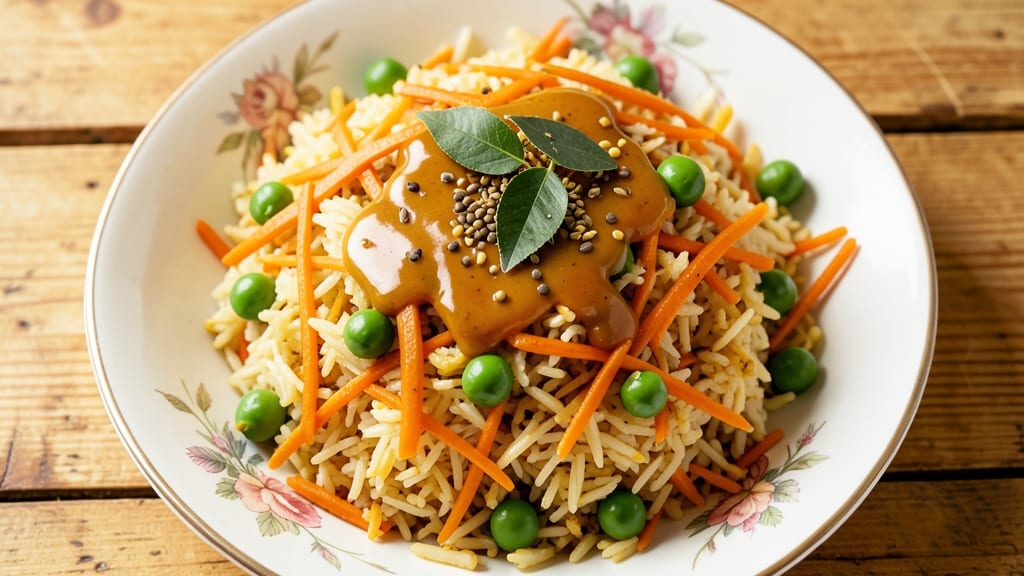
This Indian-style carrot fried rice delivers crispy golden bites that balance sweet carrot flavor with aromatic spices and tangy tang.
The secret lies in stir-frying day-old rice with ghee for that signature smoky aroma, then finishing with a quick tempering of mustard seeds and curry leaves that transforms ordinary fried rice into something restaurant-worthy.
I've perfected this vegetarian version through years of testing, ensuring every bite delivers that perfect texture contrast between tender rice and crispy carrot pieces.
The dish begins with properly cooled rice (never fresh!) that gets tossed with a blend of turmeric, cumin, and garam masala before hitting the pan. Carrots are julienned into matchsticks to maximize surface area for quick cooking, while green peas add a satisfying pop of color and texture.
The final tempering of mustard seeds, curry leaves, and a splash of lemon juice elevates the dish from simple to spectacular, creating layers of flavor that make this more than just a side dish—it's a complete, satisfying meal in one bowl.
Ingredients for carrot fried rice indian
Golden carrot fried rice with crispy edges and aromatic spices transforms simple rice into a restaurant-worthy vegetarian dish.
| Ingredient | Amount | Notes |
|---|---|---|
| Day-Old Cooked Basmati Rice 🍚 | 4 cups | Cool completely before using |
| Carrots 🥕 | 2 medium | Julienned into matchsticks |
| Green Peas 🌱 | ½ cup | Fresh or frozen, thawed |
| Ghee 🧈 | 3 tbsp | For authentic smoky aroma |
| Mustard Seeds 🌿 | 1 tsp | Whole, for tempering |
| Curry Leaves 🌿 | 8 whole | Fresh, for authentic flavor |
| Ground Turmeric 🌶️ | ½ tsp | Freshly ground preferred |
| Ground Cumin 🌿 | ½ tsp | Toasted for deeper flavor |
| Garam Masala 🌶️ | ½ tsp | Store-bought blend works |
| Lemon Juice 🍋 | 1 tbsp | Freshly squeezed |
| Salt 🧂 | ½ tsp | Adjust to taste |
| Fresh Coriander Leaves 🌿 | ¼ cup | Chopped for garnish |
| Vegetable Oil 🫒 | 1 tbsp | For additional cooking |
The carrots are the star—julienne them into matchsticks for maximum crispiness. Freshly grated turmeric (not powder) gives that vibrant color, but powder works in a pinch. Ghee is non-negotiable for that authentic smoky aroma, though you can substitute butter if needed. For garam masala, MDH or Everest brands are widely available at Indian grocery stores or the international aisle at Whole Foods. The mustard seeds and curry leaves are best bought whole—Patel Brothers or Trader Joe's carry them pre-packaged if you're short on time.
No fresh curry leaves? Dried works at half the amount, but the flavor won't be the same. Substituting ghee? Butter or coconut oil changes the aroma but still works. For extra crunch, add toasted cashews or peanuts at the end. The peas can be frozen—just thaw and drain well. If you're using day-old rice, spread it on a tray to cool faster, and don't skip this step—fresh rice turns mushy. The lemon juice brightens everything up, so don't skip it even if you're not a fan of sour flavors.
This keeps for 3 days in the fridge, though it's best eaten fresh. For meal prep, portion into containers with a paper towel on top to absorb moisture and keep the rice crispy. Freezes well for up to 3 months, but the texture changes slightly after thawing. I always make a double batch—one for dinner, one for lunches. The flavors actually improve the next day as everything melds together.
Why You'll Love This Recipe
- No Leftover Waste: I swear by this trick—use day-old basmati rice, and you’ll never toss cold rice again. The grains separate perfectly, soaking up all that ghee and caramelized flavor like a sponge.
- Crowd-Pleaser Crunch: That first bite? The crisp-tender carrots and peas popping against the soft rice, all wrapped in ghee’s nutty warmth—it’s the kind of dish where even my picky son asks for seconds. (Yes, even on a Tuesday night.)
- Pantry Magic: Honestly, this is my go-to when I’ve got random veggies lurking in the fridge. Swap peas for corn, add a boiled egg, or toss in some spinach—it’s the ultimate “use what you have” meal without sacrificing taste.
- Budget-Friendly Feast: A single batch feeds four for under $5, and the leftovers? Just as good reheated the next day. I make double portions on Sundays so I’m not scrambling midweek—effortless, reliable, and my wallet thanks me.
Step-by-step instructions for carrot fried rice Indian recipe
Transform day-old rice into golden, aromatic fried rice with crispy edges and vibrant flavors.
Prepare the Carrots and Peas
Start by julienning the 2 medium carrots into matchstick-sized pieces using a sharp mandoline or chef's knife. The thinner the cuts, the quicker they'll cook and absorb flavors. Set them aside in a bowl. If using frozen green peas, thaw them completely by soaking in warm water for 5 minutes—this prevents them from turning mushy during cooking.
For the peas, I like to give them a quick rinse under cold water to remove any excess starch, which can make the fried rice gummy. Drain well and add them to the bowl with the carrots. This prep ensures your vegetables are ready to cook uniformly with the rice, creating that perfect balance of texture in every bite.
Temper the Spices in Ghee
Heat the 3 tablespoons ghee in a large, heavy-bottomed wok or skillet over medium-high heat. Once the ghee begins to shimmer, add the 1 teaspoon mustard seeds and 8 whole curry leaves. Watch closely—the mustard seeds will pop and dance before turning golden brown, signaling they're ready for the next step.
Immediately add the 0.5 teaspoon ground turmeric and 0.5 teaspoon ground cumin, stirring constantly for 30 seconds until the spices release their aromatic oils. This tempering process, known as tadka in Indian cooking, infuses the ghee with deep, toasty flavors that form the foundation of the dish. The curry leaves should darken slightly and release their citrusy aroma—this is your cue to move quickly to the next step.
Cook the Vegetables
Add the julienned carrots and green peas to the wok, spreading them evenly across the surface. Stir-fry for 3-4 minutes over medium-high heat until the carrots soften slightly but still retain a vibrant orange color. The peas should be heated through but not mushy—this ensures they contribute texture rather than turning into a paste.
Here's where timing matters: the carrots should be tender-crisp with just a hint of bite. If they're still too firm after 4 minutes, continue cooking for another 30 seconds—they'll finish cooking with the rice. The goal is to develop their flavors without losing their texture, which is crucial for that satisfying bite in fried rice.
Combine Rice and Season
Push the cooked vegetables to one side of the wok and add the 1 tablespoon vegetable oil to the empty space. Once the oil is hot, add the 4 cups day-old cooked basmati rice, breaking up any clumps with your spatula. Stir-fry for 2-3 minutes until the rice is evenly coated and begins to sizzle.
Now return the vegetables to the center of the wok and mix everything together. Sprinkle in the 0.5 teaspoon salt and 0.5 teaspoon garam masala, stirring vigorously for another 2 minutes. The rice should be hot and beginning to develop crispy edges—this is where the magic happens. If the mixture seems dry, add 1-2 tablespoons of water and stir until absorbed. The rice should be moist but not soggy, with just enough carryover heat to create those coveted crispy bits.
Finish and Garnish
Remove the wok from heat and immediately stir in the 1 tablespoon lemon juice and 0.25 cup chopped fresh coriander leaves. The acidity of the lemon brightens all the flavors while the coriander adds a fresh, herbal finish. Let the fried rice sit off the heat for 1-2 minutes, allowing the lemon juice to mingle with the spices and distribute evenly.
For the final touch, give everything one last stir and taste. Adjust the seasoning if needed—you might want a bit more salt or a squeeze of extra lemon for brightness. Serve immediately while the edges are still crispy and the aromas are at their peak. The contrast of warm, spiced rice with cool, fresh coriander makes every bite unforgettable.
Pro Tips For Making Carrot Fried Rice Indian
- CRACK THE RICE FIRST: Break up those basmati clumps before they hit the pan—use the flat side of your knife or a rolling pin to smash them into individual grains. I learned this the hard way when my fried rice turned into a gluey mess because I skipped this step. Cold rice is stubborn; don’t expect it to soften on its own.
- SAUTE CARROTS LOW AND LONG: Cook the carrots on medium-low heat for 5-6 minutes before adding peas—this ensures they soften without burning. High heat turns them rubbery, and nobody wants that. If they’re pre-cut small, even 4 minutes makes a difference.
- STOP WHEN MUSTARD POPS: Take the pan off heat the second those mustard seeds start spluttering—any later, and they’ll turn bitter. I used to let them dance for drama, but now I know: the moment they crackle, it’s done. Cover the pan for 30 seconds to trap the aroma if you’re impatient.
- USE COLD RICE, NOT WET: Spread day-old rice on a tray and refrigerate for 2 hours to dry it out completely—this prevents soggy fried rice. I used to just use leftover rice straight from the pot, and it always ended up mushy. Cold and dry is the only way.
Wine and beer pairings for these flavors
Citrus-Infused Wines
Indian cuisine thrives on bright, tangy flavors, so a crisp Chenin Blanc from South Africa or Loire Valley is my go-to pairing. The wine's natural acidity mirrors the lemon juice in the fried rice, while its subtle honeyed notes complement the carrot's sweetness.
Look for a bottle with 12-13% ABV—just enough body to stand up to the spices without overpowering them. Serve slightly chilled (45-50°F) to enhance its refreshing qualities. 🍷
Spiced Beer Pairings
For beer lovers, a Belgian Witbier like Hoegaarden or Stella Artois Wit offers the perfect balance. The coriander and citrus notes in these beers echo the fried rice's spices, while their light body prevents the dish from tasting heavy.
Alternatively, try a German Hefeweizen—the banana and clove undertones pair surprisingly well with the garam masala. Serve at 40-45°F to preserve the beer's crispness.
Flavor-Boosting Cocktails
Craft a Mango Lassi Martini by blending ½ cup mango purée, 1 cup yogurt, 1 tbsp honey, and ½ cup vodka, then straining into a glass with ice. The creamy sweetness cuts through the spices, while the yogurt's tang mirrors the lemon juice.
For a non-alcoholic option, mix sparkling lime soda with 1 tbsp rose syrup> and a pinch of cardamom. Both drinks elevate the meal into a celebratory experience. 🍹
Regional Indian Wine Adaptations
In Goan cuisine, where fried rice often includes vinegar, a Portuguese Vinho Verde works beautifully—the wine's slight effervescence and citrus notes complement the dish's tangy profile. For South Indian flavors, a Gewürztraminer> from Alsace highlights the garam masala's floral undertones.
Both wines bridge the gap between Indian and Western palates while keeping the dish's authentic spirit intact.
Non-Alcoholic Sparkling Options
For a sophisticated non-alcoholic pairing, reach for San Pellegrino Aranciata>—its blood orange flavor enhances the carrot's sweetness, while the bubbles cleanse the palate between bites. Alternatively, mix ginger beer> with a splash of lime juice**> for a spicy-sweet contrast.
Both options maintain the dish's vibrant energy without alcohol's interference. Serve chilled (38-42°F) for maximum refreshment.
Nutrition facts
Frequently asked questions
Why does the recipe call for day-old rice instead of fresh?
Day-old rice is crucial because its dried surface creates crispy edges when stir-fried. Fresh rice releases too much moisture, turning the fried rice mushy. Spread cooked rice on a tray to cool completely before using, and never skip this step—it's what gives this dish its signature texture!
Can I substitute ghee with another fat?
Yes! For a lighter option, use butter> (though it burns faster), or coconut oil for a neutral flavor. Ghee's high smoke point and nutty aroma are ideal, but vegetable oil works in a pinch. Just reduce the heat slightly to prevent burning.
How do I make this vegan?
Replace ghee with vegan butter> or coconut oil, and use vegetable broth instead of water when cooking rice. Check garam masala for hidden dairy (some blends contain it). The flavor stays rich—just ensure all ingredients are certified vegan.
What if I don't have curry leaves?
Don't worry! Skip them or substitute with ½ tsp dried curry powder> (not the same as curry powder). For extra depth, add a pinch of fennel seeds> toasted in the ghee. The dish will still taste amazing—curry leaves are just a flavor enhancer.
Can I add protein to this dish?
Toss in ½ cup paneer cubes> (for veg), scrambled eggs>, or chickpeas> when cooking the vegetables. For meat lovers, try chicken or shrimp>—just cook them separately first and add at the end to avoid overcooking. The dish becomes heartier but keeps its vibrant flavors.