
Desserts
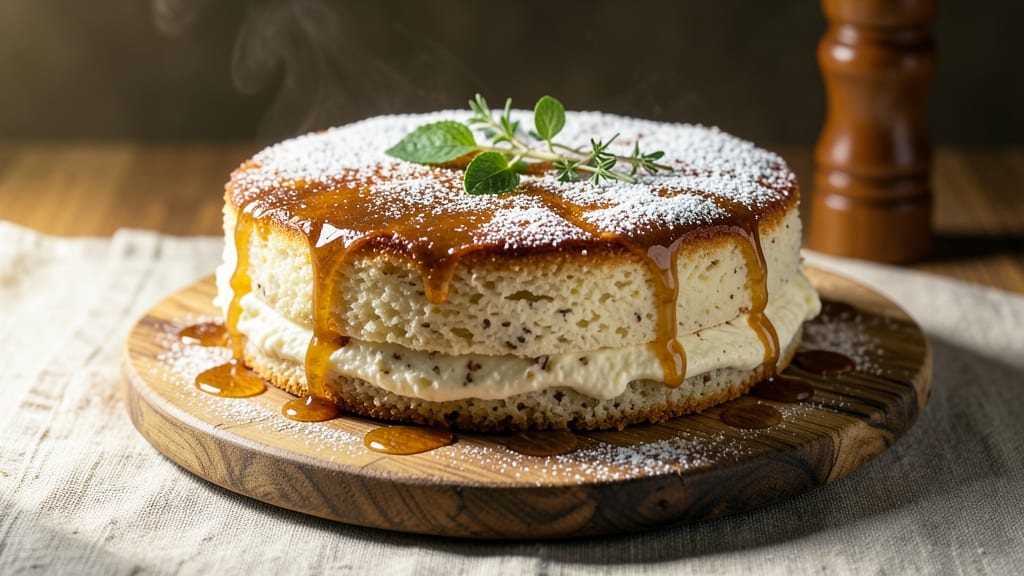
This cassava cake recipe with glutinous rice flour delivers the perfect balance of moist, light bites with a chewy texture that keeps you reaching for seconds. The secret lies in combining cassava’s natural tenderness with glutinous rice flour’s signature stickiness, creating a dessert that’s both elegant and irresistibly comforting. I’ve perfected this recipe over years of baking, ensuring every slice stays soft and flavorful without drying out.
The result is a cake with a delicate crumb that’s surprisingly light yet substantial—ideal for special occasions or when you crave something different from traditional sponge cakes. The texture contrast between the cassava’s subtle sweetness and the rice flour’s chewy bite makes it unforgettable.
Ready in under an hour, this recipe is perfect for bakers of all levels.
Ingredients for cassava cake recipe with glutinous rice flour
Eleven ingredients for a cake that defies expectations with its signature chewy-yet-moist texture.
| Ingredient | Amount | Notes |
|---|---|---|
| Fresh Cassava (Yuca) Grated 🥔 | 2 cups | Freshly grated, no liquid |
| Glutinous Rice Flour 🌾 | 1 ½ cups | Sweet rice flour preferred |
| Granulated Sugar 🍚 | 1 cup | White or light brown |
| Unsalted Butter 🧈 | ¾ cup | Room temperature, full-fat |
| Large Eggs 🥚 | 4 whole | Room temperature, separated |
| Vanilla Extract 🌿 | 1 tbsp | Pure Madagascar preferred |
| Baking Powder 🧂 | 1 tsp | Aluminum-free preferred |
| Salt 🧂 | ¼ tsp | Fine sea salt |
| Milk 🥛 | ½ cup | Whole milk preferred |
| Lemon Zest 🍋 | 1 tbsp | Freshly grated |
| Coconut Oil 🥥 | 2 tbsp | Melted for greasing |
The cassava is non-negotiable for that signature tenderness, so freshly grated from a whole root is ideal—pre-shredded loses moisture fast. Asian markets often carry whole cassava, but most grocery stores sell pre-grated. If using pre-grated, squeeze out excess liquid with a clean towel. Glutinous rice flour should be labeled as 'sweet rice flour'—Bob's Red Mill or Thai Kitchen brands work perfectly. The flour's stickiness is what creates that signature chewy bite, so don't substitute regular rice flour. For the butter, Plugrá or Land O'Lakes are reliable choices, but avoid salted varieties.
No fresh cassava? Pre-grated cassava from a Latin market works in a pinch, but you'll need to wring out more moisture. Substituting regular rice flour will drastically alter the texture—tapioca starch at half the amount can help, but expect a lighter result. The vanilla extract can be swapped for vanilla bean paste if you prefer more depth. For a dairy-free option, replace the milk with full-fat coconut milk and use vegan butter, though the texture will be slightly denser. The lemon zest adds brightness—frozen zest works fine if you're prepping ahead.
This cake keeps beautifully for 3-4 days at room temperature wrapped in plastic, or 1 week refrigerated. For longer storage, freeze individual slices wrapped in parchment for up to 3 months. The texture actually improves slightly after a day as the flavors meld. I recommend baking in two 8-inch pans for even baking—lightly greased with coconut oil and dusted with a tiny bit of rice flour to prevent sticking. The cake is best enjoyed at room temperature, so let slices sit for 10 minutes before serving.
Why You'll Love This Recipe
- No Grater Needed: I’ll be real—this one’s a lifesaver when I’m too tired to peel and shred cassava. Just grate it fresh (or use pre-grated if you’re really short on time), mix in that sticky glutinous rice flour, and let the batter do the work. The eggs and butter bind everything so smoothly, you won’t believe it’s not a boxed mix.
- Sweet Chewy Magic: That combo of cassava’s natural starch and glutinous rice flour? It’s like a cross between a dense pound cake and a mochi—firm but tender, with just the right bite. The sugar caramelizes slightly on top while staying soft inside, and honestly? It’s the kind of cake that disappears faster than my willpower on a bad day.
- Breakfast or Dessert: Here’s what sold me—this cake works for anything. Serve it warm with butter for a hearty breakfast (yes, even on a Tuesday night), or dust it with powdered sugar for a dessert that feels fancy but costs pennies. My kids think it’s a snack, my partner treats it like a treat, and I just call it “my secret weapon.”
- Leftovers? More Like Zero Leftovers: Between us, this recipe makes two cakes, and they won’t last. But if yours somehow does, the second day is even better—slightly drier, almost like a cakey fritter. Freeze slices for quick snacks, or crumble the leftovers into oatmeal for a tropical twist. Budget-friendly? Absolutely. Waste-free? Even better.
Step-by-step instructions for cassava cake with glutinous rice flour
Mastering this recipe delivers a perfectly moist, chewy-textured cake every time.
Prepare the Cassava Base
Begin by squeezing the 2 cups Fresh Cassava (Yuca) Grated thoroughly between clean kitchen towels to remove any excess moisture. This step is crucial—wet cassava creates a dense, gummy cake. I press firmly for 2-3 minutes, changing towels as needed until the grated cassava feels dry to the touch. The texture should resemble damp sand rather than wet pulp.
In a large mixing bowl, combine the dried cassava with 1.5 cups Glutinous Rice Flour, 1 cup Granulated Sugar, 1 tsp Baking Powder, and 0.25 tsp Salt. Use a whisk to break up any flour lumps and ensure even distribution. The mixture should resemble coarse, slightly sticky crumbs. Set this aside—we'll return to it after preparing the wet ingredients.
Create the Wet Ingredient Mixture
In a separate bowl, melt the 0.75 cup Unsalted Butter and 2 tbsp Coconut Oil together over a double boiler or in 30-second intervals in the microwave. Once fully melted, let the mixture cool to room temperature—this prevents the eggs from scrambling when combined. While cooling, separate the 4 whole Large Eggs, placing yolks and whites in separate bowls.
To the cooled butter mixture, add the 4 egg yolks, 1 tbsp Vanilla Extract, 1 tbsp Lemon Zest, and 0.5 cup Milk. Whisk vigorously for 2-3 minutes until the mixture lightens in color and becomes slightly thickened. This emulsification creates the cake's signature moist texture. I like to scrape the bowl frequently with a spatula to ensure all ingredients incorporate fully.
Combine Wet and Dry Ingredients
Gradually add the dry cassava mixture to the wet ingredients while mixing on low speed with an electric mixer. Scrape down the sides of the bowl every 30 seconds to prevent dry spots from forming. Once fully combined, switch to the paddle attachment and mix for an additional 1 minute on medium speed—this ensures the glutinous rice flour develops just enough structure without overworking the batter.
In a separate, very clean bowl, beat the 4 egg whites with a hand mixer until they form stiff peaks. Gently fold one-third of the egg whites into the cassava batter to lighten it, then carefully fold in the remaining egg whites in two additions. This technique maintains the cake's airy texture while preventing deflation. The final batter should be thick but pourable, with no visible streaks of flour.
Bake to Perfect Moisture
Preheat your oven to 350°F and grease an 8-inch round cake pan generously with additional coconut oil, then dust with glutinous rice flour. Tap the pan gently to remove excess flour. Pour the batter into the prepared pan and smooth the top with a spatula. Bake for 40-45 minutes until a toothpick inserted in the center emerges clean but with a few moist crumbs clinging to it.
The cake is done when the edges pull away slightly from the pan and the top springs back when touched gently. Here's the thing—overbaking is the enemy of moisture. If you see the top beginning to brown too quickly, tent the cake with aluminum foil after 30 minutes to prevent over-browning while maintaining even cooking. Let the cake cool in the pan for 15 minutes before transferring to a wire rack to cool completely.
Pro Tips For Making Cassava Cake Recipe With Glutinous Rice Flour
- Squeeze Dry the Cassava: Fresh cassava releases so much water when grated—skip the paper towels and use a clean kitchen towel instead. Wrap the grated cassava in it, twist it like you’re wringing out a dishrag, and let it sit for 10 minutes. This cuts down on soggy cake and saves you from adjusting the batter later.
- Preheat Pan to 325°F: Cold pans make for uneven baking, and this cake is delicate. I learned this the hard way—my first batch had a dense center because I rushed. A properly preheated oven (with the pan inside for 15 minutes) ensures the edges set while the middle stays moist. Trust me, your cake will thank you.
- Whisk Eggs with Sugar First: Don’t just toss the eggs into the dry mix. Beat them with the sugar until they’re pale and slightly thickened—this incorporates air and lightens the texture. I was skeptical until I tried it; the result is a cake that’s actually fluffy, not gummy.
- Fold in Glutinous Flour Gently: This flour is sticky, and overmixing turns the batter into glue. Use a spatula to fold it in just until combined—lumps are fine, but don’t force it. The cake will hold together without turning dense, and you’ll avoid the cleanup nightmare of a runny batter.
Common mistakes when making great cassava cake recipe with glutinous rice flour
Skipping Cassava Drying
This is the #1 mistake I see beginners make—they skip drying the grated cassava or don't do it thoroughly. The excess moisture creates a dense, gummy cake instead of the light, chewy texture we want.
I recommend pressing the cassava between towels for at least 2-3 minutes, changing towels every 30 seconds. If you're in a hurry, use a clean kitchen towel and apply gentle but firm pressure. The goal is to get it to a damp-sand consistency, not wet pulp. 🥔
Overmixing the Batter
Once you start mixing the wet and dry ingredients, it's tempting to give it a good stir—but overmixing develops gluten in the glutinous rice flour, making the cake tough.
Mix on low speed for just 1 minute after combining, then switch to the paddle attachment for 30 seconds on medium speed. Stop immediately when the batter is just combined. I've ruined cakes by mixing too long—trust me, the batter will look "done" before it actually is.
Using Wrong Flour
Substituting regular rice flour or all-purpose flour will completely alter the texture—you'll lose that signature chewy bite. Glutinous rice flour (also called sweet rice flour) is essential. If you can't find it, Bob's Red Mill or Thai Kitchen brands work perfectly.
For a partial substitute, you can use ½ the amount of tapioca starch, but expect a lighter, less chewy result. The flour's natural stickiness is what creates that irresistible texture we're after.
Incorrect Baking Time
Underbaking leaves the cake gummy in the center, while overbaking dries it out. The perfect doneness is when a toothpick comes out with a few moist crumbs clinging to it—not completely clean.
Bake for 40-45 minutes at 350°F, and if the top starts browning too quickly after 30 minutes, tent the cake with aluminum foil. I've learned this the hard way—overbaked cassava cake becomes dense and dry, which is the last thing we want. 🍰
Room-Temperature Ingredients
Using cold eggs or butter can cause the batter to separate or develop lumps. Always let your eggs and butter come to room temperature before mixing. For eggs, I place them in warm water for 5 minutes if I'm in a rush.
Cold ingredients also slow down the chemical reactions needed for proper rising. The batter should be smooth and well-emulsified—if it looks curdled, you've got a problem that's hard to fix.
Not Greasing the Pan Properly
A poorly greased pan causes the cake to stick, especially with this moist batter. I recommend using coconut oil (as called for in the recipe) and then dusting with a tiny bit of glutinous rice flour. Tap the pan gently to remove excess flour before pouring in the batter.
If you're using a non-stick pan, you can skip the flour dusting, but still grease it thoroughly. The cake should release cleanly from the pan after cooling for 15 minutes. If it sticks, you'll end up with a messy slice instead of a perfect presentation.
Nutrition facts
Frequently asked questions
Can I substitute regular rice flour for glutinous rice flour?
No, you shouldn't substitute regular rice flour—they're completely different! Glutinous rice flour gives the cake its signature chewy texture, while regular rice flour would make it dry and crumbly. If you can't find glutinous rice flour, try using ½ the amount of tapioca starch as a partial substitute, but expect a lighter texture. Brands like Bob's Red Mill or Thai Kitchen carry the right type.
Why does my cassava cake turn out gummy?
Gummy texture usually means the cassava wasn't dried properly before mixing. Press the grated cassava between clean towels for 2-3 minutes, changing towels every 30 seconds until it reaches a damp-sand consistency. Also check your baking time—the cake should spring back slightly when touched but not be completely clean when tested with a toothpick.
How do I make this recipe vegan?
Replace the 4 eggs with 4 tbsp ground flaxseed mixed with 10 tbsp water (let sit for 5 minutes), use vegan butter, and swap the milk for coconut milk. The texture will be slightly denser, but still delicious! For extra moisture, add 2 tbsp applesauce to the batter. The cake will hold together but may not rise as high.
Can I bake this in a different pan shape?
Yes, but adjust the baking time accordingly. For a 9-inch pan, reduce time by 5-7 minutes (about 35-40 minutes total). For a square pan, increase time by 5 minutes (about 45-50 minutes). Always use the toothpick test—it should come out with a few moist crumbs. Grease the pan thoroughly and dust with glutinous rice flour to prevent sticking.
How do I store leftovers?
Wrap the cake tightly in plastic wrap and store at room temperature for 2-3 days, or refrigerate for up to 1 week. For longer storage, freeze individual slices wrapped in parchment for 3 months. The texture actually improves slightly after a day as flavors meld. Let frozen slices thaw at room temperature for 30 minutes before serving.