
Main Courses
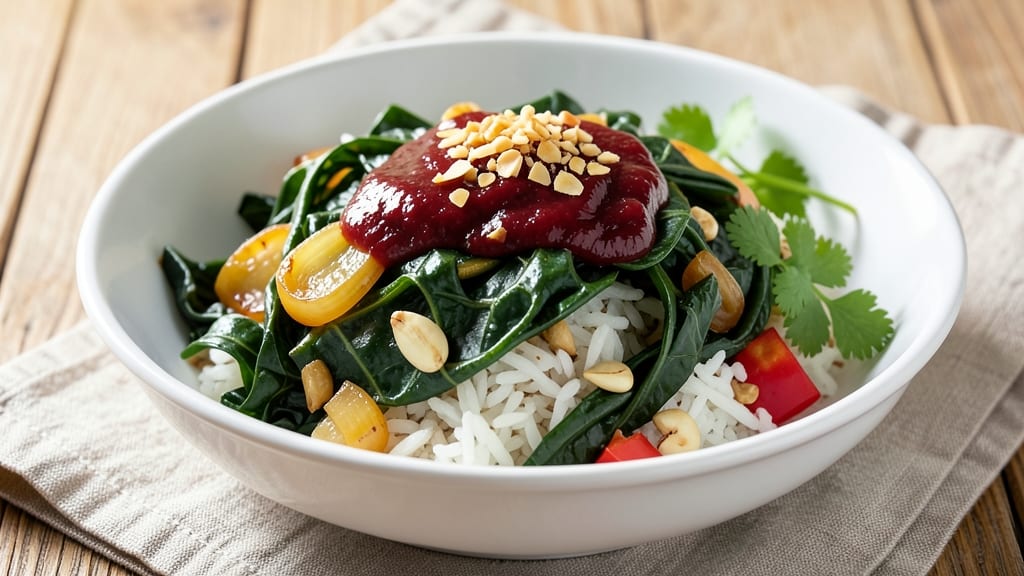
This West African cassava leaf and rice recipe delivers bold, earthy flavors in a single pot—perfect for a hearty vegetarian meal with minimal cleanup.
The cassava leaves, rich in iron and vitamins, wilt into tender greens when sautéed with onions, garlic, and peppers, while the rice absorbs their deep, savory essence. Traditional West African techniques ensure every bite is packed with authentic warmth and texture.
The beauty of this dish lies in its simplicity: just one pot, a handful of pantry staples, and 30 minutes of active time. The cassava leaves, often underrated, transform into a vibrant, slightly bitter-green base that pairs beautifully with the fluffy rice.
Add a pinch of thyme or smoked paprika for depth, and you’ve got a complete, satisfying meal that’s as nourishing as it is delicious. Ready to master this flavor bomb?
Ingredients for cassava leaf and rice
Authentic West African flavors in one pot—just these fifteen ingredients transform into a vibrant, nutrient-rich meal.
| Ingredient | Amount | Notes |
|---|---|---|
| Cassava Leaves 🌿 | 4 cups | Fresh, washed and chopped |
| Long-Grain White Rice 🍚 | 1 ½ cups | Uncooked, jasmine or basmati preferred |
| Yellow Onions 🧅 | 1 whole | Medium, thinly sliced |
| Garlic Cloves 🧄 | 6 cloves | Minced, fresh preferred |
| Red Bell Peppers 🌶️ | 1 whole | Medium, diced |
| Tomato Paste 🍅 | 2 tbsp | Smooth, no sugar added |
| Vegetable Oil 🫒 | 3 tbsp | Light or canola preferred |
| Dried Thyme 🌿 | 1 tsp | Or 1 tbsp fresh thyme |
| Smoked Paprika 🌶️ | 1 tsp | For authentic West African depth |
| Ground Black Pepper 🌶️ | ½ tsp | Freshly ground preferred |
| Salt 🧂 | 1 ½ tsp | Diamond Crystal or kosher |
| Vegetable Broth 💧 | 1 ½ cups | Low-sodium preferred |
| Lemon Juice 🍋 | 1 tbsp | Freshly squeezed |
| Scotch Bonnet Peppers 🌶️ | 1 whole | Seeds removed for mild heat |
| Fresh Cilantro 🌿 | ¼ cup | Chopped, for garnish |
Cassava leaves are the heart of this dish, so prioritize freshness. Look for vibrant green leaves at African markets or specialty grocery stores like Whole Foods, where they often stock West African produce. If fresh leaves aren't available, frozen cassava leaves work in a pinch—just thaw and drain thoroughly. The jasmine or basmati rice should be long-grain to maintain texture. For the scotch bonnet, Hatch chiles can substitute if unavailable, though they offer milder heat. Always wear gloves when handling fresh scotch bonnet—they pack serious capsaicin!
No cassava leaves? Swiss chard or spinach can substitute at equal volume, though flavor will differ slightly. Dried thyme can be omitted if unavailable, but the smoked paprika is essential for that West African depth—Penzeys carries excellent varieties if your local store lacks options. For the tomato paste, San Marzano is ideal, but any quality paste will suffice. The vegetable broth can be replaced with water plus an extra pinch of salt, though the umami depth will diminish. Fresh garlic and onions are non-negotiable for authentic flavor, but if you must use powdered, reduce to half the amount—though I strongly recommend against it for this dish.
This recipe reheats beautifully, making it perfect for meal prep. Store leftovers in an airtight container in the refrigerator for up to 4 days, or freeze portions for 3 months in sealed containers. The cassava leaves continue to soften over time, so reheating with a splash of water or broth is ideal. For serving, garnish with fresh cilantro and a squeeze of lemon juice just before eating—trust me on this. The rice absorbs all the rich flavors, so don't skip the final resting period after cooking. This dish tastes even better the next day as the flavors meld!
Why You'll Love This Recipe
- I’ll be real: most leftovers are sad. Not this. The rice stays fluffy, the leaves don’t wilt, and the flavors actually deepen overnight. Pack it for lunch or reheat it for dinner—it’s just as good, if not better, the second time around.
- One-Pot Magic: Honestly, I love a dish that doesn’t require three different pans. The rice cooks right in the same pot as the cassava leaves—no fussing with separate timers or cleanup. Just chop, sauté, and let it simmer while I handle whatever chaos the day throws at me.
- Umami Bomb: Between us, that garlic and onion base turns this into something ridiculously flavorful. The cassava leaves add this earthy richness, while the red bell peppers bring a subtle sweetness that balances everything. It’s the kind of taste that makes me reach for seconds without even thinking.
- Leftovers That Don’t Suck: I’ll be real: most leftovers are sad. Not this. The rice stays fluffy, the leaves don’t wilt, and the flavors actually deepen overnight. Pack it for lunch or reheat it for dinner—it’s just as good, if not better, the second time around.
Step-by-step instructions for West African cassava leaf and rice
This one-pot masterpiece delivers bold West African flavors with minimal effort.
Sauté Aromatics in Vegetable Oil
Heat the 3 tablespoons vegetable oil in a large, heavy-bottomed pot over medium-high heat. Add the 1 whole yellow onions and 1 whole red bell peppers, both diced, and cook for 5-6 minutes until the onions become translucent and the peppers soften slightly. This foundational step builds the dish's aromatic base.
Next, add the 6 cloves garlic cloves and cook for 30 seconds until fragrant. Immediately stir in the 2 tablespoons tomato paste, 1 teaspoon smoked paprika, 1 teaspoon dried thyme, 0.5 teaspoon ground black pepper, and 1.5 teaspoons salt. Cook for 1 minute until the tomato paste darkens slightly and the spices meld together. This creates the flavor foundation for your cassava leaf and rice.
Incorporate Cassava Leaves and Rice
Add the 4 cups cassava leaves to the pot, stirring gently to wilt them. Cook for 3-4 minutes until they soften and release their vibrant green color. This step is crucial—don't rush it, as the leaves need to break down and infuse their earthy flavor into the base.
Once the cassava leaves are wilted, stir in the 1.5 cups long-grain white rice, ensuring each grain is coated in the aromatic mixture. Pour in the 1.5 cups vegetable broth, then add the whole Scotch bonnet peppers (seeds removed) and 1 tablespoon lemon juice. Stir everything together, making sure the rice is evenly distributed and the broth is well incorporated. This step ensures your rice absorbs all the rich flavors from the cassava leaves and spices.
Simmer to Perfect Texture
Bring the mixture to a gentle boil, then immediately reduce the heat to low. Cover the pot with a tight-fitting lid and simmer for 20-25 minutes without disturbing it. This low-and-slow cooking method allows the rice to absorb the liquid gradually, resulting in perfectly fluffy grains with deep flavor.
After 20 minutes, check the rice. If it's still firm, continue cooking for another 5 minutes. If you prefer slightly softer rice, you can add 2-3 tablespoons water and cook for an additional 5 minutes. The rice should be tender but still have a slight bite, with all the liquid absorbed. This is the moment that matters—properly cooked rice is the backbone of this dish.
Rest and Garnish
Once the rice is perfectly cooked, remove the pot from heat and let it rest for 5 minutes, still covered. This resting period allows the flavors to meld together and the rice to finish steaming, ensuring each grain is perfectly tender. Don't skip this step—it makes a significant difference in the final texture and flavor.
After resting, fluff the rice gently with a fork, then stir in the 0.25 cup fresh cilantro. Taste and adjust the seasoning if needed—you might want to add a pinch more salt or a squeeze of lemon juice to brighten the dish. Serve immediately while the rice is hot, garnished with additional cilantro if desired. This one-pot West African masterpiece is now ready to be enjoyed.
Pro Tips For Making Cassava Leaf And Rice
- Blanch Leaves Properly: Cassava leaves need a quick 2-3 minute blanch in boiling water—don’t skip this or they’ll turn bitter. Drain immediately and shock in ice water to stop cooking; this keeps them vibrant and tender when you later sauté them with onions and garlic.
- Sauté Onions Low and Slow: After adding onions, keep the heat at medium-low. I used to rush this, and the onions burned before the garlic even had a chance to mellow out. A soft, translucent base is the thing that matters most—no crispy bits here.
- Salt the Rice Water: Add a pinch of salt to the rice cooking water—it makes a real difference in flavor, especially since cassava leaves can be earthy. Don’t overdo it, but skip this and the rice will taste bland next to the greens.
- Use Bell Peppers Last: Toss in sliced red bell peppers in the final 5 minutes of cooking—they soften fast and add sweetness without turning mushy. Add them earlier, and you’ll end up with a watery, sad pile of overcooked peppers.
Serving suggestions for this cassava leaf and rice
Garnish Like a Pro
Fresh cilantro is my go-to garnish for this dish—it adds a bright, herbaceous note that cuts through the earthy cassava leaves. Chop ¼ cup finely and sprinkle generously over each serving.
For extra flair, add a squeeze of lemon juice (about ½ tablespoon) just before serving—this wakes up the flavors and adds a refreshing tang. 💛
Side Dish Pairings
A simple avocado salad with lime and chili flakes complements the rich cassava rice beautifully. Toss 1 ripe avocado with 1 tbsp lime juice, ½ tsp salt, and ½ tsp chili powder.
The creamy avocado balances the hearty texture of the cassava leaves. For protein, serve with grilled plantains or black-eyed peas—both are staples in West African cuisine.
Beverage Recommendations
Sparkling hibiscus tea (like Zobo tea) is the perfect drink pairing—its tart, floral notes harmonize with the dish’s smoky depth. For beer lovers, a West African lager like Guinness or Star Beer adds a malty contrast. Avoid heavy wines; their tannins can clash with the cassava’s earthiness. 🍺
Presentation Tips
Serve in a deep, wide bowl to showcase the vibrant green cassava leaves peeking through the fluffy rice. Use a wooden spoon for rustic charm, and scatter extra cilantro like confetti.
For a restaurant-worthy touch, drizzle a light honey-lemon glaze (mix 1 tsp honey with 1 tsp lemon juice) over the top. This adds a subtle sweetness that enhances the dish’s complexity.
Meal Prep Serving
If prepping ahead, store leftovers in an airtight container and reheat with 2 tbsp water or broth to restore moisture. Serve with warm, crusty bread on the side—it’s perfect for soaking up any extra sauce.
For a full spread, add pickled onions (quick-pickle ½ red onion in ¼ cup vinegar and 1 tsp sugar for 30 minutes) for a tangy crunch. 💡
Nutrition facts
Frequently asked questions
Can I substitute cassava leaves with another green?
Yes! If you can't find cassava leaves, use Swiss chard or spinach in equal amounts. For best flavor, try collard greens or kale—they hold up well to the cooking process. Just note that the earthy, slightly bitter taste will differ from cassava's unique profile, but the dish will still be delicious.
How do I make this dish spicier?
Add more Scotch bonnet pepper (seeds in for extra heat) or swap in habanero for a fiery kick. For a smoky-spicy touch, increase the smoked paprika to 1.5 teaspoons and add a pinch of cayenne. Always taste as you go—start with half the amount and adjust!
Can I cook this in an Instant Pot?
Sauté the onions, peppers, and spices as directed, then add all remaining ingredients except the Scotch bonnet (add it whole). Seal the lid, cook on high pressure for 5 minutes, then quick-release. Let sit for 5 minutes before fluffing. The Instant Pot version cooks 30% faster but may need 2 tablespoons extra broth to prevent sticking.
Why did my cassava leaves turn bitter?
Overcooking or using old leaves causes bitterness. Always use fresh cassava leaves and remove stems. Cook them for only 3-4 minutes until just wilted—don't let them brown. If using frozen leaves, thaw and drain thoroughly before adding to prevent excess moisture.
What's the best way to store leftovers?
Store in an airtight container for up to 4 days in the fridge or 3 months in the freezer. To reheat, add 2 tablespoons water or broth and cover for 2 minutes on high heat—this restores moisture and prevents drying. The flavors actually improve overnight!