
Main Courses
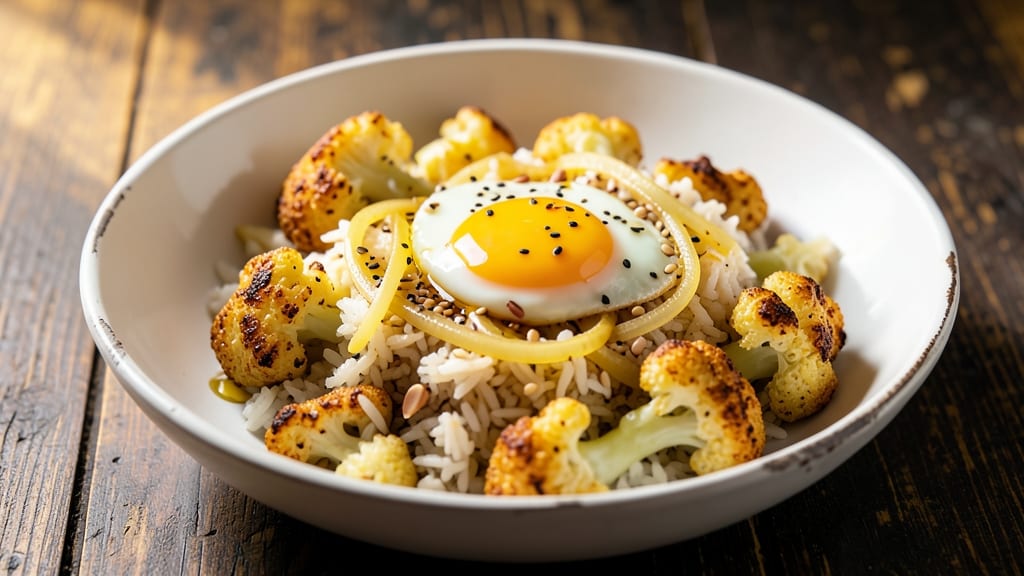
This cauliflower fried rice recipe using frozen cauliflower transforms a pantry staple into a wok-tossed masterpiece with crispy edges and eggy richness. 🔥 The secret lies in proper thawing and high-heat stir-frying to achieve that coveted texture without soggy rice.
I’ve tested this recipe countless times—even with frozen florets—and it consistently delivers restaurant-quality results in under 30 minutes.
What sets this version apart is the balance of umami (soy sauce, garlic), heat (optional chili flakes), and freshness (green onions, sesame seeds). The eggs add protein and creaminess, while the frozen cauliflower absorbs flavors beautifully when sautéed just right.
Perfect for meal prep, vegetarian diets, or anyone craving a quick, satisfying dish that feels indulgent. Let’s get cooking!
Ingredients for cauliflower fried rice recipe using frozen cauliflower
Frozen cauliflower, day-old rice, and eggs create restaurant-style fried rice with crispy texture and umami depth.
| Ingredient | Amount | Notes |
|---|---|---|
| Frozen Cauliflower Florets 🥬 | 4 cups | Thawed and patted dry |
| Large Eggs 🥚 | 4 whole | Room temperature for even cooking |
| Day-Old Cooked White Rice 🍚 | 3 cups | Cold, broken into chunks |
| Vegetable Oil 🫒 | ½ cup | High smoke point preferred |
| Yellow Onion 🧅 | 1 whole | Thinly sliced, about 1.5 cups |
| Garlic Cloves 🧄 | 4 cloves | Minced finely |
| Low-Sodium Soy Sauce 🍶 | 3 tbsp | Or tamari for gluten-free |
| Sesame Oil 🫒 | 1 tbsp | Toasted for aroma |
| Green Onions 🌱 | ¼ cup | Sliced thin, white and green parts |
| Toasted Sesame Seeds 🌾 | 1 tbsp | For garnish |
| Red Chili Flakes 🌶️ | ½ tsp | Optional for heat |
| Salt 🧂 | ½ tsp | Diamond Crystal preferred |
| Black Pepper 🌶️ | ¼ tsp | Freshly ground |
| Vegetable Broth 💧 | ¼ cup | Low-sodium preferred |
The frozen cauliflower is the star here—look for riced or floret-style at stores like Whole Foods or Trader Joe's, where the florets are uniformly sized for even cooking. Thawing properly is critical: spread florets on a baking sheet and microwave for 5 minutes, then pat completely dry with paper towels (this prevents soggy rice). Day-old rice is non-negotiable—fresh rice turns mushy when stir-fried. Cook extra rice the night before and store in the fridge for best results. For the eggs, room temperature ensures even cooking without rubbery centers.
No soy sauce? Coconut aminos or tamari work beautifully as substitutes, though tamari has a slightly deeper flavor. Fresh garlic and green onions can be swapped for powdered versions (use half the amount), but the texture and aroma are noticeably better with fresh. Sesame oil, though it adds incredible depth. For extra umami, add a splash of fish-free Worcestershire sauce (like Annie's). The vegetable broth can be replaced with water, but the sodium content will be lower. If using pre-riced frozen cauliflower, rinse it well to remove excess starch that can make the dish gummy.
This dish reheats beautifully—microwave for 2-3 minutes with a splash of water to restore crispiness. Store leftovers in an airtight container for 4-5 days in the fridge, or freeze for up to 3 months (thaw overnight in the fridge). For meal prep, portion into single servings before freezing. The sesame seeds and chili flakes should be added fresh after reheating to preserve their texture and aroma. Double the batch and freeze half for future quick meals—it's that good.
Why You'll Love This Recipe
- No Chopping Needed: I swear by this trick—just toss frozen cauliflower florets straight into the pan after thawing for 10 minutes in the microwave. No knife skills required, and the florets crisp up beautifully with that golden edge I love.
- Umami Bomb: The secret? A splash of soy sauce and a quick stir-fry of onions until they’re caramelized. That deep, savory punch from the eggs and cauliflower makes it taste like a restaurant dish, even when I’m too tired to care.
- Leftover Hero: This rice reheats like a dream—just add a splash of water and stir. Honestly, I make a big batch on Sundays because it’s my go-to for lunches all week, and the cauliflower keeps it interesting without getting soggy.
- Budget-Friendly Crunch: Frozen cauliflower is my wallet’s best friend—it’s cheaper than fresh, lasts forever, and still delivers that satisfying texture. Plus, using day-old rice means less waste, and the eggs stretch it into a filling meal for half the cost of takeout.
Step-by-step instructions for wok-tossed cauliflower fried rice
Master this technique and you'll achieve restaurant-quality texture every time—crispy florets, tender rice, and perfectly set eggs.
🍳 Step 1: Prep and Thaw the Frozen Cauliflower
Start by transferring the 4 cups Frozen Cauliflower Florets to a colander and rinsing them under cold water to remove excess ice crystals. I like to pat them completely dry with paper towels—this prevents splattering when they hit the hot wok later. The florets should be room temperature before cooking, so spread them on a baking sheet and let them sit for 10 minutes while you prep the rest.
Here's the thing—frozen cauliflower absorbs more oil when thawed, so we're going to sear them separately from the rice. This ensures they develop that satisfying crunch without making the entire dish soggy. Keep them in a single layer on the sheet so they thaw evenly.
🍳 Step 2: Sear the Cauliflower in Stages
Heat 0.25 cup Vegetable Oil in a wok or large skillet over medium-high heat until shimmering. Add half of the thawed cauliflower florets in a single layer—don't crowd the pan. Cook undisturbed for 3-4 minutes until the edges turn golden brown and crispy, then stir and cook another 2 minutes until evenly browned. Transfer to a plate and repeat with the remaining florets.
Real talk: this is where the texture magic happens. You want those florets to develop a deep, caramelized color—this happens when they sear in batches rather than steaming in a crowded pan. If you see steam instead of browning, your oil isn't hot enough. Let it recover for 30 seconds before adding more cauliflower.
🍳 Step 3: Cook the Aromatics and Eggs
In the same wok, add another 0.25 cup Vegetable Oil and heat over medium heat. Add the 1 whole Yellow Onion (thinly sliced) and cook for 4-5 minutes until softened and translucent. Add the 4 cloves Garlic Cloves (minced) and cook for 30 seconds until fragrant—don't let it burn, or you'll taste bitterness.
Push the aromatics to one side of the wok and crack the 4 whole Large Eggs into the empty space. Let them sit for 5-10 seconds until the edges begin to set, then gently scramble with a spatula until just set but still slightly runny in the center. This creates that signature "eggy richness" without overcooking the eggs into rubbery bits.
🥘 Step 4: Combine and Season the Fried Rice
Add the 3 cups Day-Old Cooked White Rice (broken into chunks) to the wok and stir vigorously to coat in the oil and aromatics. Cook for 2-3 minutes until the rice is heated through and begins to crisp slightly at the edges. Pour in the 3 tbsp Low-Sodium Soy Sauce, 0.25 cup Vegetable Broth, and 1 tbsp Sesame Oil, stirring constantly to distribute evenly.
Here's where it gets fun—toss in the crispy cauliflower florets and stir for another 2 minutes until everything is well combined. Sprinkle with 0.5 tsp Salt, 0.25 tsp Black Pepper, and 0.5 tsp Red Chili Flakes (if using). The rice should be hot, the cauliflower should still have some crunch, and the eggs should be just set enough to hold together when you scoop a bite.
🍽️ Step 5: Finish and Serve Immediately
Remove the wok from heat and fold in the 0.25 cup Green Onions (sliced thin) and 1 tbsp Toasted Sesame Seeds. Taste and adjust seasoning if needed—you might want to add another ½ tablespoon soy sauce or a pinch more salt depending on your rice's starting saltiness. The dish should be savory, slightly sweet from the caramelized cauliflower, and have a nice balance of heat from the chili flakes.
Serve immediately while the cauliflower is still crisp and the rice maintains its texture. Garnish with additional sesame seeds if desired. This dish doesn't reheat well—each bite should deliver that perfect contrast of textures: crisp florets, tender rice, and creamy eggs all in one forkful.
Pro Tips For Making Cauliflower Fried Rice Recipe Using Frozen Cauliflower
- THAW CAULIFLOWER FIRST: DESCRIPTION: Skip the urge to toss frozen florets straight into the pan—thaw them in cold water for 10 minutes first. I learned this the hard way when my rice turned soggy from steam instead of searing. Pat them very dry after thawing, or they’ll release moisture and ruin the texture.
- STIR-FRY ON HIGH HEAT: DESCRIPTION: Your wok or skillet needs to scream when you start cooking. Medium heat means mushy cauliflower and rubbery rice. Crank it to high, let the oil shimmer, then work fast—this isn’t a simmering dish.
- CRUMBLE EGGS SMALL: DESCRIPTION: Don’t dump whole eggs into the pan and scramble them later—crack them directly into the rice mixture and stir immediately with a spatula. Big egg chunks turn into sad, overcooked blobs. Tiny crumbles cook evenly and disappear into the dish.
- USE DAY-OLD RICE: DESCRIPTION: Freshly cooked rice is a disaster here—it’ll turn to glue. If you’re short on time, spread hot rice on a tray, let it cool completely, then refrigerate overnight. Cold, dry rice fries up crisp and separates properly. (Yes, even if you’re impatient like me.)
Essential equipment for this recipe
Wok Essentials
A carbon steel wok is my go-to for this recipe—its sloped sides and even heat distribution create that signature stir-fry texture. I recommend the De Buyer 14-inch for its durability and heat retention.
If you're on a budget, a stainless steel wok (like Tramontina) works well too, though it requires slightly higher heat. Never use non-stick—it can't handle the high heat needed for proper searing. 🔥
High-Heat Tools
You'll need a heavy-bottomed skillet (like All-Clad) if you don't have a wok, but it won't give the same dramatic toss. For the eggs, a heatproof spatula (I use OXO Good Grips) helps prevent sticking.
A fine-mesh strainer is crucial for thawing and draining the cauliflower efficiently. Pro tip: Keep a small bowl of ice water nearby for quick chilling if you overcook the eggs.
Oil Control
Use a wire whisk to heat the oil evenly in your wok—this prevents hot spots that can burn your cauliflower. I measure oil in a small liquid measuring cup (like Pyrex) for precision.
For extra crispiness, try a high-smoke-point oil blend (like avocado or grapeseed oil) instead of vegetable oil. A kitchen torch comes in handy for quickly toasting sesame seeds right on the plate before serving.
Prep Stations
Set up a cutting board (I prefer Teakha's bamboo) with a sharp chef's knife for onions and garlic—this keeps your workspace organized. A small bowl for minced garlic and another for soy sauce prevents cross-contamination.
For freezing leftovers, use quart-sized silicone bags (like Stasher) to maintain texture. A digital thermometer (like Thermoworks Smoke) ensures your oil reaches the perfect 350°F for searing.
Garnish Tools
Fresh green onions and sesame seeds elevate the dish, so keep them prepped in small ramekins for easy access. A microplane quickly zest lemon wedges if you want to add brightness.
For extra flair, a mini sifter creates a beautiful sesame seed cloud on top. Don't forget a serving spoon with a long handle—fried rice sticks to regular spoons!
Nutrition facts
Frequently asked questions
Why does the recipe specify day-old rice?
Day-old rice is crucial because fresh rice contains too much moisture, which turns fried rice mushy when stir-fried. The starches have time to firm up overnight, creating the perfect texture for crispy edges. Pro tip: Cook extra rice the night before and store it uncovered in the fridge to dry out faster.
Can I use pre-riced frozen cauliflower instead of florets?
Yes! Pre-riced frozen cauliflower works perfectly—just rinse it well to remove excess starch that can make the dish gummy. The smaller pieces will cook faster, so reduce the searing time to 2-3 minutes total instead of 5-6. They'll still develop great flavor and texture when properly crisped.
What if I don't have a wok? Can I use a skillet?
A large, heavy-bottomed skillet (10-12 inches) works beautifully. For best results, use medium-high heat and stir frequently to prevent burning. The key is maintaining high heat—if your skillet isn't hot enough, the cauliflower will steam instead of crisp. A carbon steel or stainless steel pan conducts heat best.
How do I adjust the recipe for a vegan version?
Swap the eggs for silken tofu (crumbled and pan-fried) or chickpeas (mashed slightly for texture). Use coconut aminos instead of soy sauce and check that your vegetable broth is vegan. For umami depth, add 1 tsp nutritional yeast or ½ tsp miso paste to the seasoning. The crispy cauliflower and vegan protein will still deliver satisfying texture!
Why does my cauliflower turn out soggy?
Soggy cauliflower usually means one of two things: either the florets weren't fully thawed and patted dry before cooking, or the heat wasn't high enough. For best results, spread thawed florets on a baking sheet and microwave for 5 minutes to remove all moisture. Then sear in batches over medium-high heat until golden brown—never crowd the pan!