
Sauces & Condiments
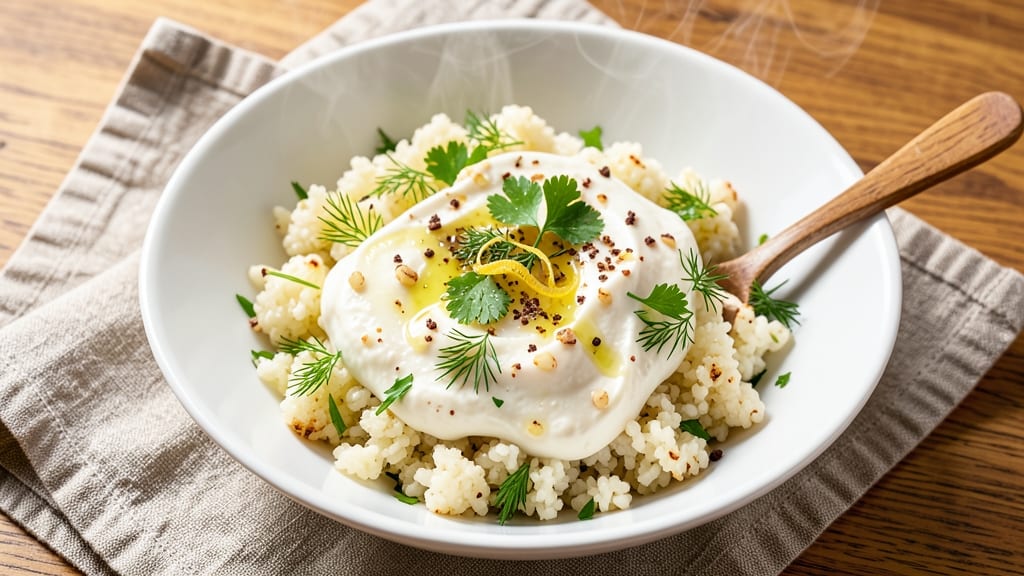
This cauliflower rice dressing recipe transforms simple ingredients into a velvety, herb-infused sauce that elevates low-carb meals to restaurant-quality. The secret lies in blending fresh herbs with a tangy base, creating a creamy texture that clings perfectly to cauliflower rice without weighing it down.
With just 5 minutes of prep and no special equipment, you’ll craft a dressing that’s rich, flavorful, and packed with nutrients. The blend of garlic, lemon, and dairy-free cream (or mayo) delivers a balanced profile—bright, savory, and satisfying.
Store it in the fridge for up to 5 days, ready to drizzle over salads, bowls, or roasted veggies.
Ingredients for cauliflower rice dressing
Eight fresh ingredients blend into a velvety, low-carb dressing perfect for cauliflower rice dishes.
| Ingredient | Amount | Notes |
|---|---|---|
| Fresh Cauliflower Rice 🥬 | 3 cups | Freshly grated or store-bought |
| Dairy-Free Cream Cheese 🧀 | 8 oz | Vegan, full-fat preferred |
| Fresh Garlic Cloves 🧄 | 3 cloves | Minced for potent flavor |
| Fresh Lemon Juice 🍋 | ¼ cup | Strained for smooth texture |
| Fresh Dill Leaves 🌿 | ½ cup | Chopped finely for brightness |
| Fresh Parsley Leaves 🌿 | ¼ cup | Chopped for freshness |
| Extra-Virgin Olive Oil 🫒 | ½ cup | High-quality for richness |
| Apple Cider Vinegar 🍎 | 1 tbsp | For tangy balance |
| Diamond Crystal Kosher Salt 🧂 | ½ tsp | Adjust to taste |
| Freshly Ground Black Pepper 🌶️ | ¼ tsp | For subtle heat |
The foundation starts with fresh cauliflower rice—grate it yourself for the best texture, or grab pre-riced from the refrigerated section at Whole Foods or Trader Joe's. For the dairy-free cream cheese, Kite Hill or Miyoko's brands deliver the creamiest results without dairy. Fresh herbs are non-negotiable here; shop the farmers' market for dill and parsley with vibrant color and no wilting. Garlic should be plump and firm, not sprouting. The olive oil matters too—look for cold-pressed, extra-virgin with a fruity aroma, not the cheap supermarket variety.
No fresh dill? Substitute with 2 tablespoons dried dill—but it won’t have the same brightness. Short on lemon juice? Lime juice works in a pinch, though it’ll shift the flavor slightly. For a tangier dressing, add an extra 1/2 tablespoon of vinegar. The dressing can be made nut-free by omitting any potential cross-contamination from shared utensils. Store-bought cauliflower rice? Rinse it thoroughly to remove excess starch before blending. The vinegar can be swapped for white wine vinegar if preferred, though apple cider adds subtle sweetness.
This dressing stays fresh for 5 days in an airtight container in the fridge. For longer storage, portion into ice cube trays, freeze, then transfer to a bag—perfect for quick meals. The texture thickens slightly when chilled, so stir before using. It pairs beautifully with roasted cauliflower, grilled chicken, or as a dip for low-carb veggies. Double the batch if you’re meal prepping—it’s worth the extra effort.
Why You'll Love This Recipe
- Five-Ingredient Magic: I swear, this dressing comes together faster than I can say "dinner is served." Just pulse the cauliflower, mix in the cream cheese and lemon—no cooking, no fuss. The fresh dill and garlic do all the heavy lifting while I rinse the bowl.
- Bright & Creamy: That tangy lemon cutting through the garlic? It’s like summer in a jar. The dairy-free cream cheese keeps it rich but light, while the cauliflower adds a subtle crunch that makes it feel gourmet—not heavy like traditional dressings.
- Leftover Hero: Between us, I’ve used this on everything from tacos to grain bowls in the week after making it. The texture holds up surprisingly well, and the flavor only gets better as the herbs mellow. (Yes, even on a Tuesday night.)
- Budget Bright Spot: Fresh dill and garlic might sound fancy, but they stretch this dressing far—I’ve dressed two salads, a batch of roasted veggies, and still had enough for my daughter’s "weird" avocado toast. Cauliflower rice is cheap, and this makes it feel special.
Step-by-step instructions for herb-infused cauliflower rice dressing
This creamy, low-carb dressing delivers restaurant-quality richness without the guilt. Every step ensures perfect texture and balanced flavor.
Prepare the Herb and Aromatic Base
In a small food processor, pulse the 3 cloves fresh garlic cloves until finely minced. Transfer to a medium mixing bowl. Add the 0.5 cup fresh dill leaves and 0.25 cup fresh parsley leaves, then pulse briefly until both herbs are finely chopped but not paste-like. This texture ensures vibrant flavor without altering the dressing's silky consistency.
Next, whisk in the 0.25 cup fresh lemon juice and 1 tablespoon apple cider vinegar. The acidity brightens the herbs and balances the richness of the dairy-free cream cheese. Taste the mixture now—you should detect a sharp, herbaceous profile with a clean tang. If the lemon seems too acidic, add a pinch of the 0.5 teaspoon diamond crystal kosher salt to harmonize the flavors before proceeding.
Blend the Creamy Foundation
In a separate bowl, combine the 8 oz dairy-free cream cheese with the 0.5 cup extra-virgin olive oil. Use a hand mixer or whisk until the mixture is completely smooth and homogeneous, with no visible lumps. The olive oil should emulsify fully, creating a velvety base. This step is critical—any remaining cream cheese chunks will result in a grainy texture.
Gradually add the herb-lemon mixture to the cream cheese blend while continuing to mix. The dressing should begin to thicken slightly as the flavors meld. If it becomes too stiff, add 1-2 teaspoons of water to achieve a pourable yet coating consistency. The ideal texture should resemble heavy cream—thick enough to cling to vegetables but fluid enough to drizzle.
Season and Adjust for Perfection
Add the 3 cups fresh cauliflower rice to the dressing mixture. The cauliflower rice will absorb some of the liquid, so incorporate it gently with a spatula to maintain the dressing's structure. Season with the remaining 0.5 teaspoon diamond crystal kosher salt and 0.25 teaspoon freshly ground black pepper, then taste again. The dressing should now have a bright, herby depth with a subtle peppery finish.
For optimal flavor development, let the dressing sit at room temperature for 15-20 minutes before serving. This allows the herbs to infuse fully and the cauliflower rice to soften slightly, creating a cohesive texture. If the dressing separates after resting, whisk vigorously to re-emulsify. Store any leftovers in an airtight container in the refrigerator for up to 5 days, stirring before use to restore consistency.
Serve and Pair Strategically
This dressing shines when used immediately over grilled vegetables, roasted Brussels sprouts, or fresh salads. For the best results, drizzle it just before serving to prevent the cauliflower rice from becoming watery. The dressing's herbaceous brightness pairs exceptionally well with smoky flavors like grilled chicken or earthy tones from roasted mushrooms.
If the dressing appears too thick after refrigeration, thin it with 1-2 teaspoons of cold water or lemon juice until it reaches a smooth, pourable consistency. Avoid over-thinning, as the dressing should still coat vegetables generously. For an extra layer of freshness, garnish with additional chopped dill and parsley just before serving to highlight the dressing's vibrant herb profile.
Pro Tips For Making Cauliflower Rice Dressing
- Sauté the Cauliflower First: Don’t just toss raw cauliflower rice into your sauce—give it a quick 3-4 minute sizzle in a dry pan or with a splash of water first. This softens it just enough to blend smoothly later and prevents a gritty texture. (Yes, it’ll look weird at first, but the results are worth it.)
- Pulse Dairy-Free Cheese Cold: Grab that dairy-free cream cheese straight from the fridge and pulse it in short bursts with the cauliflower rice. Warm cheese blends better, but if you pulse it too long, it’ll turn greasy. Two 2-second bursts usually does the trick—just enough to break it down.
- Mince Garlic Like You Mean It: Skip the press—finely mince your garlic with a knife instead. Pressed garlic releases too much juice and can turn the dressing bitter. Tiny, even pieces toast evenly and add depth without overpowering. (Trust me, your taste buds will notice.)
- Reserve That Lemon Juice: Add half the lemon juice at the start, then save the rest for the end. The acid brightens the flavors, but too much upfront can curdle the dairy-free cheese. A splash at the finish ties everything together without ruining the texture. (This is the move that keeps the dressing from tasting flat.)
Dietary considerations for cauliflower rice dressing
Gluten-Free Friendly
This dressing is naturally gluten-free since it relies on fresh herbs, dairy-free cream cheese, and vinegar—no flour or grain-based thickeners. Always double-check your dairy-free cream cheese brand (like Kite Hill or Miyoko’s) for gluten-free certification, as some brands may process in shared facilities.
The cauliflower rice itself is also gluten-free, making this a safe option for those avoiding gluten. 🌾
Dairy-Free Adaptations
The recipe already uses dairy-free cream cheese, but you can further customize it for vegan needs. Swap the extra-virgin olive oil for avocado oil (neutral flavor) or cashew cream (blend soaked cashews with water) for a richer texture.
For extra tang, add 1 tablespoon nutritional yeast—it adds a cheesy depth without dairy. Always taste as you go, since cashew cream can alter the balance. ✨
Low-Carb Powerhouse
With only 2 grams of net carbs per serving (assuming ¼ cup dressing), this is a perfect fit for keto or low-carb diets. The cauliflower rice base provides fiber without spiking blood sugar, while the dairy-free cream cheese and olive oil add healthy fats.
Skip the vinegar if avoiding sugar entirely, or use white vinegar instead of apple cider. Track macros carefully—some dairy-free cream cheeses vary in fat content. 💪
Nut-Free Considerations
This dressing is nut-free by default, but always verify labels on dairy-free cream cheese (some brands use nut oils). For extra caution, opt for Miyoko’s or Kite Hill—both are nut-free certified.
If using cashew cream as a substitute, ensure your cashews are processed in a nut-free facility. Cross-contamination is the biggest risk, so check packaging for warnings. 🌰
Allergen-Friendly Swaps
For soy-free needs, choose a dairy-free cream cheese made from coconut or sunflower (like Follow Your Heart coconut-based options). If avoiding garlic or onions (common allergens), substitute with 1 teaspoon asafoetida powder (hing) for a savory depth.
Always read labels—some vinegars contain added allergens. The lemon juice and herbs remain universally safe. 🧂
Nutrition facts
Frequently asked questions
Can I make this dressing without a food processor?
Skip the food processor and finely chop the 3 cloves garlic and 0.5 cup dill with a sharp knife. Use a whisk to blend the herbs into the cream cheese mixture, then strain through a fine-mesh sieve for ultra-smooth texture. The flavor will still be vibrant—just slightly less uniform.
How do I prevent the dressing from separating?
Emulsify properly by whisking the 8 oz dairy-free cream cheese and 0.5 cup olive oil until completely smooth before adding other ingredients. If it separates later, whisk vigorously or blend briefly with 1 teaspoon cold water to restore consistency. For extra insurance, add 1/2 teaspoon xanthan gum when mixing.
What's the best way to store leftovers?
Transfer to an airtight glass container and refrigerate for up to 5 days. For longer storage, freeze in 1-tablespoon portions using ice cube trays. Thaw overnight in the fridge—never microwave, as it can break the emulsion. Stir before using to restore smooth texture.
Can I use this dressing as a dip instead?
Yes! The creamy texture makes it perfect for dipping crudités, low-carb veggie sticks, or keto-friendly crackers. For extra cling, chill the dressing for 30 minutes before serving to thicken slightly. Add a pinch of smoked paprika for a smoky dip variation.
Why does my dressing taste too bitter?
Excessive lemon juice or vinegar causes bitterness. Start with the 0.25 cup lemon juice and 1 tbsp vinegar as written, then adjust gradually. If using dried herbs, reduce to 1/4 the fresh amount—they're more concentrated. A pinch of sugar or honey can balance bitterness if needed.