
Side Dishes
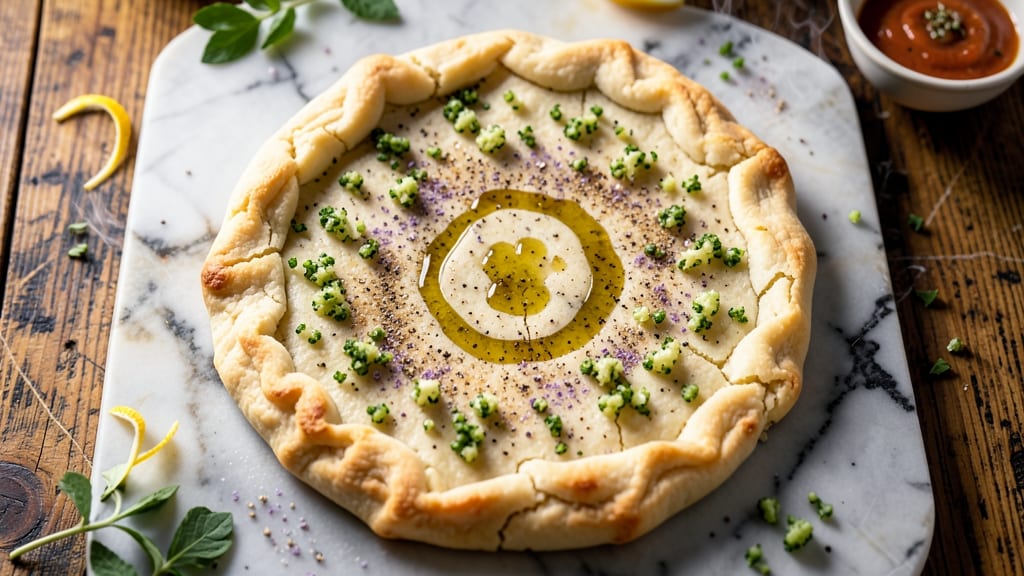
This cauliflower rice pizza dough recipe delivers the perfect crispy crust without sacrificing flavor or texture—ideal for those craving pizza with a lighter twist. The secret lies in properly draining and squeezing the cauliflower rice to eliminate excess moisture, which is critical for achieving that satisfying crunch.
With a few simple vegan-friendly ingredients, you’ll create a dough that bakes up golden and sturdy, ready to hold your favorite toppings.
What sets this recipe apart is its balance of crispiness and chewiness, thanks to a blend of flax eggs and nutritional yeast that mimics the structure of traditional dough while keeping it plant-based.
Whether you’re baking a personal-sized pizza or feeding a crowd, the results are consistently impressive—no soggy crusts or bland bites here. The dough’s versatility also makes it perfect for experimenting with creative toppings or dietary swaps.
Ingredients for cauliflower rice pizza dough
Cauliflower rice transforms into a crispy, sturdy pizza dough with these carefully balanced ingredients.
| Ingredient | Amount | Notes |
|---|---|---|
| Fresh Cauliflower Rice 🥬 | 4 cups | Properly drained and squeezed |
| All-Purpose Flour 🌾 | 1 ½ cups | Gluten-free blend if needed |
| Ground Flaxseed 🌱 | 2 tbsp | For flax eggs |
| Nutritional Yeast 🧀 | ½ cup | For cheesy flavor |
| Extra-Virgin Olive Oil 🫒 | ¼ cup | High-quality for richness |
| Garlic Powder 🧄 | 1 tsp | Freshly ground preferred |
| Onion Powder 🧅 | 1 tsp | For depth of flavor |
| Salt 🧂 | 1 ½ tsp | Diamond Crystal preferred |
| Black Pepper 🌶️ | ½ tsp | Freshly cracked |
| Dried Oregano 🍃 | 1 tsp | Mediterranean blend ideal |
| Water 💧 | ½ cup | Room temperature |
| Vegan Butter 🧈 | 2 tbsp | Melted for binding |
| Cornstarch 🌽 | 1 tbsp | For crispiness |
The cauliflower rice is the foundation—properly draining and squeezing it removes excess moisture, which is critical for achieving that satisfying crunch. Freshly riced cauliflower from the produce section yields the best texture, though pre-riced bags at Whole Foods or Trader Joe's work in a pinch. For optimal flavor, toast the cauliflower rice lightly in a dry pan before mixing to deepen its nutty notes. The all-purpose flour provides structure, but King Arthur or Bob's Red Mill brands ensure a lighter, airier dough. Nutritional yeast isn't just for flavor—it mimics the umami richness of traditional cheese while keeping the recipe plant-based.
No flaxseed on hand? Chia seeds work at the same ratio—just remember they need 5 minutes to gel. Substituting the nutritional yeast for vegan Parmesan adds a sharper taste but may alter texture slightly. The olive oil should be extra-virgin—California-grown brands like Corto or Colavita offer the best balance of fruitiness and smoothness. For a gluten-free version, swap the all-purpose flour for a 1:1 gluten-free blend, though you may need an extra tablespoon of water to bind the dough. The vegan butter adds richness without dairy—Miyoko's or Earth Balance are top-tier choices, but any plant-based butter will suffice.
This dough keeps well for 3 days in the fridge, wrapped tightly in plastic wrap and stored in an airtight container. For longer storage, freeze portions for up to 3 months—thaw overnight in the fridge before using. To revive stale dough, spritz with water and let rest 10 minutes before shaping. The dough’s versatility shines here—use it for personal pizzas, calzones, or even as a crispy crust for flatbreads. Pre-bake the dough for 8-10 minutes before adding toppings to ensure that perfect crunch.
Why You'll Love This Recipe
- No Yeast, No Wait: I just mix the ground flaxseed with warm water, let it sit for 5 minutes—done. No proofing, no waiting around, and honestly? The dough still rises enough to hold toppings like a dream.
- Umami Magic: That nutritional yeast? It’s the secret weapon—adds this deep, cheesy, slightly nutty punch that makes it taste way richer than regular pizza dough. Pair it with olive oil and a pinch of salt, and you’ve got flavor on lock.
- Weeknight Workhorse: I make a double batch on Sundays, freeze half, and pull it out for lazy nights or last-minute date nights. Toss it on a sheet pan with marinara and mozzarella, bake it—boom, dinner’s sorted.
- Budget-Friendly Crunch: Fresh cauliflower rice stretches this dough like crazy, cutting costs without sacrificing texture. Plus, the flaxseed adds fiber and protein, so it’s not just cheap—it’s actually better for you than most takeout pizza.
Step-by-step instructions for crispy cauliflower rice pizza dough
Here's how to create a light, crispy pizza crust that delivers all the satisfaction without the guilt.
Prepare the Flax Egg and Bind the Cauliflower
In a small bowl, whisk together the 2 tablespoons ground flaxseed with the 0.5 cup water. Let this mixture sit for 5 minutes until it thickens into a gel-like consistency—this is your flax egg, the perfect binder for our dough. Meanwhile, in a large mixing bowl, combine the 4 cups fresh cauliflower rice with the 1.5 cups all-purpose flour, 0.5 cup nutritional yeast, 1 tablespoon cornstarch, 1 teaspoon garlic powder, 1 teaspoon onion powder, 1.5 teaspoons salt, 0.5 teaspoon black pepper, and 1 teaspoon dried oregano. Stir well to ensure even distribution of seasonings.
This step is crucial for texture. The cornstarch will help create that crispy crust you're after, while the nutritional yeast adds that cheesy depth without dairy. Don't skip the seasoning—it builds flavor from the ground up. After mixing, add the thickened flax egg to the cauliflower mixture and combine thoroughly. You want a dough that holds together when pressed but still maintains a light, airy quality.
Incorporate Fats for Richness and Crispiness
To the cauliflower mixture, add the 0.25 cup extra-virgin olive oil and 2 tablespoons melted vegan butter. Mix until the fats are evenly distributed throughout the dough. The olive oil adds richness while the vegan butter contributes to that golden-brown crispiness we're aiming for. At this point, your dough should be cohesive but still workable—it shouldn't be sticky or dry.
Here's where the magic happens for that crispy crust: the combination of cornstarch and fats creates a perfect balance. The fats help develop flavor and crisp up during baking, while the cornstarch ensures that crispy texture throughout. If the mixture feels too dry, add 1 tablespoon water at a time until it reaches a moldable consistency. If it's too wet, add 1 tablespoon more flour until it comes together properly.
Shape and Pre-Bake the Dough
Preheat your oven to 425°F and line a baking sheet with parchment paper. Transfer the cauliflower dough to the prepared baking sheet and spread it evenly into a 12-inch round (about ¼-inch thick). Use your hands or a spatula to press it out—this helps create that perfect thin, crispy crust. For extra crispiness, I like to use a pizza stone or steel if I have one, but a well-seasoned baking sheet works too.
Bake the dough for 15-18 minutes until the edges are golden brown and the center feels firm to the touch. You want it to be fully set but still slightly soft in the middle—this ensures it won't burn during the sauce and cheese stage. The key is patience here; resist the urge to check too early. When it's done, remove from the oven and let it cool for 5 minutes before adding toppings. This brief rest prevents a soggy crust when the hot sauce hits.
Assemble and Finish for Maximum Crispiness
After the dough has cooled slightly, spread a thin layer of your favorite pizza sauce (about 2 tablespoons) over the crust. Then add your cheese and toppings, keeping them balanced so the crust doesn't get overwhelmed. Return the pizza to the oven and bake for an additional 8-10 minutes at 400°F until the cheese is melted and bubbly and the crust is deep golden brown all over.
This final baking step is where the crust achieves its perfect crispiness. The residual heat from the pre-baked dough combined with the hot oven ensures that crispy texture throughout. For that extra-crispy finish, I like to broil the pizza for 1-2 minutes at the very end—just watch it closely to avoid burning. Once done, let it rest for 2 minutes before slicing. This resting period allows the crust to set and makes for cleaner cuts.
Pro Tips For Making Cauliflower Rice Pizza Dough
- Squeeze Out the Water: Fresh cauliflower rice is basically a sponge—skip the step of squeezing out excess moisture, and your dough will turn into a soggy mess. I learned this the hard way: wrap the riced cauliflower in a clean kitchen towel, press it between your hands, and let it sit in a colander for 10 minutes. That’s all it takes to get rid of enough water without turning into a chore.
- Toast the Flaxseed: Ground flaxseed can taste bitter if it’s not fresh or toasted. Heat a dry pan over medium-low, add the flaxseed, and stir for 2-3 minutes until it smells nutty. Let it cool before mixing it into the dough—this small step makes the difference between a dough that holds together and one that falls apart when you stretch it.
- Don’t Overmix the Dough: This isn’t a bread dough—it’s delicate. Once you’ve combined the flour, cauliflower rice, and wet ingredients, mix just until it comes together. Overworking it will make the dough tough and chewy, and you’ll end up with a pizza crust that’s more like a dense pancake. Two minutes max, then let it rest.
- Preheat the Pan: If you’re baking this in a skillet (yes, it works better than an oven sometimes), heat it over medium-high for 5 minutes before adding the dough. A hot pan creates a crispy, golden crust instead of a limp, greasy base—especially important when you’re dealing with cauliflower rice, which can turn rubbery if not handled right.
Wine and beer pairings for cauliflower rice pizza dough
Light White Wine
For this crispy cauliflower pizza, I recommend a dry Italian white wine like Vermentino or Pinot Grigio. The bright acidity and citrus notes cut through the richness of the vegan butter and olive oil while complementing the earthy cauliflower base.
A chilled glass of Sauvignon Blanc also works beautifully, especially if you prefer a slightly herbal profile. 🍷
Crisp Lager
A crisp, clean lager is my go-to beer pairing for this pizza. Look for Peroni, Heineken, or Mexican-style lagers like Modelo Especial. The light maltiness and subtle hop bitterness won’t overpower the delicate flavors of the crust, while the carbonation helps refresh your palate between bites.
For a craft option, try a Belgian witbier like Hoegaarden—its citrusy notes mirror the nutritional yeast’s cheesy depth.
Dry Rosé
If you prefer something between white and red, a dry rosé is a fantastic choice. A Provençal rosé with its crisp acidity and subtle berry notes balances the savory crust and umami toppings beautifully.
I love Whispering Angel or Château d’Esclans—both pair exceptionally well with the pizza’s crispy texture and vegan-friendly ingredients. The light color makes it feel refreshing without overwhelming the dish.
Sparkling Wine
For a celebratory touch, a chilled sparkling wine like Prosecco or Cava adds effervescence that cleanses the palate. The bubbles help cut through the richness, making each bite feel lighter.
A dry sparkling rosé is another standout option—its combination of fruitiness and acidity enhances the pizza’s crispy crust while keeping the focus on the toppings. Perfect for special occasions or when you want to elevate the experience. ✨
Nutrition facts
Frequently asked questions
Why does my cauliflower rice pizza dough turn out gummy instead of crispy?
The most common cause is excess moisture from the cauliflower rice. Always drain and squeeze the rice thoroughly using a clean kitchen towel or cheesecloth before mixing. Another tip: toast the rice lightly in a dry pan for 3-4 minutes before adding to the dough—this removes extra moisture and adds nutty flavor. Too much water in the flax egg? Use 1 tbsp less water next time.
Can I make this pizza dough without cornstarch for a gluten-free version?
Yes! Swap the 1 tbsp cornstarch for 1 tbsp arrowroot powder or tapioca starch—both work well for crispiness. For extra binding, add 1 extra tbsp gluten-free flour blend to the dough. The key is ensuring the dough holds together when shaping. Test with ½ tbsp extra first to avoid dryness.
How do I get the edges extra crispy without burning the center?
Pre-bake the dough for 12-15 minutes at 425°F before adding toppings—this sets the edges while keeping the center flexible. For the final bake, reduce the oven temp to 400°F and use a pizza stone or inverted baking sheet on the lower rack. This creates a crispy bottom while protecting the center.
What’s the best way to store leftover cauliflower pizza dough?
Wrap the dough tightly in plastic wrap and store in an airtight container for up to 3 days in the fridge. For longer storage, freeze portions for 3 months—thaw overnight in the fridge. To revive, spritz with water and let rest 10 minutes before reshaping. Avoid microwave thawing—it ruins the crispy texture!
Can I use this dough for other dishes besides pizza?
This versatile dough works perfectly for calzones, flatbreads, or even crispy appetizers. For calzones, fold the dough over fillings and bake at 375°F for 18-20 minutes**. For flatbreads, brush with olive oil and bake until golden. The dough’s sturdy yet crispy texture holds up beautifully to creative twists!