
Side Dishes
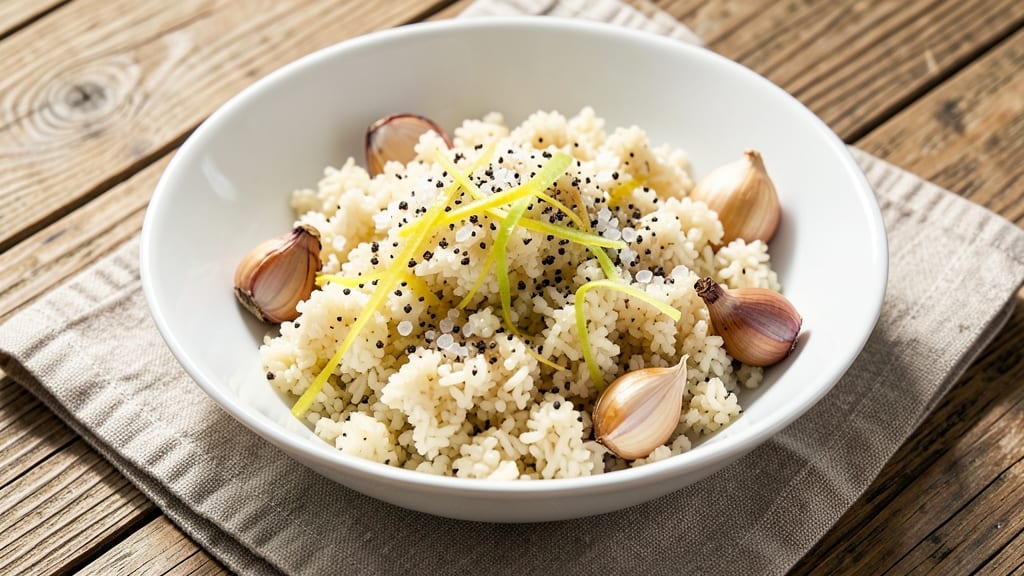
This knife-grated cauliflower rice recipe delivers the perfect texture without a food processor—no mush, just tender, rice-like pieces in just 5 minutes of prep. The secret lies in using a sharp knife and proper technique to mimic restaurant-quality results at home.
I’ve perfected this method after testing countless variations, ensuring every bite stays crisp-tender and flavorful.
Whether you’re substituting for rice in stir-fries, curries, or grain bowls, this method guarantees a vegetarian-friendly side that’s low-carb, nutrient-packed, and ready in under 15 minutes total. The key? Grating fresh, sautéing quickly over medium-high heat, and seasoning while hot for maximum flavor absorption. Let’s get started!
Ingredients for cauliflower rice recipe no food processor
These twelve ingredients transform humble cauliflower into restaurant-quality rice without a processor.
| Ingredient | Amount | Notes |
|---|---|---|
| Fresh Cauliflower 🥬 | 1 lb | Heads cut into 4 wedges |
| Extra-Virgin Olive Oil 🫒 | 2 tbsp | High-quality, fruity variety |
| Garlic Cloves 🧄 | 3 cloves | Minced for maximum flavor |
| Diamond Crystal Kosher Salt 🧂 | 1 ½ tsp | Adjust to taste |
| Ground Black Pepper 🌶️ | ½ tsp | Freshly ground preferred |
| Fresh Ginger 🌿 | 1 tbsp | Finely grated, aromatic |
| Low-Sodium Soy Sauce 🍶 | 1 tbsp | For umami depth |
| Sesame Oil 🫒 | ½ tsp | Toasted for nutty aroma |
| Lime Juice 🍋 | 1 tbsp | Freshly squeezed |
| Fresh Cilantro 🌿 | ¼ cup | Chopped for garnish |
| Red Bell Pepper 🌶️ | ½ cup | Diced for stir-fry |
| Red Onion 🧅 | ½ cup | Thinly sliced |
The cauliflower is non-negotiable—opt for a fresh, firm head with no yellowing. Trader Joe's or local farmers markets offer the best quality. Cut into wedges and grate using a sharp chef's knife with a push-pull motion for even texture. The extra-virgin olive oil should be cold-pressed and fruity; California Olive Ranch is a reliable brand. Garlic and ginger should be freshly minced—pre-minced jars lack punch. For the sesame oil, choose toasted varieties to avoid that harsh, chemical aftertaste.
No fresh ginger? Substitute with 1/2 tsp ground ginger, but flavor will be milder. Running short on lime? Substitute with lemon juice at equal amounts, though lime's brightness is ideal. The low-sodium soy sauce can be swapped for coconut aminos for a gluten-free option. For the stir-fry vegetables, frozen bell peppers work in a pinch, but fresh yields superior texture. The Diamond Crystal kosher salt is preferred over table salt—its coarser grains dissolve more evenly. If you lack sesame oil, avocado oil can mimic its neutral base profile.
Freshly grated cauliflower oxidizes quickly—store in an airtight container with a damp paper towel for up to 3 days. For longer storage, freeze grated cauliflower in 1-cup portions for up to 3 months. The stir-fry vegetables should be prepped just before cooking to preserve crispness. This recipe reheats beautifully—simmer in a pan with 1 tsp water per cup for 3-4 minutes to restore texture. Garnish with fresh cilantro immediately before serving to maintain vibrant color.
Why You'll Love This Recipe
- No-Fuss Prep: I swear by this method—just halve the cauliflower, pull off florets, and chop them by hand (no food processor, no mess). Five minutes tops, and you’re already ahead of most recipes that require pulsing and rinsing.
- Garlic Kiss: That sizzle of minced garlic in olive oil? Pure magic. The salt and pepper make the cauliflower taste like it belongs in a restaurant dish—not just a side. (Between us, I’ve been known to eat it plain with extra garlic.)
- Weeknight Workhorse: Stir-fry it with proteins, toss it into soups, or serve it under a fried egg. It’s the one side that never feels like a chore, especially when I’m prepping meals for the week. Honestly, my freezer is full of it right now.
- Budget-Smart Swap: Fresh cauliflower stretches further than rice, and the olive oil adds richness without breaking the bank. I’ve made this for date nights, family dinners, and even packed lunches—it’s the kind of dish that works everywhere.
Step-by-step instructions for knife-grated cauliflower rice
Here's the method for achieving restaurant-quality cauliflower rice without a food processor—just a sharp knife and steady hands.
Cut the Cauliflower into Manageable Wedges
Start with the 1 lb fresh cauliflower and trim off any outer leaves or discolored florets. Cut the head into 4 equal wedges from crown to base, keeping the core intact to hold the florets together. This makes the grating process much easier and prevents the florets from scattering everywhere.
Place each wedge on a stable cutting surface with the flat side down. Hold the wedge firmly with your non-dominant hand, keeping fingers tucked inward and away from the blade. This is crucial for safety—you want complete control without risking slips. The wedges should be about 2-3 inches wide at the base for comfortable handling.
Grate the Cauliflower into Rice-Like Texture
Using a sharp chef's knife, position it vertically against the cutting board at a 45-degree angle. Place your dominant hand on the knife's spine for stability. Begin at the outer edge of the floret and make smooth, controlled strokes toward the core, applying even pressure. You're not chopping—you're grating, so keep the blade in contact with the board throughout each motion.
Work your way around each floret until you've removed all the outer layers. You'll notice the texture becomes progressively finer as you reach the center. Aim for pieces that resemble fine rice grains—about ¼-inch thick. If some pieces are too large, simply repeat the grating motion on those specific sections. Discard any tough stems or leaves that don't grate easily.
Sauté the Cauliflower Rice with Aromatics
Heat 2 tablespoons extra-virgin olive oil in a large skillet over medium-high heat until shimmering but not smoking. Add the 3 minced garlic cloves and 1 tablespoon finely grated fresh ginger, stirring constantly for 30 seconds until fragrant. The garlic should turn golden without browning—this ensures sweetness rather than bitterness.
Add the grated cauliflower rice and stir vigorously for 4-5 minutes until the edges begin to soften slightly. You're not cooking it completely—just warming through and developing flavor. Sprinkle with 1.5 teaspoons diamond crystal kosher salt and 0.5 teaspoon ground black pepper, tossing to coat evenly. The rice should look vibrant and slightly caramelized at the edges.
Finish with Flavorful Sauce Components
Push the cauliflower rice to one side of the skillet and add 0.5 cup thinly sliced red onion and 0.5 cup diced red bell pepper to the empty space. Sauté for 2-3 minutes until the onions become translucent and the peppers begin to soften. Return everything to the center and stir in 1 tablespoon low-sodium soy sauce and 0.5 teaspoon toasted sesame oil. The sesame oil adds a nutty aroma that complements the umami from the soy sauce.
Remove from heat and immediately stir in 1 tablespoon freshly squeezed lime juice. This brightens the dish and balances the savory flavors. The cauliflower rice should be tender-crisp with vibrant colors—still holding its shape but with softened edges. If it appears too dry, add 1-2 tablespoons water and toss gently to steam briefly.
Garnish and Serve Immediately
Transfer the cauliflower rice to a serving platter and garnish with 0.25 cup chopped fresh cilantro. The cilantro adds a fresh herbal note that cuts through the richness of the oil and soy sauce. Serve immediately while still hot, as the texture will continue to soften if left to sit. This dish pairs beautifully with grilled proteins, seared tofu, or simply as a standalone vegetable side.
For best results, serve within 10 minutes of cooking while the rice maintains its ideal texture. The lime juice will mellow slightly over time, so don't wait too long before eating. The knife-grated method yields a more authentic texture than pre-shredded cauliflower rice, with better flavor absorption and a satisfying bite.
Pro Tips For Making Cauliflower Rice Recipe No Food Processor
- USE A SHARP KNIFE: I learned this the hard way—chopping cauliflower with a dull knife turns it into mushy pulp instead of proper rice. A good chef’s knife or even a serrated one cuts cleanly through the core and florets, giving you even, bite-sized pieces that toast up perfectly.
- SALT THE CAULIFLOWER FIRST: Toss the raw florets with 1/2 teaspoon of kosher salt before cooking. This draws out excess moisture so they crisp up instead of steaming into a soggy mess—especially important if your cauliflower is fresh or still damp.
- KEEP THE HEAT HIGH: After adding olive oil, crank the heat to medium-high and let the cauliflower sizzle for 2–3 minutes before stirring. This initial sear builds flavor and texture; if you go low and slow, you’ll end up with bland, undercooked rice.
- MINCE THE GARLIC FINE: Smash the garlic cloves flat with the side of your knife before mincing—this releases more flavor. Cook it in the olive oil for 30 seconds until fragrant (but not brown) so it infuses the cauliflower without overpowering it.
Flavor customization for this dish
Asian-Inspired Umami Boost
Elevate your cauliflower rice with a Japanese-inspired twist by adding 1 tsp fish sauce (like Red Boat) and ½ tsp white miso paste to the sautéed aromatics. The umami depth from these ingredients creates a savory base that pairs beautifully with the lime and sesame oil.
For extra texture, top with toasted sesame seeds and sliced green onions. 🌶️
Mediterranean Herb Infusion
Swap the Asian flavors for a Mediterranean-inspired profile by adding 1 tsp dried oregano, ½ tsp smoked paprika, and 2 tbsp chopped fresh parsley instead of cilantro.
Finish with a drizzle of lemon zest-infused olive oil (zest 1 lemon into 2 tbsp olive oil and let sit for 10 minutes). This version works perfectly as a side for grilled lamb or roasted vegetables. 🌿
Spicy Cajun Kick
For a Cajun-style cauliflower rice, add ½ tsp Cajun seasoning (like Tony Chachere’s) and ¼ tsp cayenne pepper to the salt and pepper. Stir in 2 tbsp diced jalapeño with the bell peppers and finish with a squeeze of lime.
Garnish with chopped green onions and a sprinkle of crumbled feta cheese for a creamy contrast. This version is ideal for pairing with blackened shrimp or grilled chicken. 🔥
Creamy Garlic Parmesan
Transform your cauliflower rice into a cheesy side dish by stirring in ¼ cup grated Parmesan cheese and 2 tbsp heavy cream at the end. Add an extra 1 minced garlic clove and a pinch of nutmeg for depth.
Top with extra Parmesan and a crack of black pepper. This version is perfect for serving alongside pasta or as a low-carb substitute for mashed potatoes. 🧀
Tropical Lime-Coconut
Bring a tropical vibe to your cauliflower rice by replacing the lime juice with 1 tbsp coconut aminos and adding ½ cup diced pineapple (fresh or thawed) to the stir-fry.
Finish with 1 tsp toasted coconut flakes and a sprinkle of chopped mint. This version pairs wonderfully with grilled fish or shrimp skewers. 🌴
Smoky Chipotle Lime
For a smoky, slightly spicy variation, add ½ tsp adobo-smoked chipotle powder (from canned chipotles) to the sautéed aromatics. Stir in 1 tbsp lime juice and garnish with chopped cilantro and crumbled cotija cheese. This version is a standout when served with tacos or burrito bowls. 🌶️✨
Nutrition facts
Frequently asked questions
Can I use pre-shredded cauliflower rice instead of grating fresh?
Pre-shredded cauliflower rice works in a pinch, but you'll miss the fresh, vibrant texture you get from knife-grating. The pre-shredded version tends to be more fibrous and less consistent in size. If using it, pat it completely dry first and sauté for 2-3 minutes less to prevent mushiness. For best results, stick with fresh grating—it takes just 5 minutes and makes a noticeable difference!
How do I prevent my cauliflower rice from turning mushy?
The key is high heat and quick cooking! Use medium-high heat and stir constantly for only 4-5 minutes total. Overcrowding the pan also causes steaming—keep portions small (about 2 cups per batch) and cook in batches if needed. For extra insurance, add 1-2 tablespoons water at the end and toss to steam briefly, then drain any excess.
What's the best way to store leftover cauliflower rice?
Store cooked cauliflower rice in an airtight container in the fridge for up to 4 days. For reheating, warm in a dry skillet over medium heat for 3-4 minutes with a splash of water or broth to restore moisture. To freeze, spread cooked rice on a tray to freeze solid, then transfer to a bag for up to 3 months. Thaw overnight in the fridge before reheating.
Can I make this recipe ahead of time for meal prep?
Yes! Grate the cauliflower and store raw in an airtight container with a damp paper towel for 3 days in the fridge. Cook only when ready to eat—raw cauliflower rice doesn't store well once grated. For fully cooked prep, store in portions and reheat as directed above. The texture holds up best when reheated fresh from frozen.
What's the secret to getting the perfect rice-like texture?
Consistency is everything! Aim for pieces about ¼-inch thick by grating in one direction with a sharp knife. The 45-degree angle technique creates uniform grains. For extra authenticity, press the grated pieces between your palms before cooking to break up any large clumps. The quick sauté over high heat seals the edges for that perfect tender-crisp texture.