
Side Dishes
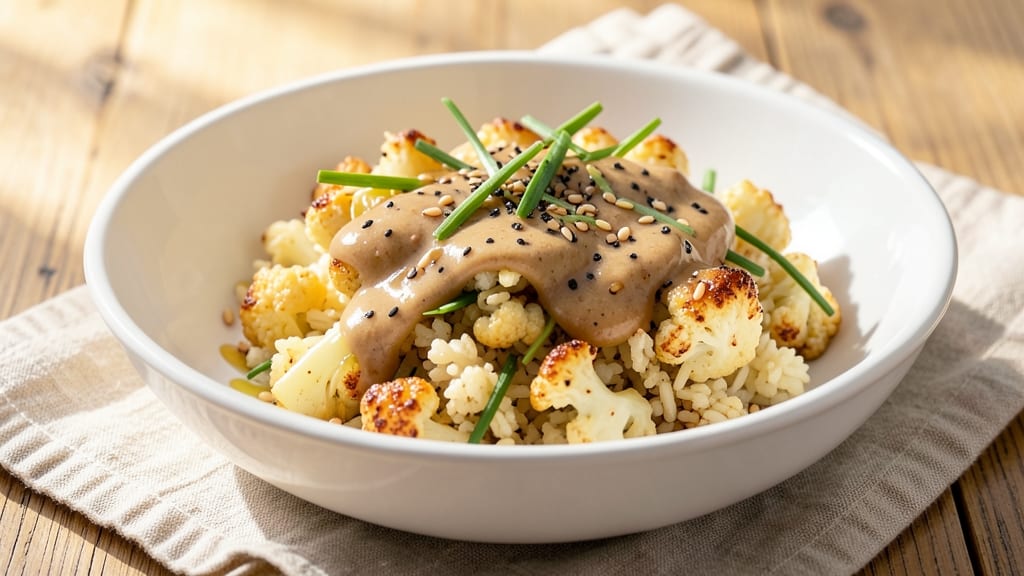
This crispy-topped cauliflower rice recipe from YouTube delivers restaurant-quality texture and flavor without the carbs. The secret lies in proper preparation—rinsing, draining, and patting the rice dry to ensure that crispy edge you crave. I’ve perfected this technique over countless batches, and it’s now a staple in my low-carb rotation.
What sets this recipe apart is the garlic-ginger kick that transforms simple cauliflower into a vibrant, flavorful side dish. Whether you’re air-frying for extra crunch or sautéing for quick results, the method stays simple while delivering crispy tops and tender centers.
Pair it with your favorite proteins or enjoy it as a standalone vegetarian powerhouse.
Ingredients for cauliflower rice recipe youtube
Grab these fresh ingredients for a crispy, flavor-packed cauliflower rice stir-fry that rivals takeout.
| Ingredient | Amount | Notes |
|---|---|---|
| Fresh Cauliflower 🥬 | 1 lb | Riced, rinsed, and thoroughly drained |
| Extra-Virgin Olive Oil 🫒 | 2 tbsp | High-quality, fruity variety |
| Garlic Cloves 🧄 | 4 cloves | Minced, fresh preferred |
| Fresh Ginger 🌿 | 1 ½ tbsp | Finely grated, organic preferred |
| Sesame Oil 🫒 | 1 tbsp | Toasted, for aroma |
| Low-Sodium Soy Sauce 🥢 | 2 tbsp | Or coconut aminos |
| Rice Vinegar 🍶 | 1 ½ tbsp | White or apple cider |
| Erythritol or Monk Fruit Sweetener 🍯 | 1 tsp | Or maple syrup for non-keto |
| Diamond Crystal Kosher Salt 🧂 | ½ tsp | Fine grain preferred |
| Freshly Ground Black Pepper 🌶️ | ¼ tsp | Freshly cracked |
| Red Bell Pepper 🌶️ | 1 whole | Thinly sliced, seeds removed |
| Scallions 🧅 | 3 whole | Thinly sliced, green parts only |
| Sesame Seeds 🌱 | 1 tbsp | Toasted for garnish |
| Vegetable Oil 🫒 | 1 tbsp | For air-frying or sautéing |
The cauliflower is non-negotiable—fresh from the store works, but pre-riced loses moisture fast. Look for heads that are firm and white, not yellowing. Trader Joe's has the best organic options, but any grocery store's fresh cauliflower will do. The key prep? Rinse, drain, and pat it thoroughly dry—this is what creates that crispy edge. I always use a clean kitchen towel and squeeze out every drop. For the garlic and ginger, organic is ideal—you'll taste the difference in that bright, fresh kick.
No sesame oil? Toasted peanut oil or avocado oil works in a pinch. Low-sodium soy sauce? Coconut aminos are a great swap—just as flavorful, no sodium overload. The sweetener can be maple syrup if you're not strict keto, but erythritol keeps it sugar-free. Fresh ginger? Dried works at half the amount, but it lacks that zesty punch. For the bell pepper, any color works—red, yellow, or orange—but stay away from pre-sliced (it gets soggy). The scallions? Green parts only—they're milder and sweeter.
Prep the cauliflower rice ahead of time—it keeps 3-4 days in the fridge if stored in a sealed container. The stir-fry reheats beautifully, but for best texture, air-fry for 3 minutes at 375°F before serving. Sesame seeds toast in 30 seconds in a dry pan—don't skip this step, they add crunch and aroma. Leftovers? They freeze well for up to 2 months—just thaw overnight in the fridge before reheating.
Why You'll Love This Recipe
- Five-Minute Prep: I swear, this takes less time than boiling water. Just pulse the cauliflower in a food processor, toss it with olive oil and a pinch of salt, and you're done—no chopping, no waiting.
- Umami Bomb: That sesame oil finish? Chef’s kiss. The garlic and ginger sizzle in the olive oil until fragrant, then the cauliflower soaks it up like a sponge—crispy edges, tender middle, and a flavor punch that lingers.
- Weeknight Workhorse: I use this as a rice substitute for stir-fries, tacos, or even breakfast hash. Honestly, it’s my go-to when I’m too tired to cook but still want something satisfying—just swap proteins or veggies and call it dinner.
- Budget-Friendly Staple: A whole head of cauliflower feeds us for days. I make a big batch, store it in the fridge, and use it in everything from curries to fried "rice" bowls—way cheaper than buying pre-packaged cauliflower rice, and way fresher.
Step-by-step instructions for crispy-topped cauliflower stir-fry
Here's how to transform simple cauliflower rice into a restaurant-worthy dish with that coveted crispy texture.
Prepare the Cauliflower Rice for Maximum Crisp
Start by heating 1 tablespoon vegetable oil in a large skillet over medium-high heat. Add the 1 lb fresh cauliflower rice in an even layer, spreading it out so it doesn't overlap. Let it cook undisturbed for 5-6 minutes until the edges begin to brown and the top develops a golden crust.
This initial crisping is everything—don't stir yet. The direct contact with the hot pan creates that perfect caramelization we're after. If you notice the cauliflower sticking, that's normal, but don't press down. Just let it develop that foundation layer of crispiness. Once those edges look golden brown and the top has a slight char in spots, give it a gentle stir and cook for another 3-4 minutes until everything is heated through.
Build the Garlic-Ginger Base
Push the cooked cauliflower to one side of the skillet and add 2 tablespoons extra-virgin olive oil to the empty space. When the oil shimmers, add the 4 cloves minced garlic and 1.5 tablespoons finely grated ginger, stirring constantly for 30 seconds until fragrant but not browned.
Here's where the magic happens: the garlic should smell pungent and the ginger should release its bright aroma. If it starts to darken too quickly, reduce the heat slightly. Add the cauliflower back to the pan and stir to coat everything in that aromatic oil. Cook for another 2 minutes to let those flavors meld with the cauliflower.
Add Vegetables and Seasonings
Increase heat to medium-high and add the 1 whole thinly sliced red bell pepper and 3 whole thinly sliced scallions. Stir-fry for 3-4 minutes until the bell pepper softens slightly but still maintains a crisp bite. The scallions should brighten the dish with their fresh, oniony punch.
Now add the 2 tablespoons low-sodium soy sauce, 1.5 tablespoons rice vinegar, and 1 teaspoon erythritol or monk fruit sweetener. Stir everything together and let it cook for 1-2 minutes until the liquid reduces slightly and coats the cauliflower. Season with 0.5 teaspoon kosher salt and 0.25 teaspoon freshly ground black pepper, tasting as you go.
Finish with Sesame Oil and Garnish
Remove the skillet from heat and drizzle in 1 tablespoon sesame oil. Toss everything together vigorously for 30 seconds to distribute that nutty aroma throughout the dish. The oil should create a glossy sheen on the cauliflower, indicating it's properly incorporated.
For the final touch, transfer the stir-fry to serving plates and sprinkle with 1 tablespoon toasted sesame seeds. The contrast between the crispy cauliflower edges, tender vegetables, and aromatic sesame seeds creates that perfect textural experience. Serve immediately while the cauliflower is still crisp and the flavors are at their peak.
Pro Tips For Making Cauliflower Rice Recipe Youtube
- CRISP THE CAULIFLOWER FIRST: Toss the rice-sized florets in a dry pan over medium-high for 2-3 minutes before adding oil—this drives out moisture so they sizzle instead of steam. I learned this the hard way after making a soggy mess; the extra 60 seconds makes all the difference when stir-frying.
- GRATE THE GINGER FINE: Use the smallest holes on your grater or pulse in a food processor—you want it almost paste-like, not chunky. Fresh ginger burns easily, and tiny pieces disappear without adding heat. (Yes, even if you’re impatient like me.)
- SALT THE GARLIC: Toss minced garlic with a pinch of salt before cooking—it prevents burning and makes the flavor pop. I used to add it raw, and it always tasted flat; salting first guarantees that nutty, aromatic punch.
- FINISH WITH SESAME OIL LAST: Drizzle sesame oil after everything’s off heat—it’s delicate and burns in 10 seconds. A splash at the end adds aroma without turning your pan into smoke. (Your future self will thank you.)
Common mistakes when making this dish
Overcrowding the Pan
This is the #1 mistake I see in home kitchens—packing too much cauliflower rice into the pan at once. When you overcrowd, the rice steams instead of crisps, resulting in a soggy, mushy texture. I always aim for a single layer with no overlapping pieces.
If you're working with more than 1 lb, cook in batches. Trust me, that extra 2-3 minutes waiting for the second batch is worth the crispy reward. 🥬
Skipping the Dry Step
Fresh cauliflower rice contains a lot of moisture, and if you don't pat it thoroughly dry before cooking, you'll end up with a watery mess. After rinsing and draining, I use two clean kitchen towels to squeeze out every drop of water.
This step is non-negotiable for that perfect crispy texture. Pro tip: Let the rice sit in a colander for 5 minutes after draining to evaporate extra moisture. ❄️
Undercooking the Cauliflower
Many people stop cooking as soon as the cauliflower turns slightly golden, but that's when the real magic happens. The 5-6 minutes of undisturbed cooking at the start creates the crispy crust, while the additional 3-4 minutes after stirring ensures everything is fully heated through.
If you rush this step, you'll end up with al dente cauliflower that lacks that satisfying crunch. 🔥
Burning the Garlic
Garlic burns faster than you think, and once it turns dark brown, it releases bitter flavors that ruin the dish. I always keep the heat at medium-high and stir constantly for just 30 seconds until fragrant.
If your garlic starts to darken too quickly, reduce the heat immediately. Fresh garlic should smell pungent and aromatic, not burnt. 🧄
Adding Wet Ingredients Too Early
Introducing soy sauce, vinegar, or other liquids before the cauliflower is fully cooked will cause it to steam instead of crisp. Always add wet ingredients like soy sauce and vinegar after the vegetables are tender but still crisp.
This ensures the cauliflower maintains its texture while absorbing the flavors. I like to add them in the final 1-2 minutes of cooking. 🥢
Neglecting the Sesame Oil Finish
The final drizzle of sesame oil is what ties all the flavors together and adds that nutty aroma. Many people skip this step or add it too early, which means it burns off instead of infusing the dish.
Always remove the pan from heat before adding the sesame oil, then toss everything together vigorously for 30 seconds. This creates that glossy finish and aromatic punch that makes the dish sing. 🌟
Nutrition facts
Frequently asked questions
Can I use pre-riced cauliflower instead of fresh?
Pre-riced cauliflower works, but it loses moisture faster and won't be as crispy. If using it, squeeze out every drop of water with a clean towel and pat it dry for 5 extra minutes before cooking. For best results, fresh is ideal—it holds up better to the high-heat crisping technique.
How do I make this dish keto-friendly?
This recipe is already keto-friendly with the erythritol sweetener and no added carbs. For extra fat, stir in 1 tablespoon toasted coconut oil or 2 tablespoons shredded coconut at the end. Pair it with protein like shrimp or chicken thighs to keep it low-carb and satisfying.
Can I make this in an air fryer instead of a skillet?
Toss the dried cauliflower rice with 1 tablespoon oil and spread it in a single layer in your air fryer basket. Cook at 375°F for 8-10 minutes, shaking the basket halfway, until golden and crispy. Add garlic, ginger, and veggies in the last 3-4 minutes to avoid overcooking.
What's the best way to reheat leftovers?
Reheat in a dry skillet over medium heat for 2-3 minutes or in the air fryer at 350°F for 3-4 minutes to restore crispiness. Avoid microwaving—it makes the cauliflower soggy. For extra crunch, sprinkle with a little water and toast in the oven at 400°F for 5 minutes.
Can I substitute other vegetables?
Yes! Swap the bell pepper for broccoli florets or zucchini ribbons—they crisp up beautifully. For extra flavor, add 1/2 cup snap peas or shredded carrots in the last 2 minutes of cooking. Just avoid mushrooms—they absorb too much moisture and make the cauliflower soggy.