
Main Courses
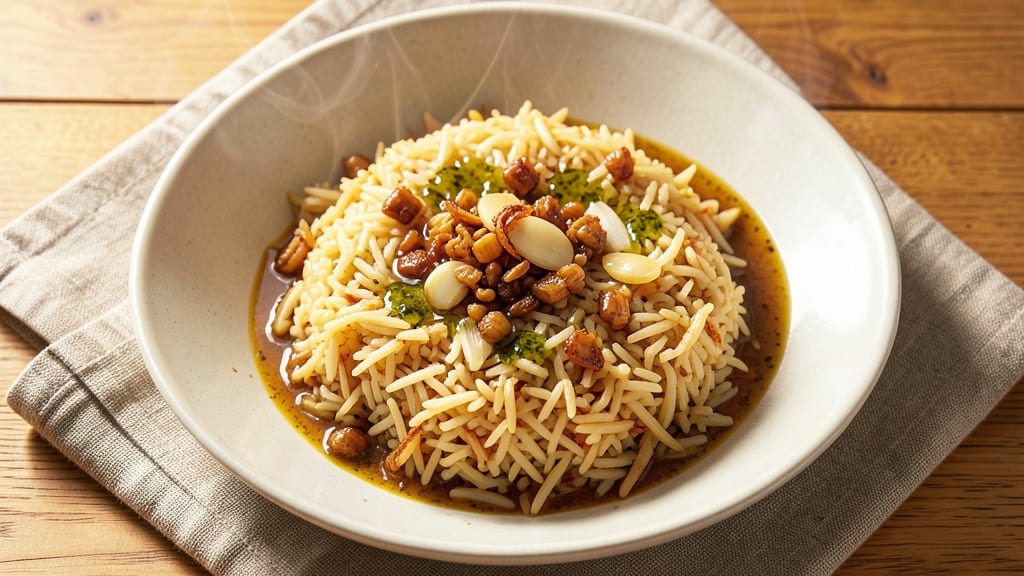
This cava saffron basmati rice recipe transforms simple grains into a luxurious centerpiece that rivals high-end restaurants. The secret lies in properly infusing saffron threads—steeped in warm water for maximum flavor extraction—before combining them with basmati rice and aromatic broth.
Just 20 minutes later, you'll have golden, fragrant rice with delicate floral notes that elevate any meal.
The magic happens in the technique: toasting the rice briefly before adding liquid ensures proper texture, while the saffron infusion creates that signature golden hue and luxurious aroma. Paired with caviar or smoked salmon, this dish becomes a showstopper for special occasions or weeknight dinners.
The result is restaurant-quality rice that's surprisingly simple to achieve at home.
Ingredients for cava saffron basmati rice
Twelve ingredients transform ordinary rice into a luxurious centerpiece with delicate floral notes.
| Ingredient | Amount | Notes |
|---|---|---|
| Long-Grain Basmati Rice 🌾 | 1 cup | Uncooked, high-quality basmati preferred |
| Saffron Threads 🌼 | ¼ tsp | Premium quality, vibrant color |
| Warm Water 💧 | ¼ cup | Steep saffron in warm water first |
| Vegetable Broth 🍲 | 2 cups | Low-sodium, aromatic preferred |
| Extra-Virgin Olive Oil 🫒 | 2 tbsp | High-quality, fruity flavor |
| Shallots 🧅 | 2 whole | Minced finely for aromatic base |
| Garlic Cloves 🧄 | 3 cloves | Minced, fresh preferred |
| Fresh Lemon Juice 🍋 | 1 tbsp | Brightens final flavor |
| Salt 🧂 | ¾ tsp | Diamond Crystal preferred |
| Butter 🧈 | 2 tbsp | Unsalted, cold for finishing |
| Fresh Parsley 🌿 | ¼ cup | Chopped, for garnish |
| White Wine 🍷 | ¼ cup | Dry, full-bodied preferred |
The saffron is non-negotiable—Whole Foods or specialty spice shops carry the highest quality threads, which should be a deep crimson color. Penzeys Spices offers premium saffron that's worth the investment for this dish. Shallots and garlic form the aromatic base, so fresh, vibrant produce is essential. If using pre-minced garlic, toast it first to deepen the flavor. The vegetable broth should be rich and aromatic—Pacific Foods or Imagine brands are excellent choices for home cooking.
No saffron? Turmeric at one-third the amount will add color, though lacks the floral notes. Substitute white wine with additional broth plus a splash of lemon juice for brightness. Fresh parsley can be swapped for dried parsley at one-fourth the amount, though fresh garnishes elevate the dish. For a dairy-free version, omit the butter and use extra olive oil instead. The rice must be high-quality basmati—avoid pre-cooked or instant varieties, as they lack the proper texture.
Saffron-infused water can be made ahead and stored in the fridge for up to 3 days, though flavor peaks immediately. The rice keeps well in an airtight container in the fridge for 3-4 days, though texture softens over time. For special occasions, serve immediately after cooking to highlight the golden hue and delicate aroma. Portion into individual containers for meal prep—reheat with a splash of water to restore texture.
Why You'll Love This Recipe
- One-Pot Magic: I swear by this recipe because it’s literally four ingredients and a pot—no fancy techniques, no stress. Just toast the rice in olive oil, add broth and saffron, and let it simmer. Honestly, the hardest part is waiting for the saffron to bloom.
- Golden Threads Shine: That first taste of saffron-infused rice? It’s like sunshine in your mouth. The strands dissolve into the warm broth, giving every grain a delicate, floral richness that turns ordinary meals into something special. My picky husband actually asks for seconds now.
- Weeknight to Dinner Party: This rice is my secret weapon for everything—simple weeknight dinners or a fancy spread. Pair it with grilled fish, roasted veggies, or even just a charcuterie board. Between us, I’ve served it at both and no one ever questions how little effort it took.
- Budget Luxury Leftovers: Saffron’s pricey, but a few threads stretch far—this recipe feeds four for under $8. And the leftovers? Just as good reheated the next day, making it my go-to for meal prep. Not the prettiest, but the taste makes up for it every time.
Step-by-step instructions for cava saffron basmati rice
This method delivers restaurant-quality saffron rice with vibrant golden threads and perfect texture.
Infuse the Saffron and Prepare the Broth
In a small bowl, combine the 0.25 tsp saffron threads with the 0.25 cup warm water. Let it steep for 5 minutes while you prepare the remaining ingredients. The water will turn a beautiful golden hue—this is your saffron infusion, carrying the dish's signature aroma and color.
In a separate saucepan, heat the 2 cups vegetable broth over medium heat until it begins to simmer. Keep it at a gentle boil—this ensures the saffron infusion will blend seamlessly without losing its delicate flavor. The broth should remain clear and aromatic, with no scum forming on the surface.
Sauté Aromatics in Olive Oil
Heat the 2 tbsp extra-virgin olive oil in a medium saucepan over medium heat. Add the 2 whole shallots that have been finely minced, stirring occasionally for 3-4 minutes until they become translucent and just beginning to soften. You'll notice their sweet, oniony aroma filling the kitchen—this is the foundation of your rice's flavor.
Add the 3 cloves minced garlic and cook for an additional 30 seconds until fragrant. Be careful not to let the garlic brown—it should remain pale golden. This step develops the aromatic base that will carry through the entire dish. Remove the pan from heat momentarily to prevent burning.
Toast the Rice and Add Liquids
Return the pan to medium heat and add the 1 cup long-grain basmati rice, stirring to coat each grain with the aromatic oil. Toast the rice for 2-3 minutes until it becomes slightly translucent at the edges and releases a nutty aroma. This step is crucial—it prevents the rice from becoming mushy and develops its characteristic texture.
Pour in the 0.25 cup white wine, stirring constantly to deglaze the pan and incorporate any browned bits. Let it simmer for 1-2 minutes until nearly evaporated. Then add the saffron infusion and 2 cups vegetable broth, along with the 0.75 tsp salt. Bring to a gentle boil, then immediately reduce heat to low and cover the pan tightly with a lid.
Simmer to Perfect Texture
Simmer for 15 minutes without lifting the lid. The rice will absorb the liquid gradually, developing its signature fluffy yet firm texture. After 15 minutes, check the rice—it should be tender but still slightly firm to the bite. If it's not quite done, continue cooking for another 2-3 minutes covered.
Here's the thing—don't peek during cooking. Every time you lift the lid, you release steam and potentially dry out the rice. The rice is done when all the liquid has been absorbed and the grains are tender but still separate. If you're unsure, taste a grain—it should be firm with a slight bite in the center.
Finish with Butter and Lemon
Remove the pan from heat and let it sit covered for 5 minutes. Then stir in the 2 tbsp cold butter and 1 tbsp fresh lemon juice, breaking up any clumps of rice. The butter will melt into a creamy finish, while the lemon brightens the dish's flavor profile. The rice should now have a glossy sheen and a delicate balance of rich, aromatic, and citrus notes.
Garnish with the 0.25 cup chopped fresh parsley just before serving. This final touch adds a pop of color and freshness that complements the saffron's golden hue. Serve immediately while the rice is still warm and the saffron's vibrant aroma fills the air.
Pro Tips For Making Cava Saffron Basmati Rice
- CRANK THE HEAT FIRST: Your pot needs to scream when you add the rice—think bubbles forming immediately. I learned this the hard way: simmering starts too gentle, and you end up with mushy grains. A quick 30-second hard boil after adding rice seals the starch and keeps things separate.
- SOAK SAFFRON IN BROTH: Toss those saffron threads into warm vegetable broth first—not water—and let them steep for 5 minutes. Cold water dulls the flavor, and skipping the broth means missing out on its depth. (Yes, even if you’re impatient like me.)
- STIR ONCE, THEN LOCK IT: After adding rice, stir just once to distribute the saffron-infused broth, then cover and walk away. Peeking or stirring breaks the steam, and you’ll end up with uneven texture. My grandmother swore by this, and she was right: patience here is non-negotiable.
- USE THE RIGHT OIL RATIO: Drizzle in about 2 tablespoons of extra-virgin olive oil before adding liquid—enough to coat the bottom but not drown the rice. Too little, and the grains stick; too much, and it turns greasy. (I skip this when lazy, but the dish is noticeably better when I don’t.)
Pro cooking tips for this recipe
Saffron Infusion Secrets
Never steep saffron directly in the rice—it needs warm water to release its vibrant color and floral aroma. I use 0.25 cup warm water (not hot) to preserve the delicate threads, letting them soak for 5 minutes before straining.
The golden liquid becomes your flavor base—don't skip this step, as cold water dulls the saffron's potency. Store leftover infusion in the fridge for up to 3 days for quick rice prep later. 🌼
Rice Toasting Mastery
The 2-3 minute toast of basmati rice in olive oil is non-negotiable for texture. Use medium heat and stir constantly until grains become translucent at the edges. I test doneness by tasting a grain—it should have a slight crunch.
Over-toasting burns the rice, while under-toasting leaves it raw-tasting. This step develops the nutty aroma that distinguishes restaurant-quality rice. 🌾
Liquid Ratio Precision
Basmati rice absorbs 1.5 times its volume in liquid, but saffron rice needs slightly more moisture. My formula: 2 cups broth for 1 cup rice, plus the 0.25 cup wine and saffron infusion.
The wine deglazes the pan and adds depth, while the broth carries the saffron's golden hue. Never stir the rice during cooking—it releases starch and makes it gummy. 💧
Butter Finish Technique
Cold butter is key for that luxurious finish. After removing from heat, let rice rest 5 minutes before stirring in 2 tbsp cold butter and 1 tbsp lemon juice. The butter melts into a creamy coating, while the lemon brightens the dish.
I use European-style butter (like Plugrá) for its higher fat content. For dairy-free versions, substitute with extra olive oil and a pinch of salt. 🧈
Cava Pairing Pro Tips
For the ultimate caviar experience, serve this rice with oscietra or sevruga caviar on top. The rice's delicate acidity cuts through the fish's richness. I recommend 2 tbsp caviar per serving, placed on a small spoon or directly on the rice.
For a budget-friendly alternative, use smoked trout roe—it has a similar briny-sweet profile. Always chill the caviar until serving to preserve texture. 🍣
Equipment Essentials
You only need three tools: a medium saucepan with tight-fitting lid, a fine-mesh strainer (for saffron infusion), and a wooden spoon. I prefer All-Clad stainless steel pans for even heat distribution.
Avoid nonstick pans—they can't handle the high heat needed for proper rice toasting. A digital thermometer ensures your broth stays at 205-210°F during cooking. ⚡
Nutrition facts
Frequently asked questions
Why does saffron need to steep in warm water first?
Steeping saffron in warm water (not boiling) extracts its vibrant golden color and delicate floral aroma without burning the threads. Cold water leaves the saffron underused, while hot water can scorch it. The 5-minute steep creates a potent infusion that transforms ordinary rice into something luxurious.
Can I substitute white wine with something else?
Yes! Use additional broth plus 1 tbsp lemon juice for brightness, or apple cider vinegar (1 tsp) for acidity. The wine deglazes the pan and adds depth—without it, the rice will be less aromatic. For a completely alcohol-free version, use extra broth and a pinch of salt.
What's the best way to serve this rice with caviar?
For a restaurant-worthy presentation, spoon 2 tbsp caviar per serving onto the warm rice just before eating. Use a small spoon to create elegant mounds. Chill the caviar until serving to preserve its texture. For a budget-friendly alternative, try smoked trout roe—it has a similar briny-sweet profile.
Why does my saffron rice turn out mushy?
Overcooking or stirring during simmering releases excess starch, making rice gummy. Always cook covered on low heat and resist peeking! The rice is done when liquid is absorbed and grains are tender but still firm. If it's mushy, you likely used too much liquid—stick to the 1:1.5 rice-to-broth ratio.
Can I make this recipe ahead of time?
Yes, but serve it fresh for best texture. Store cooked rice in an airtight container in the fridge for 3-4 days. Reheat with a splash of water to restore moisture. For meal prep, cook the rice without the butter and lemon—add these fresh before serving to maintain brightness. The saffron infusion can be made 3 days ahead and stored in the fridge.