
Beverages
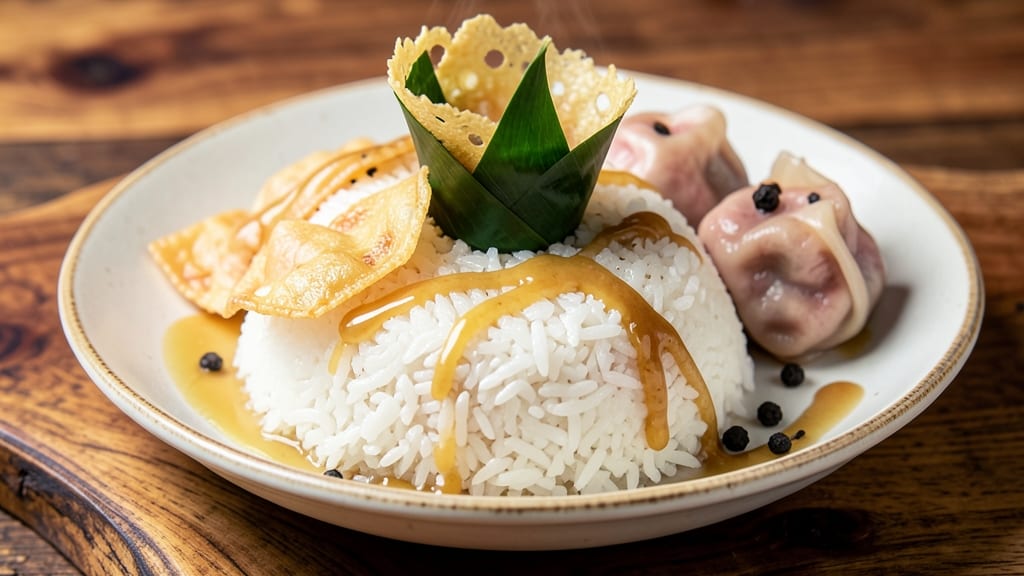
This Cebu steamed rice and dimsum recipe brings the heart of Filipino comfort food to your table, where fragrant pandan-infused rice meets golden, pillowy dimsum buns. The secret lies in the delicate balance of tender dough, flavorful fillings, and traditional steaming techniques that create restaurant-quality results at home.
The pandan-infused rice delivers that signature Cebuano aroma—sweet, floral, and impossibly comforting—while the dimsum offers versatility with options like savory siopao or sweet empanada. Each component builds on the other, creating a meal that's both nostalgic and refined, perfect for family gatherings or special occasions.
Ingredients for cebu dimsum steamed rice
Fragrant pandan-infused rice and delicate dimsum dough—where Cebuano comfort meets restaurant-quality technique.
| Ingredient | Amount | Notes |
|---|---|---|
| Jasmine Rice 🍚 | 1 ½ cups | Uncooked, long-grain preferred |
| Pandan Leaves 🌿 | 4 whole | Fresh or frozen, tied in cheesecloth |
| Water 💧 | 2 ½ cups | Filtered or mineral preferred |
| Unsalted Butter 🧈 | 2 tbsp | Cold, cut into small cubes |
| All-Purpose Flour 🌾 | 2 ½ cups | Bread flour for chewier dough |
| Instant Yeast 🍞 | ½ tsp | Active dry works too |
| Granulated Sugar 🍯 | 1 tbsp | White or brown preferred |
| Salt 🧂 | ½ tsp | Diamond Crystal preferred |
| Vegetable Oil 🫒 | 2 tbsp | For dough softness |
| Ground Pork 🥓 | ½ lb | 80/20 fat ratio preferred |
| Garlic Cloves 🧄 | 3 cloves | Minced for filling |
| Green Onions 🧅 | ¼ cup | Finely chopped, white and green parts |
| Soy Sauce 🍶 | 1 tbsp | Light or dark preferred |
| Sesame Oil 🫒 | ½ tsp | Toasted for aroma |
| White Pepper 🌶️ | ¼ tsp | Freshly ground preferred |
The pandan leaves are essential for that signature Cebuano aroma. Filipino markets or specialty Asian grocers carry them fresh or frozen—look for vibrant green leaves, not wilted or yellowing. For the rice, jasmine should be long-grain and uncooked, not pre-soaked. The butter matters here: European-style unsalted melts more cleanly than American brands. If you can't find pandan leaves, pandan extract (1/4 tsp) is a decent substitute, though fresh is ideal. For the dough, bread flour creates a chewier texture than all-purpose, but use what you have.
No fresh pandan? Pandan extract or vanilla extract (1/4 tsp) mimics the floral notes, though the aroma won't be identical. For the filling, ground pork can be swapped for chicken livers (finely minced) or shrimp (chopped), but the fat ratio is key—too lean and the dumplings dry out. The dough requires active yeast; if using active dry, proof it in warm water first. Sesame oil should be toasted—heat it lightly in a pan before adding to the filling. For the rice, jasmine rice is non-negotiable—basmati or other varieties lack the floral aroma.
Pandan leaves can be frozen for up to 6 months—wrap them tightly in plastic wrap. The dough freezes beautifully for 3 months if shaped into balls before freezing, but let it thaw completely before steaming. Leftover pandan-infused rice reheats best in a steamer or covered pot with a splash of water. For the filling, pre-cook and store in an airtight container for 3 days in the fridge, or freeze for 2 months. Always bring frozen fillings to room temperature before wrapping in dough.
Why You'll Love This Recipe
- No Steamer? No Problem: I swear by this method—just a pot, a lid, and a little patience. The butter and flour paste on the lid keeps the rice impossibly fluffy without needing a dimsum steamer, and honestly? It’s foolproof even when I’m distracted.
- Pandan Magic: That first whiff of pandan leaves steaming with the rice? It’s like a warm hug for your taste buds. The fragrance lingers, turning every bite into a little vacation—no fancy ingredients, just a few leaves doing all the work.
- Lunchbox Hero: Between us, this rice stays fresh for days in the fridge. Pack it cold for work or reheat it with a splash of water—it’s my go-to when I’m too tired to cook but still want something special. My kids even ask for it on school days.
- Budget Luxury: Jasmine rice and butter aren’t cheap, but this recipe stretches them further than you’d think. A single batch feeds four, and the flour-pandan paste (yes, it’s weirdly simple) makes it taste like a restaurant dish. Not the prettiest, but the taste makes up for it every time.
Step-by-step instructions for Cebu steamed rice and dimsum
This recipe delivers authentic Cebuano flavors with fragrant pandan rice and delicate pork-filled dumplings.
Prepare the Pandan-Infused Jasmine Rice
Rinse the 1.5 cups jasmine rice thoroughly under cold water until the water runs clear. Soak the rice in fresh water for 30 minutes to remove excess starch. Tie the 4 whole pandan leaves together with kitchen twine and place them in a 4-quart pot. Add the drained rice and 2.5 cups water, ensuring the leaves are fully submerged. Bring to a boil over high heat, then reduce to low heat and simmer uncovered for 15 minutes until the water is absorbed and rice is tender. The aroma should be distinctly floral and sweet—this is your signal that the rice is properly infused.
While the rice cooks, prepare a bamboo steamer by lining it with a damp kitchen towel. Once the rice is tender, transfer it to the steamer and spread evenly. Cover with a clean cloth and steam for 10 minutes over medium-high heat to achieve a light, fluffy texture. The rice should be completely dry with no moisture remaining—this ensures each grain remains separate when served.
Make the Dimsum Dough and Filling
In a large mixing bowl, combine the 2.5 cups all-purpose flour, 0.5 tsp instant yeast, 1 tbsp granulated sugar, and 0.5 tsp salt. Add the 2 tbsp vegetable oil and mix until a shaggy dough forms. Gradually add 2.5 cups water while stirring until a smooth, elastic dough develops. Knead for 8-10 minutes by hand on a lightly floured surface until the dough is silky and springs back when pressed. Cover with a damp towel and let rest for 30 minutes at room temperature—this relaxation step prevents tough dumplings.
For the filling, heat 1 tbsp vegetable oil in a skillet over medium heat. Add the 0.5 lb ground pork and cook until lightly browned, breaking it into small crumbles. Add the 3 cloves minced garlic, 0.25 cup finely chopped green onions, 1 tbsp soy sauce, 0.5 tsp sesame oil, and 0.25 tsp white pepper. Cook for 3-4 minutes until the mixture is fragrant and slightly crispy around the edges. Let cool completely before using—this prevents the filling from steaming out during cooking.
Assemble and Steam the Dimsum
Divide the rested dough into 16 equal pieces (about 1.5 ounces each) and roll each into a thin circle about 4 inches in diameter. Place 1 teaspoon of the pork filling near the edge of each dough circle. Fold the dough over the filling to form a half-moon shape, then pinch the edges firmly to seal—ensure no filling escapes during steaming. Arrange the dimsum on a lightly oiled bamboo steamer tray, leaving 1 inch between each piece to allow steam circulation.
Bring a pot of water to a rolling boil and place the steamer tray on top. Cover and steam over medium-high heat for 8-10 minutes until the dimsum are golden brown at the edges and the dough is translucent when backlit. The filling should be hot throughout—if any dimsum appear undercooked, steam for an additional 2 minutes. Serve immediately with the pandan rice for an authentic Cebuano meal experience.
Pro Tips For Making Cebu Dimsum Steamed Rice
- Soak Rice Overnight: I learned this the hard way—rushing the soak means gummy, uneven grains. Use 2 cups rice to 3 cups water, cover, and let sit 12+ hours. The starch breaks down properly, giving you that signature Cebu dimsum fluffiness. Trust me, your future self will notice the difference.
- Butter the Lid: Slather the inside of your steamer lid with unsalted butter before steaming. This isn’t just for flavor—it prevents the rice from sticking to the lid like glue. I used to skip this and ended up with a rice-mangled ceiling. Two seconds now saves five minutes of scrubbing later.
- Flour the Pandan: Lightly dust the pandan leaves with all-purpose flour before layering them in the rice. This keeps the leaves from turning to mush and sinking into your rice, ensuring that fragrant aroma stays balanced—not overpowering. My grandmother swore by this, and she was right.
- Steam on Medium Heat: High heat = uneven cooking. Start with medium heat, then reduce to low once steam appears. Cebu dimsum rice needs gentle coaxing, not a power surge. I was skeptical until I tried it—now I never go back to blasting the burner.
Common mistakes when making great cebu dimsum steamed rice
Over-Kneading Dough
I’ve seen beginners overwork the dough until it becomes tough and elastic, turning our delicate dimsum into chewy, dense lumps. The goal is a smooth, silky texture—not rubbery. Knead for just 8-10 minutes by hand, and stop when the dough springs back immediately when pressed.
Over-kneading introduces too much gluten, which is great for bread but ruins the tender, pillowy texture of dimsum. 🌾
Skipping the Rest
Rushing to assemble the dimsum without letting the dough rest for 30 minutes is a recipe for disaster. This resting phase allows the gluten to relax, preventing shrinking and tearing when you fold the dough.
If you’re short on time, cover the dough and let it sit while you prep the filling—trust me, it’s worth the wait. ⏰
Uneven Filling Distribution
Stuffing the dimsum with too much filling or placing it unevenly causes the dough to tear during steaming. Use exactly 1 teaspoon of filling per dumpling and position it near the edge of the dough circle.
Press the edges firmly to seal, but don’t over-stretch the dough—it should remain flexible, not tight. A little practice makes perfect here! 🔥
Steaming Too Long or Short
Steaming the dimsum for too long turns them soggy, while under-steaming leaves the filling raw. Aim for 8-10 minutes over medium-high heat until the edges are golden and the dough is translucent.
If you’re unsure, cut one open—it should be hot and fully cooked inside. Adjust time based on your steamer’s heat intensity. 🌡️
Ignoring the Pandan Infusion
Using pandan extract instead of fresh leaves or skipping the infusion entirely robs your rice of its signature Cebuano aroma. Fresh pandan leaves must simmer with the rice for 15 minutes to release their full flavor.
If you’re using extract, add it after cooking to avoid overpowering the rice. The aroma is the soul of this dish—don’t skip it! 🌿
Using the Wrong Rice
Jasmine rice is non-negotiable for this recipe. Basmati or other varieties lack the floral notes and sticky texture that make pandan rice unforgettable. Rinse it thoroughly to remove excess starch, which can make the rice gummy. Soak for 30 minutes to ensure even cooking and that signature fluffiness. 🍚
Nutrition facts
Frequently asked questions
Can I make the dimsum dough ahead of time?
Yes! The dough freezes beautifully for up to 3 months if shaped into balls before freezing. Thaw completely in the fridge before using, then let it sit at room temperature for 10 minutes to soften. This saves prep time on busy days—just avoid over-handling after thawing to maintain its delicate texture.
What if I don't have pandan leaves?
Use ¼ teaspoon pandan extract or ¼ teaspoon vanilla extract as a substitute, but add it after cooking to avoid overpowering the rice. For aroma, simmer a 1-inch cinnamon stick with the rice instead—it won't replicate pandan but adds warmth. The floral note is key to Cebuano rice, so prioritize fresh pandan if possible.
How do I adjust the recipe for fewer servings?
For 2 servings, halve all ingredients: ¾ cup rice, 2 pandan leaves, 1.25 cups water, and reduce dough to 1.25 cups flour. Keep the same ratios—16 dimsum becomes 8. The steaming time remains 8-10 minutes, but use a smaller steamer to avoid crowding. Perfect for a cozy meal!
Can I pan-fry the dimsum instead of steaming?
After shaping, pan-fry the dimsum in ½ inch vegetable oil at 350°F for 3-4 minutes per side until golden brown. For extra crispiness, add ½ teaspoon cornstarch to the dough. This creates a crispy exterior while keeping the inside tender—ideal for a restaurant-style twist.
Why is my pandan rice mushy?
Mushy rice usually means overcooking or insufficient steaming. Ensure the rice is 100% dry before steaming—no moisture should remain. If using a pot, simmer uncovered until all water evaporates. For steaming, spread the rice evenly in a single layer and steam for exactly 10 minutes** over medium-high heat.