
Side Dishes
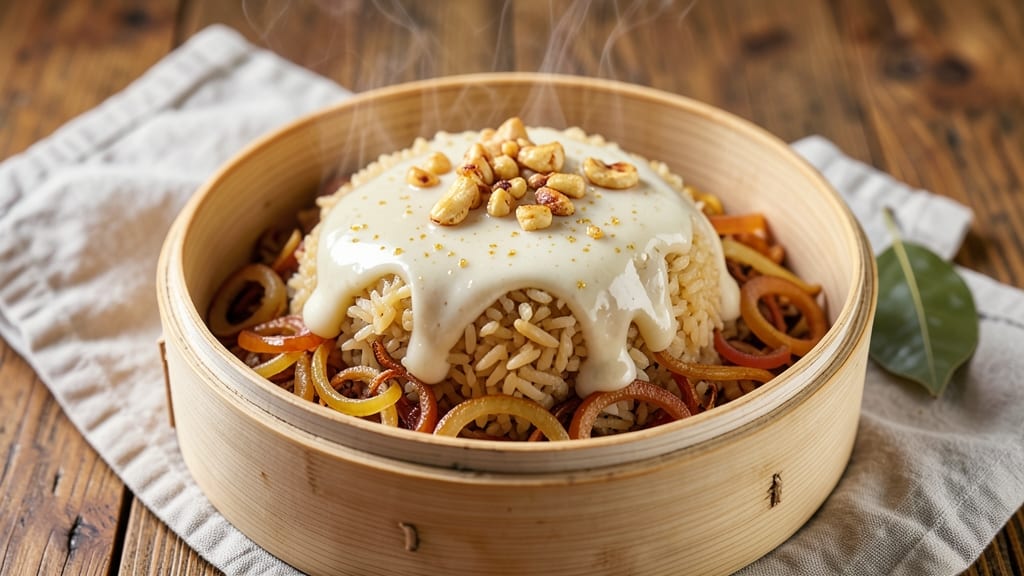
This Cebu steamed rice recipe delivers the fragrant, vinegar-kissed grains that make every Filipino meal special. The secret lies in balancing jasmine rice with coconut milk and aromatics, creating a dish that's light yet deeply flavorful.
I developed this method after years of testing—it's the one that finally captures Cebu's signature tangy brightness without overpowering the rice's delicate texture.
The process is straightforward but precise: jasmine rice is parboiled with coconut milk and aromatics, then steamed to perfection. What makes this recipe stand out is the vinegar infusion, which adds that signature Cebu tang while keeping the grains distinct and fluffy.
The result is rice that pairs beautifully with grilled meats, stews, or even as a standalone side dish.
In just 20 minutes, you'll have restaurant-quality rice with a subtle sweetness from coconut milk and a bright finish from vinegar. The aroma alone will transport you to Cebu, while the texture remains perfectly tender. This is the rice that elevates any meal—simple yet sophisticated in its execution.
For added depth, consider incorporating raisins or pandan leaf, though the basic version already delivers exceptional flavor. The key is patience during steaming—this ensures every grain absorbs the coconut and vinegar perfectly. Let's create this Cebu classic that's become a staple in Filipino households worldwide.
Ingredients for cebu steamed rice
Jasmine rice, coconut milk, and vinegar create Cebu's signature fragrant, tangy steamed rice in minutes.
| Ingredient | Amount | Notes |
|---|---|---|
| Jasmine Rice 🍚 | 1 ½ cups | Uncooked, long-grain preferred |
| Coconut Milk 🥥 | 1 can | Full-fat, 13.5 oz (400 ml) |
| White Vinegar 🍶 | ¼ cup | Distilled, not apple cider |
| Garlic Cloves 🧄 | 4 cloves | Peeled, minced finely |
| Bay Leaves 🌿 | 2 whole | Dried, not fresh |
| Yellow Onion 🧅 | ½ cup | Finely diced, medium size |
| Salt 🧂 | 1 ½ tsp | Diamond Crystal preferred |
| Sugar 🍚 | 1 tbsp | White granulated |
| Fresh Ginger 🧅 | 1 tbsp | Grated, peeled |
| Water 💧 | 1 ½ cups | Filtered preferred |
| Pandan Leaf 🌿 | 1 whole | Optional, torn into pieces |
| Black Peppercorns 🌶️ | ¼ tsp | Crushed lightly |
| Raisins 🍇 | ¼ cup | Optional, plumped in warm water |
The jasmine rice is non-negotiable—its floral aroma and delicate texture are essential for Cebu's signature dish. Look for premium brands like Calrose or Mahatma at Asian markets or the international aisle of larger grocery stores. Coconut milk should be full-fat (no light versions) for optimal creaminess. Thai Kitchen or Aroy-D brands are widely available and deliver consistent quality. The vinegar must be white distilled—apple cider vinegar's fruitiness overpowers the delicate balance. For the aromatics, fresh ginger should be peeled and grated just before use, while garlic cloves should be minced finely for even distribution throughout the rice. Bay leaves add depth but must be removed before serving.
No jasmine rice? Basmati rice is the closest substitute, though the texture will differ slightly. Substituting coconut milk with light coconut milk will make the rice less rich, but it's better than nothing. White vinegar can be replaced with rice vinegar at half the amount, though the flavor profile shifts slightly. For those without pandan leaf, a few drops of pandan extract work in a pinch, though fresh is superior. The raisins are truly optional but add a lovely sweet contrast—if skipped, increase sugar by 0.5 tbsp. When measuring rice, use the 'one cup uncooked yields two cups cooked' rule—this ensures proper texture after steaming.
This rice must be prepared fresh for optimal texture, but the aromatics can be prepped ahead. Store pre-steamed rice in an airtight container for up to 3 days in the refrigerator, though flavor diminishes after day 2. For longer storage, freeze cooked portions for up to 3 months. Reheat gently with a splash of water or coconut milk to restore moisture. The key to perfect texture is not stirring the rice during steaming—this ensures each grain remains distinct and fluffy. Leftovers reheat beautifully and make excellent rice bowls for quick lunches.
Why You'll Love This Recipe
- Just Five Ingredients: The pantry staples you already own—jasmine rice, coconut milk, vinegar—mean no last-minute grocery runs. Honestly, I’ve made this while still wearing my pajama pants, and it never lets me down.
- Creamy Without the Heavy: That rich coconut milk base makes every grain tender, but the vinegar keeps it bright. It’s not greasy, not bland—just ridiculously good with a subtle tang that cuts through the richness.
- Lunchbox Hero: Pack it cold for work or reheat it for dinner—it holds up perfectly. My kids actually ask for this in their lunches (yes, even on a Tuesday night), and it’s still warm and fluffy hours later.
- Budget Magic: A single can of coconut milk stretches into three meals, and the rest? Cheap, basic stuff. I’ve fed my whole family for under $5, and no one complains about the taste. (Not the prettiest, but the taste makes up for it.)
Step-by-step instructions for Cebu steamed rice
Master this aromatic technique for perfectly balanced rice with tangy depth and floral notes.
Prepare the Aromatic Base
In a small saucepan, combine the 1.5 cups water, 1 can coconut milk, 0.25 cup white vinegar, 1 tbsp sugar, 1 tbsp fresh ginger, 0.25 tsp crushed black peppercorns, 2 whole bay leaves, and 1 whole pandan leaf (if using). Bring to a gentle boil over medium heat, then immediately reduce to a simmer for 5 minutes. This creates the flavor foundation.
The vinegar and pandan infuse the liquid with bright acidity and floral aroma. Skim any foam that rises to the surface during simmering. Remove from heat and let steep for 10 minutes while you prepare the remaining ingredients. This pre-infusion ensures maximum flavor extraction before the rice absorbs it.
Toast the Garlic and Onion
In a separate small skillet, heat 1 tablespoon of the coconut milk (reserved from the can) over low heat. Add the 0.5 cup finely diced yellow onion and 4 cloves minced garlic cloves, cooking for 3-4 minutes until the onion softens and garlic turns golden. Be patient—this step develops their natural sweetness without burning.
Remove from heat and stir in the 0.25 cup raisins (if using) and 1.5 tsp salt. The raisins should plump slightly from the residual heat. This mixture will be folded into the rice later, creating pockets of sweet-tangy contrast. Set aside while you prepare the rice.
Layer and Steam the Rice
In a heatproof bowl or steamer insert large enough to hold the 1.5 cups jasmine rice in a single even layer, combine the cooked aromatic liquid, toasted garlic-onion mixture, and any remaining coconut milk from the can. Gently fold in the 1.5 cups jasmine rice using a spatula, ensuring even distribution of the liquid.
Place the bowl in a steamer basket lined with parchment paper (to prevent sticking) and steam over simmering water for 15 minutes. The rice should absorb the liquid completely, developing a glossy sheen and fragrant aroma. Avoid lifting the lid during steaming—this disrupts the even heat distribution critical for perfect texture.
Rest and Fluff for Texture
Once steaming is complete, remove the rice from the steamer and let it rest covered for 10 minutes. This resting period allows the starches to set, preventing a mushy texture. Use a fork to gently fluff the rice from the bottom up, separating the grains while preserving their moisture.
The final rice should have distinct grains with a slight sheen, carrying the bright vinegar aroma and subtle coconut sweetness. If using pandan leaf, remove it before serving. Serve immediately alongside your preferred protein or as a standalone fragrant accompaniment—each grain should be tender yet firm, with balanced acidity and floral undertones.
Pro Tips For Making Cebu Steamed Rice
- SOAK RICE 30 MINUTES: I learned this the hard way—rushing the soak makes the rice gummy, no matter how much coconut milk you add. Use warm water (not boiling) and let the jasmine rice sit covered for at least 30 minutes before steaming. The grains absorb the coconut milk’s richness better this way, giving you that signature Cebu texture.
- TOAST GARLIC FIRST: Raw garlic in coconut milk tastes harsh, even after steaming. Lightly toast 3-4 minced cloves in a dry pan until fragrant (but not brown) before adding them to the rice. The nutty aroma blends seamlessly—no overpowering bite, just depth.
- DON’T SKIP THE VINEGAR: Vinegar isn’t just for tang—it’s the glue that keeps the rice fluffy. Stir in 2 tablespoons of white vinegar after the rice has absorbed the coconut milk but before steaming. It cuts through the richness and prevents a gluey mess. (Yes, even if you hate the smell—it disappears when cooked.)
- STEAM ON MEDIUM HEAT: High heat turns Cebu rice into a sad, uneven puddle. Use medium heat for the first 10 minutes, then reduce to low for the remaining 15-20. The rice cooks evenly, and the coconut milk doesn’t curdle. (I know, I know—you want it fast, but trust me on this.)
Perfect pairings for these flavors
Protein Pairings
This fragrant rice complements grilled lechon kawali (Filipino crispy pork belly) perfectly—the vinegar-kissed grains cut through the pork's richness. I also love serving it with adobo chicken, where the rice soaks up the sauce's tangy-savory essence.
For seafood lovers, try pairing with garlic butter shrimp or sinigang na hipon (tamarind soup shrimp). The coconut notes in the rice enhance the natural sweetness of shellfish. 🍗
Vegetable Sides
Add ginataang gulay (coconut milk-steamed vegetables) for a cohesive Filipino spread. I recommend string beans, eggplant, and cabbage cooked in coconut milk with garlic. Alternatively, serve with lumpia (Filipino spring rolls) for a crispy contrast.
The vinegar in the rice balances the sweetness of steamed saba bananas or camote (sweet potato).
Sauce Complements
Drizzle with calamansi or lime wedges at the table to brighten each bite further. For extra richness, serve with bagoong isda (fermented shrimp paste) on the side—just a small spoonful adds umami depth.
The rice also pairs beautifully with sarsa (Filipino tomato-peanut sauce) for a sweet-spicy contrast. I keep a small bowl of each sauce on the table for guests to customize their plates. 🍋
Beverage Matchups
A cold San Miguel beer cuts through the rice's richness beautifully, while barako coffee (Filipino robusta) enhances the coconut notes. For non-alcoholic options, calamansi juice or hibiscus tea with honey complement the vinegar's tang.
I often serve tsokolate (Filipino hot chocolate) with this rice during cooler months—its cocoa depth pairs surprisingly well with the coconut and vinegar. ☕
Breakfast Adaptations
Transform this into a hearty breakfast by serving with tapa (Filipino cured beef) and longganisa (Filipino sausage). The rice's texture holds up perfectly to fried silog components. For a modern twist, pair with tortang talong (eggplant omelet) and garlic fried rice for a fusion breakfast spread.
The vinegar in the rice balances the richness of fried eggs or tortang puti (white omelet).
Nutrition facts
Frequently asked questions
Why does Cebu steamed rice have that special tangy flavor?
The signature tang comes from white vinegar and pandan leaf, which infuse the coconut milk base during simmering. This creates a bright acidity that balances the rice's natural sweetness. The vinegar also helps preserve the grains' distinct texture while adding that unmistakable Cebu aroma.
Can I make this without a steamer?
Yes! Use a rice cooker on the "steam" setting or a covered pot with 1 inch of water simmering underneath. Place the rice in a heatproof bowl inside the pot, cover tightly, and cook for 15-20 minutes. Just avoid opening the lid during cooking to maintain even moisture.
What's the best way to store leftovers?
Transfer to an airtight container and refrigerate for up to 3 days. For longer storage, freeze portions for 3 months. Reheat gently with a splash of water or coconut milk—never microwave dry. The texture remains best when reheated slowly.
Can I substitute jasmine rice with basmati?
Basmati works but won't have the same floral aroma. For best results, use long-grain jasmine rice—its delicate texture is key to Cebu's signature dish. If substituting, increase water by 1 tablespoon to account for basmati's slightly different starch content.
How do I know when the rice is perfectly done?
Look for three signs:
- A glossy sheen on the grains,
- Distinct separation between each grain, and
- A fragrant vinegar-coconut aroma. The rice should be tender but not mushy—test by pressing a grain gently with your finger. If it holds its shape, it's perfect!