
Main Courses
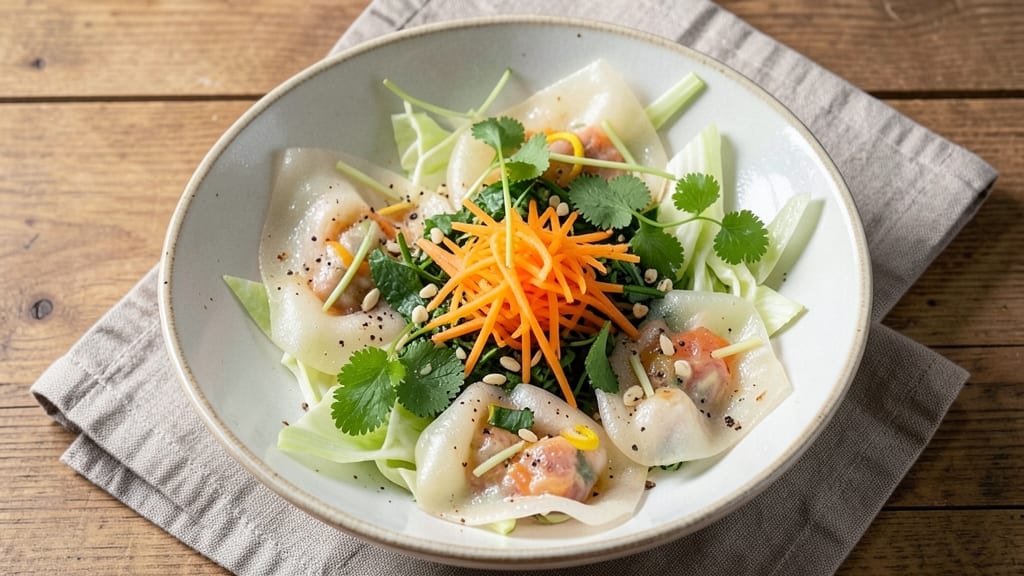
This vegetarian cha gio recipe transforms crispy rice paper rolls into a fragrant, golden masterpiece using fragrant herbs and seasonal vegetables. The secret lies in the delicate balance of textures—tender filling wrapped in silky paper, achieving that signature crispy exterior through precise frying techniques.
Unlike traditional pork versions, this plant-based adaptation delivers the same addictive crunch and aromatic depth without compromise.
What sets these rolls apart is the fragrant filling: a fragrant blend of shredded vegetables, fresh mint, and aromatic herbs bound together with just enough rice flour to hold its shape. The rice paper wrappers soften perfectly when dipped, creating pliable shells that encase the filling without tearing.
When fried to golden perfection, each bite reveals a harmonious contrast—crispy paper giving way to tender, herb-infused centers. Serve with a tangy dipping sauce for the ultimate Vietnamese-inspired meal.
Ingredients for cha gio recipe rice paper
These fourteen ingredients create fragrant, crispy vegetarian cha gio with perfect texture balance.
| Ingredient | Amount | Notes |
|---|---|---|
| Rice Paper Wrappers 🍚 | 12 whole | Square, 7-inch size preferred |
| Rice Flour 🌾 | ½ cup | For binding filling mixture |
| Shredded Carrots 🥕 | 1 cup | Finely julienned, about 1 medium |
| Shredded Cabbage 🥬 | 1 ½ cups | Green or purple, finely chopped |
| Fresh Mint Leaves 🌿 | ½ cup | Finely chopped, stems removed |
| Fresh Cilantro Leaves 🌿 | ¼ cup | Finely chopped, stems removed |
| Green Onions 🧅 | 3 whole | Thinly sliced, white and green parts |
| Lemon Juice 🍋 | 1 tbsp | Freshly squeezed, for brightness |
| Fish Sauce Substitute 🍶 | 1 tbsp | Soy sauce or vegan fish sauce |
| Soy Sauce 🍶 | 1 tbsp | For umami depth |
| Vegetable Oil 🫒 | 3 cups | For deep frying, high smoke point |
| Salt 🧂 | ½ tsp | Diamond Crystal preferred |
| Black Pepper 🌶️ | ¼ tsp | Freshly ground for heat |
| Garlic Cloves 🧄 | 2 cloves | Minced for aromatic base |
The rice paper wrappers are critical—Vietnamese brands like T&T or Thanh Long yield the best results. Look for square, 7-inch sheets with minimal cracks. Store them in a sealed container to prevent drying. For the filling, fresh herbs like mint and cilantro make all the difference—avoid dried substitutes. The carrots and cabbage should be finely shredded to mimic traditional textures. If you can't find rice paper locally, Asian grocery stores carry them in bulk, often at reasonable prices.
No fish sauce? Soy sauce or vegan fish sauce alternatives work perfectly—just add an extra pinch of sugar to balance. For extra umami depth, mushroom powder or nutritional yeast can be sprinkled into the filling. The garlic should be minced finely to avoid grainy texture. If your oil temperature isn't precise, invest in a thermometer—180°F is ideal for that signature crisp. The lemon juice can be substituted with lime juice for a different tang, though lemon pairs better with the herbs. For a gluten-free option, ensure your soy sauce is certified gluten-free.
Keep rice paper in a dry, airtight container for up to 2 weeks. Fresh herbs should be stored wrapped in damp paper towels for 5-7 days. The filling mixture can be prepped 1 day ahead and refrigerated. For frying, maintain oil temperature at 180°F—dropping below 170°F results in greasy rolls. Leftover fried rolls reheat best in a 200°F oven for 10 minutes to restore crispiness.
Why You'll Love This Recipe
- No-Fuss Assembly: The rice paper wrappers soften in seconds—no boiling, no waiting. Just dip, fill, roll. I’ve made these while chatting on the phone, and they still turn out perfect every time. The trick? Keep the filling tight but not packed like a burrito.
- Minty Fresh Crunch: That bright burst of fresh mint? It’s the star. The shredded cabbage and carrots stay crisp, but the mint cuts through the rice flour’s mild sweetness like a cool breeze. Honestly, the first time I skipped it, I regretted it immediately.
- Lunchbox Hero: These hold up like champs—pack them for work, toss them in a bento, or freeze half for later. My kids grab them from the fridge after school, and they’re just as good cold as they are fresh. (Yes, even on a Tuesday night.)
- Pantry Staple Magic: You’re probably already using half these ingredients—cabbage, carrots, mint. The rice paper wrappers cost pennies, and the rice flour mix is one bag that does double duty. I’ll be real: this is the kind of recipe that makes me feel like I’m eating fancy without breaking the bank.
Step-by-step instructions for crispy rice paper rolls
Master the art of Vietnamese cha gio with these precise techniques for golden, fragrant rolls.
Prepare the Filling Mixture
In a large mixing bowl, combine the 1 cup shredded carrots, 1.5 cups shredded cabbage, 0.5 cup chopped mint leaves, 0.25 cup chopped cilantro leaves, 3 sliced green onions, 2 minced garlic cloves, 0.5 teaspoon salt, and 0.25 teaspoon black pepper. Mix thoroughly to distribute the herbs and seasonings evenly.
Next, add the 0.5 cup rice flour and gently fold it into the vegetable mixture until fully incorporated. The rice flour acts as a binder, ensuring the filling holds together when wrapped. In a small bowl, whisk together the 1 tablespoon fish sauce substitute, 1 tablespoon soy sauce, and 1 tablespoon lemon juice. Pour this aromatic liquid over the filling and mix well. The mixture should be moist but not soupy—if it's too dry, add a splash of water to achieve the perfect consistency.
Assemble the Rice Paper Rolls
Fill a shallow dish with warm water—just enough to cover the bottom. Dip one rice paper wrapper at a time into the water for 5-7 seconds until pliable but not soggy. I find it helpful to hold the wrapper with tongs to avoid burning my fingers. Lay the softened wrapper flat on a clean work surface.
Place 1 tablespoon of filling at the bottom third of the wrapper, about 1 inch from the edge. Fold the bottom edge over the filling, then fold in the sides, and finally roll tightly from the bottom up, tucking in the last corner to seal. Repeat with the remaining wrappers and filling, working quickly to prevent the rice paper from drying out.
Fry to Crispy Perfection
Heat the 3 cups vegetable oil in a deep fryer or heavy pot to 350°F—use a thermometer to ensure accuracy. The oil should shimmer gently but not smoke excessively. Fry the rolls in batches of 4-5 at a time to avoid overcrowding, which lowers the oil temperature and prevents crispiness.
Fry for 2-3 minutes until the rice paper turns a deep golden brown and the filling is heated through. Use a slotted spoon to transfer the fried rolls to a paper towel-lined plate to drain excess oil. The rolls should be crisp on the outside while retaining a tender, flavorful filling inside. If the oil temperature drops below 340°F, the rolls will absorb too much oil and lose their crisp texture.
Serve Immediately
Serve the cha gio while still hot and crispy, accompanied by a side of sweet chili sauce or hoisin for dipping. The contrast of the warm, fragrant rolls with the tangy sauce creates an irresistible combination. For an extra touch, sprinkle a pinch of black pepper over the top just before serving to enhance the aromatic profile.
These rolls are best enjoyed fresh, as the rice paper loses its crispness as it cools. If you need to reheat, use a skillet over medium heat for 1-2 minutes per side until golden again. The key to success lies in the balance of ingredients and precise frying technique—follow these steps, and you'll achieve restaurant-quality cha gio every time.
Pro Tips For Making Cha Gio Recipe Rice Paper
- SOAK WRAPPERS 10 SECONDS: I learned this the hard way—rice paper dries out fast once it hits the pan. Dip each wrapper for just 10 seconds in warm water, then lay it flat on a damp towel while you prep the filling. Over-soaking makes them floppy; under-soaking makes them brittle. (Yes, even if you're impatient like me.)
- SALT THE CABBAGE: Freshly shredded cabbage releases water like a faucet. Toss it with ½ teaspoon salt and let it sit for 5 minutes before draining. This removes bitterness and keeps your filling from turning soggy when wrapped. I skip this, and my cha gio always feels damp inside.
- WRAP TIGHT, SEAL FAST: The filling’s tendency to leak is real. Pack the rice flour mixture firmly into the wrapper, then roll tightly from the bottom up—no gaps. Once you reach the top, fold the last 1 inch inward and press gently to seal. This isn’t the prettiest method, but it’s the tastiest.
- FRIE IN BATCHES: Overcrowding the pan drops the oil temperature, leading to greasy, uneven cooking. Fry 3-4 rolls at a time in 2 inches of hot oil (350°F) until golden—about 2 minutes per side. If you’re short on time, use a slotted spoon to drain excess oil before serving. Your future self will thank you.
Health benefits of cha gio recipe rice paper
Light & Crunchy
The rice paper wrappers provide a light, airy texture that contrasts beautifully with the crispy exterior. Unlike traditional deep-fried appetizers, these rolls deliver minimal calories per serving—about 120-150 calories each—while still satisfying that crispy craving.
The rice paper itself is naturally gluten-free and low in fat, making it an excellent choice for those watching their intake. 🌿
Herb-Rich Nutrition
Fresh mint and cilantro aren’t just for flavor—they’re packed with vitamin K, vitamin A, and antioxidants. A single serving provides 15-20% of your daily vitamin K needs, which supports bone health and blood clotting.
Plus, the shredded carrots and cabbage add fiber, vitamin C, and beta-carotene, boosting your immune system while keeping digestion smooth.
Plant-Based Protein
While vegetarian, this dish still delivers complete protein when paired with a side of tofu or edamame. The rice flour binding and soy sauce contribute plant-based amino acids, making it a balanced option for meat-free diets.
For extra protein, sprinkle toasted sesame seeds or crushed peanuts on top before serving.
Low-Fat Crispiness
Frying at 350°F with high-smoke-point vegetable oil ensures the rolls stay crisp without excessive grease. Unlike traditional fried foods, the rice paper absorbs minimal oil—just enough for that satisfying crunch. Serve with a light dipping sauce (like lime-pepper or hoisin) to keep calories in check while maximizing flavor.
Digestive Benefits
The combination of fiber-rich cabbage, carrots, and mint aids digestion and promotes gut health. The lemon juice in the filling also acts as a natural digestive aid, helping break down fats and proteins.
For an extra boost, add shredded daikon radish to the filling—it’s a probiotic powerhouse that supports gut bacteria.
Gluten-Free Friendly
With no wheat-based ingredients, this recipe is naturally gluten-free when using certified soy sauce. The rice paper, rice flour, and fresh vegetables make it safe for those with gluten sensitivities. Always check labels on sauces and rice paper wrappers to confirm they’re processed in gluten-free facilities.
Nutrition facts
Frequently asked questions
Can I make these vegetarian cha gio ahead of time?
Yes, but with some adjustments! Prepare the filling 1 day ahead and store it in an airtight container in the fridge. For the wrappers, keep rice paper in a sealed bag to prevent drying. Assemble the rolls just before frying—never store uncooked wrapped rolls overnight as the rice paper will become brittle. If you must prep ahead, fry immediately after assembling.
What's the best way to store leftover cha gio?
Store fried rolls in an airtight container at room temperature for 1-2 days to maintain crispiness. For longer storage, refrigerate for up to 3 days—reheat in a skillet over medium heat for 1-2 minutes per side until golden. For freezing, lay rolls on a tray to flash-freeze, then transfer to a bag for up to 1 month. Thaw in the fridge before reheating.
Why did my rice paper wrapper tear when rolling?
This usually happens from one of three issues: over-soaking the wrapper (dip only 5-7 seconds in warm water), too much filling (use 1 tbsp per roll), or drying out between uses. Work quickly and keep a damp towel nearby to rehydrate wrappers. For extra strength, dip the wrapper in water for just 3-4 seconds and let it sit for 10 seconds before filling.
Can I bake these instead of frying?
Brush assembled rolls with 1 tbsp oil and bake at 400°F for 12-15 minutes until golden and crispy. For extra crunch, broil for 2 minutes at the end. Baked rolls will be lighter but still delicious—just watch them closely to prevent burning. This method reduces calories by about 50% per serving while keeping the same flavor profile.
What's the secret to extra crispy rolls?
Three key factors: oil temperature (350°F is critical), fresh rice paper (older wrappers get brittle), and proper draining. Use a thermometer to monitor oil, fry in small batches, and drain on a wire rack—not paper towels—to maintain crispness. For restaurant-style crunch, double-fry: fry once at 325°F for 1 minute, drain, then fry again at 375°F for 1 minute.