
Main Courses
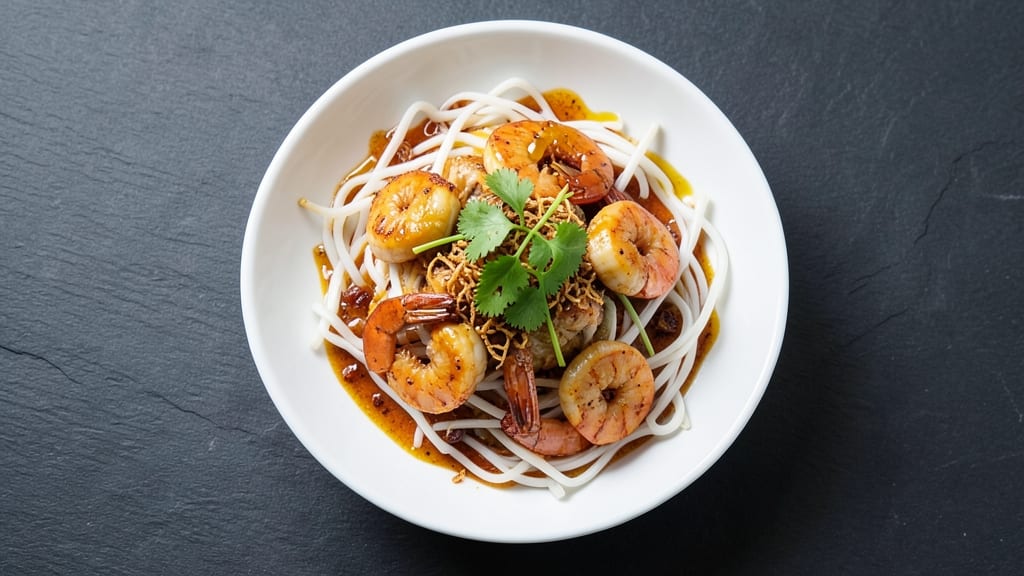
This Chao Ching rice stick recipe delivers the perfect balance of crispy-fried noodles and aromatic five-spice glaze, a dish that's both nostalgic and restaurant-quality.
The key lies in achieving that signature crunch while keeping the noodles tender inside, paired with a protein like shrimp or chicken that absorbs the fragrant sauce.
The magic happens when you fry the rice sticks in small batches until golden and crispy, then toss them with a quick five-spice glaze that adds depth and warmth.
What you'll end up with is a dish that's satisfyingly crunchy, flavorful, and ready in just 20 minutes—ideal for weeknight dinners or takeout cravings.
Ingredients for chao ching rice stick
Crispy-fried noodles and aromatic five-spice glaze—just these ingredients transform into nostalgic takeout flavor.
| Ingredient | Amount | Notes |
|---|---|---|
| Rice Sticks (Vermicelli) 🍜 | 8 oz | Dried, square or round shape |
| Boneless Chicken Breast 🍗 | 1 lb | Cut into bite-sized pieces |
| Large Shrimp 🦐 | 1 lb | Peeled, deveined, tails off |
| Vegetable Oil 🫒 | 2 cups | For deep frying |
| Five-Spice Powder 🌶️ | 1 ½ tbsp | Store-bought or homemade blend |
| Soy Sauce 🥄 | ½ cup | Light or dark preferred |
| Sesame Oil 🫒 | 1 tbsp | Toasted for aroma |
| Garlic Cloves 🧄 | 4 cloves | Minced for glaze |
| Fresh Ginger 🧅 | 1 ½ tbsp | Finely grated |
| Green Onions 🧅 | ¼ cup | Sliced for garnish |
| Salt 🧂 | 1 tsp | Kosher or sea salt |
| White Pepper 🌶️ | ½ tsp | Freshly ground preferred |
| Sugar 🍯 | 1 tbsp | White granulated |
The rice sticks are the star—look for the square or round shape at Asian markets or the international aisle. Thai Kitchen or Lotus Foods brands are reliable, but any dried rice noodles work. The chicken and shrimp should be fresh, not frozen, for that signature restaurant texture. Whole Foods or Trader Joe's usually have great seafood options. For the five-spice powder, Penzeys or bulk bins at natural grocery stores give the best flavor punch. If you can't find it, blend equal parts cinnamon, cloves, fennel, star anise, and peppercorns yourself.
No five-spice powder? Mix 1 tsp each of cinnamon, cloves, and fennel seeds for a close substitute. The shrimp can be swapped for chicken or tofu—just adjust cooking time. If you're short on time, pre-minced garlic and ginger from the freezer aisle work fine. The soy sauce? Kikkoman or Pearl River Bridge are solid choices, but any light soy will do. For extra crunch, toss in crushed peanuts or fried shallots at the end. And if your rice sticks are too thick, soak them in warm water for 5 minutes before frying.
Fry the rice sticks in batches—they burn fast. Keep them warm in a 200°F oven while you cook the protein. The glaze thickens as it cools, so reheat gently with a splash of water if it gets too stiff. Leftovers keep 3-4 days in the fridge, but honestly, they're best fresh. For meal prep, fry the noodles and protein separately, then toss with the glaze just before serving. The flavors actually improve overnight—make extra.
Why You'll Love This Recipe
- No-Soaking Needed: I just toss the rice sticks in hot water for 2 minutes—no fancy soaking, no waiting around. That five-spice powder on the chicken? It’s the secret to flavor without extra work.
- Crispy-Tender Magic: The shrimp sizzles in the oil until it’s pink and snappy, while the chicken stays juicy. That contrast? Pure satisfaction, especially when the noodles soak up every last bit of the savory sauce.
- Lunchbox Hero: Pack it cold or reheat it—this stays solid for days. My kids grab it for school lunches, and honestly? It’s the only meal I can trust them to eat without complaint.
- Budget-Friendly Feast: Chicken and shrimp stretch to feed four for under $15, and the rice sticks? A bulk bag lasts me weeks. Leftovers taste just as good the next day—no sad, dry noodles here.
Step-by-step instructions for crispy-fried rice noodles
Here's how to achieve that perfect golden crunch and aromatic five-spice glaze every time.
Prepare the Chicken and Shrimp with Five-Spice Seasoning
Cut the 1 lb boneless chicken breast into 1-inch bite-sized pieces and place them in a bowl. Add the 1 lb large shrimp, 1.5 tbsp five-spice powder, 1 tsp salt, and 0.5 tsp white pepper. Toss gently until the chicken and shrimp are evenly coated in the spice blend. Let them marinate for 15 minutes at room temperature—this ensures maximum flavor absorption.
While the proteins marinate, use a sharp knife to mince the 4 cloves garlic and grate the 1.5 tbsp fresh ginger. Set these aside for the glaze. The five-spice powder is the secret here—it gives the dish that complex, warming aroma that sets Chao Ching apart from regular fried noodles. Don't skip this step, even if it seems like extra work.
Deep-Fry the Chicken and Shrimp Until Crispy
Heat 2 cups vegetable oil in a deep skillet or wok to 350°F—use a thermometer to monitor the temperature. Once hot, carefully add the chicken pieces in batches to avoid overcrowding. Fry for 4-5 minutes until they turn golden brown and float to the surface. Remove with a slotted spoon and drain on paper towels.
Repeat with the shrimp, frying for 2-3 minutes until they're opaque and crispy. The key to perfect fried noodles is getting that initial crunch on the proteins—this prevents soggy bites later. If the oil temperature drops below 340°F, let it recover before adding more. Keep the fried chicken and shrimp warm in a 200°F oven while you prepare the noodles.
Soak and Stir-Fry the Rice Sticks
Separate the 8 oz rice sticks (vermicelli) and rinse them under cold water to remove any dust. Soak them in a bowl of hot water for 10-12 minutes until pliable but still slightly firm—over-soaking makes them mushy. Drain well and toss with 1 tbsp sesame oil to prevent sticking.
Heat a clean wok or large skillet over medium-high heat with 1 tablespoon vegetable oil. Add the rice sticks and stir-fry for 2-3 minutes until they begin to crisp at the edges. This initial fry is crucial—it gives those signature crunchy bits that make Chao Ching so satisfying. Don't walk away; constant stirring prevents burning while building texture.
Create the Five-Spice Glaze
In the same wok, add 0.5 cup soy sauce, 1 tbsp sugar, and the minced garlic and ginger. Bring to a simmer and cook for 2 minutes until the sauce thickens slightly. The sugar helps balance the saltiness of the soy sauce while caramelizing the aromatics. Here's the thing—this glaze needs to coat everything evenly, so don't rush the reduction.
Pour the glaze over the fried rice sticks and toss vigorously for 1-2 minutes until everything is well-coated. The noodles should look glossy and fragrant. If the mixture seems too dry, add 1-2 tablespoons hot water to loosen it. This is where the five-spice flavor truly comes alive, transforming simple noodles into something extraordinary.
Combine and Garnish for Maximum Crunch
Return the fried chicken and shrimp to the wok with the glazed noodles. Toss everything together for 1 minute to distribute the flavors evenly. The residual heat will finish cooking any slightly underdone bits while keeping everything crisp. For that final touch, sprinkle with 0.25 cup sliced green onions and an extra drizzle of sesame oil.
Serve immediately while the noodles are still crispy. The contrast between the crunchy fried noodles, tender proteins, and glossy glaze is what makes this dish so irresistible. If you're serving a crowd, work in batches to maintain that perfect texture—once the noodles cool, they'll lose their crunch faster than you think.
Pro Tips For Making Chao Ching Rice Stick
- SOAK THE NOODLES RIGHT: Don’t just dump them in boiling water—soak the rice sticks in warm (not hot) water for 5-7 minutes first. They’ll absorb moisture evenly and won’t turn mushy when you stir-fry later. I used to rush this and end up with a gluey mess every time.
- CUT CHICKEN SLIM, NOT SMALL: Thin slices (⅛-inch thick) cook faster and stay tender, but don’t make them tiny—bite-sized pieces turn to mush. Aim for 2-inch strips, pound them gently with a rolling pin if they’re tough. My first batch looked like confetti because I panicked and over-sliced.
- STOP SHRIMP AT PINK: Overcooked shrimp get rubbery, and undercooked ones are a food safety risk. Test one—it should curl and turn opaque pink just as the edges crisp. Pull them out 10 seconds early; they’ll keep cooking in the residual heat.
- USE FIVE-SPICE LAST: Toss the five-spice powder with the shrimp and chicken after they’ve seared, not before. The heat releases its aroma better when it hits the hot protein. I learned this the hard way—adding it early just made the pan smell like a spice shop, not a dish.
Pro cooking tips for perfect results
Oil Temperature Control
Monitoring oil temperature is absolutely critical—350°F is your sweet spot for perfect fried noodles and proteins. I use a Thermoworks Thermapen because it gives instant readings, but even a candy thermometer works. If the oil drops below 340°F, your noodles will absorb too much oil and turn greasy.
Keep your oil hot by frying in batches and maintaining a 2-cup minimum of oil in the pan. 🌡️
Batch Frying Strategy
Never overcrowd your pan—this causes oil temperature to plummet and leads to soggy noodles. I fry the chicken in 3 batches of 4-5 pieces each, then the shrimp in 2 batches of 6-7 pieces.
Keep everything warm between batches in a 200°F oven while you finish cooking. This keeps them crispy until you're ready to assemble. The key is speed and efficiency!
Five-Spice Timing
The five-spice powder needs time to bloom—don't rush the marinating step! Let the chicken and shrimp sit with the spices for at least 15 minutes before frying. This allows the aromatic compounds to penetrate the proteins, giving you that authentic Chao Ching flavor.
I like to make a small batch of homemade five-spice by toasting whole spices first, then grinding them fresh for maximum potency. 🌶️
Noodle Soaking Secrets
Soak your rice sticks in hot water (not boiling) for exactly 10-12 minutes—they should be pliable but still hold their shape. Over-soaking makes them mushy, while under-soaking leaves them chewy.
Drain thoroughly and toss immediately with 1 tbsp sesame oil to prevent sticking. Pro tip: Use a colander with holes large enough to let water drain completely.
Glaze Consistency
The five-spice glaze should coat everything like silk—neither too thin nor too thick. If it's too stiff after cooking, add 1-2 tbsp hot water to loosen it. The sugar in the glaze caramelizes slightly when tossed with the noodles, creating those beautiful glossy strands.
I like to taste it before tossing—it should be slightly sweet and umami-rich, with a warm spice note from the five-spice. 💫
Final Crunch Technique
To maintain maximum crunch, work quickly once everything is combined. The residual heat from the proteins will finish cooking any slightly underdone noodle bits while keeping the exterior crisp. Serve immediately in pre-warmed bowls to prevent heat loss.
For extra crunch, I sometimes sprinkle crushed peanuts on top right before serving—this adds a delightful texture contrast that takes the dish to the next level.
Nutrition facts
Frequently asked questions about Chao Ching rice sticks
Can I use regular rice noodles instead of rice sticks?
Regular rice noodles (like flat or round vermicelli) won't give you that signature Chao Ching texture. The thick, square rice sticks are essential for that satisfying crunch. If you can't find them, look for "rice stick noodles" or "vermicelli squares" at Asian markets or online. They're worth seeking out for the authentic experience!
What if I don't have five-spice powder?
No problem! Mix 1 tsp each of cinnamon, cloves, and fennel seeds for a close substitute. Toast the whole spices lightly first to deepen their flavor. If you're feeling adventurous, blend ½ tsp each of cinnamon, cloves, fennel, star anise, and black pepper for a more complex homemade version. The dish will still be delicious!
How do I keep the noodles crispy after frying?
Work quickly and serve immediately—the noodles lose crunch as they cool. Keep fried components warm in a 200°F oven while finishing the dish. For extra insurance, toss the noodles with 1 extra tbsp sesame oil right after frying. And always use pre-warmed bowls to maintain that perfect texture. Speed is your friend here!
Can I make this vegetarian?
Swap the chicken and shrimp for extra-firm tofu or mushrooms. Press and cube the tofu, then pan-fry until crispy before adding to the noodles. For mushrooms, use shiitake or oyster mushrooms sliced into strips and fried until golden. The five-spice glaze works perfectly with both options.
Why does my glaze taste too salty?
Most likely, your soy sauce is the culprit. Use light soy sauce (like Kikkoman) for better balance. If it's still too salty, add 1 extra tbsp sugar to the glaze or reduce the soy sauce by 2 tbsp**. The sugar helps balance the saltiness while enhancing the caramelization. Taste as you go—this is where home cooks often go wrong!