
Main Courses
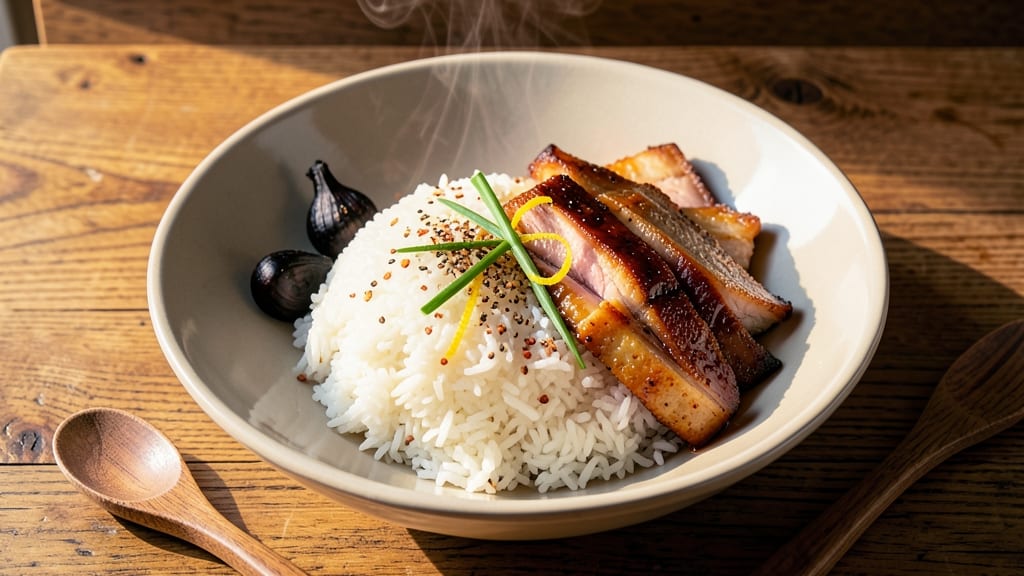
This chashu rice bowl recipe delivers the ultimate comfort food fusion—tender, smoky braised pork belly over fluffy jasmine rice, finished with classic toppings that balance richness with bright, fresh flavors.
The key lies in slow-braising the pork belly until it's fork-tender, then slicing it into perfect bite-sized pieces that melt in your mouth.
What makes this dish special is how the deep, savory notes of the chashu contrast beautifully with the delicate aroma of jasmine rice and the sharp tang of pickled ginger.
The process is straightforward but requires patience—simmering the pork belly for 3 hours at low heat develops that signature melt-in-your-mouth texture and rich, caramelized flavor.
Once you've achieved that perfect balance of tender meat and aromatic sauce, assembling the bowl becomes effortless: fluffy rice as the base, generous slices of chashu on top, and a sprinkle of sesame seeds for that final touch of authenticity.
This is a dish that feels both comforting and sophisticated, perfect for any meal of the day.
Ingredients for chashu rice bowl
Four servings of smoky, tender pork belly over fragrant jasmine rice—this bowl is pure comfort in every bite.
| Ingredient | Amount | Notes |
|---|---|---|
| Pork Belly 🥓 | 1 ½ lb | Thick-cut, skin-on preferred |
| Jasmine Rice 🍚 | 1 ½ cups | Uncooked, long-grain preferred |
| Japanese Soy Sauce 🥫 | ½ cup | Kikkoman or similar brand |
| Sake 🍶 | ¼ cup | Dry variety preferred |
| Mirin 🍶 | ¼ cup | Sweet cooking rice wine |
| Garlic Cloves 🧄 | 6 cloves | Minced for marinade |
| Fresh Ginger 🌿 | 2 tbsp | Grated, peeled |
| Sugar 🍯 | 2 tbsp | White granulated |
| Sesame Oil 🫒 | 1 tbsp | Toasted sesame oil |
| Pickled Ginger 🍋 | ¼ cup | Thinly sliced |
| Green Onions 🧅 | ¼ cup | Thinly sliced |
| Sesame Seeds 🌱 | 1 tbsp | Toasted for garnish |
| Neutral Oil 🫒 | 1 tbsp | Vegetable or canola oil |
| Salt 🧂 | 1 tsp | Kosher or sea salt |
| Black Pepper 🌶️ | ½ tsp | Freshly ground |
The pork belly is where the magic happens. Look for thick-cut, skin-on pork belly at your butcher or grocery store's meat counter—it’s worth the extra effort for that crispy skin. Costco often has it pre-sliced, but if you’re buying whole, ask for a 1.5-pound cut. The skin should be firm and pale pink, not yellow or slimy. For the braising liquid, Kikkoman soy sauce is my go-to, but any good Japanese soy will work. Sake and mirin add depth—don’t skip them! If you can’t find mirin, a 1:1 mix of sugar and water in a pinch, but the real stuff makes all the difference.
No sake? Dry white wine works in a bind, but it’ll lack that umami punch. Fresh ginger and garlic are non-negotiable for flavor, but if you’re in a rush, powdered ginger at half the amount gets you close. The sesame oil should be toasted—look for it in the Asian aisle or make your own by lightly toasting sesame seeds and pressing them. For pickled ginger, store-bought is fine, but if you’re feeling fancy, quick-pickle some ginger in rice vinegar and sugar for 30 minutes. The green onions add freshness, so don’t skimp—use the whole onion, white and green parts.
This dish tastes even better the next day, so make extra pork belly if you can—it reheats beautifully. Store the braised pork in its sauce in the fridge for up to 5 days, and the rice stays fresh for 2 days if covered tightly. For the toppings, keep the pickled ginger and green onions in airtight containers in the fridge for up to 1 week. Toast your sesame seeds in a dry pan for 2 minutes before using—they’ll smell amazing and add crunch. Freeze the pork belly in portions for up to 3 months if you’re prepping ahead.
Why You'll Love This Recipe
- One-Pot Magic: The pork belly braises right in the same pot as the rice—no extra dishes, no fuss. Just slice the belly, toss it in with the rice, soy, sake, and mirin, then let it simmer. Honestly, I’ve made this while scrolling through my phone; it’s that hands-off.
- Umami Bomb: That combo of pork belly, soy sauce, and mirin? It’s like a flavor explosion in your mouth. The pork gets tender and sticky, soaking up all the sweet-savory goodness—no dry bites, no bland moments. (Yes, even on a Tuesday night.)
- Leftover Hero: This dish actually tastes better the next day. The pork stays juicy, the rice soaks up extra flavor, and reheating takes two minutes. I’ve packed lunches with this for three days straight—no sad, soggy leftovers here.
- Budget-Friendly Feast: Pork belly might sound fancy, but it stretches far. A single slab feeds four, and the rice, soy, and mirin cost pennies. Between us, this is how I feed my whole family without breaking the bank—no takeout in sight.
Step-by-step instructions for chashu rice bowl
Here's how to create melt-in-your-mouth chashu pork and fluffy rice that'll make your rice bowls irresistible.
Prepare the Pork Belly for Braising
Start by scoring the pork belly in a diamond pattern, cutting about ½-inch deep into the fat. This creates channels for the marinade to penetrate and helps render the fat beautifully. Place the pork in a large bowl and mix together 0.5 cup Japanese soy sauce, 0.25 cup sake, 0.25 cup mirin, 2 tbsp sugar, 6 cloves minced garlic, 2 tbsp grated ginger, 1 tsp salt, and 0.5 tsp black pepper.
Pour this marinade over the pork belly and massage it in, making sure it gets into all those scored lines. Cover and refrigerate for at least 4 hours (overnight is even better). The longer it marinates, the more tender and flavorful your chashu will become. You'll know it's ready when the pork absorbs the marinade and develops a beautiful reddish hue.
Braise the Pork Belly Low and Slow
Preheat your oven to 300°F. Heat 1 tbsp neutral oil in a large oven-safe pot or Dutch oven over medium heat. Add the marinated pork belly and cook for 5-7 minutes on each side until golden brown. This initial searing locks in the juices and creates a flavorful crust.
Pour in 1 cup water (just enough to come about halfway up the sides of the pork) and bring to a gentle simmer. Cover tightly with a lid and transfer to the preheated oven. Braise for 3-4 hours, turning the pork occasionally and adding more water if needed to keep it submerged. The pork is done when it's fork-tender and pulls apart easily—this is your signal that it's ready for the rice bowl.
Cook the Perfect Jasmine Rice
While the pork is braising, rinse 1.5 cups jasmine rice under cold water until the water runs clear. This removes excess starch and prevents the rice from becoming gummy. Drain well and transfer to a pot with 2 cups water. Bring to a boil, then reduce heat to low, cover, and simmer for 15 minutes.
Remove from heat and let the rice steam, undisturbed, for another 10 minutes. The rice is perfectly cooked when all the water is absorbed and the grains are tender with a slight bite. Fluff gently with a fork and keep covered until ready to serve. The rice should be light and fluffy, with each grain distinct and separate—this is the hallmark of perfect jasmine rice.
Assemble and Garnish the Rice Bowls
Slice the braised pork belly into ¼-inch thick slices and arrange them over a bed of the fluffy jasmine rice. Drizzle with 1 tbsp sesame oil and top with 0.25 cup sliced green onions, 0.25 cup sliced pickled ginger, and 1 tbsp toasted sesame seeds. The pickled ginger adds a bright, tangy contrast to the rich, smoky pork, while the sesame seeds add a nutty crunch.
Serve immediately while the pork is still warm and the rice is perfectly fluffy. Each bite should deliver a perfect balance of tender, smoky pork, fragrant rice, and the bright, fresh garnishes. This is where all the flavors come together in harmony—don't skip the garnishes, they make all the difference!
Pro Tips For Making Chashu Rice Bowl
- Sear the Belly First: I learned this the hard way—skipping the sear means your chashu will taste like it’s been simmered in its own juices the whole time. Hit that pork belly with a screaming-hot pan for 2-3 minutes per side before braising. The crust locks in flavor and keeps the meat from turning into mushy pork water.
- Score the Fat, Not the Meat: Use a sharp knife to cut shallow slits (about 1/4-inch deep) only in the fat layers, not the lean pork. This lets the braising liquid penetrate without turning your chashu into ground pork. And skip the crowding—give those slices room to breathe in the pot.
- Simmer Low and Slow: After the initial sear, cover the pot and simmer on lowest heat—yes, even if it takes 3 hours instead of 2. I used to rush it, and the pork belly would either stay tough or fall apart. The fat needs time to render slowly, not boil off in a panic.
- Save the Starch: Strain the braising liquid through a fine-mesh sieve before reducing it for the sauce. The starch from the pork belly thickens the sauce beautifully, but if you skip this step, you’ll end up with a watery glaze. (Pro move: Reserve 1/4 cup of the strained liquid to deglaze the pan after removing the chashu.)
Wine and beer pairings for these flavors
Japanese Sake Pairings
For a truly authentic experience, pair your chashu rice bowl with a crisp, dry Japanese sake. I love a Junmai Daiginjo from the Niigata region—its delicate floral notes and subtle sweetness complement the smoky pork without overpowering the dish.
Look for brands like Hakkaisan or Dassai for that perfect balance of umami and clean finish. Chill your sake to 45-50°F before serving to enhance its aromatic qualities. 🍶
Light White Wine Options
If you prefer wine, a dry Riesling from Germany or Alsace works beautifully. The wine’s bright acidity and hints of citrus cut through the richness of the chashu, while its mineral notes harmonize with the jasmine rice.
I recommend a Dr. Loosen Blue Slate or Trimbach Riesling—both are excellent choices that won’t clash with the dish. Serve slightly chilled at 50°F to preserve its crispness.
Craft Beer Complements
For beer lovers, a Japanese lager like Asahi Super Dry or Sapporo Premium is a fantastic match. The light body and subtle hop bitterness provide a refreshing contrast to the rich pork.
If you prefer American craft beers, try a wheat beer like Allagash White—its citrusy notes and light effervescence cleanse the palate between bites. Keep it well-chilled at 38-40°F for the best experience.
Non-Alcoholic Alternatives
Don’t overlook non-alcoholic options! A sparkling yuzu soda from Japan, like Ramune, adds a delightful citrusy fizz that brightens the dish. Alternatively, a green tea-infused sparkling water (like San Pellegrino Aranciata Rossa) provides a refreshing, herbal contrast.
For a more traditional touch, serve hot green tea with a slice of lemon—it’s a classic pairing that enhances the dish’s umami flavors.
Regional Adaptations
In Osaka-style chashu bowls, a lightly sweetened sake cocktail (mixed with a splash of yuzu juice) is popular. For a Tokyo twist, opt for a dry, high-acid sake like Gekkeikan Sake to balance the dish’s richness.
Each region has its own approach—experiment to find your favorite! The key is to match the drink’s acidity and sweetness to the dish’s bold flavors. 🌏
Nutrition facts
Frequently asked questions
Can I use regular rice instead of jasmine rice?
You can, but jasmine rice is ideal because its fragrant aroma perfectly complements the smoky chashu. For a quick substitute, use long-grain white rice—just rinse it thoroughly to remove excess starch. If you want extra flavor, add 1 tsp toasted sesame seeds to the rice while cooking or serve with a drizzle of toasted sesame oil.
How do I store leftovers to keep them tasting fresh?
Store the braised pork belly in its sauce in an airtight container in the fridge for up to 5 days. Reheat gently in a skillet with a splash of water to maintain moisture. The rice stays fresh for 2 days if covered tightly—reheat in a steamer or microwave with a damp paper towel. For longer storage, freeze the pork in portions for up to 3 months.
What if my pork belly isn't tender after braising?
If the pork isn't fork-tender, it likely needs more time. Extend the braising to 4-5 hours at 300°F, adding water as needed to keep it submerged. For extra tenderness, try adding 1 tbsp honey or 1 tbsp sugar to the braising liquid to help break down collagen. Avoid high heat—slow cooking is key for that melt-in-your-mouth texture.
Can I make chashu pork ahead of time?
This dish actually tastes better the next day. Braise the pork belly up to 3 days ahead and store it in the fridge. The flavors deepen as the meat absorbs more of the savory sauce. Reheat gently in a skillet or slow cooker before slicing. You can even freeze the braised pork for up to 3 months—just thaw overnight in the fridge before reheating.
What are the best toppings to elevate my chashu rice bowl?
Classic toppings include pickled ginger (beni shoga), thinly sliced green onions, and toasted sesame seeds. For extra depth, add shredded nori (seaweed) or a drizzle of spicy mayo. For a modern twist, try quick-pickled radishes or avocado slices. The key is balancing the rich pork with bright, fresh, or tangy elements.