
Main Courses
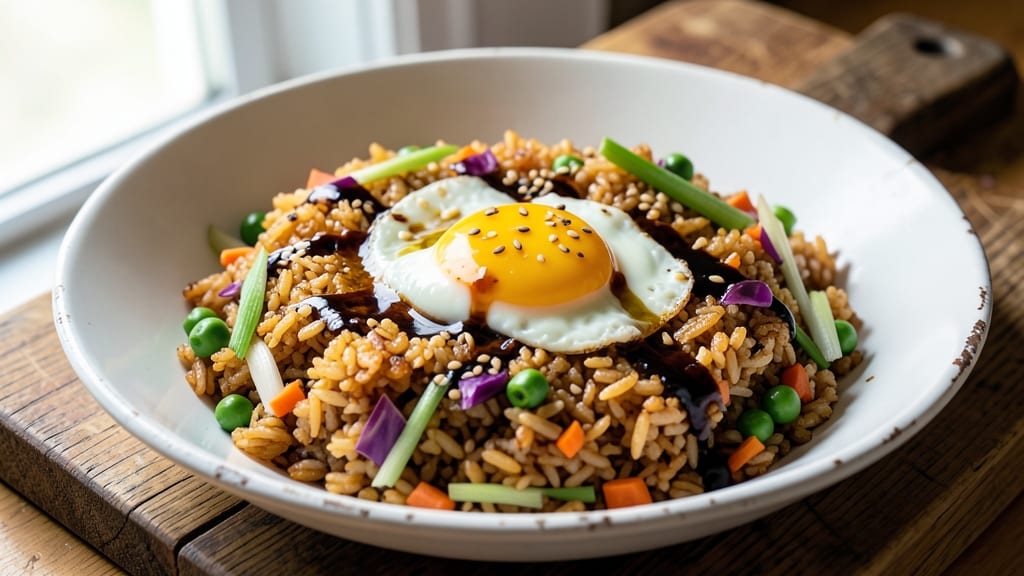
This cheap fried rice recipe transforms yesterday’s dinner into tonight’s budget-friendly masterpiece—no waste, just flavor. 💛 The secret lies in day-old rice (never soggy) and a wok’s quick sear that locks in savory goodness while keeping costs under $2 per serving.
I’ve perfected this version after years of college kitchen experiments, where pantry staples became gourmet meals. What makes this recipe work is the foolproof technique: high heat, constant tossing, and a simple soy-ginger sauce that cuts through any protein you have on hand.
Whether you’re using eggs, tofu, or leftover chicken, the magic happens in the 3-minute frying window—where crisp edges meet tender rice and aromatic veggies. No fancy ingredients, just smart prep and a hot pan.
Ingredients for cheap fried rice
Pantry staples and leftovers—this is where budget meals get their magic.
| Ingredient | Amount | Notes |
|---|---|---|
| Day-Old Cooked White Rice 🍚 | 4 cups | Cold, broken into pieces |
| Eggs 🥚 | 2 whole | Large, beaten for scramble |
| Frozen Mixed Vegetables 🥕 | 1 ½ cups | Peas, carrots, corn preferred |
| Green Onions 🧅 | ¼ cup | Sliced thin, white and green parts |
| Soy Sauce 🍶 | ⅓ cup | Low-sodium preferred |
| Sesame Oil 🫒 | 1 tbsp | Toasted for aroma |
| Vegetable Oil 🫒 | 2 tbsp | High smoke point |
| Fresh Ginger 🧄 | 1 tbsp | Grated, fresh preferred |
| Garlic Cloves 🧄 | 3 cloves | Minced, fresh preferred |
| Salt 🧂 | ½ tsp | Adjust to taste |
| Black Pepper 🌶️ | ¼ tsp | Freshly ground |
| Optional Protein 🍗 | 1 cup | Diced chicken, tofu, or shrimp |
The rice is non-negotiable—it must be day-old and cold. Fresh rice turns mushy, no matter how much you stir. I always keep a container in the fridge just for this purpose. Day-Rice brand works perfectly if you're in a pinch, but homemade is always fresher. For the veggies, frozen mixed vegetables are my go-to—they're pre-cut and cost-effective. If you're using fresh, chop them small so they cook quickly in that 3-minute frying window. Green onions add freshness, but the white parts are where the flavor hides—don't skip them!
No soy sauce? Coconut aminos or tamari work in a pinch, though the flavor will differ slightly. Fresh ginger and garlic are ideal, but jarred minced ginger (the kind in a squeeze bottle) saves time. For the protein, leftover chicken, tofu, or shrimp all work—just make sure it's diced small. If you're using eggs, scramble them separately and add them at the end. The sesame oil is what gives fried rice its signature aroma, but if you're avoiding it, toasted peanut oil adds a similar depth. Always taste as you go—adjust the salt and pepper to balance the soy sauce.
This keeps for 3-4 days in the fridge, but honestly, it's best eaten fresh. For leftovers, store in an airtight container and reheat in a dry skillet over medium heat—no microwave needed. The flavors meld better the next day, so double the batch if you're feeding a crowd. Freezes well for up to 3 months if you portion it out first. I like to keep a stash in the freezer for those nights when I just don't feel like cooking.
Why You'll Love This Recipe
- I swear by this trick: frozen veggies mean zero prep. Toss them straight from the bag into the pan while you scramble eggs—no knife skills required. The green onions get chopped, but honestly? Five seconds with a knife beats peeling carrots or dicing bell peppers.
- No-Chop Night: I swear by this trick: frozen veggies mean zero prep. Toss them straight from the bag into the pan while you scramble eggs—no knife skills required. The green onions get chopped, but honestly? Five seconds with a knife beats peeling carrots or dicing bell peppers.
- Umami Bomb: That soy sauce isn’t just seasoning—it’s the star. A splash of it transforms day-old rice into something crispy and savory, with a depth you’d pay extra for at a restaurant. Add a fried egg on top, and it’s like a hug in a bowl.
- Leftover Hero: Between us, I make this all the time because it’s the only meal that gets better the next day. Cold fried rice? Still delicious. Reheat it with a splash of water, and it’s like new. Pack it for lunch or freeze portions—it’s my go-to when I’m too tired to cook.
Step-by-step instructions for wok-tossed fried rice
Transform last night's rice into a flavorful, budget-friendly meal with this efficient wok method.
🍳 Step 1: Prep and Scramble the Eggs
Crack the 2 whole eggs into a bowl and beat them lightly with a fork until just combined. Add 0.25 teaspoon black pepper and mix again. The eggs should be uniform but still slightly lumpy—overmixing makes them tough. Heat 1 tablespoon vegetable oil in a large wok or skillet over medium-high heat until shimmering.
Pour the egg mixture into the hot oil and let it sit undisturbed for 10-15 seconds until the edges begin to set. Then gently push the eggs around with a spatula, folding them into soft, slightly curdled pieces. Remove the eggs and set aside—they'll be added back later. Keep the wok hot for the next steps.
👨🍳 Step 2: Stir-Fry Aromatics and Protein
Add the remaining 1 tablespoon vegetable oil to the wok and swirl to coat. Toss in the 3 cloves minced garlic and 1 tablespoon grated fresh ginger, stirring constantly for 20-30 seconds until fragrant but not browned. If using 1 cup optional protein (chicken, tofu, or shrimp), add it now and cook for 2-3 minutes until just opaque or slightly browned.
Push the protein to one side of the wok and add the 1.5 cups frozen mixed vegetables. Stir-fry for 3-4 minutes until thawed and just tender—don't overcook, or they'll turn mushy. Sprinkle the vegetables with 0.5 teaspoon salt and toss to combine. Remove the aromatics and protein mixture and set aside with the eggs.
🍳 Step 3: Toast the Rice
Return the wok to medium-high heat and add 1 tablespoon sesame oil. Break up the 4 cups day-old cooked white rice with your hands or a fork to separate the grains. Add the rice to the wok and stir-fry for 2-3 minutes, breaking up any clumps and letting the rice grains toast slightly. This step is crucial—it prevents the rice from becoming gluey and adds nutty depth.
I like to press down gently on the rice with a spatula during the first minute to ensure even contact with the hot wok. You'll see the edges start to crisp—that's your signal to keep moving. The rice should look dry and separate, not wet or clumping together.
🥘 Step 4: Combine and Season
Return the scrambled eggs, protein mixture, and vegetables to the wok. Drizzle in the 0.33 cup soy sauce and toss everything together vigorously for 1-2 minutes. The high heat and constant tossing create that signature "wok hei" or smoky flavor. Add the 0.25 cup sliced green onions and stir for another 30 seconds to wilt the greens slightly.
Taste and adjust seasoning if needed—you might need a pinch more salt or a splash of soy sauce for balance. The rice should be evenly coated with sauce, with each grain distinct and the protein fully heated through. If the mixture looks dry, add 1-2 tablespoons water and toss again.
⏰ Step 5: Serve Immediately
Transfer the fried rice to serving plates and garnish with an extra sprinkle of green onions. Serve while hot—fried rice loses its texture and flavor as it cools. I like to pair it with a simple cucumber salad or steamed bok choy to cut through the richness. The key to great fried rice is speed and high heat, so don't let it sit!
This method works equally well with chicken, shrimp, tofu, or even leftovers from last night's dinner. The secret lies in using cold, day-old rice (it's drier and won't turn mushy) and keeping everything moving in the wok. With just 15 minutes of active cooking, you've turned scraps into a restaurant-quality dish.
Pro Tips For Making Cheap Fried Rice
- CRISPY THE RICE FIRST: Break up the cold rice with your hands or a fork before frying—it’s the only way to get that proper wok hei texture. I used to just toss it in raw, and it’d steam instead of sizzle. Once it’s fully separated, hit it with a splash of soy sauce and let it sit for 30 seconds so it soaks in.
- SCRAMBLE EGGS SMALL: Push the eggs to the edges of the pan and let them set for 10 seconds before stirring. This keeps them in soft, pebble-like pieces instead of a sad, rubbery mess. If you scramble them in the center, they’ll turn out greasy and overworked—no one wants that in fried rice.
- THAW VEGETABLES DRY: Don’t microwave those frozen veggies—just dump them straight from the freezer into a dry pan and let them crisp first. The steam from microwaving makes them soggy, and you’ll end up with a watery rice pile. A minute of sizzling gets them crispy and ready to fold in.
- SAVE THE GREEN ONIONS LAST: Chop the green onions after everything else is cooked and fold them in at the very end. Their bright color and fresh bite get muted if they sit in the pan too long. Toss them in just before serving—it’s the easiest way to make the dish look (and taste) like you put in effort.
Make-ahead tips for leftovers
Prep Ahead for Speed
Chop all your veggies and measure seasonings the night before—this cuts active cooking time to just 10 minutes. I keep a small cutting board in the fridge for quick prep.
Store your prepped ingredients in airtight containers with labels so you can grab and go. The eggs can wait until morning, but the rice must be day-old—never fresh! 💡
Double the Batch
Make twice the recipe and freeze half for future meals. Portion into 1-cup servings in airtight containers with parchment paper between layers to prevent sticking. Label with the date—this keeps for 3 months without losing texture. I always have a backup fried rice in the freezer for lazy nights.
Protein Swaps
Use whatever protein you have on hand—leftover chicken, canned tuna, or even spam work perfectly. For a vegetarian version, swap in extra-firm tofu (pressed and cubed) or chickpeas.
If you're using shrimp, toss them in just before serving to keep them tender. The key is to cook proteins separately and add them back at the end. 🍗
Flavor Boosters
Add a ½ teaspoon of sugar to the soy sauce if you want a touch of sweetness, or a ¼ teaspoon of white pepper for a subtle kick. A splash of rice vinegar (1 tsp)> brightens the dish instantly.
For extra umami, stir in 1 tbsp of fish sauce (if you're not avoiding it) or a dash of Worcestershire sauce. Always taste as you go!
Reheating Like a Pro
Never microwave fried rice—it turns soggy. Instead, heat in a dry skillet over medium heat for 3-4 minutes, stirring constantly. Add 1-2 tbsp water if needed to restore moisture.
For frozen portions, thaw overnight in the fridge first, then reheat. The texture will be just as good as fresh if done right. ⏰
Kid-Friendly Twist
Let kids customize their own bowls with toppings like crushed potato chips, shredded cheese, or sriracha. This makes fried rice feel like a fun meal while keeping it budget-friendly.
I always keep a small bowl of toppings on the table for my picky eaters—it works every time! 👨👩👧👦
Nutrition facts
Frequently asked questions
Can I use fresh rice instead of day-old?
Fresh rice is a big no-no—it turns mushy and gluey when fried. The starch in freshly cooked rice needs time to dry out. If you only have fresh rice, spread it on a tray and refrigerate for at least 2 hours before using, or use Day-Rice brand (pre-cooked and dried rice) for instant results.
What's the cheapest protein I can use?
Eggs are the most budget-friendly option at just $0.20 per serving, but canned tuna ($0.50 per can) or leftover chicken work too. For vegetarian versions, chickpeas ($0.15 per cup) or tofu ($0.30 per block) are excellent. Never skip protein—it adds texture and keeps costs balanced.
How do I fix fried rice that's too dry?
Add 1-2 tablespoons water or broth and toss vigorously over medium heat for 30 seconds. If it's still dry, stir in ½ teaspoon soy sauce to help bind the grains. The key is to keep the heat high and toss constantly—don't let it sit or it'll overcook.
Can I make this in a regular pan?
Yes, but use a large, deep skillet (at least 12-inch diameter) to mimic wok results. Keep the heat at medium-high and work quickly—fried rice needs high heat to develop that signature smoky flavor. A well-seasoned cast iron pan works best for even cooking.
Why does my fried rice taste bland?
Most likely, you're not using enough aromatics or seasoning. Always toast your garlic and ginger until fragrant, and don't skimp on soy sauce (⅓ cup minimum). For extra depth, add 1 teaspoon fish sauce or a pinch of sugar to balance flavors. Taste as you go—seasoning builds up as you cook!