
Main Courses
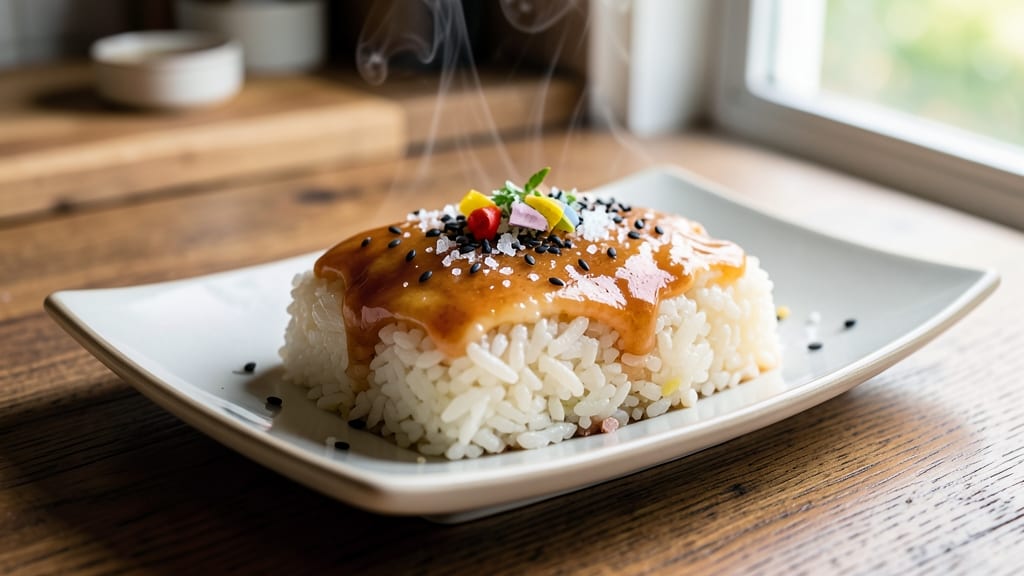
Chef Morimoto's sushi rice recipe delivers the ideal balance of sticky texture and delicate tang—essential for authentic sushi. The secret lies in precise rice-to-water ratios, a carefully measured vinegar seasoning blend, and gentle hand-pressing to achieve that signature glossy finish. This isn't just rice; it's the foundation of every great sushi roll, nigiri, or maki.
Mastering this technique transforms ordinary short-grain rice into restaurant-quality grains with a subtle sweetness and just the right amount of vinegar brightness. The cooling process ensures each grain stays separate yet cohesive, ready for shaping or filling.
Whether you're crafting classic rolls or experimenting with vegan fillings, this method guarantees professional results every time.
Ingredients for chef morimoto sushi rice
Nine essential ingredients transform basic rice into Chef Morimoto's signature sushi foundation.
| Ingredient | Amount | Notes |
|---|---|---|
| Japanese Short-Grain Rice 🍚 | 2 cups | Uncooked, sushi-grade preferred |
| Water 💧 | 2 ¼ cups | Room temperature preferred |
| Rice Vinegar 🍶 | ⅓ cup | Seasoned or unseasoned |
| Granulated Sugar 🍬 | ¼ cup | Fine grain preferred |
| Salt 🧂 | ½ tsp | Kosher or sea salt |
| Sesame Seeds 🌿 | 1 tsp | Toasted, optional garnish |
| Nori Sheets 🍣 | 4 whole | For wrapping, optional |
| Wasabi Paste 🌶️ | 1 tsp | For serving, optional |
| Pickled Ginger 🍠 | ¼ cup | Thinly sliced, optional |
Japanese short-grain rice is non-negotiable for authentic texture—Koshihikari or Calrose varieties are ideal. Sushi-grade rice ensures optimal stickiness and flavor. Most Asian markets carry premium brands like Kokuho Rose or Nishiki, which elevate the dish further. For vinegar, Mizkan or Sushi Chef seasoned rice vinegar adds subtle sweetness and umami, though unseasoned works if you prefer to balance flavors yourself. The sugar should dissolve completely, so use fine grain and whisk vigorously with the vinegar.
No rice vinegar? Apple cider vinegar plus a pinch of sugar mimics the tang, though purists argue it lacks depth. Substituting white vinegar risks overpowering the delicate rice flavor. For the sugar, honey or maple syrup at half the amount adds complexity, but may alter the rice's subtle sweetness. The sesame seeds should be toasted in a dry pan until golden—one minute max—to prevent burning. If using nori sheets, check for roasted aroma and vibrant green color; avoid sheets that smell fishy or appear dull.
Rice must cool completely before refrigerating to prevent clumping—spread on a tray for 20 minutes before transferring. The vinegar mixture keeps for 1 month in the fridge, but fresh is always better. For long-term storage, portion rice into airtight containers with parchment paper between layers; reheats beautifully in a steamer with a splash of water. The nori sheets last 3 months sealed in their packaging, while pickled ginger stays crisp for 2 weeks once opened.
Why You'll Love This Recipe
- Here’s what sold me: the rice stays just sticky enough to roll sushi or pack into bento boxes, but it doesn’t glom together like a sad, clumpy mess. That’s key—especially when I’m stuffing it into lunchboxes or making onigiri for my kid’s soccer games.
- Five-Ingredient Magic: I swear, this is the only sushi rice recipe I keep coming back to. Just rice, water, vinegar, sugar, and salt—no fancy add-ins, no guesswork. The balance of tangy, sweet, and salty? Chef Morimoto’s secret is in the ratio, not the complexity.
- Sticky Without Sticking: Here’s what sold me: the rice stays just sticky enough to roll sushi or pack into bento boxes, but it doesn’t glom together like a sad, clumpy mess. That’s key—especially when I’m stuffing it into lunchboxes or making onigiri for my kid’s soccer games.
- Weeknight Workhorse: Between us, I use this rice for everything. Sushi rolls, of course, but also as a bed for teriyaki chicken, in fried rice, or even cold in summer salads. The vinegar-sugar mix cuts through rich flavors like a knife, so it’s my go-to when I’m too tired to plan.
Step-by-step instructions for Chef Morimoto's sushi rice
Mastering sushi rice requires precision in ratios and technique—here's how to achieve Morimoto's signature sticky, vinegar-kissed texture.
Rinse the Rice Until Water Runs Clear
Place the 2 cups of Japanese short-grain rice in a fine-mesh strainer and rinse under cold running water. I use my hands to gently swirl the rice in the water, breaking up any starch clumps that form. This step is critical—it removes excess surface starch that would otherwise make the rice gummy.
Continue rinsing for 3-4 minutes until the water runs completely clear. The rice should feel light and separate easily between your fingers. Drain thoroughly in the strainer for 5 minutes before transferring to your pot. This thorough rinsing ensures each grain cooks uniformly and develops that perfect chewy yet tender bite.
Cook the Rice to Exact Doneness
Transfer the drained rice to a heavy-bottomed pot with a tight-fitting lid. Add the 2.25 cups of water—this precise ratio (1:1.125 rice to water) is non-negotiable for sushi rice. Bring to a boil over medium-high heat, then immediately reduce to the lowest possible simmer.
Cover the pot and cook for exactly 12 minutes without lifting the lid. The steam must build steadily—this creates the ideal environment for even moisture distribution. After 12 minutes, turn off the heat completely and let the rice sit covered for an additional 10 minutes. This resting period allows the residual heat to finish gelatinizing the starch, resulting in perfectly plump grains.
Prepare the Vinegar Mixture
While the rice steams, combine the 0.33 cup rice vinegar, 0.25 cup granulated sugar, and 0.5 tsp salt in a small saucepan. Heat gently over low heat, stirring constantly until the sugar and salt dissolve completely. The mixture should be smooth and translucent—no graininess should remain.
Remove from heat and let cool slightly. This vinegar mixture is the soul of sushi rice—it balances the rice's natural starchiness with bright acidity and subtle sweetness. The sugar helps distribute the vinegar evenly throughout each grain, preventing a harsh tang. I like to taste it at this stage to ensure the balance is right—it should be pleasantly sharp with just a hint of sweetness.
Fold the Vinegar Mixture Gently
Using a wooden rice paddle or large spatula, gently fold the vinegar mixture into the steaming rice. Start at one edge and work your way to the center, lifting the rice and folding it over itself in a sweeping motion. This technique incorporates air and distributes the seasoning evenly without breaking the grains.
I make 8-10 passes with the paddle, working quickly but carefully. The rice should become glossy and slightly sticky as the vinegar penetrates. Avoid pressing down—this would mash the delicate grains. The final texture should be cohesive enough to hold its shape when pressed gently, but still distinct enough that individual grains remain visible.
Rest and Serve Immediately
Transfer the seasoned rice to a clean wooden or bamboo tray and spread it evenly. Cover with a damp kitchen towel to maintain moisture. Let it rest for 5 minutes before serving—this final step allows the flavors to meld completely and the texture to reach its ideal consistency.
For presentation, sprinkle the 1 tsp toasted sesame seeds lightly over the surface just before serving. The nori sheets, wasabi paste, and pickled ginger can be served on the side as traditional accompaniments. The rice should be warm, slightly sticky, and have a delicate vinegar aroma that enhances every bite of your sushi rolls or nigiri.
Pro Tips For Making Chef Morimoto Sushi Rice
- USE COLD WATER: Rinse the rice in cold water—not warm—until the water runs completely clear. I learned this the hard way after making rice that stayed gummy; cold water removes excess starch faster and gives you that perfect light, fluffy texture Morimoto’s recipe demands.
- STEAM NOT BOIL: After cooking, spread the rice on a tray and steam it uncovered for 5–7 minutes. This isn’t just resting—it’s drying the surface slightly so the vinegar mixture clings better later. Skip this, and your rice will turn mushy when you season it.
- WEIGH YOUR RICE: Use a scale for the rice-to-water ratio (1:1.1 is standard). Eyeballing it leads to either dry, crunchy rice or gluey disaster. Even a 50-gram miscalculation throws off the texture—trust me, I’ve turned sushi rice into porridge more times than I’ll admit.
- MIX VINEGAR LAST: Let the rice cool to about 140°F (60°C) before adding the vinegar-sugar-salt mix. Dumping it on hot rice turns the seasoning into a sticky mess. Stir gently with a cutting motion—no chopping, just enough to distribute. Overmixing makes the rice dense.
Health benefits of chef morimoto sushi rice
Digestive Harmony
Sushi rice is a low-FODMAP option when prepared traditionally, making it ideal for those with sensitive digestive systems. The short-grain rice provides fiber (about 3 grams per cup) to support gut health, while the vinegar seasoning aids digestion by stimulating stomach acid production.
The gentle cooking process preserves the rice's natural resistant starch, which acts as a prebiotic—feeding beneficial gut bacteria. 💪
Gluten-Free Foundation
Naturally gluten-free, this rice is perfect for anyone avoiding wheat or gluten-containing grains. The rice vinegar and sugar blend adds flavor without gluten, making it a safe base for sushi rolls, nigiri, or even vegan bowls.
For extra protein, pair with tempura-fried tofu or edamame—both gluten-free alternatives that complement the rice beautifully.
Light Yet Energizing
With only 210 calories per cup, sushi rice is a low-calorie yet satisfying option for balanced meals. The complex carbohydrates provide steady energy without blood sugar spikes, thanks to the rice's low glycemic index.
The vinegar and sugar combination enhances flavor perception, making smaller portions feel more substantial—ideal for mindful eating.
Heart-Healthy Staple
This rice is a cholesterol-free and sodium-conscious choice when using low-sodium rice vinegar (like Mizkan Seasoned Rice Vinegar). The minimal salt in the recipe keeps artery-friendly while still delivering flavor.
For extra heart benefits, serve with fresh salmon or avocado—both rich in omega-3s that pair perfectly with the rice's clean, bright taste.
Antioxidant Boost
The toasted sesame seeds add vitamin E and polyunsaturated fats, while the rice vinegar contains acetic acid, a compound linked to improved insulin sensitivity. For an extra antioxidant kick, sprinkle black sesame seeds (rich in melanin) or serve with pickled vegetables like daikon radish.
The result? A dish that’s as nutritious as it is delicious. ✨
Vegan-Friendly Base
Completely plant-based, this rice is the perfect foundation for vegan sushi rolls or bowls. Swap traditional fish fillings for marinated tofu, avocado, or mushrooms to keep it protein-rich.
The vinegar seasoning adds brightness that cuts through hearty plant-based ingredients, balancing flavors effortlessly. Even omnivores will appreciate the clean, fresh profile!
Nutrition facts
Frequently asked questions
Can I substitute regular white rice for Japanese short-grain rice?
Japanese short-grain rice is essential for authentic sushi texture—it contains more starch, making each grain sticky yet separate. Regular white rice lacks this quality and will result in mushy, clumpy rice that won't hold its shape. For the closest substitute, try Calrose or Koshihikari rice, both designed for sushi and available at Asian markets.
Why does my sushi rice turn out too dry or mushy?
Too dry? You likely used too little water or didn't rest the rice after cooking. Too mushy? Over-rinsing, lifting the lid while cooking, or using the wrong rice type are common culprits. Stick to the 1:1.125 rice-to-water ratio and let the rice steam undisturbed for 12 minutes plus 10 minutes resting time. A heavy-bottomed pot helps maintain even heat distribution.
How long can I store leftover sushi rice?
Store cooked sushi rice in an airtight container with parchment paper between layers to prevent sticking. It stays fresh for 3-4 days in the fridge. For longer storage, freeze portions for up to 3 months. To reheat, steam over water or microwave with a damp paper towel until warm—never add liquid directly to avoid soggy texture.
What's the best way to make sushi rice without a rice cooker?
Use a heavy-bottomed pot with a tight lid to mimic a rice cooker's even heat. Bring to a boil, then reduce to the lowest simmer possible—just enough to maintain a gentle steam. After 12 minutes of active cooking, turn off the heat completely and let it rest covered for 10 minutes. This method gives you more control over the cooking process than a rice cooker's automatic settings.
Can I make sushi rice ahead of time for a party?
Yes, but with precautions! Cook the rice completely, then spread it on a tray to cool quickly before refrigerating in portions. When ready to serve, steam the refrigerated rice with a damp towel over it for 5-10 minutes to restore moisture. For large groups, pre-portion the rice into airtight containers with parchment between layers—this prevents clumping and makes assembly easier.