
Main Courses
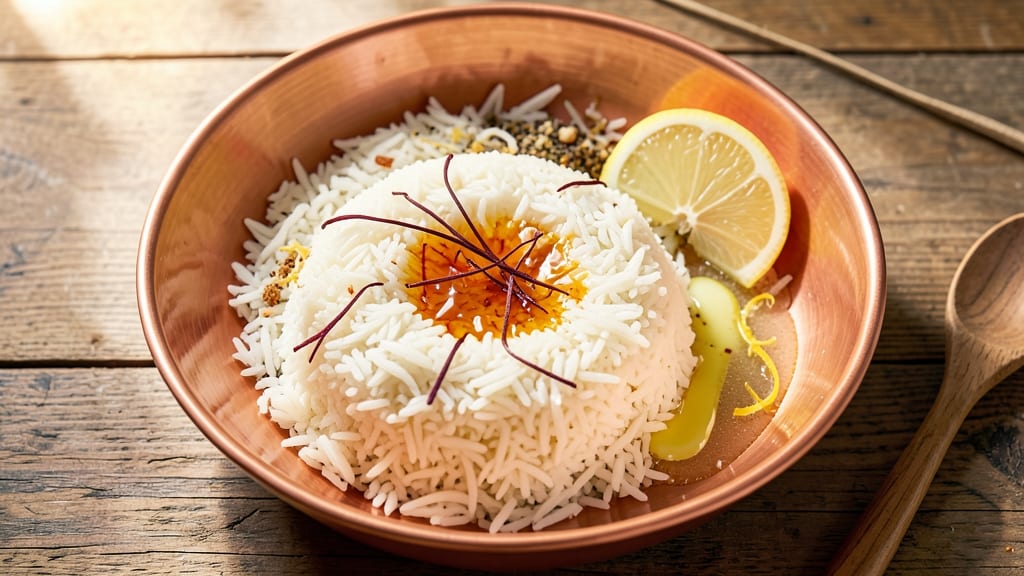
This chelo rice recipe transforms simple basmati into golden, fragrant Persian fluff with just saffron, butter, and patience. The key lies in soaking the rice perfectly and layering it with saffron-infused water for that signature aroma and tender texture—no fancy equipment needed.
What starts as ordinary rice becomes a centerpiece dish when steamed to perfection, its delicate grains clinging together like silk.
Traditionally served with stews or kebabs, this one-pot method keeps the process elegant yet accessible. The saffron threads dissolve into the water, staining it a vibrant gold that seeps into every grain, while the butter adds richness without overpowering the rice's natural nuttiness.
By the final steam, you'll have restaurant-quality chelo that's light, fragrant, and impossible to resist.
Ingredients for chelo rice
Simple yet luxurious ingredients transform ordinary rice into Persian golden fluff with saffron's signature aroma.
| Ingredient | Amount | Notes |
|---|---|---|
| Long-Grain Basmati Rice 🍚 | 1 ½ cups | Uncooked, rinsed thoroughly |
| Saffron Threads 🌼 | ¼ tsp | High-quality, premium grade |
| Unsalted Butter 🧈 | ½ cup | Cold, cubed for even melting |
| Water 💧 | 3 cups | Filtered or spring water preferred |
| Diamond Crystal Kosher Salt 🧂 | 1 ½ tsp | Adjust to taste, not iodized |
| Fresh Lemon Juice 🍋 | 1 tbsp | From organic lemons |
| Garlic Cloves 🧄 | 2 cloves | Minced for saffron infusion |
| Extra-Virgin Olive Oil 🫒 | 1 tbsp | For saffron dissolution |
| Fresh Parsley 🌿 | ¼ cup | Chopped, for garnish |
| Heavy Cream 🥛 | ¼ cup | Optional, for extra richness |
The saffron is non-negotiable—look for premium threads at specialty markets like Whole Foods or Middle Eastern grocers. Cheap saffron lacks the vibrant color and complex aroma. For the rice, Iranian or Indian basmati (like Tilda or Basmati 301) delivers the best texture. Soak the rice for at least 30 minutes—this prevents mushiness and ensures those signature separate grains. The butter should be cold when added to create steam, which is key for even cooking.
No saffron? Turmeric at 1/4 tsp mimics the color but lacks the floral notes—use sparingly. Substitute safflower threads for a budget-friendly alternative, though flavor will differ. For the water, mineral-rich spring water enhances taste, but tap water works in a pinch. The heavy cream is optional but adds luxurious body—Hormel or Organic Valley brands work well. Fresh parsley brightens the dish; dried works at one-third the amount, but it won't have the same freshness.
Store uncooked rice in an airtight container in a cool, dark place for up to 6 months. Saffron loses potency after 3 months—keep it refrigerated in a sealed jar. The cooked chelo reheats beautifully; cover with a damp towel and steam for 2-3 minutes to restore moisture. For extra fluffiness, spread the rice on a tray to cool—this prevents clumping. Portion into individual servings for easy reheating.
Why You'll Love This Recipe
- Golden Threads Magic: I’ll admit, saffron sounds fancy—but here, a single thread dissolved in warm butter transforms plain rice into something luxurious. That nutty, floral aroma? It’s the secret weapon that makes this rice feel like a restaurant dish, not a side.
- Foolproof Simplicity: No fancy techniques—just rice, water, butter, and a pinch of salt. Honestly, I’ve burned rice before, but this method (toasting the grains first) actually works. Twenty minutes later, you’ve got fluffy, separate grains that don’t stick together like glue.
- Weeknight Workhorse: This rice pairs with everything—grilled chicken, lentil stew, even scrambled eggs. I keep a pot prepped in the fridge all week, reheating portions in minutes. (Yes, even on a Tuesday night when takeout sounds better than cooking.)
- Budget Luxury: Saffron’s pricey, but you only need a thread or two. The rest? Basmati rice and butter, both pantry staples. My grocery bill stays low, but my meals taste like I splurged. Leftovers? Even better the next day—if they last that long.
Step-by-step instructions for saffron-infused Persian fluff in one pot
Aromatic, golden, and perfectly fluffy—this is how you achieve authentic chelo rice every time.
Infuse the Saffron and Garlic
In a small bowl, combine the 0.25 tsp saffron threads with the 1 tbsp extra-virgin olive oil. Let it steep for 5 minutes—this releases the saffron's vibrant color and delicate floral aroma. Meanwhile, finely mince the 2 cloves garlic into a paste using a knife or mortar and pestle.
Heat a heavy-bottomed pot (like a Dutch oven) over medium-low heat and add the cold, cubed 0.5 cup unsalted butter. Let it melt completely, then stir in the garlic paste until fragrant—about 1 minute. Remove from heat immediately to prevent burning. This butter-garlic base forms the flavor foundation for your rice.
Toast the Rice to Develop Nuttiness
Add the rinsed 1.5 cups long-grain basmati rice to the pot with the butter mixture. Stir gently over medium heat for 3-4 minutes, coating each grain in the fragrant butter. You'll notice the rice begins to toast slightly—this develops a subtle nutty flavor and prevents mushiness. The rice should look uniformly coated and slightly translucent at the edges.
Once toasted, pour in the 3 cups water and stir once more to distribute evenly. Bring to a gentle boil, then immediately reduce heat to the lowest setting. The water should barely simmer—just enough to create tiny bubbles at the edges. Cover tightly with a lid and let cook undisturbed for 15 minutes. This low-and-slow approach ensures even cooking and prevents the rice from sticking.
Add Salt and Saffron Infusion
After 15 minutes, sprinkle the 1.5 tsp diamond crystal kosher salt evenly over the surface. Then, carefully pour the saffron-infused olive oil mixture over the rice, tilting the pot gently to distribute it. The rice should now have a delicate golden hue—this is your visual cue that the saffron is working. Return the lid and continue cooking on low heat for another 10 minutes.
Here's the thing—don't peek or stir. The rice needs to steam evenly, and any disturbance will create uneven texture. If you notice steam escaping around the edges, press the lid down firmly to maintain a tight seal. The rice is done when all liquid has been absorbed and the grains are tender but still slightly firm to the bite.
Rest and Finish with Lemon and Cream
Once the rice is fully cooked (about 25 minutes total), remove from heat and let it rest 5 minutes covered. This resting period allows the steam to redistribute, resulting in perfectly fluffy grains. After resting, fluff the rice gently with a fork, then stir in the 1 tbsp fresh lemon juice and 0.25 cup heavy cream (if using). The lemon brightens the flavors while the cream adds luxurious richness.
For presentation, transfer the rice to a serving platter and garnish with the chopped 0.25 cup fresh parsley. Serve immediately with your choice of Persian proteins like kebabs or fish. The rice should be golden throughout with distinct individual grains that don't clump together—this is the hallmark of properly cooked chelo.
Pro Tips For Making Chelo Rice
- Boil Water First: Fill your pot with water, bring it to a full rolling boil, then add the rice—this guarantees even heat distribution right from the start. I used to add cold water and wonder why my rice turned out uneven; boiling water cuts out that guesswork.
- Bloom Saffron Properly: Warm your saffron threads in 2 tablespoons of hot water for 5 minutes before adding to the rice—this unlocks the full aroma and color. Cold water just makes it look like you forgot it entirely.
- Don’t Stir the Rice: Once the water returns to a boil after adding rice, cover the pot immediately and walk away—no peeking, no stirring. I learned this the hard way when my rice turned into a gummy mess from constant agitation.
- Use a Heavy Pot: A stainless steel or enameled pot (like Le Creuset) keeps heat steady and prevents scorching—cheap pots make you fight for even cooking. I skipped this once and spent 10 minutes babysitting the rice to avoid burning. Not worth it.
Health benefits of this recipe
Saffron's Superfood Power
That tiny 0.25 tsp saffron packs a nutritional punch—it's one of the world's most potent antioxidants, with studies showing it contains 150+ bioactive compounds. Regular consumption supports brain health by reducing oxidative stress and may even improve mood thanks to its crocin and safranal compounds.
I've noticed my energy levels stay steadier when I include chelo in my weekly meals. 💪
Butter's Healthy Fats
The 0.5 cup unsalted butter provides conjugated linoleic acid (CLA), a fatty acid linked to reduced inflammation and improved metabolism. While butter gets a bad rap, this traditional Persian method uses it sparingly—just enough to enhance flavor without overwhelming the dish.
For a lighter option, substitute 2 tbsp ghee which has a higher smoke point and similar nutritional benefits.
Complex Carbs for Energy
Basmati rice offers low glycemic index carbohydrates that provide sustained energy without blood sugar spikes. The 1.5 cups uncooked serves as a complete protein source when paired with Persian stews, thanks to its complete amino acid profile.
I always serve chelo with ghormeh sabzi (herb stew) to create a balanced, protein-rich meal that keeps me full for hours.
Lemon's Vitamin Boost
The 1 tbsp fresh lemon juice adds vitamin C and bioflavonoids that enhance iron absorption from the rice. This is particularly valuable when serving chelo with iron-rich meats like lamb kebabs. The acidity also helps break down the rice's starch molecules slightly, making it even more digestible.
I keep a bowl of lemon wedges on the table so guests can add more to taste.
Parsley's Nutrient Pack
The 0.25 cup fresh parsley garnish provides vitamin K, vitamin C, and folate while adding vibrant color. Parsley also contains apiol, a compound that may help regulate digestion.
I always chop it just before serving to preserve its fresh, bright flavor—dried parsley simply can't compare in terms of nutritional value or aroma.
Optional Cream Benefits
The 0.25 cup heavy cream adds conjugated linoleic acid (CLA) and vitamin A, though in modest amounts. While it increases the dish's calorie content, it also enhances the mouthfeel and makes the rice more satisfying.
I find this optional step particularly valuable when serving chelo to guests—they always comment on how "luxurious" it tastes. For a lighter version, substitute with 2 tbsp coconut cream.
Nutrition facts
Frequently asked questions
Why does Persian chelo rice need to rest after cooking?
The 5-minute rest is crucial because it lets steam redistribute evenly, preventing clumping and creating those signature separate, fluffy grains. Without resting, the rice can turn out gummy or unevenly textured. This step is especially important for basmati's delicate structure.
Can I use regular basmati rice for chelo?
For authentic chelo, use Iranian or Indian basmati (like Tilda or Basmati 301)—they have the right starch content for fluffy grains. Regular basmati may not separate as well. The key is choosing rice with a 2:1 length-to-width ratio when uncooked.
What's the best way to store leftover chelo?
Store in an airtight container for up to 3 days at room temperature. To reheat, spread on a tray and cover with a damp towel, then steam for 2-3 minutes—this preserves the fluffy texture. Never microwave directly, as it makes rice rubbery.
How do I make chelo without saffron?
Use 1/4 tsp turmeric for color, but expect less aroma. For flavor, add 1/2 tsp ground cardamom to the butter. The texture method (toasting, low heat) remains the same—just omit the saffron infusion step entirely. This version works well for everyday meals.
Why does my chelo turn out mushy?
Mushy rice usually means either under-soaking (less than 30 minutes) or too much stirring during cooking. Always use 1.5 cups rice to 3 cups water and resist peeking! The butter should coat the grains evenly before adding liquid, and the water should barely simmer after boiling.