
Desserts
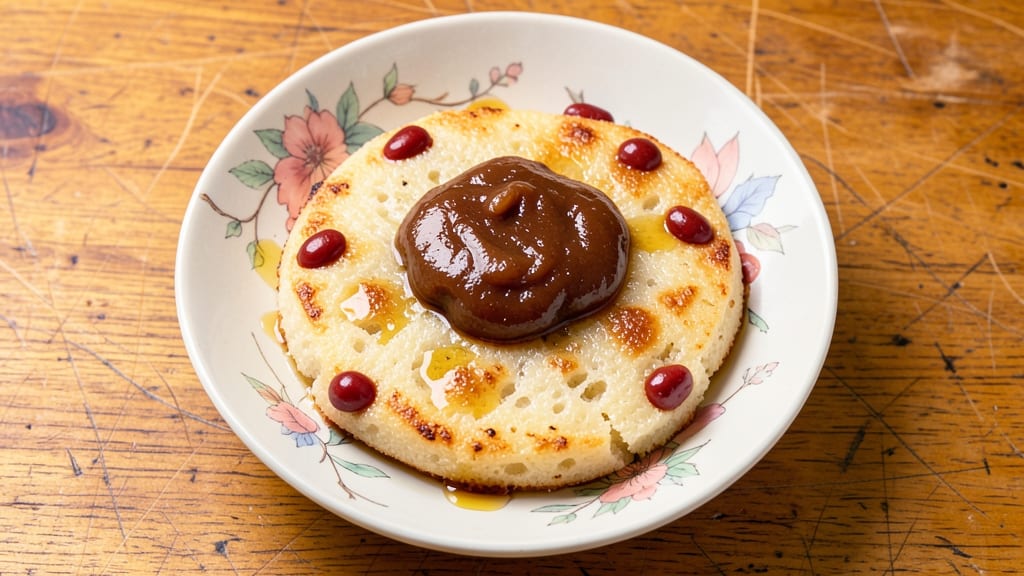
This Chinese steamed rice cake recipe transforms simple ingredients into layers of fragrant, chewy perfection—each bite carrying the essence of tradition and celebration. The secret lies in the delicate balance of glutinous rice flour and sugar, steamed to create a tender yet resilient texture that defies expectations.
I first discovered this recipe during Lunar New Year, when families gather to share these symbolic cakes that represent prosperity and growth.
The process begins with preparing the rice batter, which requires patience and precision to achieve the ideal consistency—neither too thick nor too thin. Once layered with sweet fillings like lotus paste or red bean, the cakes steam to golden perfection, releasing an aroma that fills the kitchen with warmth.
This method ensures a moist center and crisp edges, making every slice a testament to careful technique.
What makes these rice cakes truly special is their versatility—whether served as a sweet dessert or savory snack with soy sauce and chili. The recipe is naturally vegetarian and gluten-free when made with rice flour, offering a delicious option for those with dietary restrictions.
With just a few key ingredients and a simple steaming process, you can create a dish that feels both nostalgic and refined.
Perfect for holidays, family gatherings, or a special treat, these steamed rice cakes are a labor of love that rewards with every bite. The texture is chewy yet tender, the flavors rich and comforting, and the presentation elegant enough for any occasion. Let’s bring this timeless tradition to your table.
Ingredients for chinese steamed rice cake
Simple ingredients, traditional technique—just six core elements create these fragrant, chewy rice cakes.
| Ingredient | Amount | Notes |
|---|---|---|
| Glutinous Rice Flour 🍚 | 2 ½ cups | High-quality, fine-milled preferred |
| Granulated White Sugar 🍯 | 1 ½ cups | Fine grain for smooth texture |
| Water 💧 | 1 ½ cups | Room temperature preferred |
| Lotus Seed Paste 🌸 | 1 ½ cups | High-quality, smooth texture |
| Red Bean Paste 🌱 | 1 cup | Sweet, well-cooked variety |
| Vegetable Oil 🫒 | 2 tbsp | Light, neutral flavor preferred |
| Baking Soda 🧪 | ½ tsp | Fine grain for even distribution |
| Salt 🧂 | ¼ tsp | Fine sea salt preferred |
| Sesame Oil 🌿 | 1 tbsp | Toasted, for aroma |
| Rice Paper 📄 | 12 whole | Large, square sheets |
| Steamer Basket 🍜 | 1 whole | Bamboo or metal, 12-inch |
| Plastic Wrap 🎀 | 1 sheet | For sealing layers |
The glutinous rice flour is non-negotiable for that signature chewy texture. Bob’s Red Mill or Asian grocery brands like Golden Gate offer the finest quality—avoid pre-mixed batters with additives. For the lotus paste, look for brands like Lotus Foods or Sunrise in Asian markets, as they offer the smoothest, most flavorful versions. The red bean paste should be soft and spreadable; check the expiration date—freshness matters here. If you can’t find pre-made pastes, make your own by simmering beans with sugar until thickened. The rice paper sheets should be large enough to wrap each layer snugly—Vietnamese brands at Asian markets are ideal.
No lotus paste? Substitute with sweetened mashed banana or mango puree for a tropical twist. The red bean paste can be swapped for black sesame paste or sweet potato puree—just ensure it’s sweet enough to balance the rice batter. If you’re gluten-free beyond rice flour, double-check all paste ingredients for hidden wheat. The sesame oil is optional but adds that signature aroma; skip it if you prefer a neutral flavor. For the steamer, a bamboo basket is traditional, but a metal colander with a tight lid works in a pinch. If your rice paper wrinkles, lightly dampen it with water before wrapping.
These cakes keep beautifully for 5 days in the fridge, wrapped tightly in plastic. For longer storage, freeze them unwrapped for 2 months—thaw at room temperature before steaming. Reheat by steaming for 10-15 minutes until warm through. The texture improves with time, so leftovers are even better the next day. To serve, slice with a hot, dry knife for clean cuts. Pair with jasmine tea or strong black coffee to complement the sweetness.
Why You'll Love This Recipe
- No Batter, No Stress: I swear by this recipe because it’s that simple—just mix, steam, and enjoy. No fancy techniques, no waiting for dough to rise, just glutenous rice flour, sugar, and water that comes together faster than takeout.
- Sweet Chewy Magic: That perfect balance of sticky-sweet rice cake with pockets of lotus seed paste and red bean paste? It’s like biting into a cloud of comfort. Honestly, the first time I tried it, I immediately made a second batch.
- Lunchbox Hero: Pack these for work or school—they hold up for days without drying out. My kids actually choose these over sandwiches, and they’re way more exciting to eat. (Yes, even on a Tuesday.)
- Budget Win: A single batch costs less than a fancy dessert and feeds four. Between us, I’ve made these for birthdays, potlucks, and lazy Sundays—no one ever questions why they’re on the table.
Step-by-step instructions for Chinese steamed rice cake
Follow this method for perfectly layered rice cakes with fragrant lotus and red bean filling.
Prepare the Lotus Seed Paste Mixture
In a medium bowl, combine the 1.5 cups lotus seed paste with the 1.5 cups granulated white sugar. Using a spatula or fork, mix until the sugar dissolves completely and the paste becomes smooth and glossy. This step ensures even distribution of sweetness throughout your rice cakes.
Next, stir in the 1 tbsp sesame oil and 0.25 tsp salt. The sesame oil adds depth of flavor while balancing the sweetness. Mix well until fully incorporated. Here's the thing—this mixture should be thick but still spreadable. If it feels too stiff, add 1-2 tablespoons of the 1.5 cups water gradually until it reaches a smooth, paste-like consistency.
Create the Red Bean Paste Layer
In a separate small bowl, take the 1 cup red bean paste and fold in 1 tbsp vegetable oil. This prevents the filling from becoming too dry during steaming. The oil helps create a delicate texture that contrasts beautifully with the chewy rice cake exterior.
Spread the red bean mixture evenly onto one side of each of the 12 rice paper sheets, leaving about a ½-inch border around the edges. Don't worry about precision—this is about visual appeal rather than exact measurements. The filling should be thin enough to see through slightly when you hold it up to light.
Assemble the Rice Cake Layers
In a large mixing bowl, combine the 2.5 cups glutinous rice flour, 0.5 tsp baking soda, and remaining 1.5 cups water. Using a rubber spatula, mix until you achieve a smooth, thick batter that coats the back of the spoon. This batter should be like a thick pancake batter—if it's too runny, add a bit more flour; if too stiff, add a splash of water.
Carefully place one rice paper sheet with filling on a flat surface. Using a pastry brush, lightly coat the empty side with a thin layer of the rice flour batter. This creates a seal that prevents filling leakage during steaming. Then, add a thin layer of the remaining batter on top of the filling side.
Steam to Perfect Texture
Arrange all assembled rice cakes in the steamer basket, leaving about ½-inch space between each one. This ensures even steaming and prevents sticking. Cover with the plastic wrap, then place the steamer over a pot of boiling water. Maintain a gentle simmer for 45-50 minutes until the rice cakes are fully set and the edges are slightly translucent.
Here's where precision matters: the cakes should be firm to the touch but still slightly jiggly in the center when gently pressed. If they brown too quickly, adjust your steamer height to maintain even heat distribution. Remove from heat and let cool completely before serving—this resting period allows the layers to fully set and develop their signature texture.
Serve with Traditional Garnish
Once completely cooled, carefully peel back the plastic wrap and rice paper layers. The cakes should reveal a beautiful contrast of creamy lotus seed paste and red bean filling encased in a delicate, translucent rice cake exterior. For presentation, you can drizzle with a light syrup made from equal parts water and sugar, or serve with a dusting of powdered sugar.
Each slice should reveal the layered texture perfectly—chewy exterior with soft, fragrant fillings. The cakes keep well at room temperature for 2-3 days when properly wrapped, making them ideal for gift-giving or meal prep. Serve with tea for an authentic Chinese dessert experience.
Pro Tips For Making Chinese Steamed Rice Cake
- Steam at Full Boil: Don’t let the water simmer—keep it at a rolling boil the whole time. I learned this after my first batch turned out gummy; the rice cakes need that intense heat to cook evenly and develop that signature chewy texture. If your pot’s too small, add more water and adjust the steaming rack height.
- Chill the Batter: Let the glutinous rice flour batter rest in the fridge for at least 30 minutes before steaming. This prevents the sugar from caramelizing too fast and keeps the cakes from collapsing. I used to skip it, and the texture always came out uneven—now they’re perfectly dense.
- Pack Pastes Tightly: Press the lotus seed and red bean paste into the mold firmly—no gaps. I once rushed this and ended up with half-empty pockets after steaming. Use a spoon to tamp it down, then run a wet finger along the edges to seal. The pastes should stay put.
- Grease the Mold Well: Coat the steaming mold with oil and dust it with a little extra glutinous rice flour—this keeps the cakes from sticking like glue. I tried just oil once, and the first batch tore apart when unmolding. The flour creates a nonstick barrier that actually works.
Creative variations of chinese steamed rice cake
Sweet & Savory Fusion
Swap the traditional sweet fillings for a savory twist by mixing 1 cup finely chopped mushrooms with 1 tbsp soy sauce, 1 tsp sesame oil, and ½ tsp white pepper. Spread this mixture onto the rice paper before sealing with batter.
For extra richness, add 1 oz shredded pork belly (cooked and crisped) to the filling. Serve with a side of chili oil and sliced green onions for a bold, umami-packed bite. 🌶️
Tropical Fruit Twist
Replace the lotus paste with 1.5 cups mashed ripe mango mixed with 1 tbsp lime juice and 1 tsp grated ginger for a vibrant, tropical flavor. The red bean paste can stay as-is or be swapped for sweetened coconut puree.
Garnish with toasted coconut flakes before serving. This variation works beautifully with lychee tea or a cold glass of mango lassi.
Matcha Green Tea
Infuse the rice batter with 1 tbsp high-quality matcha powder mixed into the 1.5 cups water before combining with flour. The earthy notes of matcha pair perfectly with the sweet fillings.
For contrast, use white chocolate ganache instead of lotus paste—melt 8 oz white chocolate with ¼ cup heavy cream and spread it thinly. Dust the finished cakes with powdered sugar for a elegant, modern presentation.
Spiced Winter Spice
Add warmth to your rice cakes by mixing 1 tsp cinnamon, ½ tsp cardamom, and ¼ tsp clove into the lotus seed paste.
For the red bean layer, substitute with spiced apple butter (cook 2 cups apples with ½ cup brown sugar, 1 tsp cinnamon, and 1 tbsp butter until thick). Top with a sprinkle of crushed pistachios before serving. Pair with spiced chai tea for a cozy winter treat.
Chocolate Hazelnut
Create a decadent dessert version by replacing the lotus paste with 1.5 cups Nutella or homemade chocolate-hazelnut spread. For the red bean layer, use sweetened mashed banana mixed with 1 tbsp cocoa powder.
After steaming, drizzle with melted dark chocolate and crushed hazelnuts. This rich variation is perfect for chocolate lovers and pairs beautifully with espresso or dark chocolate-dipped strawberries. 🍫
Herbal & Citrus
Brighten your rice cakes with a zesty twist by adding 1 tbsp finely chopped lemongrass and 1 tsp grated lemon zest to the rice batter. For fillings, use 1 cup sweetened jackfruit puree (canned, drained, and mashed) and ½ cup candied ginger.
Garnish with thin lemon slices before serving. This refreshing variation works wonderfully with citrus-infused iced tea or a splash of gin for an adult twist.
Nutrition facts
Frequently asked questions
Why do traditional Chinese steamed rice cakes need to rest before slicing?
Resting allows the layers to fully set and develop their signature chewy-yet-tender texture. If you cut them too soon, the filling may leak and the exterior stays gummy. Let them cool completely (about 1-2 hours) before slicing with a hot, dry knife for clean cuts.
Can I make these rice cakes without a bamboo steamer?
Use a metal colander with a tight lid or even a lasagna pan filled with 1 inch of water on the bottom rack. The key is maintaining even steam—just ensure your cakes aren't touching the sides. Cover tightly with plastic wrap to trap moisture.
What's the difference between chewy and soft rice cakes?
The texture depends on the rice flour type and steaming time. Glutinous rice flour creates chewiness, while regular rice flour yields softer cakes. For extra chew, steam 5-10 minutes longer—but don't overdo it or they'll dry out. The ideal is firm edges with a slightly jiggly center.
How do I store leftover rice cakes?
Wrap tightly in plastic wrap and store at room temperature for 2-3 days. For longer storage, freeze unwrapped cakes for up to 2 months. Thaw at room temperature before reheating by steaming for 10-15 minutes. The texture actually improves with time!
Can I make these gluten-free?
Yes! Use 100% rice flour (no wheat) and ensure your fillings (like lotus paste) contain no gluten additives. Double-check labels—some pre-made pastes contain hidden wheat. The texture will be slightly lighter but still delicious.