
Main Courses
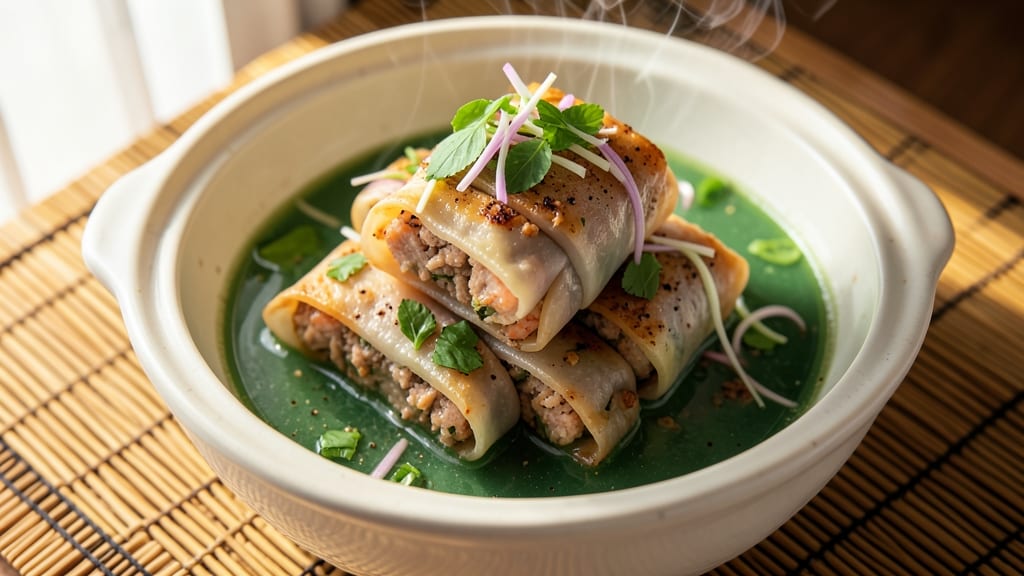
Mastering Chinese steamed rice noodle rolls transforms a simple meal into a restaurant-worthy dish with crispy edges and silky centers. The secret lies in the delicate balance of ingredients—tender shrimp or pork, fresh herbs, and a light rice noodle wrapper that steams to perfection.
I developed this recipe after years of perfecting the texture, ensuring every bite delivers that satisfying contrast between crispy exterior and tender filling.
What sets these rolls apart is the technique: a precise filling mixture that binds without being heavy, wrapped in just-moistened rice noodles to maintain structure during steaming.
The key to achieving crispy edges isn’t frying—it’s a quick sear in hot oil after steaming, which locks in that coveted texture while keeping the inside silky. This method elevates a weeknight dinner into something special without requiring advanced skills.
By the time you finish steaming, you’ll have golden-brown rolls with a fragrant aroma of ginger, garlic, and fresh herbs. The filling stays moist and flavorful, while the seared edges add a satisfying crunch.
Serve with a dipping sauce of sweet chili or tangy hoisin to complete the experience. This recipe delivers professional results with simple techniques—perfect for any occasion.
Whether you’re feeding a crowd or treating yourself, these rice noodle rolls are versatile enough to work as an appetizer or light main course. The beauty of this dish is its adaptability—swap proteins or herbs based on what you have on hand, and the technique remains foolproof.
Let’s get started on creating your own restaurant-quality rolls at home.
Ingredients for chinese steamed rice noodle rolls
Twelve delicate rice noodle sheets and a precise filling blend create restaurant-quality rolls with perfect texture contrast.
| Ingredient | Amount | Notes |
|---|---|---|
| Rice Noodle Sheets 🍜 | 12 pieces | Square, 8-inch, medium-thickness preferred |
| Ground Pork Shoulder 🐖 | 1 ½ lb | Finely ground, 80/20 fat ratio |
| Large Shrimp 🦐 | 1 ½ lb | Peeled, deveined, tails on |
| Fresh Thai Basil Leaves 🌿 | 1 ½ cups | Stems removed, finely chopped |
| Green Onions 🧅 | ½ cup | White and green parts, sliced |
| Garlic Cloves 🧄 | 8 cloves | Minced, aromatic |
| Fresh Ginger 🌿 | 2 tbsp | Finely grated, zesty |
| Fish Sauce 🍶 | 2 tbsp | Red Boat preferred |
| Soy Sauce 🥢 | 2 tbsp | Light, not dark |
| Sesame Oil 🫒 | 1 tbsp | Toasted, aromatic |
| Peanut Oil 🫒 | ½ cup | High smoke point for searing |
| Lime Juice 🍋 | 2 tbsp | Freshly squeezed |
| Diamond Crystal Kosher Salt 🧂 | ½ tsp | Fine grain for seasoning |
| Black Pepper 🌶️ | ¼ tsp | Freshly cracked |
| Cilantro Leaves 🌿 | ¼ cup | Optional, for garnish |
The rice noodle sheets are non-negotiable for texture—medium-thickness, 8-inch squares from brands like Vietnamese Kitchen or Mae Ploy ensure they hold structure during steaming. Look for packages labeled 'steamed rice noodles' rather than 'egg noodles'—the former has the right chewy yet tender quality. Fresh Thai basil elevates flavor beyond regular basil; Asian markets or the produce section of Whole Foods carry the best quality. For the protein, finely ground pork shoulder (80/20 fat ratio) yields the juiciest filling, while jumbo shrimp (16/20 count) maintains structural integrity when wrapped. Red Boat fish sauce is the gold standard here—its umami depth can't be replicated by generic brands.
No Thai basil? Cilantro or Italian parsley work in a pinch, though flavor will differ slightly. Substituting chicken thigh for pork works well—just ensure it's finely ground to mimic texture. Pre-minced garlic from jars lacks freshness, but if you must use it, reduce the amount by half to avoid overpowering. For the sesame oil, toasted varieties (like Kadoya) add nutty depth, while regular sesame oil provides a milder profile. Peanut oil is ideal for searing due to its high smoke point, but vegetable or canola oil suffice in a bind. Lime juice should be freshly squeezed—bottled versions lack the bright acidity needed to balance flavors.
Store uncooked rice noodle sheets in a cool, dry place for up to 6 months, but once opened, refrigerate and use within 2 weeks for optimal texture. Fresh herbs (basil, cilantro) should be wrapped in damp paper towels and stored in a resealable bag for 5 days—any longer and they'll lose their vibrant flavor. Prepped fillings can be refrigerated for 2 days or frozen for 1 month in airtight containers. Cooked rolls reheat beautifully—steam for 3-4 minutes to restore crispiness, or air-fry at 375°F for 2 minutes for a quick crunch.
Why You'll Love This Recipe
- No-Fuss Assembly: I swear by these rolls—just spread the filling, fold, and steam. No rolling pins, no stress, and the noodle sheets hold together better than I expected (even when I’m distracted).
- Umami Bomb: That combo of ground pork shoulder and shrimp? Rich, salty, and just sweet enough. The Thai basil and green onions hit like a fresh, herby punch—every bite tastes like a little flavor explosion.
- Lunchbox Hero: Between us, these are my go-to for packed lunches. They reheat beautifully (microwave or steamer) and keep their shape—no soggy sadness. My kids grab them before I even finish making them.
- Budget Win: Pork shoulder and shrimp stretch far here, and the noodle sheets are cheaper than fresh dumplings. Honestly, I make a double batch every time because leftovers reheat like they’re fresh, and my wallet thanks me.
Step-by-step instructions for Chinese steamed rice noodle rolls
Master the technique for achieving crispy edges while keeping the centers silky and flavorful.
Prepare the Filling for Maximum Flavor
In a large bowl, combine the 1.5 lb ground pork shoulder, 1.5 lb large shrimp, 8 cloves minced garlic cloves, 2 tbsp finely grated fresh ginger, 0.5 cup sliced green onions, 1.5 cups finely chopped fresh Thai basil leaves, 0.5 tsp Diamond Crystal kosher salt, and 0.25 tsp freshly cracked black pepper. Mix thoroughly with your hands to ensure even distribution of seasonings throughout the filling.
Real talk: The shrimp should be peeled and deveined but leave the tails intact for presentation. If your shrimp are particularly large, you may want to cut them into bite-sized pieces to ensure even cooking. This mixture forms the heart of your rolls, so take your time to distribute all the aromatics evenly.
Transfer the filling to a non-reactive bowl and set aside. Here's the thing—this mixture needs to come to room temperature before assembly. If it's chilled, the rolls will be difficult to handle and won't seal properly during steaming. Let it sit for 15-20 minutes while you prepare the noodle sheets.
Assemble the Rolls with Precision
Fill a large shallow dish with 0.5 cup peanut oil warmed to 120°F—this is your oil bath for creating those crispy edges. While the oil heats, carefully separate the 12 pieces rice noodle sheets and place them on a clean kitchen towel. The sheets should be stacked in a single layer to prevent sticking.
Working with one sheet at a time, place 1-2 tablespoons of filling near the bottom edge, about 1 inch from the edge. Fold the bottom edge over the filling, then tightly roll the sheet into a cylinder, pressing gently to seal. The key here is to keep the rolls compact—this ensures even steaming and prevents gaps where filling might escape.
Place each completed roll seam-side down in the warm peanut oil bath. This step is critical for achieving that signature crispy exterior. Let them soak for 1-2 minutes while you prepare the remaining rolls. The oil should be maintained at 120°F throughout—if it gets too hot, the noodles will cook prematurely and lose their texture.
Steam to Perfect Doneness
Prepare a steamer basket by lining it with a layer of green onion slices and cilantro leaves—this adds subtle flavor and presentation. Arrange the oiled rolls in a single layer, leaving ½ inch of space between each. The rolls should not touch each other during steaming to ensure even cooking.
Bring 2 cups of water to a gentle simmer in a wok or large pot, then place the steamer basket on top. Cover with a tight-fitting lid and steam over medium-high heat for 8-10 minutes. You'll know they're ready when the rice noodles are translucent and the filling reaches an internal temperature of 160°F—this ensures the pork is fully cooked while keeping the shrimp tender.
Here's where it gets fun: The residual heat from the oil bath combined with steaming creates that perfect contrast of crispy edges and silky centers. Don't be tempted to peek during steaming—each time you lift the lid, you release steam and extend cooking time. Patience is key for achieving that restaurant-quality texture.
Finish with Aromatic Touches
Remove the rolls from the steamer and transfer them to a serving platter. Drizzle each roll with 1 tbsp sesame oil and 1 tbsp lime juice, then sprinkle with additional cilantro leaves for freshness. The acidity from the lime brightens the flavors while the sesame oil adds depth.
For serving, arrange the rolls on a platter with the crispy edges facing outward. This presentation not only looks stunning but also ensures diners experience the full texture contrast with every bite. The rolls should be served immediately while the edges remain crisp and the filling stays warm.
This is the moment that matters: Each roll should deliver that satisfying crunch when you first bite into the crispy exterior, followed by the silky noodles and flavorful filling. The combination of pork and shrimp creates a rich, umami-packed center that pairs perfectly with the fresh herbs. Don't skip the lime juice—it ties all the flavors together and cuts through the richness of the pork.
Pro Tips For Making Chinese Steamed Rice Noodle Rolls
- Soak Noodles 10 Minutes: DESCRIPTION: I learned this the hard way—dry rice noodles are like brittle cardboard until they hit water. Soak them in warm (not boiling) water for exactly 10 minutes, then drain and pat very dry with paper towels. Wet noodles steam into sad, mushy rolls. Dry noodles hold their shape like they should.
- Shrimp Size Matters: DESCRIPTION: Skip the jumbo shrimp—you want 31/40 count, peeled but with tails on. They cook faster, stay plump, and look better when folded into the rolls. If using frozen, thaw them in cold water for 15 minutes first, or they’ll steam your rolls instead of searing.
- Steam on High Heat: DESCRIPTION: Low heat is the enemy here. Crank your steamer to full blast for the first 3 minutes—this seals the rolls so they don’t fall apart when you flip them. After that, drop to medium to finish cooking. I used to rush this, and my rolls would unravel like a bad sweater.
- Prep Pork in Batches: DESCRIPTION: Cook the ground pork in two thin layers instead of one thick one. It browns faster, stays juicier, and mixes better with the shrimp and aromatics. Overcrowding the pan steams the meat instead of searing it—trust me, you’ll taste the difference.
Regional styles of this recipe
Northern Chinese Style
In Northern China, these rice noodle rolls often feature pork as the star ingredient, combined with dried shrimp for added umami depth. I like using 2 tbsp of finely chopped dried shrimp (rehydrated in 1 tbsp soy sauce) mixed into the filling.
The texture becomes slightly firmer, perfect for hearty winter meals. Serve with a spicy chili oil drizzle instead of lime juice to balance the richness. 🌶️
Southern Chinese Fusion
Southern regions lean into seafood-forward fillings, often incorporating shrimp, squid, and scallops for a lighter profile. I swap the pork for 1 lb of chopped squid (cleaned and tenderized) plus 1 lb shrimp, then add 1 tbsp of grated palm sugar to the filling for subtle sweetness.
Garnish with pickled mustard greens for a tangy crunch that’s signature in Guangzhou-style dishes.
Vietnamese-Inspired Variation
Vietnamese-style rolls (called bánh cuốn) often use rice flour wrappers instead of wheat-based rice noodles, but the technique translates beautifully. I replace the pork with chicken liver pâté (mixed with 1 tbsp fish sauce and 1 tsp sugar) for a luxurious twist.
Add thinly sliced mung bean sprouts and shredded banana blossom to the filling for texture. Serve with a nuoc cham dipping sauce (fish sauce, lime, sugar, and water) for authenticity.
Cantonese Restaurant Twist
Cantonese chefs often include char siu (Chinese BBQ pork) in their rolls for smoky depth. I pre-cook 1 lb of char siu (store-bought or homemade) and finely chop it, then mix it into the filling with 1 tsp of five-spice powder.
The rolls steam with a splash of Shaoxing wine (about 1 tbsp) in the water to infuse aroma. Finish with crispy fried shallots on top for a restaurant-worthy touch.
Modern Asian Fusion
For a contemporary take, I experiment with Korean kimchi and gochujang—adding 2 tbsp of finely chopped kimchi and 1 tsp of gochujang to the filling for a spicy, fermented kick. The rolls steam with a pinch of gochugaru (Korean chili flakes) sprinkled on top.
Pair with a sesame-soy dipping sauce (mix 2 tbsp soy sauce, 1 tbsp sesame oil, and 1 tsp honey) for a bold flavor profile. 💫
Nutrition facts
Frequently asked questions
Can I use wheat-based wrappers instead of rice noodle sheets?
Rice noodle sheets are essential for authentic texture—they steam to a delicate, slightly chewy consistency that wheat wrappers can't replicate. If you must substitute, try spring roll wrappers (thin wheat) but expect a denser, less tender result. For a closer match, look for rice paper wrappers (used in summer rolls), though they require different handling techniques.
How do I prevent the filling from leaking during steaming?
Tightly sealing the rolls is key—press the edges firmly as you roll, and avoid overfilling. Use 1-2 tablespoons of filling per roll and keep the rolls compact. Chilling the filling for 15-20 minutes before assembly also helps ingredients bind better. If leaks occur, the oil bath step (soaking in warm peanut oil) may need adjustment—ensure the oil is at 120°F (not hotter) to avoid premature cooking.
Can I make these rolls ahead of time?
Assemble the rolls and refrigerate them unsteamed for up to 12 hours before cooking. For best results, steam them cold (add 2-3 extra minutes to cooking time) or reheat steamed rolls in a 375°F air fryer for 2 minutes to restore crispiness. Store cooked rolls in an airtight container for 2 days—reheat with a quick steam or microwave (covered with a damp towel) for 1 minute.
What’s the best way to reheat these rolls?
Steamed rolls reheat best with moist heat to prevent drying. Place them in a steamer basket for 3-4 minutes over simmering water, or use an air fryer at 375°F for 2 minutes for extra crispiness. Avoid microwaving—it makes the noodles gummy. For leftover filling, reheat in a nonstick pan with 1 tsp peanut oil over medium-low heat until warmed through.
Can I substitute shrimp with chicken or tofu?
Yes, but texture matters! For chicken, use finely ground thigh meat (80/20 fat ratio) to mimic shrimp’s tenderness. For tofu, drain and press extra-firm tofu for 20 minutes, then crumble it finely and pan-fry until crispy before mixing into the filling. Add 1 tsp soy sauce to the tofu mixture to boost umami. Avoid pre-cooked tofu—it absorbs too much moisture and dilutes flavors.