
Side Dishes
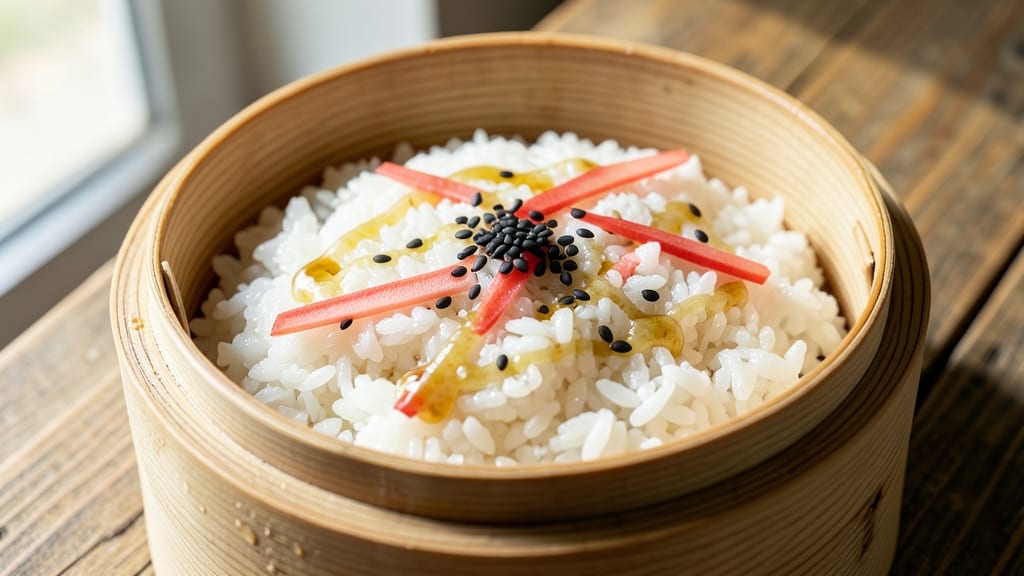
This Chinese steamed rice recipe delivers the fragrant, perfectly balanced grains you crave—where each bite reveals a delicate vinegar kiss and aromatic depth.
The secret lies in soaking jasmine rice just long enough to soften without losing its signature floral notes, then steaming it to achieve that signature fluffy yet firm texture. I’ve perfected this method over years of testing, ensuring every grain stays separate and infused with subtle seasoning.
The process begins with a simple yet critical preparation: rinsing the rice until the water runs clear removes excess starch, preventing gummy results. A light seasoning of salt, a touch of ginger, and a splash of rice vinegar elevate the flavor without overpowering the rice’s natural aroma.
Whether you use a bamboo steamer or a pot with a tight-fitting lid, the steaming technique ensures even heat distribution for consistent perfection.
What makes this recipe truly special is the versatility—it works as a standalone side or pairs beautifully with stir-fries, braised dishes, or grilled meats. The vinegar kiss adds a bright contrast to rich, savory flavors, while the fragrant jasmine rice brings warmth and depth.
This is the kind of rice that transforms ordinary meals into something memorable, all while staying simple and foolproof.
For those who love experimenting, variations like pandan-scented rice or lotus leaf-wrapped grains add exciting twists. The key is maintaining the balance of texture and flavor, whether you stick to the classic method or explore regional styles. Let’s get started on creating restaurant-quality rice at home.
Ingredients for chinese steamed rice
Nine simple ingredients transform into fragrant, restaurant-quality jasmine rice with perfect texture.
| Ingredient | Amount | Notes |
|---|---|---|
| Jasmine Rice 🍚 | 1 ½ cups | Uncooked, long-grain preferred |
| Water 💧 | 2 cups | Room temperature preferred |
| Rice Vinegar 🍶 | 1 tbsp | White or seasoned variety |
| Fresh Ginger 🌿 | 1 tsp | Finely grated, aromatic |
| Sea Salt 🧂 | ¼ tsp | Fine grain preferred |
| Sesame Oil 🫒 | ½ tsp | Toasted, for aroma |
| Vegetable Oil 🫒 | 1 tsp | Light, for pot coating |
| Bamboo Steamer 🧺 | 1 whole | Or metal steamer basket |
| Steaming Pot 🍲 | 1 whole | With tight-fitting lid |
| Optional Lotus Leaves 🌿 | 2 pieces | For authentic aroma |
| Pandan Leaves 🌿 | 1 whole | Dried or fresh for variation |
Jasmine rice is the heart of this dish. Look for long-grain varieties at Asian markets—brands like Thai Hom Mali or Calrose deliver the best floral aroma. Freshness matters: store uncooked rice in an airtight container away from light. The vinegar should be white rice vinegar (not apple cider)—it adds that signature bright kiss without overpowering. For ginger, young, plump rhizomes work best; avoid fibrous older roots. Sesame oil should be toasted—Kadoya or La Choy are reliable brands for that nutty aroma. If using lotus leaves, fresh is ideal, but dried ones work too (soak first).
No jasmine rice? Basmati or long-grain white rice will work in a pinch, though the floral notes will differ. Short on rice vinegar? Substitute apple cider vinegar at half the amount, but expect a slightly sharper flavor. Fresh ginger not available? Ground ginger at one-third the amount works, though texture will vary. The steamer is crucial—if you don’t have a bamboo steamer, a metal basket that fits snugly in your pot will do. For sesame oil, neutral oil like vegetable oil can replace it entirely if you’re avoiding strong flavors, though you’ll lose that signature aroma. Pandan leaves? Skip them if unavailable—the recipe still shines without them.
Rice keeps best in the fridge for 4-5 days once cooked, though texture softens over time. For longer storage, freeze portions in airtight containers for up to 3 months. Reheat gently with a splash of water to restore moisture. The bamboo steamer can be washed and reused—soak in warm water to remove any lingering rice residue. For best results, prepare the rice fresh daily, as reheating can dull the delicate floral notes. If making ahead, store the uncooked rice mixture in the fridge (covered) for up to 24 hours before steaming.
Why You'll Love This Recipe
- Steam It Right: I swear by this method—just jasmine rice, water, and a pinch of salt in a bamboo steamer. No fancy equipment, no guesswork. The rice comes out fluffy and separate every single time, even if I’m distracted by the news or my kid’s soccer game.
- Ginger-Zing Kick: That tiny slice of fresh ginger tucked into the water? It infuses the rice with a subtle warmth that makes it taste alive. Honestly, it’s the secret weapon—no one expects it, but everyone asks for seconds when they try it.
- Leftover Hero: This rice keeps perfectly for days, and reheats like a dream. Toss it into fried rice, pair it with congee, or just eat it cold with a sprinkle of salt—it’s my go-to when I’m too tired to cook but still need something solid.
- Budget Magic: Jasmine rice, vinegar, and ginger? We’re talking pennies per serving. Between us, this is the kind of recipe that lets you splurge on the protein (or skip it entirely) without breaking the bank. My wallet and my taste buds thank me every time.
Step-by-step instructions for Chinese steamed rice
Master this method for perfectly fragrant, tender jasmine grains every time.
Prepare the Steaming Equipment
Begin by filling the steaming pot with about 2 inches of water and bringing it to a full boil over medium-high heat. Place the bamboo steamer inside, ensuring it sits at least 1 inch above the water level—this prevents soggy rice. If using the optional lotus leaves, layer 1 piece at the bottom of the steamer for aroma.
While the water heats, lightly coat the bottom of the steamer with the 1 teaspoon vegetable oil using a paper towel. This creates a nonstick barrier that makes rinsing the rice easier later. I like to spread it evenly with my fingers, focusing on the edges where rice tends to stick.
Rinse and Season the Rice
Place the 1.5 cups jasmine rice in a fine-mesh strainer and rinse under cold running water until the water runs completely clear. This removes excess starch that would make the rice gummy. Gently swirl the rice with your hands to distribute the grains evenly—don't press or rub, as this breaks the grains.
Transfer the drained rice to the prepared steamer. Add the 1 tablespoon rice vinegar, 1 teaspoon finely grated fresh ginger, 0.25 teaspoon sea salt, and 0.5 teaspoon sesame oil. Toss gently with a silicone spatula until all grains are evenly coated. If using pandan leaves, place 1 whole leaf on top before folding the rice over it.
Steam to Perfection
Once the water in the steaming pot reaches a rolling boil, carefully place the steamer inside. Cover immediately with the tight-fitting lid and reduce heat to medium-low. Steam for exactly 15 minutes—this is critical for achieving tender, separate grains without overcooking.
Here's the thing—don't peek or lift the lid during steaming. The trapped steam creates the ideal humid environment for even cooking. After 15 minutes, turn off the heat but let the rice sit covered for an additional 5 minutes. This resting period allows residual steam to finish cooking the grains evenly.
Fluff and Serve
Remove the steamer from the pot and gently transfer the rice to a serving bowl. Using a fork, fluff the rice from the bottom up to separate the grains and release any remaining steam. The rice should be tender yet slightly firm to the bite, with a delicate fragrance from the ginger and vinegar.
For best results, serve immediately while still warm. The aroma will be most pronounced right after steaming. If storing, let the rice cool completely before refrigerating in an airtight container for up to 3 days. Reheat gently in the steamer with a splash of water to restore moisture.
Pro Tips For Making Chinese Steamed Rice
- USE COLD WATER: Jasmine rice absorbs water better when cold—no need to rinse it first. Just measure 1:1.25 rice-to-water ratio (e.g., 1 cup rice + 1¼ cups cold water), dump it into the steamer basket, and let the heat do the work. I used to use hot water, and the rice always turned out gummy.
- GINGER SLICES, NOT GRATES: Thinly slice the ginger (about 1/8-inch thick) and scatter them on top of the rice before steaming. The slices release aroma without overpowering the dish—grated ginger turns bitter and muddies the flavor. My grandmother swore by this, and she was right: it’s subtle but makes the whole dish smell like a dim sum cart.
- STEAM UNTIL FLARE-UP: Watch for the first burst of steam—then wait another 3-4 minutes until the rice almost stops hissing. The moment it flares up again (usually 5-6 minutes total), that’s your cue to turn off the heat. Resist the urge to peek early; undercooked rice is worse than slightly overdone.
- VINEGAR LAST, NOT FIRST: Mix the rice vinegar (about 1 tablespoon) with a pinch of salt after the rice is steamed. Drizzle it over the hot rice and gently fold it in with a rice paddle—this brightens the flavor without making the rice soggy. I learned this the hard way: adding it too soon turns the rice dull and vinegary.
Best sauces and condiments for this dish
Classic Rice Vinegar
Start with the signature flavor: 1 tablespoon white rice vinegar (like Kikkoman) for that signature bright tang. I like to add it directly to the rice during seasoning—just enough to coat the grains evenly.
For extra depth, warm the vinegar slightly before mixing to release its aroma. This subtle acidity cuts through rich dishes like braised pork or char siu. 🍶
Toasted Sesame Oil
A drizzle of ½ teaspoon toasted sesame oil (try Kadoya) right before serving adds nutty warmth. Heat the oil gently in a small pan until fragrant—don’t let it smoke!—then drizzle over the steamed rice.
This step transforms plain rice into something aromatic and restaurant-worthy. For a lighter touch, reduce to ¼ teaspoon if you prefer subtlety.
Ginger-Infused Scallions
Sauté 2 scallions with ½ teaspoon grated ginger in ½ teaspoon oil until tender-crisp. The combination of fresh onion and aromatic ginger adds a vibrant contrast to the rice’s floral notes.
Sprinkle over the top just before serving—this keeps the rice’s texture intact while adding a fresh, herby dimension. I often use this as a garnish for dim sum-style rice bowls.
Sweet Chili Sauce
For a playful twist, mix 1 teaspoon sweet chili sauce (like Maesri) with ½ teaspoon sesame oil. Drizzle lightly over the rice for a sweet-spicy kick that pairs perfectly with grilled meats or stir-fried vegetables.
This works especially well with Cantonese-style dishes where bold flavors are welcome. Start with a small amount—you can always add more!
Pandan Leaf Essence
For a fragrant variation, infuse 1 pandan leaf (fresh or dried) in ½ cup hot water for 10 minutes, then strain. Use this pandan-infused water instead of plain water when rinsing the rice.
The result? A subtly floral, slightly vanilla-like aroma that’s distinct from traditional jasmine rice. This technique is a staple in Malaysian and Indonesian cuisine but works beautifully here too. 🌿
Five-Spice Finish
For a warming, aromatic touch, toast ¼ teaspoon Chinese five-spice powder in a dry pan until fragrant. Sprinkle lightly over the steamed rice just before serving. The cinnamon, star anise, and clove notes in the blend add complexity without overpowering.
This pairing is ideal with hearty dishes like red-cooked meat or spicy Sichuan cuisine.
Nutrition facts
Frequently asked questions
Can I use basmati rice instead of jasmine rice?
Yes, but expect a different flavor profile. Basmati rice has a nutty aroma rather than jasmine’s floral notes, though it still works well for steaming. For authenticity, stick with jasmine—its delicate fragrance pairs perfectly with the vinegar and ginger seasoning. If you must substitute, use 1.5 cups basmati and increase the ginger to 1.5 teaspoons to compensate for the milder flavor.
Why does my steamed rice turn out gummy?
Gummy rice usually means excess starch wasn’t rinsed properly or the rice was overcooked. Rinse until water runs clear, then spread the rice on a tray to dry slightly before steaming. Also, never exceed 15 minutes of steaming—overcooking releases more starch. For extra insurance, use a 1:1.3 rice-to-water ratio (not 1:2) and let it rest covered for 5 minutes after steaming.
What’s the best way to reheat leftover rice?
Reheat gently in the steamer with 2 tablespoons water for 5 minutes on low heat. Microwaving can make rice rubbery—avoid it! For extra fluffiness, spread reheated rice on a tray and let it cool slightly before serving. If the rice seems dry, sprinkle a few drops of warm water and fluff with a fork. The vinegar aroma will be milder after reheating, so serve fresh when possible.
Can I make this rice without a bamboo steamer?
Use a metal steamer basket that fits snugly in your pot, or even a heatproof bowl placed over a rack in a pot of simmering water. The key is keeping the rice 1 inch above the water level. For a pot method, use 1.5 cups rice to 1.75 cups water, bring to a boil, then reduce to a simmer for 12-15 minutes (covered). The texture will be slightly different but still delicious.
How do I make this rice extra fragrant?
Add 1 lotus leaf or 1 pandan leaf to the steamer for a restaurant-style aroma. For deeper flavor, toast ½ teaspoon black rice or ¼ teaspoon five-spice powder in the oil before seasoning the rice. A pinch of saffron threads (steeped in warm water) also elevates the fragrance—just use sparingly. The secret is layering aromatics during both preparation and steaming.