
Desserts
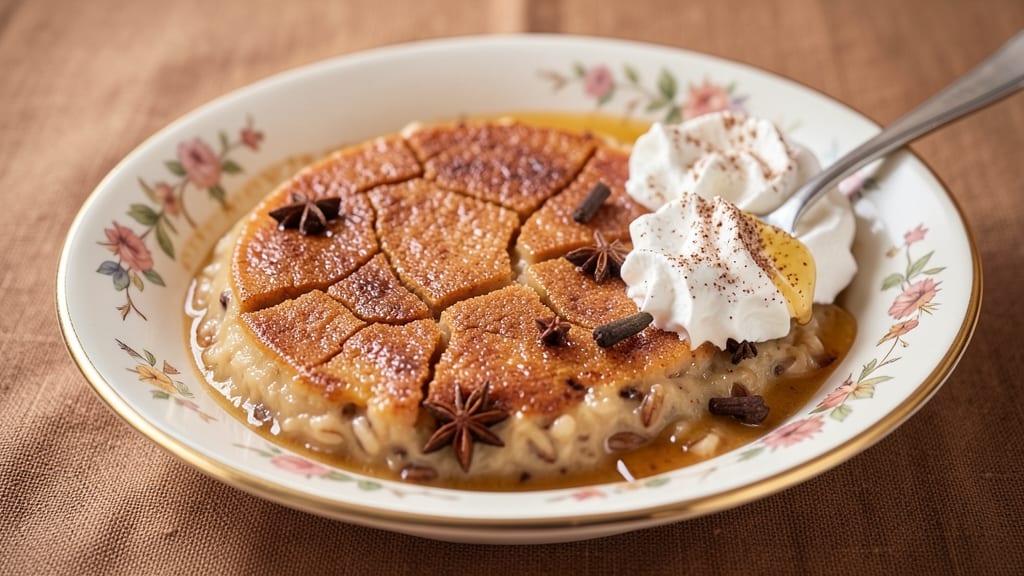
This Dominican rice pudding recipe brings the comforting warmth of Caribbean tradition to your kitchen with its signature cinnamon-spiced layers and toasted coconut crunch.
The aromatic blend of cinnamon, vanilla, and nutmeg creates a fragrant profile that's both nostalgic and deeply satisfying—a dessert that feels like a warm embrace after a long day.
I first discovered this version during a visit to Santo Domingo, where it was served as the perfect finale to family gatherings, its creamy texture balancing perfectly with the crunchy coconut topping.
The beauty of this recipe lies in its simplicity: just a handful of ingredients transform into something extraordinary with time and gentle heat. Long-grain rice simmers in sweetened milk until tender and creamy, while the spices infuse every bite with that unmistakable Dominican flavor.
The secret to achieving that authentic texture is patience—allowing the pudding to thicken slowly on the stove creates that perfect balance between creamy and firm, with just a hint of resistance when you cut into it.
What makes this pudding truly special is the contrast of textures: the velvety, spiced rice base pairs beautifully with toasted coconut flakes that add a delightful crunch. Each spoonful delivers warmth from the cinnamon, sweetness from the milk and sugar, and a satisfying bite from the coconut.
This dessert is equally at home as a comforting weeknight treat or a showstopper for special occasions—its rich flavors and comforting texture make it universally loved.
The best part? This recipe scales effortlessly, whether you're serving a crowd or just treating yourself. Once mastered, you'll find yourself reaching for the ingredients again and again—because nothing beats the satisfaction of creating a dessert that tastes like home.
Let's get started on making this Dominican classic your new favorite.
Ingredients for dominican rice pudding
Just twelve ingredients transform into this aromatic, cinnamon-spiced Dominican dessert.
| Ingredient | Amount | Notes |
|---|---|---|
| Long-Grain White Rice 🌾 | 1 cup | Uncooked, like jasmine or basmati |
| Whole Milk 🥛 | 4 cups | Full-fat for creamiest texture |
| Granulated White Sugar 🍚 | 1 cup | Adjust to taste for sweetness |
| Ground Cinnamon 🌿 | 1 ½ tbsp | High-quality, freshly ground |
| Ground Nutmeg 🍃 | ½ tsp | Freshly grated preferred |
| Pure Vanilla Extract 🍯 | 1 tbsp | Bourbon or Madagascar preferred |
| Unsalted Butter 🧈 | 4 tbsp | Cold, cubed for topping |
| Toasted Coconut Flakes 🥥 | ½ cup | Sweetened, lightly toasted |
| Salt 🧂 | ¼ tsp | Diamond Crystal kosher preferred |
| Heavy Cream 🥛 | ½ cup | For final richness |
| Lemon Zest 🍋 | 1 tbsp | Brightens the flavors |
| Raisins 🍇 | ¼ cup | Optional, for texture |
The rice is the heart of this pudding—long-grain white rice like jasmine or basmati gives that perfect creamy yet firm texture. Costco or Trader Joe's carry excellent bulk options, but any store's rice aisle will work. Look for whole milk with at least 3.25% fat for that luxurious creaminess. Diamond Crystal kosher salt is my go-to for even dissolving, but any fine sea salt works. The ground cinnamon and nutmeg should be freshly ground if possible—pre-ground spices lose their punch quickly. Penzeys or Spicewalla are great for high-quality spice blends, but the bulk bins at Whole Foods are a budget-friendly alternative. The vanilla extract should be pure, not imitation—Madagascar bourbon vanilla adds depth, but any good-quality extract works.
No coconut flakes? Toasted pecans or chopped walnuts add a similar crunch. Running low on raisins? Chopped dates or dried cranberries keep that chewy texture. The heavy cream can be swapped for half-and-half if you prefer a lighter texture, but trust me on the full-fat version for that restaurant-quality finish. Lemon zest is non-negotiable for brightness—freshly zested is best, but bottled zest works in a pinch. The butter should be cold when you add it at the end—this creates those beautiful, glossy swirls. If you're feeling adventurous, orange zest instead of lemon adds a Caribbean twist.
This pudding tastes even better the next day—let it sit overnight for flavors to meld completely. Store leftovers in an airtight container in the fridge for up to 5 days, though I find myself eating it all within 2 days. For a crowd, double the batch—it reheats beautifully. Portion into individual ramekins before serving to highlight that gorgeous coconut topping. Freezes for up to 3 months, though the texture gets slightly grainier after thawing. Garnish with extra coconut flakes right before serving for maximum crunch.
Why You'll Love This Recipe
- One-Pot Wonder: I swear by this recipe because it’s literally hands-off after the initial simmer. Just rice, milk, sugar, and a pinch of cinnamon—no fancy layers, no constant stirring. The rice soaks up all that creamy milk while the spices melt into something warm and inviting. Honestly, I’ve made it while scrolling through my phone.
- Spiced to Perfection: That first bite? Chef’s kiss. The nutmeg and cinnamon don’t just sit in the background—they bloom into this cozy, almost caramelized depth as the pudding thickens. It’s sweet but not cloying, rich but not heavy, and the texture? Silky with just enough bite from the rice. My husband still asks for seconds even when he’s “full.”
- Crowd-Pleaser Always: This is the dessert that everyone loves—kids, grandparents, picky eaters. Serve it warm with a sprinkle of cinnamon for breakfast, or chill it overnight for a creamy, no-bake treat. I’ve taken it to potlucks, holiday gatherings, and even packed it in my lunchbox (yes, really). It’s that universally adored.
- Budget Magic: Whole milk and white rice? Check. Sugar and spices? Check. This recipe costs me pennies per serving but tastes like a fancy bakery’s specialty. Plus, it keeps for days—I’ve had leftovers for a week, and it only gets better as the flavors meld. Between us, it’s my go-to when I’m broke or lazy (or both).
Step-by-step instructions for Dominican rice pudding
Here's how to create this velvety, spiced dessert with layers of coconut crunch and citrus brightness.
Toast the Rice for Deep Flavor
Heat a heavy-bottomed pot over medium heat and add the 1 cup long-grain white rice. Toast the rice for 3-4 minutes, stirring constantly, until it turns a pale golden color and releases a nutty aroma. This step develops the rice's natural flavors and prevents a starchy texture in the final pudding.
Real talk: Don't rush this step. You'll know it's ready when the rice stops popping in the pan and smells toasty. Immediately add the 4 cups whole milk and bring the mixture to a gentle boil. Here's the thing—boiling vigorously can cause the milk to curdle, so maintain medium heat until bubbles form around the edges.
Simmer with Spices Until Creamy
Once boiling, reduce heat to low, cover the pot, and let it simmer for 30 minutes. This long, slow cook time allows the rice to absorb the milk completely and develop that signature creamy consistency. Stir occasionally to prevent sticking, especially during the first 10 minutes when the rice is most prone to clumping.
After 30 minutes, stir in the 1 cup granulated white sugar, 1.5 tablespoons ground cinnamon, 0.5 teaspoon ground nutmeg, and 1 tablespoon lemon zest. The sugar will dissolve completely as the mixture continues to simmer. I like to press the lemon zest against the spoon to extract maximum flavor before adding it to the pot. Simmer uncovered for another 15-20 minutes until the mixture thickens noticeably and coats the back of a spoon.
Finish with Cream and Vanilla
Remove the pot from heat and stir in the 0.5 cup heavy cream and 1 tablespoon pure vanilla extract. The cream adds luxurious richness while the vanilla ties all the warm spices together. Let the mixture cool slightly for 5 minutes—this prevents the raisins from releasing too much liquid and making the pudding watery.
Fold in the 0.25 cup raisins and 0.5 cup toasted coconut flakes using a silicone spatula. You want to distribute them evenly throughout the pudding. Here's where it gets fun: Taste and adjust sweetness if needed. Some coconut flakes can be quite sweet, so you might not need all of the sugar, especially if you're using sweetened flakes. The pudding should be sweet but not cloying, with the spices shining through.
Chill and Serve with Butter
Transfer the pudding to a serving dish and let it cool to room temperature, then refrigerate for at least 4 hours or overnight. This chilling time is crucial—it allows all the flavors to meld together and creates that perfect creamy texture. The pudding should be thick but still spoonable when chilled.
Before serving, top each portion with 4 tablespoons cold unsalted butter, cubed. The butter adds a luxurious contrast to the warm, spiced pudding. I like to serve it in small bowls with a dusting of extra cinnamon. The texture should be velvety with pockets of coconut crunch and chewy raisins in every bite, balanced by the bright citrus notes from the lemon zest.
Pro Tips For Making Dominican Rice Pudding
- Rinse Rice Twice: Skip the one quick rinse—Dominican rice pudding relies on that starchy cling, so give your long-grain rice two thorough cold-water rinses. After the first, swirl it around with your hand and drain. The second rinse removes excess starch without stripping it completely, so the pudding stays creamy but not gluey. (I learned this after my first batch turned into a single, sad lump.)
- Simmer Low and Slow: After the initial boil, drop the heat to the lowest setting you can tolerate—think "barely there" bubbles. Too much heat turns the milk into scrambled eggs, and the rice turns mushy. I used to rush it, but now I set a timer for 45 minutes and let it do its thing. The longer it simmers gently, the more the flavors meld and the rice absorbs the milk without falling apart.
- Toast the Spices First: Bloom your cinnamon and nutmeg in the milk for 2 minutes before adding the rice—just enough to wake up their flavors. I used to toss them in dry, and the dish always tasted flat. A quick stir with a spoon over medium heat makes a real difference. (Yes, even if you’re impatient like me.)
- Sweeten Gradually: Add half the sugar with the rice, then taste and adjust after 30 minutes of cooking. Dominican rice pudding shouldn’t be cloyingly sweet—it’s about balance. If it needs more, sprinkle in the rest and let it dissolve slowly. Dumping all the sugar at once can make the pudding taste one-note. Trust your palate; it’s the only way to get it just right.
Essential equipment for this recipe
Heavy-Bottomed Pot
This is your most important tool for making Dominican rice pudding. A 5-6 quart enameled cast iron Dutch oven like the Le Creuset Signature or All-Clad Stainless Steel handles the long simmer beautifully without scorching. The thick base distributes heat evenly, preventing hot spots that can burn the rice.
I've used my Lodge 5.5-quart Dutch oven for years—it's affordable and built to last. If you don't have one, a heavy stainless steel saucepan with a lid will work, but monitor the heat more carefully. 🔥
Wooden Spoon
A long-handled wooden spoon (about 12 inches) is essential for stirring without scratching your pot. I recommend Oxo Good Grips or Lodge's wooden spoons—they're heat-resistant and won't warp. Wood distributes heat better than metal and prevents the pudding from sticking during the long simmer.
Avoid plastic spoons as they can melt at high temperatures. Keep one dedicated to spiced desserts to prevent flavor cross-contamination.
Fine-Mesh Strainer
For freshly toasted coconut flakes, a fine-mesh strainer helps drain excess oil after toasting. I use a Microplane grater for lemon zest and a stainless steel mesh strainer from OXO for the coconut.
Toasting coconut in a dry skillet over medium-low heat for 3-4 minutes until golden brings out its nutty flavor. The strainer catches any burnt bits while letting the flakes cool slightly before adding to the pudding.
Instant-Read Thermometer
While not mandatory, an instant-read thermometer like the Thermoworks ThermoPop helps ensure your milk reaches the perfect simmering temperature of 190-200°F before reducing heat. This prevents curdling and ensures even cooking.
I check the temperature after the initial boil and again after simmering to confirm the pudding reaches 160°F—this is when it's ready for the spices. The 20-second reading time makes it perfect for busy cooks.
Silicone Spatula
A heat-resistant silicone spatula (like OXO Good Grips) is perfect for folding in delicate ingredients like raisins and coconut flakes at the end. The flexible edge helps scrape every bit of pudding from the pot without damaging your non-stick surface.
I also use it to press lemon zest against the spoon to extract maximum flavor before adding it to the pot. The silicone won't melt or warp, making it ideal for high-heat applications.
Ramekins or Bowls
For individual servings, small ceramic ramekins (about 4-6 ounces) or glass dessert bowls create an elegant presentation. I love Le Creuset stoneware ramekins for their heat retention, but any oven-safe dish works. Portion the pudding while warm for even chilling.
The butter topping melts beautifully when served warm, creating a luxurious contrast with the chilled pudding. For a crowd, use a large serving dish and let guests scoop portions.
Nutrition facts
Frequently asked questions
Can I make this Dominican rice pudding without coconut?
The coconut adds that signature Caribbean crunch, but you can easily substitute with toasted pecans, chopped walnuts, or even crushed graham crackers for a different texture. Just toast the nuts first to enhance their flavor and add them at the same time as the coconut flakes. The pudding will still be delicious—just with a different texture profile!
How do I prevent the pudding from getting too watery?
The key is patience! Simmer the rice and milk uncovered for the full 15-20 minutes after adding spices to let excess moisture evaporate. If it's still too thin, continue simmering uncovered for another 5 minutes. For extra insurance, stir in 1 extra tablespoon of cornstarch mixed with 2 tablespoons cold milk at the end and heat gently until thickened. The pudding will firm up beautifully when chilled.
What's the best way to reheat leftover pudding?
Reheat gently on the stovetop over low heat with a splash of milk or cream to restore creaminess. Stir frequently to prevent sticking. For individual portions, microwave for 30-45 seconds (covered) and stir well. The pudding is best enjoyed chilled or at room temperature, but reheating works well for a warm serving. Just avoid high heat—it can make the texture grainy.
Can I make this pudding dairy-free?
Replace the milk with full-fat coconut milk (canned for creaminess) and use dairy-free butter or coconut oil for the topping. For the heavy cream, try coconut cream or a dairy-free alternative. The flavor will still be rich and spiced, though the texture will be slightly lighter. The coconut flakes will add natural sweetness that balances the spices beautifully.
Why does my pudding taste bland compared to what I've had in restaurants?
Restaurant versions often use freshly grated nutmeg and cinnamon plus a touch of orange zest instead of lemon. Try adding ½ teaspoon orange zest along with the lemon zest, and consider toasting the spices lightly in the pot for 30 seconds before adding milk to deepen their flavor. Also, let the pudding sit overnight—flavors develop more fully during chilling.