
Main Courses
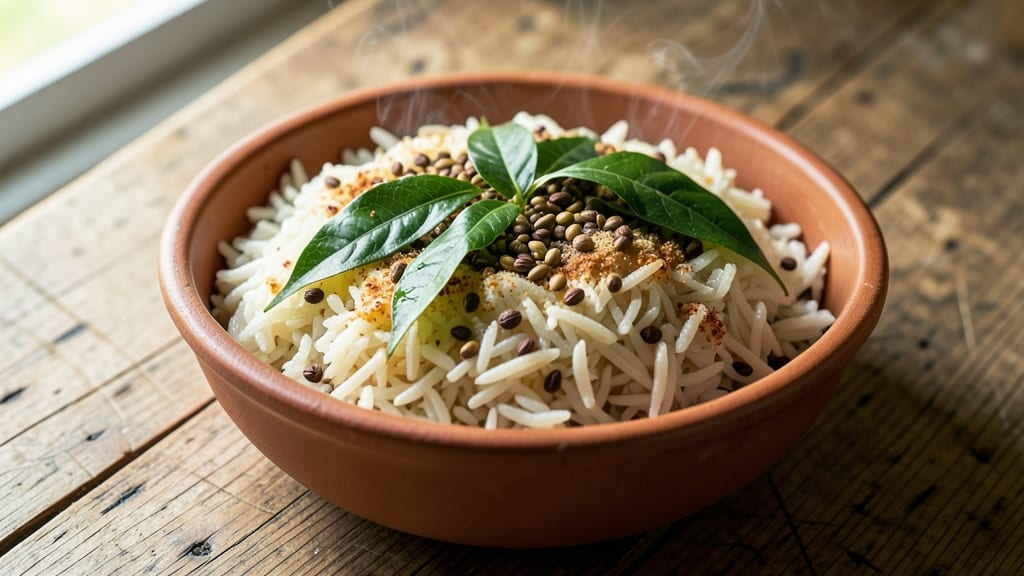
This fenugreek rice recipe transforms simple grains into a fragrant, spiced centerpiece that balances earthy depth with toasted cumin crunch. The key lies in tempering whole spices—cumin, mustard seeds, and fenugreek seeds—until they release their aromatic oils, creating a flavor base that clings to every grain.
I developed this method after years of experimenting with traditional South Indian techniques, refining the process to deliver restaurant-quality results at home without shortcuts.
The dish begins with basmati rice soaked to perfection, then simmered with a blend of fenugreek seeds, curry leaves, and warm spices that develop into a nutty, slightly bitter complexity. Toasted cumin seeds add a satisfying crunch that contrasts beautifully with the tender rice.
What makes this recipe stand out is the balance—fenugreek’s earthy notes aren’t overpowering, but they elevate the dish into something truly special.
By the time you serve this, you’ll have a fragrant, golden-hued rice dish with layers of flavor in every bite. The toasted cumin seeds provide texture, while the fenugreek seeds infuse a subtle bitterness that deepens with each mouthful.
This isn’t just a side dish—it’s a complete meal that pairs perfectly with yogurt, raita, or a simple vegetable curry.
Whether you’re preparing for a family gathering or a quiet weeknight dinner, this recipe delivers professional results with minimal effort. The technique is straightforward, but the flavor payoff is extraordinary. Let’s get started on creating this aromatic, spiced rice masterpiece.
Ingredients for fenugreek rice
Transform simple basmati rice into aromatic, spiced grains with earthy fenugreek and toasted cumin crunch.
| Ingredient | Amount | Notes |
|---|---|---|
| Basmati Rice 🍚 | 1 ½ cups | Uncooked, long-grain preferred |
| Fenugreek Seeds 🌿 | 1 ½ tbsp | Whole seeds, lightly toasted |
| Cumin Seeds 🌶️ | 1 tbsp | Whole seeds, toasted until fragrant |
| Mustard Seeds 🌱 | ½ tbsp | Whole seeds, yellow preferred |
| Curry Leaves 🌿 | 1 tbsp | Fresh, dried if unavailable |
| Asafoetida Powder 🌶️ | ¼ tsp | Optional, enhances umami depth |
| Turmeric Powder 🧅 | ¼ tsp | Freshly ground preferred |
| Ghee or Vegetable Oil 🫒 | ½ cup | Ghee adds nutty richness |
| Water 💧 | 3 cups | Filtered or spring water |
| Salt 🧂 | 1 tsp | Diamond Crystal preferred |
| Black Peppercorns 🌶️ | ¼ tsp | Crushed, freshly ground |
| Fresh Cilantro Leaves 🌿 | ¼ cup | Chopped, for garnish |
| Lemon Wedges 🍋 | 2 whole | For serving, fresh preferred |
The spices are the heart of this dish, so source them thoughtfully. Whole fenugreek and cumin seeds from a reputable Indian grocery store like Patel Brothers or local bulk bins deliver superior flavor—pre-ground spices lose their aromatic punch quickly. Look for seeds with vibrant color and no signs of moisture or insect damage. Curry leaves should be fresh and fragrant; if using dried, opt for Madras brand from specialty stores. The ghee matters too—Kerala brand or high-quality vegetable oil like Avocado oil ensures a clean, nutty base that doesn’t overpower the spices.
No fenugreek seeds? Methi powder at half the amount works, though texture differs. Substitute cumin seeds with ground cumin at one-third the quantity, but toast it first for depth. Curry leaves unavailable? Dried thyme at one-quarter the amount mimics their earthy profile. For asafoetida, garlic powder at one-eighth the quantity adds umami. The rice must be soaked for at least 20 minutes—this ensures even cooking and prevents mushiness. Use basmati from Pakistan for the best texture; Indian basmati often contains broken grains.
Store cooked rice in an airtight container in the refrigerator for up to 5 days, though flavor peaks within the first two days. For longer storage, freeze portions in single-serving containers for up to 3 months. Reheat gently with a splash of water to restore moisture. The spices can be pre-toasted and stored in a dark glass jar for up to 6 months—just be sure to cool them completely before sealing. Garnish with fresh cilantro and lemon wedges just before serving to preserve their vibrant qualities.
Why You'll Love This Recipe
- One-Pot Magic: I swear by this—just toast the seeds, add rice, and let it simmer. No separate pans, no extra bowls, and honestly? That’s my kind of cooking.
- Earthy, Toasty Goodness: The fenugreek seeds give it this deep, nutty warmth, while the mustard and cumin pop like little flavor fireworks. (Yes, even on a Tuesday night.)
- Lunchbox Hero: Pack it cold or reheat it—this rice stays fluffy and delicious for days. My kids grab it for school lunches, and I sneak seconds at work.
- Pocketbook Victory: Basmati rice and whole spices are cheap, but they feel fancy. Here’s what sold me: a full meal for under $3, and it tastes like a restaurant’s side dish.
Step-by-step instructions for earthy spiced fenugreek rice
This method delivers perfectly balanced grains with aromatic spices and nutty depth.
Toast the Spice Blend for Maximum Flavor
Heat a dry skillet over medium heat and add the 0.5 cup ghee or vegetable oil. Once the oil shimmers but doesn't smoke, add the 1.5 tablespoons fenugreek seeds, 1 tablespoon cumin seeds, and 0.5 tablespoon mustard seeds. Toast for 2-3 minutes until the seeds dance and release their aroma—you'll smell an earthy, nutty fragrance that signals they're ready.
Immediately add the 1 tablespoon curry leaves and 0.25 teaspoon asafoetida powder, stirring constantly for 30 seconds. The curry leaves should darken slightly while the asafoetida dissolves into the oil, creating a complex aromatic base. Remove from heat and transfer the spiced oil to a bowl, leaving the seeds in the pan for now.
Sauté the Rice in Spiced Oil
Return the skillet to medium heat and add the 1.5 cups basmati rice. Stir continuously for 3-4 minutes until the grains become translucent at the edges and develop a slight sheen. This step is crucial—it prevents the rice from sticking and ensures each grain absorbs the spice oil evenly.
Add the 0.25 teaspoon turmeric powder and 0.25 teaspoon crushed black peppercorns, stirring for 30 seconds until the turmeric dissolves completely and the peppercorns release their aroma. The rice should now carry a vibrant yellow hue and a subtle peppery warmth. Remove from heat and transfer to a large pot.
Cook the Rice to Perfect Texture
Pour the 3 cups water and 1 teaspoon salt over the spiced rice in the pot. Bring to a rolling boil over high heat, then immediately reduce to low heat. Cover tightly with a lid and cook for 15 minutes without disturbing. The rice should absorb all the water and steam gently—this is when the fenugreek's earthy notes develop fully.
After 15 minutes, turn off the heat but leave the rice covered. Let it sit for 10 minutes to finish steaming. The grains should be tender with a slight bite at the center, and the aroma should be rich with fenugreek's distinctive sweetness. Fluff gently with a fork to separate the grains.
Finish with Fresh Herbs and Lemon
Transfer the cooked rice to a serving dish and stir in the 0.25 cup chopped fresh cilantro leaves. The bright herb notes cut through the earthy spices, balancing the dish. Serve immediately with the 2 whole lemon wedges on the side for a tangy contrast.
Here's the thing—this rice tastes best when served fresh while the spices are still vibrant. The lemon wedges aren't just for garnish; their acidity enhances the fenugreek's natural sweetness. Each bite should deliver a harmonious blend of nutty cumin, earthy fenugreek, and citrus brightness.
Pro Tips For Making Fenugreek Rice
- TOAST THE SEEDS: DESCRIPTION: Crank the heat to medium-high and dry-toast the mustard, cumin, and fenugreek seeds together for 30 seconds before adding anything else. I used to add them to the oil too early and ended up with bitter, underdeveloped flavors—this step unlocks their aroma.
- PRE-SOAK THE FENUGREEK: DESCRIPTION: Crush the fenugreek seeds lightly (not into powder) and soak them in warm water for 5 minutes before adding to the rice. This softens their bitterness and makes the flavor more balanced—trust me, your taste buds will notice.
- SKIP THE OVERCROWDING: DESCRIPTION: Use a heavy-bottomed pot and keep the rice quantity to 1:1.5 rice-to-water ratio. Packing it in too tightly leads to uneven cooking and mushy grains—this isn’t risotto, give it space to breathe.
- FINISH WITH CURRY LEAVES: DESCRIPTION: Add the curry leaves only in the last 2 minutes of cooking, right after the water has reduced but before the rice is fully done. This keeps their delicate flavor intact—burn them, and you’ll taste regret.
Regional styles of fenugreek rice
South Indian Style
In Tamil Nadu and Kerala, this dish is called methi rice and often includes ginger and garlic sautéed with the spices. The key difference? They use short-grain rice like ponni for a stickier texture, and finish with mustard oil instead of ghee.
I’ve adapted this by adding 1-inch ginger julienne and 2 garlic cloves minced into the spiced oil before toasting the seeds. The result is a richer, more complex flavor profile with a slight tang from the mustard oil. 🌶️
Pakistani Methi Pulao
Pakistani methi pulao takes fenugreek rice to another level by incorporating whole spices like cardamom and cloves into the tempering process. Start by adding 2 green cardamom pods and 1 bay leaf with the mustard seeds, then proceed with the rest of the spices.
The dish also often includes dried plums or apricots for a sweet-savory contrast. I recommend using ½ cup dried apricots chopped into the rice during the final 5 minutes of cooking. 🍑
Bengali Methi Bhog
Bengali cuisine transforms fenugreek rice into methi bhog, where the rice is cooked in lightly spiced milk rather than water. Replace the 3 cups water with 2 cups milk and 1 cup water, then add ½ teaspoon saffron strands steeped in 2 tablespoons warm milk before mixing.
The result is a creamy, fragrant rice with a delicate floral note. Garnish with fried onions for extra crunch. 💛
Modern Fusion Twist
For a contemporary take, try a fenugreek rice bowl inspired by modern Indian-American cuisine. After cooking the rice, mix in ½ cup cooked quinoa and ¼ cup toasted cashews for texture.
Top with avocado slices, pickled onions, and a drizzle of tahini-lemon dressing (2 tbsp tahini + 1 tbsp lemon juice + 1 tsp maple syrup). This fusion keeps the earthy fenugreek flavors while adding fresh, vibrant elements. 🌱
North Indian Masala Rice
In Punjab and Uttar Pradesh, fenugreek rice often includes garam masala and kasuri methi (dried fenugreek leaves) for a deeper flavor. After toasting the seeds, add ½ teaspoon garam masala and 1 teaspoon chopped kasuri methi to the rice during the sautéing step.
The dried leaves add a unique herbal note that complements the fresh fenugreek seeds beautifully. 🌿
Lemon-Garlic Fenugreek Rice
This zesty variation is popular in coastal regions of South India. After cooking the rice, stir in 2 tbsp lemon juice and 3 minced garlic cloves during the final 2 minutes of cooking.
Finish with 1 tbsp chopped coriander and a pinch of red chili powder for a bright, tangy twist. The garlic and lemon cut through the earthiness of the fenugreek, making it refreshing and vibrant. 🍋
Nutrition facts
Frequently asked questions
Why does fenugreek rice taste bitter?
The earthy fenugreek seeds naturally have a mild bitterness that develops during toasting. The key is balancing it with sweet elements like dried apricots (in Pakistani versions) or bright lemon wedges. Toasting the seeds just until fragrant (not burnt) prevents overpowering bitterness while enhancing their nutty aroma.
Can I substitute fenugreek seeds with methi powder?
Yes, but the texture will differ. Use half the amount of methi powder (so 0.75 tbsp instead of 1.5 tbsp seeds) and toast it lightly in the oil for 30 seconds. The powder dissolves completely, so you’ll lose the satisfying crunch of whole seeds. For best results, combine it with toasted cumin seeds to maintain texture contrast.
How do I make this rice less spicy?
Reduce or omit the black peppercorns and asafoetida, which carry the most heat. For a milder profile, add 1 tsp sugar or 1 tbsp coconut milk during the final 5 minutes of cooking to balance the earthy flavors. The lemon wedges also help neutralize spice intensity when served.
What’s the best rice variety for this dish?
Basmati rice is ideal for its long grains and delicate texture, but you can also use jasmine rice or ponni rice (South Indian short-grain). Avoid instant rice—it lacks the starch needed to absorb the spiced oil properly. For extra fluffiness, rinse the rice 2-3 times before soaking to remove excess starch.
Can I prepare this dish ahead of time?
Yes! Cook the rice 1 day ahead and store it in an airtight container in the fridge. Reheat with 2 tbsp water per cup of rice, covered, over low heat for 5 minutes. The flavors deepen overnight, but add fresh cilantro and lemon wedges before serving to brighten the dish.