
Side Dishes
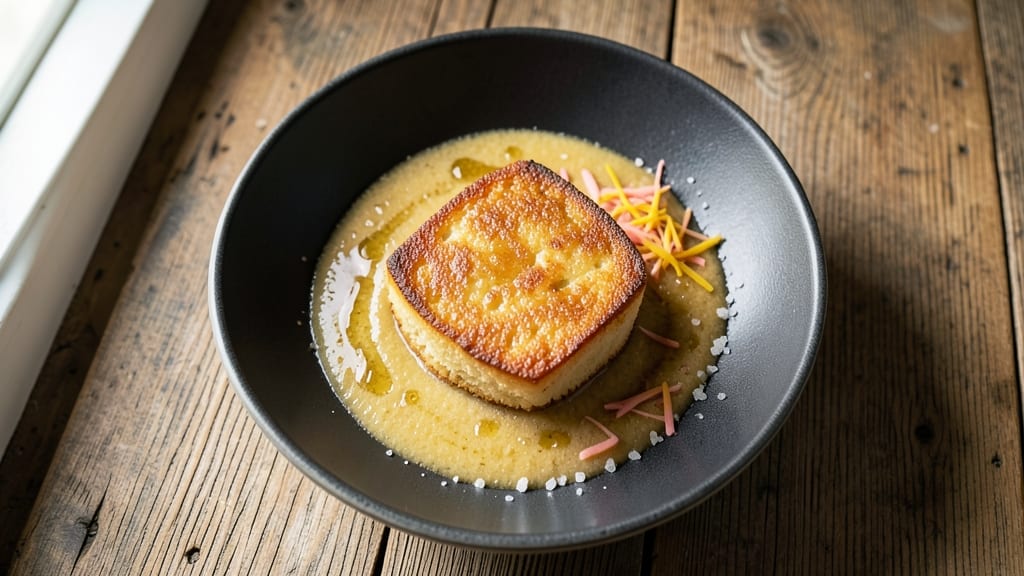
This fermented rice flour recipe transforms simple ingredients into a probiotic-rich, crispy crust that elevates dumplings to restaurant-quality. The fermentation process—where rice flour sits with water and a bit of sugar for 24 hours—creates a tangy, slightly sweet flavor and a texture that’s both crispy and tender.
I first discovered this technique while researching Korean jeon and Japanese mochi, and it became my go-to for adding depth to homemade dumplings.
The beauty of fermented rice flour lies in its simplicity and versatility. You only need three ingredients—rice flour, water, and a pinch of sugar—to create the base, which ferments naturally at room temperature.
Once fermented, the batter develops a subtle tang and a light, airy consistency that’s perfect for wrapping around fillings or frying into crispy shells. The probiotic benefits are an added bonus, making this a healthier alternative to traditional wheat-based wrappers.
By the time you’re done, you’ll have a golden, crispy crust that shatters slightly when bitten, revealing a soft, chewy interior. The fermentation also enhances the natural sweetness of the rice, balancing any savory fillings you choose.
Whether you’re making dumplings, fritters, or even crispy rice crackers, this technique ensures a texture and flavor that’s impossible to achieve with unfermented flour.
This recipe is vegetarian and gluten-free, making it accessible for a wide range of diets. The fermentation process takes patience, but the results are worth it—every bite delivers a perfect balance of crispiness and tenderness. Let’s get started on creating your own probiotic-packed crust!
Ingredients for fermented rice flour
Three core ingredients kickstart the fermentation magic for crispy, probiotic dumpling crusts.
| Ingredient | Amount | Notes |
|---|---|---|
| Rice Flour 🍚 | 2 cups | Glutinous or regular, fine grind |
| Water 💧 | 1 ½ cups | Room temperature preferred |
| Granulated Sugar 🍯 | 1 tbsp | White or raw cane sugar |
| Vegetable Oil 🫒 | ½ cup | For frying, high smoke point |
| Sea Salt 🧂 | ½ tsp | Fine grain preferred |
| Fresh Ginger 🧅 | 1 tbsp | Minced, for flavor variation |
| Green Onions 🧅 | 3 whole | Thinly sliced, for garnish |
| Sesame Oil 🫒 | 1 tbsp | Toasted, for finishing |
| White Mushrooms 🍄 | 1 lb | Sliced, for filling option |
| Cabbage 🥬 | ½ lb | Shredded, for filling option |
| Garlic Cloves 🧄 | 2 cloves | Minced, for filling option |
The rice flour is the star—Bob’s Red Mill or King Arthur brands work best for their fine grind. If you can't find glutinous rice flour, regular rice flour still works, though the texture will be slightly less tender. The sugar isn't just for sweetness; it kickstarts fermentation by feeding the natural yeasts in the flour. Trader Joe's carries both rice flour and organic sugar in bulk, making this a quick pantry run. For the best results, use freshly ground flour if possible—pre-ground can sometimes lose its fermentative properties over time.
No sugar? A pinch of honey or maple syrup works in a bind, though the fermentation will be slightly slower. Running short on mushrooms? Shiitake or oyster mushrooms add deeper umami flavor. The cabbage can be swapped for Napa cabbage or bok choy if you prefer milder greens. For the garlic, Asian garlic has a more complex flavor profile, but regular garlic works fine. Pro tip: Toast your sesame oil before using—heat it in a dry pan for 30 seconds until fragrant, then cool before adding to the batter.
This batter ferments best at 70-75°F—place it in a warm spot like on top of your fridge. It's ready when bubbly and slightly tangy, usually 18-24 hours. For storage, keep unused batter in an airtight container in the fridge for up to 3 days. The fried dumplings reheat beautifully—just pop them in a 350°F oven for 5-7 minutes to restore crispiness. Freeze extras on a tray before bagging for up to 3 months.
Why You'll Love This Recipe
- Pantry Magic: I swear by this recipe because it’s all from my pantry—no specialty trips, no last-minute shopping. Just rice flour, a splash of water, a pinch of sugar, and a little oil. Honestly, it’s the kind of simplicity that makes me feel like I’ve unlocked a secret.
- Tangy Twist: That fermented kick? It’s subtle but so satisfying—the sugar and salt balance the natural sourness like a perfect bite. I’ll be real: the first batch surprised me, but now I crave it. It’s like the umami version of your favorite snack.
- Meal Prep MVP: This stuff keeps for weeks in the fridge, so I make a big batch and use it in stir-fries, dumplings, or even as a crispy coating. Between us, it’s my go-to for lazy Sundays when I don’t want to think about cooking—just mix and go.
- Budget Win: Five ingredients, zero waste. I’ve made enough to feed my whole family for under $5, and the leftovers? Still taste fresh days later. Not the prettiest, but the taste makes up for it—and my wallet thanks me.
Step-by-step instructions for fermented rice flour crust
Transform ordinary rice flour into a probiotic-rich, golden crust with this precise fermentation method.
Create the Fermented Rice Flour Base
In a large mixing bowl, combine the 2 cups rice flour with the 1.5 cups water and 1 tablespoon granulated sugar. The sugar isn't just for sweetness—it kickstarts fermentation by feeding beneficial bacteria. Use a silicone spatula to break up any flour clumps until you achieve a smooth, thick batter consistency, similar to pancake batter.
Cover the bowl tightly with plastic wrap and let it sit at room temperature for 24 hours. You'll notice subtle changes: the batter will develop tiny bubbles along the surface and emit a faintly sweet, slightly tangy aroma. This indicates active fermentation. If your kitchen is cool, place the bowl in a slightly warm spot to encourage microbial activity. The longer it ferments (up to 48 hours), the more probiotic-rich and flavorful your crust will become.
Prepare the Flavorful Filling Components
While the batter ferments, prepare the filling ingredients. Finely mince the 2 cloves garlic and 1 tablespoon fresh ginger using a microplane or sharp knife—you want them almost paste-like for even distribution. In a separate bowl, combine the 1 pound sliced white mushrooms, 0.5 pound shredded cabbage, and the minced garlic and ginger. Sprinkle with 0.5 teaspoon sea salt and toss gently to distribute.
Heat 0.25 cup vegetable oil in a nonstick skillet over medium heat. Add the mushroom-cabbage mixture and sauté for 8-10 minutes until the mushrooms release their moisture and the cabbage softens. You're aiming for a texture where the cabbage wilts but still maintains some bite. Remove from heat and let cool completely before using—this prevents steam from compromising your crispy crust.
Form and Ferment the Dumpling Wrappers
Transfer the fermented rice flour batter to a clean surface lightly dusted with rice flour. Using a rolling pin, roll the batter into a 1/8-inch thick sheet. Cut into 4-inch circles using a round cutter or glass. Here's the secret: place each circle between two sheets of parchment paper and gently press with your fingers to create a slight indentation in the center—this ensures even cooking and prevents puffing.
Arrange the circles on a baking sheet lined with parchment paper. Cover with a damp kitchen towel and let them rest at room temperature for 30 minutes. This secondary fermentation step develops the crust's signature crispness. During this time, spoon 1 tablespoon sesame oil over each wrapper—this not only enhances flavor but also creates a beautiful golden finish when fried.
Fry to Crispy Perfection
Heat 0.25 cup vegetable oil in a heavy-bottomed skillet over medium-high heat until it reaches 350°F. You'll know it's ready when a small piece of wrapper sizzles vigorously when dropped in. Working in batches, carefully place 2-3 wrappers in the hot oil. Fry for 1 minute until the edges turn golden brown and the centers remain slightly pale.
Using a slotted spoon, transfer the partially cooked wrappers to a paper towel-lined plate. Immediately fill each with 2 tablespoons of the prepared mushroom-cabbage mixture, then carefully fold into half-moons or pleated shapes. Return to the skillet and fry for an additional 30-45 seconds until the seams seal and the crust achieves an even golden-brown color throughout. The key is patience—rushing will result in soggy wrappers.
Finish and Serve Immediately
Transfer the fried dumplings to a serving platter and immediately drizzle with the remaining 1 tablespoon sesame oil. Garnish with thinly sliced green onions for both color and freshness. Serve while piping hot—this is when the crust achieves its maximum crispness. The contrast between the probiotic-rich, slightly tangy wrapper and the savory mushroom filling creates a perfect balance of textures and flavors.
For best results, consume within 20 minutes of frying. The crispy texture softens rapidly as it cools. If making ahead, fry just before serving to maintain that coveted crunch. This fermentation technique not only enhances digestibility but also creates a crust that's light yet sturdy enough to hold fillings without tearing.
Pro Tips For Making Fermented Rice Flour
- Sift the Flour First: Fermented rice flour clumps like it’s holding a grudge. Sift it through a fine-mesh sieve before mixing—this breaks up any hidden lumps and guarantees a smoother batter. (Yes, even if your blender was "perfectly fine" last time.)
- Use Lukewarm Water: Cold water shocks the fermentation, hot water kills it. Aim for water that’s warm to the touch but not steaming—think bathwater temperature. Your future fermented rice flour mixture will thank you with consistent texture.
- Skip the Crowding: If you’re frying small batches of fermented rice flour dumplings or cakes, resist the urge to double-stack the pan. Overcrowding steams instead of crisps, and you’ll end up with sad, greasy results. Give them space—even if it means two batches.
- Salt the Sugar: Toss the granulated sugar with a pinch of salt before dissolving it in the water. It balances the sweetness right from the start and cuts down on mid-recipe adjustments. (I used to add salt later and always overcorrected—don’t make my mistake.)
Wine and beer pairings for this dish
Asian-Inspired Sake
For these fermented rice flour dumplings, a dry, crisp junmai sake like Kubota Junmai is my go-to pairing. The subtle sweetness and clean finish of sake complement the tangy, probiotic-rich crust beautifully.
Serve it chilled—around 45°F—to enhance its refreshing qualities. The alcohol content helps cut through the richness of the fried dumplings while highlighting the umami notes from the mushroom filling. 🍶
Japanese Rice Wine
If you prefer something lighter, try nihonshu or shochu made from rice. Brands like Suntory Tokkuri offer smooth, slightly floral profiles that pair wonderfully with the crispy texture. The natural fermentation of both the dumplings and the sake creates a harmonious balance.
For a non-alcoholic option, sparkling yuzu soda adds a citrusy brightness that mirrors the ginger in the filling.
Light Beer Options
A Japanese lager like Asahi Super Dry or Sapporo works surprisingly well with these dumplings. The crisp, clean taste cleanses your palate between bites, while the carbonation helps balance the richness.
For a local Boston twist, try a New England-style IPA—the hoppy bitterness contrasts nicely with the fermented rice flour’s tang. Just avoid heavy stouts or dark beers, which would overpower the delicate flavors. 🍺
Non-Alcoholic Pairings
If alcohol isn’t your thing, a ginger-green tea like San Pellegrino Aranciata or a homemade yuzu-hibiscus iced tea adds a refreshing zing. The effervescence and citrus notes echo the ginger in the filling while complementing the crispy crust.
For something warmer, hot jasmine tea with a splash of honey enhances the dumplings’ natural sweetness without competing with their probiotic tang.
Wine for Adventurous Palates
If you’re feeling bold, a dry Riesling from Germany or Austria can work—its acidity and slight mineral notes stand up to the fermented flavors. Look for a Kabinett-level Riesling like Dr. Loosen Blue Slate for a crisp, citrus-forward profile.
Avoid oaky Chardonnays or heavy reds, as they’ll clash with the delicate fermentation notes in the batter. 🍷
Nutrition facts
Frequently asked questions
What makes fermented rice flour different from regular rice flour?
Fermented rice flour develops beneficial bacteria and enzymes during its 24-hour resting period, creating a tangy flavor and lighter texture. Unlike regular rice flour, it contains natural probiotics that aid digestion and enhances the crust's crispiness when fried. The fermentation also reduces phytic acid, making nutrients more bioavailable.
Can I use this fermented rice flour for other dishes besides dumplings?
This fermented batter works perfectly for crispy rice crackers, fritters, or even as a coating for fried chicken. The tangy flavor pairs well with savory fillings like shrimp, tofu, or vegetables. For crackers, spread the batter thin, cut into shapes, and bake at 300°F for 15-20 minutes until golden.
How do I know when the fermentation is complete?
Look for tiny bubbles on the surface and a faintly sweet, slightly tangy aroma. The batter should also feel slightly thicker and more elastic. If your kitchen is cool (65°F or below), fermentation may take 36-48 hours. Never use batter that smells sour or has a strong alcohol odor—this indicates over-fermentation.
What's the best way to store leftover fermented rice flour batter?
Transfer unused batter to an airtight container and refrigerate for up to 3 days. Before using, let it sit at room temperature for 1 hour to soften. For longer storage, freeze the batter in 1-tablespoon portions for up to 3 months. Thaw overnight in the fridge before using—never microwave, as it can kill beneficial bacteria.
Why did my fried dumplings turn out soggy instead of crispy?
Soggy dumplings usually happen from overfilling or insufficient frying time. Use 2 tablespoons filling max per wrapper, and fry in small batches at 350°F until golden brown. Keep wrappers covered with a damp towel while prepping to maintain moisture, but don't overcrowd the pan—this lowers oil temperature and creates steam.