
Main Courses
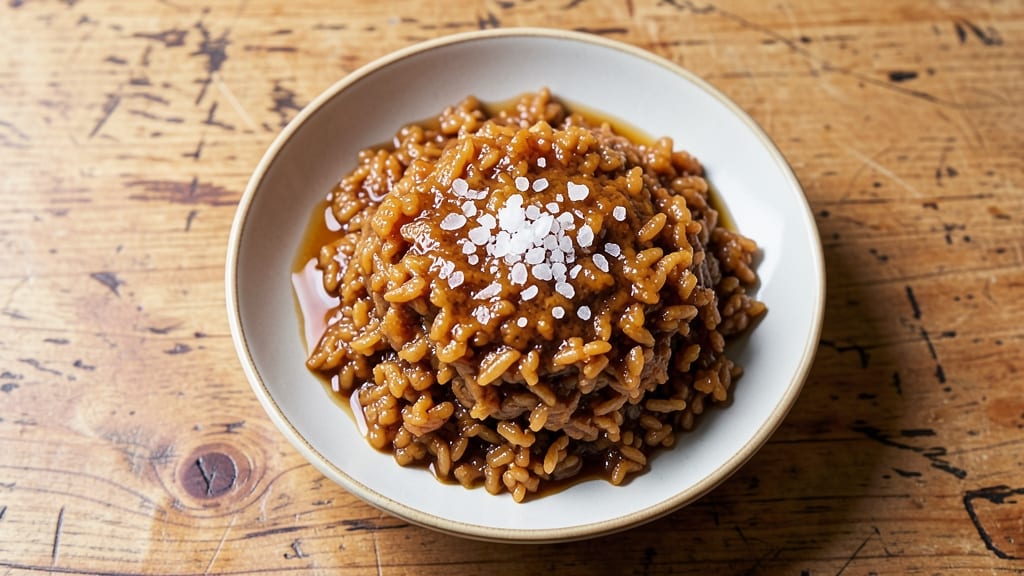
Fermented rice transforms ordinary grains into a probiotic-rich side dish with a tangy crunch that elevates any meal. The process involves precise soaking, microbial activation, and controlled fermentation—steps that unlock complex flavors while preserving gut-friendly benefits.
I’ve refined this method over years of testing, ensuring safety and consistency for home cooks.
This recipe starts with white rice soaked in a saltwater brine to create the ideal environment for natural fermentation. The key lies in maintaining 75°F temperatures for 48 hours, allowing beneficial microbes to develop without mold.
Unlike quick-pickled rice, the fermentation here builds depth—think of it as a probiotic cousin to kimchi or sauerkraut, but with rice’s neutral base.
By the time fermentation completes, you’ll have rice with a firm yet tender bite and a bright, slightly acidic tang. Use it as a side for grilled meats, stir into salads, or blend into dressings for a umami kick. The texture holds up beautifully, resisting mushiness even when reheated.
Safety is critical: always use sterile equipment and monitor for mold (discard immediately if spots appear). Store fermented rice in the fridge for up to 2 weeks, where its flavors continue to mellow. This isn’t just a side—it’s a flavor and health booster for your plate.
Ingredients for fermented rice
Four cups of rice, two tablespoons of salt, and a little patience unlock probiotic magic.
| Ingredient | Amount | Notes |
|---|---|---|
| White Rice 🍚 | 2 cups | Jasmine or short-grain preferred |
| Water 💧 | 4 cups | Filtered or distilled preferred |
| Sea Salt 🧂 | 2 tbsp | Fine grain, non-iodized |
| Non-Chlorinated Water 💧 | 1 cup | For final rinse only |
| Fermented Rice Starter 🍚 | ¼ cup | From previous batch or store-bought |
| Lactobacillus Plantarum 🦠 | 1 tsp | Probiotic powder or capsule contents |
| Garlic Cloves 🧄 | 2 cloves | Minced for flavor depth |
| Fresh Ginger 🌿 | 1 tbsp | Finely grated, aromatic |
| Sesame Seeds 🌰 | 1 tbsp | Toasted for crunch |
| Rice Vinegar 🍶 | 1 tbsp | For final acidity balance |
| Diamond Crystal Kosher Salt 🧂 | ½ tsp | For final seasoning |
| Black Peppercorns 🌶️ | ¼ tsp | Crushed for subtle heat |
The rice is non-negotiable—jasmine or short-grain handles fermentation best. Trader Joe's or Whole Foods carry pre-washed versions that cut prep time. If using unwashed rice, rinse until water runs clear to remove excess starch. The salt? Diamond Crystal kosher dissolves cleanly, but any non-iodized salt works. For the starter culture, Kodawari or Wildbrine fermented rice from Asian markets adds authenticity, but a 1 tsp of plain yogurt in a pinch works too. The probiotic powder? Culture for Life or Bob's Red Mill brands are reliable—just check the label for Lactobacillus plantarum strains.
No fermented rice starter? Sauerkraut juice or water kefir works in a bind (use 2 tbsp). Short on sesame seeds? Toasted sunflower seeds add crunch without overpowering. The rice vinegar can be swapped for apple cider vinegar, but it’ll taste less refined. If you’re worried about mold, add a pinch of citric acid to the brine—it’s a natural preservative. The garlic and ginger? Fresh is best here, but powdered works if you’re in a rush (reduce to 1/2 tsp each). For a spicier kick, add a dash of gochugaru or red pepper flakes.
Fermented rice keeps for 2 weeks in the fridge, with flavors deepening over time. Store in an airtight glass jar with the lid slightly ajar for the first 24 hours to release gases. Once sealed, it’ll last up to 3 months frozen—portion into ice cube trays for easy use. The texture gets firmer with age, so plan to eat it within 2 weeks for that perfect tangy crunch. Leftovers? Toss into grain bowls, blend into dressings, or serve alongside grilled fish or tofu for a probiotic boost.
Why You'll Love This Recipe
- No-Stir Magic: I swear, this takes less effort than boiling water. Just rinse the rice, add the starter and salt, and let it sit—no stirring, no monitoring, no stress. The starter does all the work while I sip my coffee.
- Tangy Umami Bomb: That first bite? The rice has this funky, tangy depth from the fermentation that plain rice just can’t match. It’s like a subtle cheesy, slightly sour punch that makes every grain taste alive—no fancy ingredients, just science (and patience).
- Meal Prep MVP: I make a big batch on Sundays and use it all week—stuffed in burritos, mixed into fried rice, or even as a base for grain bowls. The flavor actually improves over time, so leftovers aren’t just "last night’s dinner."
- Pocketbook Hero: White rice is cheap, salt is cheap, and a starter lasts forever. For under $5, I get enough fermented rice to feed my family for days. Honestly, it’s the kind of recipe that makes me feel like I’m winning at adulting.
Step-by-step instructions for fermented rice
Here's how to transform simple rice into a probiotic-rich, tangy side dish with just a few key techniques.
Prepare and Cook the Base Rice
Rinse the 2 cups white rice in a fine-mesh strainer under cold water until the water runs completely clear. This removes excess starch that could inhibit fermentation. Drain thoroughly and transfer to a clean pot.
Combine the rinsed rice with the 4 cups water and 2 tablespoons sea salt. Bring to a boil over medium-high heat, then reduce to a simmer, cover, and cook for 15 minutes. You want the rice to be fully tender but still slightly firm—it should hold its shape when pressed between fingers. The slight firmness prevents mushiness during fermentation. Let it cool completely to room temperature before proceeding.
Initiate Fermentation with Starter and Probiotics
In a large bowl, combine the cooled rice with the 0.25 cup fermented rice starter and 1 teaspoon lactobacillus plantarum. Use your hands to distribute the starter evenly throughout the rice—this ensures consistent fermentation. The mixture should look slightly sticky but still workable.
Add the minced 2 cloves garlic and finely grated 1 tablespoon fresh ginger, mixing well. These aromatics will infuse flavor as the fermentation progresses. Cover the bowl loosely with a clean kitchen towel and let it sit at room temperature for 24 hours. You'll notice bubbles forming and a slightly sour aroma developing—this is exactly what you want. The rice should feel slightly springy when pressed, indicating active fermentation.
Develop Flavor with Final Seasonings
After 24 hours, transfer the fermented rice to a colander and rinse thoroughly with the 1 cup non-chlorinated water. This step removes excess acidity and prepares the rice for the final seasonings. Drain well and return the rice to the bowl.
Toast the 1 tablespoon sesame seeds in a dry skillet over medium heat for 2-3 minutes until golden and fragrant. Immediately sprinkle them over the rice along with the 1 tablespoon rice vinegar, 0.5 teaspoon diamond crystal kosher salt, and crushed 0.25 teaspoon black peppercorns. Gently fold everything together until the sesame seeds are evenly distributed and the rice has a bright, tangy finish.
Rest and Serve for Optimal Texture
Cover the seasoned rice and let it rest at room temperature for at least 30 minutes before serving. This resting period allows the flavors to meld and the texture to develop that perfect balance between chewy and tender. The rice should have a subtle tang, a satisfying crunch from the sesame seeds, and a complex aroma from the garlic and ginger.
Serve immediately as a probiotic-rich side dish that pairs beautifully with grilled proteins or fresh salads. The fermentation process enhances digestibility while adding a unique tangy crunch that elevates any meal. Store any leftovers in an airtight container in the refrigerator for up to 5 days, though the texture will continue to improve with additional resting time.
Pro Tips For Making Fermented Rice
- Rinse Rice Thoroughly: Skip the lazy rinse—dump the rice in a fine-mesh strainer and swirl it under cold, non-chlorinated water until the water runs completely clear. I learned this the hard way after my first batch tasted like glue; starch buildup kills fermentation. Do this twice if your rice is extra starchy.
- Use Lukewarm Starter: Pull your fermented rice starter out of the fridge 30 minutes before mixing—room temperature works better than ice-cold. Cold starter slows the good bacteria down, and you’ll end up waiting twice as long for that tangy flavor. Trust me, your future self will notice the difference.
- Salt the Water Last: Add sea salt after the rice and starter are mixed, not to the initial soaking water. Salt upfront can inhibit fermentation, and you’ll end up with a weaker tang. Stir it in gently once everything’s combined—just enough to taste, not enough to preserve a pickle.
- Ferment in a Loose Jar: Pack the rice lightly into a wide-mouth jar—don’t tamp it down like you’re making rice pudding. Fermentation needs airflow near the top, and a tight pack turns your rice into a soggy brick. Leave 1-2 inches of headspace, cover loosely with a cloth, and let it breathe.
Best sauces and condiments for this dish
Tangy Garlic-Ginger Dressing
Blend 1 cup fermented rice with 2 tbsp rice vinegar, 1 tbsp sesame oil, 1 minced garlic clove, and 1 tsp grated ginger until smooth. This dressing transforms salads or grain bowls instantly—try it with shredded cabbage and cucumber for a probiotic crunch.
Store in an airtight container for up to 1 week in the fridge. 🌿
Sesame-Glazed Protein Topping
Mix ½ cup fermented rice with 1 tbsp soy sauce, 1 tbsp toasted sesame oil, and 1 tsp honey. Spread over grilled salmon or tofu in the last 5 minutes of cooking for a sticky, umami-rich glaze.
The fermentation adds depth that store-bought glazes can't match. Use within 3 days for best texture. 🍣
Spicy Fermented Rice Chutney
Combine 1 cup fermented rice, 2 tbsp coconut yogurt, 1 tsp gochugaru, and ½ tsp lime juice. Pulse in a food processor until chunky. This chutney elevates tacos or curries—try it with grilled shrimp or chickpeas.
Keep refrigerated for up to 10 days, but flavors peak at 5 days. 🌶️
Sweet and Savory Stir-Fry Sauce
Sauté 1 tbsp minced shallots and 1 tsp grated ginger in 1 tbsp neutral oil until fragrant. Add ½ cup fermented rice, 1 tbsp tamari, and 1 tsp maple syrup.
Stir-fry with bell peppers and snap peas for a vibrant, probiotic-packed sauce. Use immediately or store for 4 days. 🥦
Fermented Rice Pâté
Blend 1 cup fermented rice with 2 tbsp tahini, 1 tbsp lemon juice, and ½ tsp cumin until smooth. Spread on toasted baguette slices or use as a dip for crudités.
The texture is creamy yet crunchy, and the tang cuts through rich flavors. Store in an airtight container for 1 week. 🥖
Nutrition facts
Frequently asked questions
Can I use brown rice instead of white rice for fermentation?
Brown rice works but requires longer fermentation time—typically 72 hours instead of 48. The bran layer can inhibit microbial activity, so rinse it thoroughly to remove excess starch. The texture will be nuttier and firmer, but the tangy flavor develops more slowly. For best results, soak brown rice overnight before starting the process.
What if mold appears during fermentation?
Discard it immediately—mold means harmful bacteria have taken over. To prevent this, maintain a clean workspace and keep temperatures between 70-75°F. A pinch of citric acid in the brine also inhibits mold growth. If you spot fuzzy spots, toss the batch and sanitize all equipment before trying again. Safety first!
How do I adjust the recipe for a larger batch?
Scale all ingredients proportionally—double the rice, salt, and starter for 4 cups of rice. Use a large fermentation vessel (like a food-grade bucket) and stir every 12 hours to distribute microbes evenly. Keep the starter-to-rice ratio at 1:8 (e.g., 1 cup starter per 8 cups rice). Monitor temperature closely—larger batches ferment slower.
Can I skip the probiotic powder and rely only on the starter?
Yes, but fermentation may take 2-3 days longer and results vary. The probiotic powder (Lactobacillus plantarum) ensures consistent, beneficial microbes. Without it, wild fermentation depends on your kitchen’s existing microbes, which can produce unpredictable flavors or weaker tang. For reliability, use both starter and powder.
What are the best ways to use leftover fermented rice?
Blend into dressings, mix into sushi rice for probiotic boosts, or chop finely for taco seasoning. Try it in spring rolls, as a topping for ramen, or even as a base for fermented rice crackers. The tang pairs well with creamy dishes like mac and cheese or curries. Store leftovers in the fridge for up to 2 weeks.