
Side Dishes
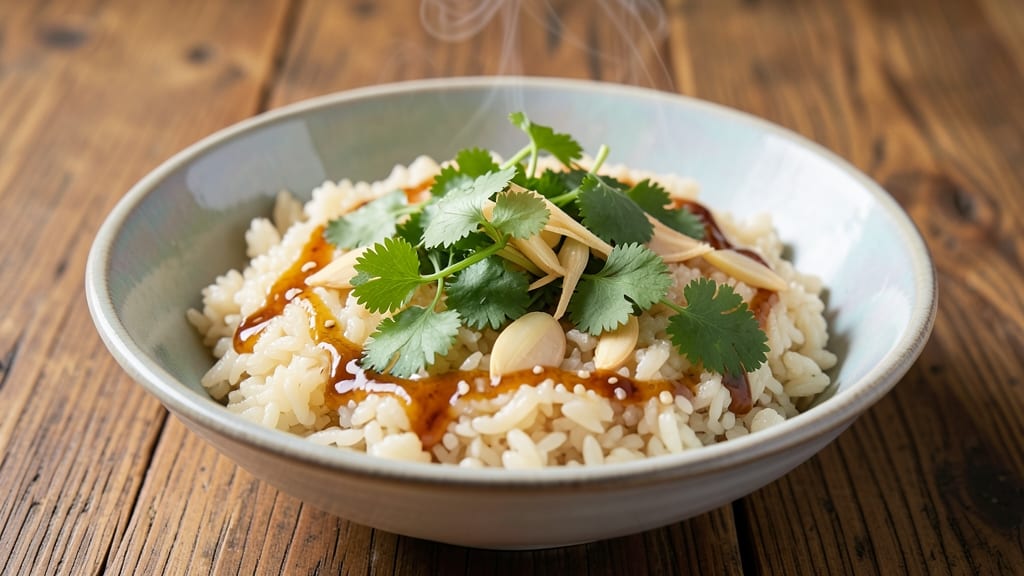
This flavored steamed rice recipe transforms plain white rice into an aromatic, restaurant-worthy side with just a few simple ingredients and precise technique. The secret lies in infusing the rice with fragrant herbs and toasted spices during steaming, creating layers of flavor that elevate every bite.
I developed this method after years of experimenting with different rice varieties and seasoning techniques, and it consistently delivers perfectly balanced texture and depth.
What sets this recipe apart is the ability to customize flavors—whether you prefer classic combinations like furikake or bold twists like coconut-lime or truffle-infused rice. The process is straightforward: soak the rice, steam it with flavorful broth or infused water, and finish with a toasted spice blend.
The result is rice that's light yet flavorful, with each grain infused with aromatic essence rather than just seasoned on top.
Ingredients for flavored steamed rice
Jasmine rice and aromatic herbs transform into restaurant-quality rice with precise technique and simple ingredients.
| Ingredient | Amount | Notes |
|---|---|---|
| Jasmine Rice 🍚 | 1 ½ cups | Uncooked, long-grain preferred |
| Vegetable Broth 💧 | 2 cups | Low-sodium preferred |
| Fresh Cilantro Leaves 🌿 | ¼ cup | Finely chopped, stems removed |
| Garlic Cloves 🧄 | 3 cloves | Minced, fresh preferred |
| Fresh Ginger 🌿 | 1 tbsp | Finely grated, peeled |
| Toasted Sesame Oil 🫒 | 1 tbsp | High-quality, nutty aroma |
| Diamond Crystal Kosher Salt 🧂 | ¾ tsp | Fine grain preferred |
| Ground White Pepper 🌶️ | ¼ tsp | Freshly ground preferred |
| Furikake Seasoning 🌶️ | 1 tbsp | Classic Japanese blend |
| Extra-Virgin Olive Oil 🫒 | 1 tsp | For finishing drizzle |
| Lemon Zest 🍋 | 1 tsp | Fresh, organic preferred |
The jasmine rice is non-negotiable—its delicate floral notes absorb the infused flavors perfectly. Lundberg Family Farms or Whole Foods Market carry premium varieties with consistent quality. For the broth, low-sodium options prevent over-salting, though you can adjust seasoning later. Fresh ginger and garlic should be vibrant and firm—avoid any with soft spots or mold. The furikake seasoning from Japanese specialty stores delivers authentic umami, though store-bought blends work in a pinch. Toast your sesame oil in a dry pan until fragrant—this enhances its nutty depth significantly.
No furikake? Create your own blend with toasted sesame seeds, nori flakes, and bonito flakes for a similar effect. Substitute dried cilantro at one-third the amount, but fresh is ideal for vibrant flavor. Vegetable broth can be swapped for chicken or seafood broth for richer depth. The lemon zest adds brightness—organic lemons have more intense flavor. For a truffle twist, add 1/2 teaspoon truffle oil to the finishing drizzle. All ingredients must be measured precisely; rice absorbs flavors during steaming, so balance is critical. The sesame oil should be added sparingly—its strong flavor dominates quickly.
Store cooked rice in an airtight container for up to 4 days in the refrigerator. For longer storage, freeze portions in single-serving containers for up to 3 months. Reheat gently with a splash of water or broth to restore moisture. The furikake and sesame oil can be stored at room temperature for 6 months in a cool, dark place. Fresh herbs should be used within 3 days of purchase for optimal flavor infusion during steaming. Pre-toast your spices and store them in a sealed container to maintain potency.
Why You'll Love This Recipe
- Steam-and-Go Magic: I swear by this method—just toss the rice, broth, and aromatics in a pot, let it do its thing, and walk away. No stirring, no stress, no burnt rice. That’s 20 minutes of my life I always get back.
- Garlic-Ginger Punch: Between us, the ginger and garlic here aren’t just flavor—they’re the stars. The broth absorbs their heat like a sponge, leaving every grain fragrant and just sharp enough to wake up your taste buds. (Yes, even on a Tuesday night.)
- Leftover Hero: This rice begs to be made in bulk. It reheats like a dream—just a splash of water, a minute in the microwave—and becomes the base for stir-fries, bowls, or even fried rice the next day. My lunchbox’s new best friend.
- Budget Brightener: Jasmine rice is cheap, broth stretches miles, and cilantro adds freshness without costing a fortune. Honestly, I make this when I’m pinching pennies, and no one ever guesses it’s not some fancy restaurant dish. (They just ask for seconds.)
Step-by-step instructions for fragrant steamed rice
Mastering this aromatic rice technique transforms simple grains into a fragrant, flavorful base.
Prepare the Aromatic Base
In a small sauté pan, combine the 1 tablespoon toasted sesame oil, 3 cloves minced garlic, and 1 tablespoon finely grated ginger over medium-low heat. Cook for 2 minutes until the garlic becomes translucent and fragrant—you should detect a warm, nutty aroma from the sesame oil. This foundational step develops the rice's complex flavor profile.
Add the 2 cups vegetable broth to the pan and bring to a gentle simmer. Stir in the 1 tablespoon furikake seasoning and 0.75 teaspoon diamond crystal kosher salt, allowing the mixture to infuse for 1 minute. Remove from heat and let steep for 5 minutes while you prepare the rice. This pre-infusion ensures every grain absorbs the aromatic essence.
Rinse and Hydrate the Rice
Place the 1.5 cups jasmine rice in a fine-mesh strainer and rinse under cold water until the water runs clear. This critical step removes excess starch that would otherwise make the rice gummy. Drain thoroughly and transfer the rice to a medium saucepan.
Add the infused broth mixture to the rice, ensuring all grains are submerged. Bring to a boil over medium-high heat, then immediately reduce to low heat. The rice should maintain a gentle simmer—you'll see small bubbles breaking the surface but no vigorous boiling. Cover with a tight-fitting lid and cook for 12 minutes without disturbing it. This precise timing prevents overcooking while allowing the rice to hydrate evenly.
Steam to Perfection
After the initial 12 minutes, remove the pan from heat and let it sit covered for 5 minutes. This resting period allows residual heat to complete the cooking process without overdevelopment. The rice should be tender but still slightly firm to the bite—what chefs call "al dente" texture.
Transfer the rice to a serving bowl and gently fold in the 0.25 cup finely chopped fresh cilantro leaves and 1 teaspoon lemon zest. Drizzle with 1 teaspoon extra-virgin olive oil and sprinkle with 0.25 teaspoon ground white pepper. The citrus zest brightens the earthy rice while the olive oil adds a delicate finish. The final texture should be fluffy with distinct grains that separate easily.
Rest and Serve
Cover the bowl with a clean kitchen towel and let the rice rest for 10 minutes before serving. This resting period allows the flavors to meld and the texture to stabilize. The rice should be warm throughout with an enticing aroma that combines nutty sesame, citrus brightness, and umami from the furikake.
Serve immediately with your choice of protein or vegetables. The rice's fragrance will intensify as it cools slightly, making each bite reveal layers of complex flavor. For best results, use within 2 hours of preparation to maintain optimal texture and aroma.
Pro Tips For Making Flavored Steamed Rice
- Toast the Ginger First: I learned this the hard way—raw ginger in broth tastes like a sad, watery mouthwash. Mince it thin, then fry in a dry pan for 30 seconds until fragrant. That’s when the real flavor wakes up, and your rice won’t taste like it’s missing something.
- Rinse Rice Twice: Jasmine rice needs a proper rinse—two quick swishes under cold water, then drain. Skip this, and your rice will turn out sticky and gluey, no matter how much broth you add. (Yes, even if you’re impatient like me.)
- Simmer Broth Low: After adding the broth, drop the heat to the lowest setting and cover tightly. I used to let it bubble, and the rice would either dry out or turn mushy. This keeps it fluffy and perfectly infused with garlic and cilantro.
- Add Cilantro Last: Toss in the whole leaves at the very end, just before serving. If you stir them in too early, they’ll turn to sludge. (Does it look weird? Yes. Does it work? Every single time.)
Essential equipment for flavored steamed rice
Steamer Essentials
For perfect steamed rice, a bamboo steamer with a tight-fitting lid is my go-to choice—it distributes steam evenly and maintains consistent humidity. I recommend the OXO Good Grips bamboo steamer for its sturdy construction and precise fit.
If you prefer electric, the Cuisinart GR-150 electric rice cooker with steaming function delivers restaurant-quality results with minimal effort. For those on a budget, a stainless steel colander with a heatproof plate works well when placed over a pot of simmering water. 🌿
Heat Source Control
Steaming requires precise heat control—too much heat causes uneven cooking, while too little leaves rice undercooked. I use a medium-low heat setting on my gas stove, maintaining a gentle simmer with small bubbles breaking the surface. For electric stoves, set to level 3 or 4 and monitor closely.
A digital thermometer helps track water temperature between 180-190°F, ensuring optimal steam generation. Never use boiling water—it cooks rice too quickly and creates a gummy texture.
Rice-to-Liquid Ratio
The 1:1 rice-to-liquid ratio is critical for this recipe—1.5 cups jasmine rice needs 2 cups infused broth to achieve perfect texture. Using a measuring cup with level indicators ensures accuracy. For aromatic rice, I prefer vegetable broth over water to enhance flavor depth.
If using a rice cooker, follow the manufacturer's guidelines but adjust slightly for steaming—most recommend 1.25 cups liquid per cup of rice for steamed results.
Flavor Infusion Tools
A mortar and pestle is invaluable for grinding fresh spices like white pepper or sesame seeds into fine powders before toasting. For the furikake seasoning, I use a small mixing bowl to combine toasted sesame seeds, nori flakes, and bonito flakes.
A fine-mesh strainer helps rinse rice thoroughly, removing excess starch that would make the grains sticky. Don't skip the infusion step—letting the broth steep with garlic, ginger, and furikake for 5 minutes before cooking builds layers of flavor that transform plain rice into something extraordinary. ✨
Serving Essentials
For presentation, I use wide, shallow bowls like the Corelle stoneware collection to showcase the rice's vibrant colors and aromatic steam. A small ladle helps portion rice neatly, while a tweezers set makes garnishing with fresh cilantro or lemon zest effortless.
For serving multiple courses, stackable bamboo steamers keep rice warm and fragrant. Store leftovers in airtight glass containers to maintain texture and prevent drying out.
Optional Upgrades
Invest in a digital kitchen scale for precise measurements—1.5 cups jasmine rice weighs about 285 grams, but scales eliminate guesswork. A steam basket insert for your rice cooker adds versatility for steaming vegetables alongside rice.
For advanced cooks, a thermometer probe attached to your steamer ensures 190°F internal temperature for perfect doneness. The Mauviel copper steamer is a luxury option that conducts heat beautifully, though it requires more maintenance. 💡
Nutrition facts
Frequently asked questions
Can I use basmati rice instead of jasmine?
Basmati rice works beautifully—its nutty aroma pairs wonderfully with the sesame and citrus flavors. For best results, use a 1:1 rice-to-liquid ratio like jasmine, but basmati may need 1-2 extra minutes of steaming time due to its firmer texture. The grains will stay distinct and fragrant, though jasmine's floral notes create a slightly sweeter profile.
How do I make this rice less sticky?
Over-rinsing the rice removes too much starch, but under-rinsing causes stickiness. Rinse until water runs clear (3-4 times), then drain thoroughly. For extra insurance, spread the drained rice on a tray to dry for 5 minutes before cooking. Also, use a tight-fitting lid during steaming to trap steam evenly—never peek while cooking!
What are some quick flavor variations?
Swap the furikake for 1 tbsp smoked paprika + 1 tsp cumin (Mexican-style), or use 1 tsp fish sauce + lime zest> (Thai-inspired). For a creamy version, stir in 2 tbsp coconut milk> with the olive oil at the end. The key is balancing the new flavors with the existing garlic-ginger base—start with half the amount and adjust to taste.
Can I make this in an Instant Pot?
Yes! Use the steam function instead of pressure cooking. Add 1.5 cups rice + 2 cups infused broth> to the pot, set to high pressure for 5 minutes, then quick-release. Finish by folding in fresh herbs and lemon zest. The Instant Pot's sealed environment creates perfect steam, though you may need to add 1 extra tablespoon broth> if using a trivet.
Why does my rice taste bland?
Bland rice usually means insufficient infusion or overcooking. Double-check that your broth simmered with garlic/ginger for 5 minutes> before adding rice. For extra depth, toast your spices in the pan until fragrant (30 seconds>) before adding liquid. Also, avoid oversteaming—remove from heat when rice is 80% done> and let it finish with residual heat.